REVIEW · HO CHI MINH CITY
Saigon: City Highlights & Unseen Tour|Opt: Female Riders
Book on GetYourGuide →Operated by VIETNAM STREET FOODS TOUR · Bookable on GetYourGuide
Saigon from a scooter feels like fast history. In just four hours, you mix major landmarks with everyday neighborhoods, then cool it down with a proper bowl of noodles—on the back of a motorbike with English-speaking guides. You also get a rare spotlight on the city’s religious and cultural layers, from the Thich Quang Duc story to Chinatown’s older sites.
What I really like is the balance: you get calm, meaningful stops (like the monument) next to sensory city life (like the biggest flower market). I also love that the food is not a souvenir moment—your meal is either grilled pork vermicelli with spring rolls or beef noodle soup, plus two included drinks, which makes the ride feel complete instead of rushed. On tours I saw listed, guides such as Lin and Minh (and others like Lyn, Moon, and Truc) come across as genuinely invested and easy to talk with.
One thing to consider: this is not a sit-and-watch tour. You’re riding in real Saigon traffic for most of the afternoon, so if you’re nervous on motorbikes, you’ll want to lean on the guide’s safety habits and take it slowly from the first minutes. Also, if you’re requesting the Ao Dai option, plan ahead—female Ao Dai riders must be requested at least 6 hours in advance, and on crowded days choices can be changed.
In This Review
- Key Takeaways
- Why Scooter Touring Works for Saigon’s “Unseen” Side
- Thich Quang Duc Monument: Protest, Memory, and a Deeper Start
- Hoa Thi Ky Flower Market: When the City Smells Like Roses
- Old Apartments That Tell Real Stories (Nguyen Thien Thuat)
- Chợ Campuchia (Cambodian Market) and District Mix-Up Skills
- District 5 Chinatown: Thien Hau Temple Built in 1760
- The Oldest Church in Chinatown: A Different Faith Layer (1865)
- The Noodle Break: Grilled Pork Vermicelli or Beef Noodle Soup
- Safety Gear and Riding Style: The Real Value of a Good Guide
- Pickup, Duration, and How Much You’ll Actually See
- Price and Value: What $24 Actually Buys You
- Who This Tour Fits Best (and Who Might Want to Skip)
- Should You Book This Saigon Scooter Highlights Tour?
- FAQ
- How long is the tour, and what’s the meeting idea?
- How much does it cost?
- What food and drinks are included?
- Do I get safety gear?
- Is there insurance?
- Is pickup included, and where?
- Is the tour guided in English?
- Can I request female riders or Ao Dai riders?
- What items are not allowed?
Key Takeaways
- Thich Quang Duc monument (1963 protest story): a powerful start that sets the tone before you hop into the city’s louder side.
- Hoa Thi Ky Flower Market: roses, orchids, and lilies in tight rows—easy to photograph, fun to browse on the move.
- Nguyen Thien Thuat apartments: old, lived-in buildings that show Saigon beyond the postcard.
- Thien Hau Temple (built 1760): Chinatown’s older religious heart in District 5.
- Chợ Campuchia and an 1865 church: a rare mix of Cambodian-influenced market life plus early Chinatown Christianity.
- Food that matches the route: grilled pork vermicelli with spring rolls or beef noodle soup, backed by included drinks and gear.
Why Scooter Touring Works for Saigon’s “Unseen” Side
Saigon is spread out, and walking only gets you so far before your energy runs out. This style of tour solves that with a simple trade: you trade sitting time for street time, so you actually see how districts connect and where people spend their days.
You’ll also get a guide who’s there to interpret what you’re looking at. On these routes, the focus tends to be the “why” behind places—religion, migration, and daily life—so your photos have context, not just angles.
You can also read our reviews of more city tours in Ho Chi Minh City

Thich Quang Duc Monument: Protest, Memory, and a Deeper Start
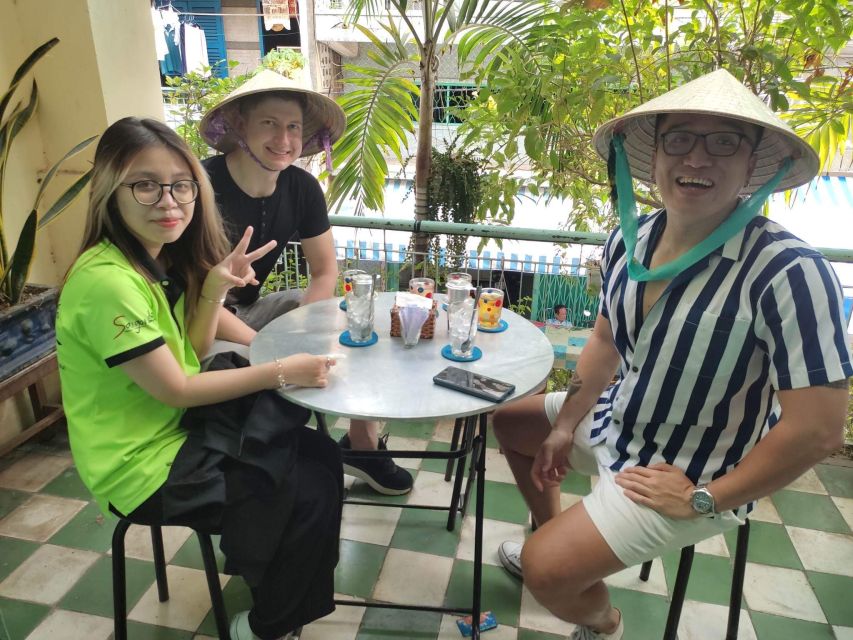
Most city tours jump straight to scenery. This one begins at the Thich Quang Duc monument, where you learn the story of Buddhist monk Thích Quảng Đức, who self-immolated in 1963 as an act of protest.
That matters because it changes how you read the city for the rest of the ride. Saigon isn’t just busy streets and big buildings. It’s also a place where history shows up in public memory and religious spaces, and this stop gives you a reference point.
Practical tip: dress like you’ll be out and about for the whole 4 hours. Even with a short ride between stops, you’ll likely want to be comfortable around open-air areas and walking paths.
Hoa Thi Ky Flower Market: When the City Smells Like Roses
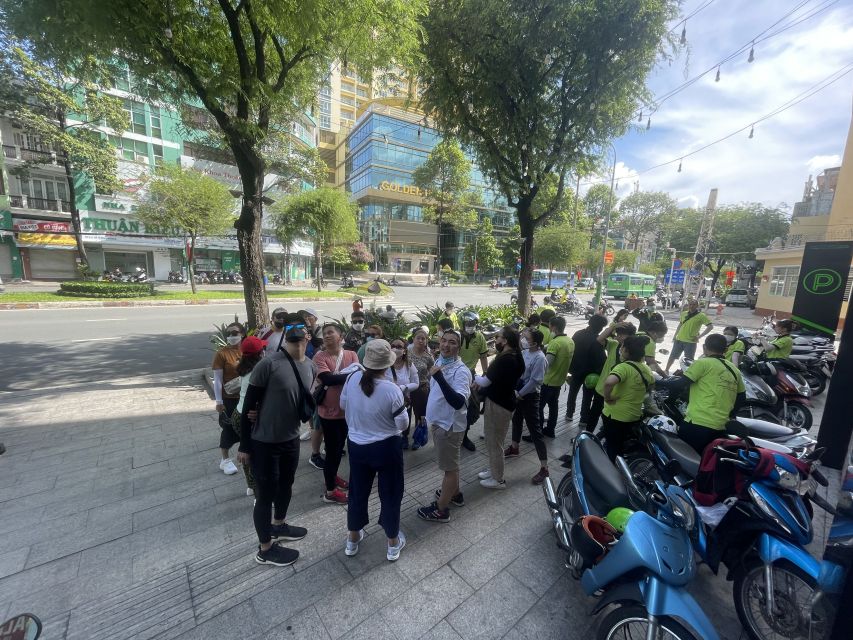
Next comes the Hoa Thi Ky Flower Market, described as the biggest flower market in Saigon. The scale is the point: it feels like a small flower village hiding inside the city, with rows of roses, orchids, lilies, and vendors working in tight patterns.
Why I like this stop: it’s not only pretty. It’s practical. You see how commerce works here—how flowers move from production to display, and how quickly sellers can switch inventory. It’s also one of the easiest places to grab satisfying photos without needing special viewpoints.
If you feel like it, you can also pick up a mini bouquet. Just remember that the tour includes drinks and one meal, while personal spending is on you.
Old Apartments That Tell Real Stories (Nguyen Thien Thuat)
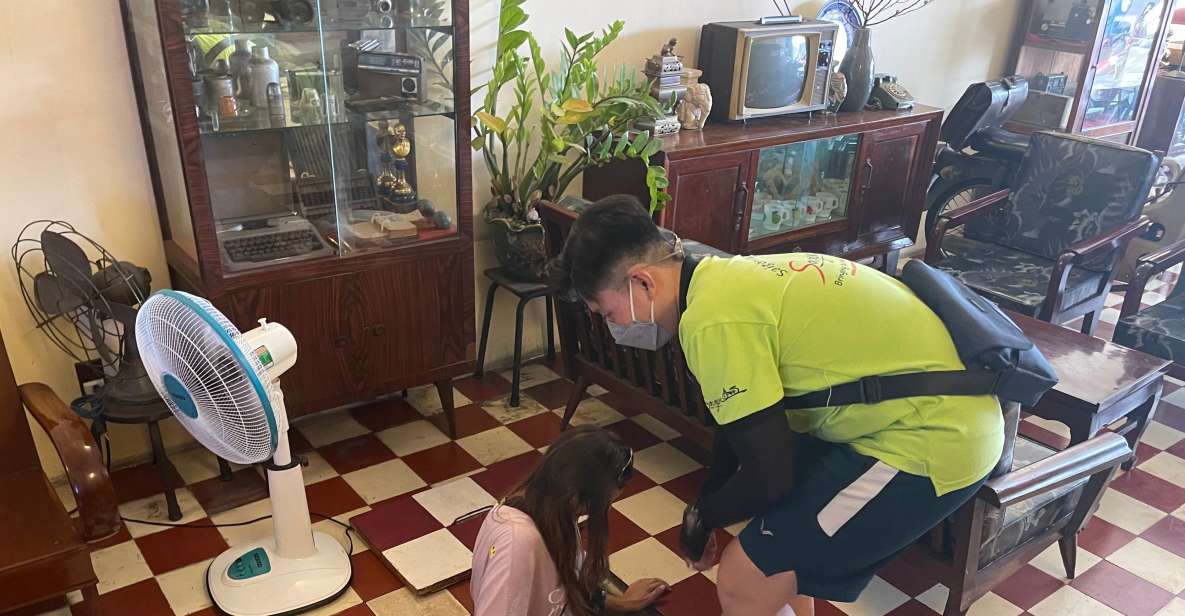
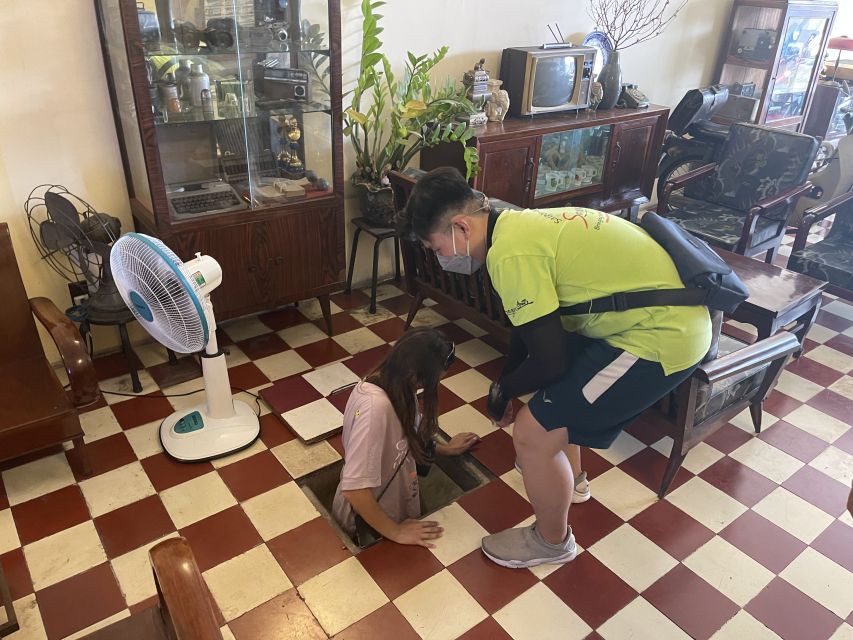
After the flower rush, you head to Nguyen Thien Thuat apartments—old apartment blocks with everyday life built into them. This stop is all about scale and texture: not monuments this time, but the places where people actually live.
I find these stops valuable because they correct a common travel habit: looking at a city only through its most official buildings. Here, you notice the local rhythm—where people hang out, how neighborhoods function, and what “old” means in a city that keeps growing around it.
A small drawback: since you’re on a scooter tour, you won’t spend a long time exploring like you would in a museum. Treat this as an orientation moment, not a deep architectural study.
Chợ Campuchia (Cambodian Market) and District Mix-Up Skills
Then the route turns toward Chợ Campuchia, a market known for a mix of Vietnamese and Cambodian culture. This is one of the more sensory stops—snacks, spices, and the kind of everyday shopping you won’t always spot on mainstream routes.
What makes it worthwhile is the contrast. Right before this, you were surrounded by flowers and older apartments. Now you’re in a market environment where people are buying ingredients and street-level treats, and the guide helps you make sense of what you’re seeing.
Practical tip: keep your phone charged. Markets like this are easy places to lose track of time because you’ll want photos and quick questions.


District 5 Chinatown: Thien Hau Temple Built in 1760
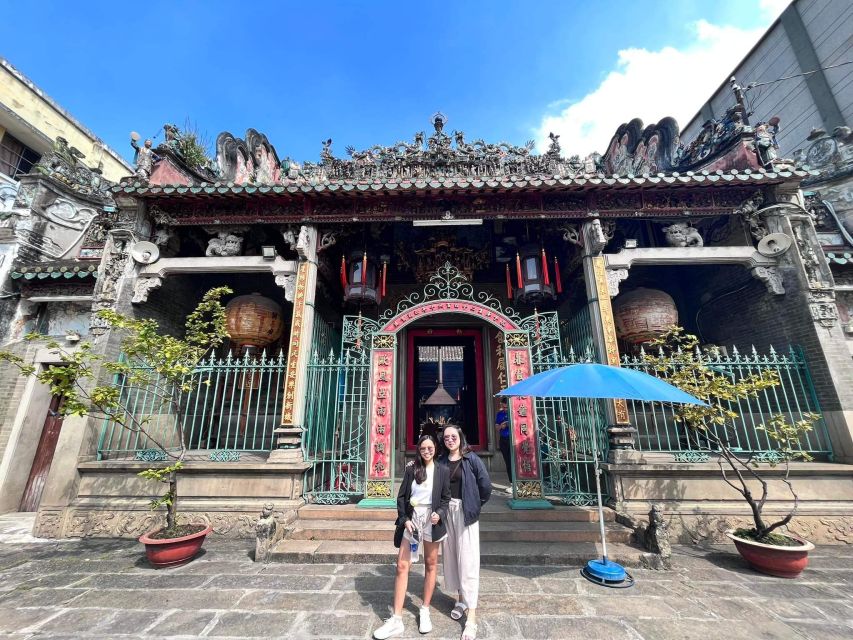
From there you head into District 5 for the Thien Hau Temple, the older temple associated with Chinatown. The temple is said to have been built in 1760, which gives the stop real weight.
Thien Hau (commonly linked with seafaring protection and coastal Chinese communities) is the kind of site where you can see how belief systems travel and take root. You’re not just looking at decorative details—you’re watching culture stay alive through community worship.
If you’re the type who likes history that you can point at, this stop gives you something concrete to remember. Dates like 1760 help your brain anchor what you’re seeing.
The Oldest Church in Chinatown: A Different Faith Layer (1865)
Next up is the oldest church in Chinatown, built in 1865 by Father Phillippe, associated with the Paris Missionaries Association of the Diocese of Canton.
This stop is a reminder that Chinatown isn’t only one story. The area’s identity includes multiple faith traditions that shaped what’s built and what’s practiced. When you see the church right alongside a Chinese heritage temple area, the city starts to feel more like a living crossroads than a single-theme destination.
Practical tip: keep a respectful pace here. Religious sites tend to be less about photos and more about watching how people behave.
The Noodle Break: Grilled Pork Vermicelli or Beef Noodle Soup
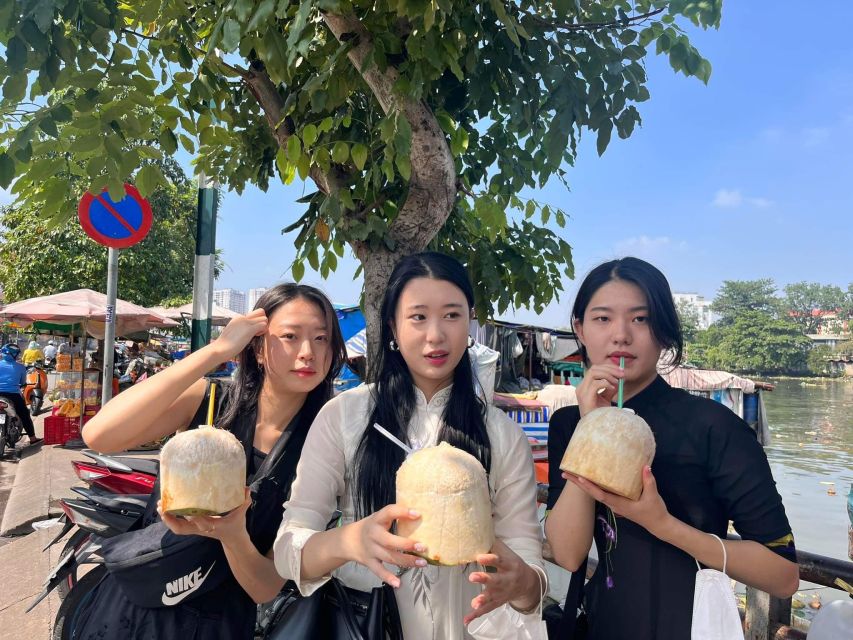
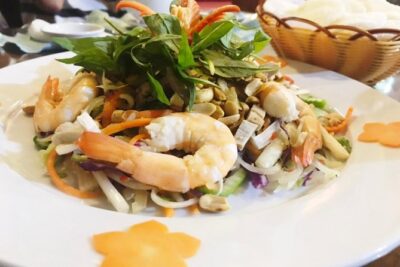
You’ll end up hungry, and that’s the point. This tour includes a proper meal, either grilled pork vermicelli with spring rolls or beef noodle soup, plus two kinds of drinks.
I like that the food is tied to the route rather than tacked on. After markets and temple visits, your body wants something familiar and filling. The meal choices make sense for different preferences, and the spring rolls and vermicelli combo feels like a true street-food meal rather than a cafeteria plate.
If you’re picky about spice, tell your guide early. Your guide can steer you toward the right balance at the place you stop. And since only one meal is included, you’ll want to keep extra snacks as optional personal spending.
Safety Gear and Riding Style: The Real Value of a Good Guide
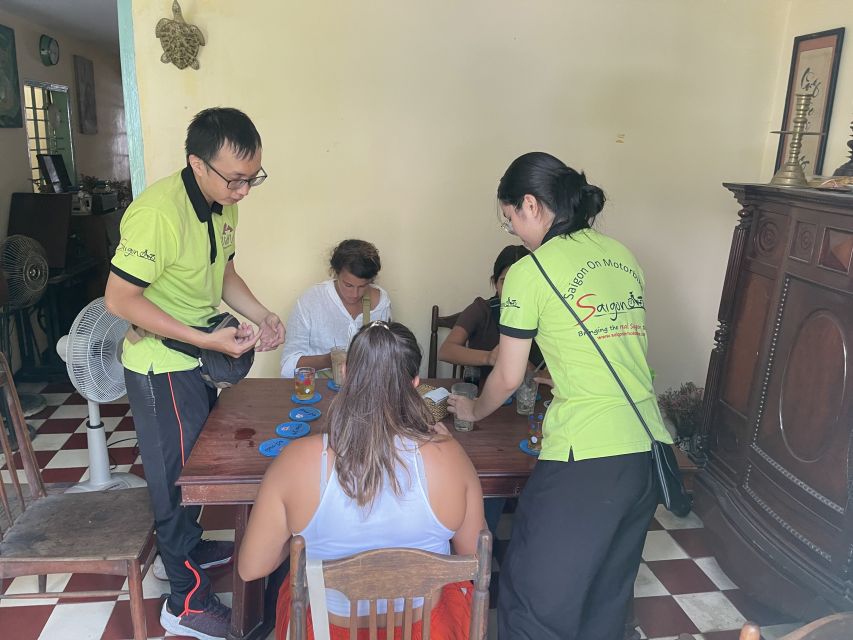
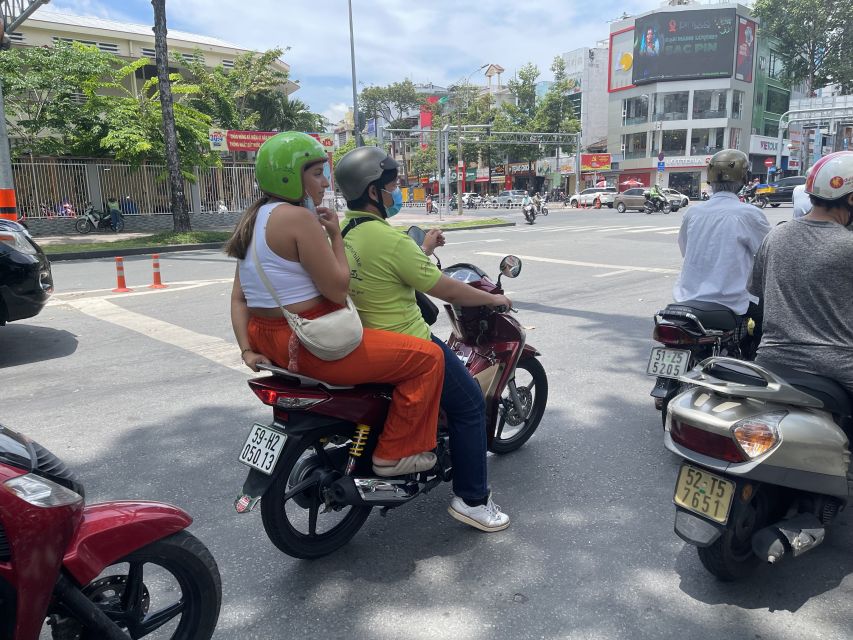
Here’s where this tour earns its high marks. You get a high-quality open-faced helmet and a raincoat if needed, and the tour includes accident insurance. But the bigger value is how the ride actually feels in traffic.
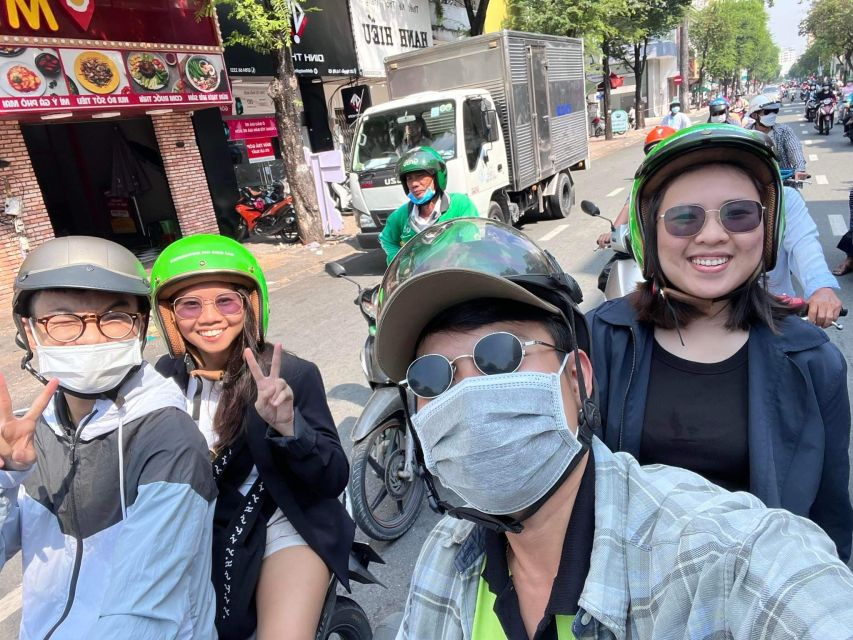
From the way guides are described across this experience, the driving focus is safety first—smooth lane choices, careful stopping, and constant awareness. Guides such as Linh and Minh (and also Lyn, Moon, and Truc in other cases) are often praised for clear English and making riders feel comfortable.
If you’ve never ridden in Saigon before, your job is simple: stay relaxed, hold on, and let the guide set the rhythm. Your comfort increases fast once you stop fighting the flow of traffic.
Pickup, Duration, and How Much You’ll Actually See
This is a 4-hour motorbike tour, with pickup in District 1 and District 3 or 4 areas (some exclusions apply). That pickup range matters because it reduces stress. You start closer to the action instead of spending your morning stuck in transit.
Because it’s private group style, your guide can adjust pacing. If you want a little more time at the flower market or a slightly slower stop around religious sites, you can ask. That flexibility is hard to get on large-group bus tours.
One practical note: oversize luggage isn’t allowed. If you’re traveling with a big backpack, keep it compact so you don’t become a problem for your guide (and for yourself).
Price and Value: What $24 Actually Buys You
At $24 per person for a 4-hour scooter highlights tour, you’re paying for three things: transportation, interpretation, and food. Most people feel the value more clearly when they realize you’re not just getting a ride—you’re getting a route that mixes monuments, markets, and older Chinatown religious sites.
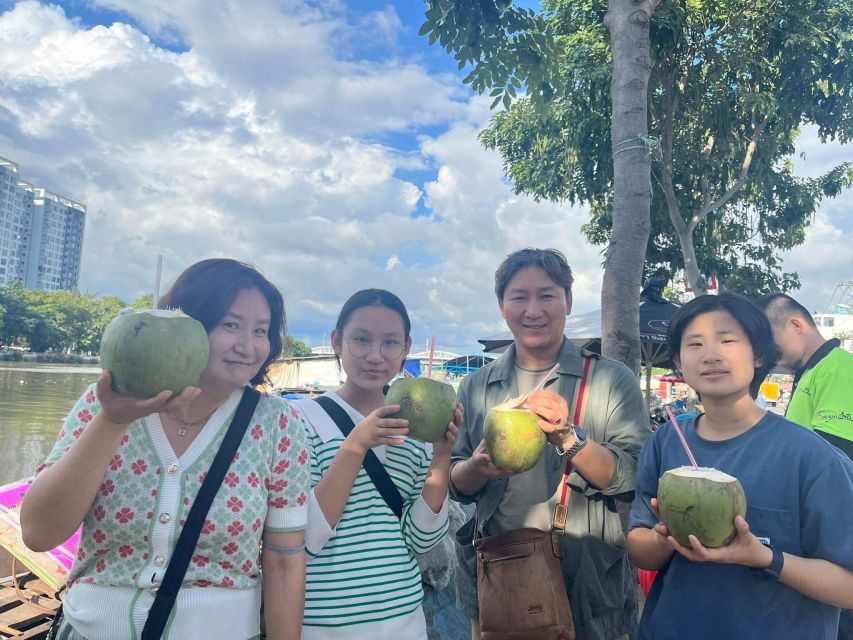
You also get helmet gear, raincoat support if needed, and accident insurance. Add in one meal and two included drinks, and the cost starts to look more like a full local experience than a budget sightseeing add-on.
Could it be cheaper as a DIY walk? Sure. But DIY misses the scooter coverage across multiple districts and the quick explanations that make you understand why each stop matters.
Who This Tour Fits Best (and Who Might Want to Skip)
This fits you if you want Saigon’s layers in one afternoon: memorial history, Chinatown religion, and day-to-day street markets, all while moving efficiently around the city. It also fits you if you prefer a guide who can talk through what you’re seeing—guides are presented as friendly, English-speaking, and focused on making the ride feel safe.
It might not fit you if you:
- get motion or traffic anxiety fast
- dislike religious site visits
- need long, slow walking time at each stop
Also, the female rider option is something to consider. Female riders (and especially female Ao Dai riders) must be requested at least 6 hours in advance. If you request later or it’s a crowded day, assignment can be random.
Should You Book This Saigon Scooter Highlights Tour?
Book it if you want an efficient 4-hour mix of Thich Quang Duc monument, Hoa Thi Ky Flower Market chaos, Chinatown’s Thien Hau Temple (1760), and an 1865 church—then you finish with a satisfying local noodle meal. The best part is how the route turns “things to see” into “places with meaning,” while the scooter ride keeps you from wasting your limited time fighting traffic on foot.
Skip it if you strongly dislike motorbike travel or if you want an ultra-slow, museum-style day. This is a street tour: quick transitions, lively neighborhoods, and your guide steering you through what’s worth noticing.
If you’re on the fence, I’d choose this as your first half-day in Saigon. It’s the kind of ride that helps you understand the city fast, so the rest of your trip feels more confident.
FAQ
How long is the tour, and what’s the meeting idea?
The tour runs for 4 hours, with pickup from your hotel or a specified place in Ho Chi Minh City. Drop-off is also included after the tour.
How much does it cost?
The price is $24 per person.
What food and drinks are included?
You get 2 kinds of drinks and 1 meal. The meal is grilled pork vermicelli with spring rolls or beef noodle soup.
Do I get safety gear?
Yes. The tour includes a high-quality open-faced helmet, and a raincoat if needed.
Is there insurance?
Accident insurance is included.
Is pickup included, and where?
Pickup & drop-off are included for District 1, District 3, District 4 and some exclusion apply.
Is the tour guided in English?
Yes. The tour includes a friendly English-speaking guide.
Can I request female riders or Ao Dai riders?
Female Ao Dai riders must be requested at least 6 hours in advance. If requested within 6 hours or on crowded days, riders may be randomly assigned.
What items are not allowed?
Oversize luggage is not allowed.