REVIEW · BEN TRE
Private tour: Explore the authentic rural life in Ben Tre
Book on Viator →Operated by Nam Bo Tours · Bookable on Viator
Handmade skills on a quiet river path sounds like a dream. In Ben Tre, that’s exactly the setup: you move from craft villages to the water, catching a switch from busy bustle to the calmer rhythm of the Mekong Delta. The highlight for me is how the journey is built around small waterways—first by boat on narrow rivers and then by rowing through the Water Palms Canal area.
I especially like the coconut-focused stops: you’ll see fresh coconut processing and then watch coconut candy being made. And you’ll get a real taste of daily life by spending time in places where people work with their hands, not just pose for photos. One thing to consider: communication can be hit-or-miss if your guide’s English is limited, so I’d come with a translator app and a few simple questions ready.
In This Review
- Key Things I’d Prioritize on This Ben Tre Tour
- Why Ben Tre’s Rural Life Tour Feels More Real
- The Small-River Boat + Rowing Through Palm Canals
- Old Brick Kiln: Watching Hands Make Bricks the Traditional Way
- Coconut Processing Workshop: Quick, But It Sets the Tone
- Nam Bo Coconut Candy Mill: Where You Get to Taste the Story
- Mat Weaving House: Trying the Handloom Yourself
- Riverside Food Stop: When Lunch Is Optional (and Useful)
- Getting Around: Tuk-Tuk Through Coconut-Heavy Paths
- Price and Value: What $46.67 Buys You in Ben Tre
- Timing, Weather, and How to Make the Most of 4–5 Hours
- Who This Ben Tre Tour Suits Best
- Should You Book This Ben Tre Rural Life Boat Tour?
- FAQ
- How long is the Ben Tre rural life tour?
- Where does the tour start and end?
- Is lunch included in the price?
- What’s included during the tour?
- Is pickup available from Ho Chi Minh City?
- Is this tour private or shared with other groups?
Key Things I’d Prioritize on This Ben Tre Tour
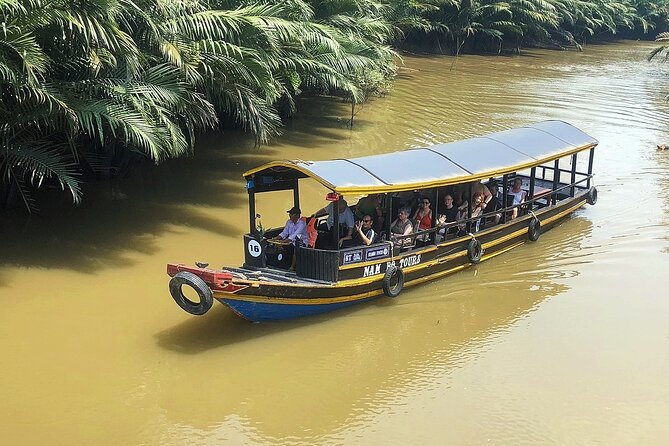
- Private pace on the river: you’re not squeezed into a big group tour, and the timing feels more flexible.
- Small-boat views plus a rowboat moment: you’ll shift from motorboat speed to slower canal scenes you can actually notice.
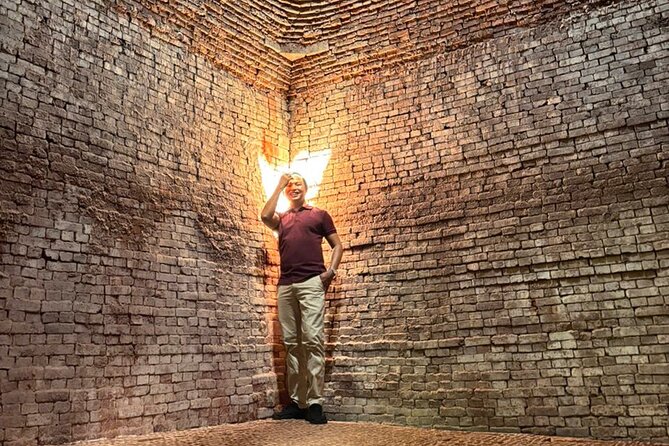
- Old Brick Kiln craft stop: you can watch workers make bricks the traditional way.
- Coconut Processing and Nam Bo Coconut Candy Mill: two stops that connect fresh fruit to sweets.
- Mat Weaving House with hands-on time: you can try weaving on a handloom (not just watch).
- Fruit and coconut juice included: you’ll get refreshments during the route, but lunch is optional.
Why Ben Tre’s Rural Life Tour Feels More Real
Ben Tre sits in the Mekong Delta, but this tour doesn’t treat it like a photo backdrop. The goal is simple: show you how people earn a living around water—brickmaking, coconut products, and weaving—then let you see the canal network that makes the whole system work.
What makes this feel “real” is the mix of craft + water transport. You’re not bouncing between unrelated attractions. Instead, the day flows like this: hands-on work on land, then you slide back onto the river again. That rhythm is what makes the views stick with you.
You’ll also start and end in Ben Tre at the riverside pier area, with a 9:00am departure. From there, the schedule is designed for about 4 to 5 hours, which is long enough to feel like a full half-day, without turning into a travel marathon.
You can also read our reviews of more private tours in Ben Tre

The Small-River Boat + Rowing Through Palm Canals
The tour’s special point is water movement. You’ll take a boat trip on small rivers and then a rowing boat through narrow canal channels sometimes described as scissor canals. This is the part where the Mekong Delta stops feeling like a generic region and starts feeling like a living system of canals and working rivers.
On the motorized boat portion, you’re close enough to see what’s happening near the banks—houses, palms, and the “everyday” activity of river life. Then the switch to a rowing boat matters. A rowing boat moves slower, so you can look at the details: water texture, shadows from palm trees, and the way narrow channels bend out of sight.
The tour includes a rowing sightseeing segment (about 15 minutes). That’s not a long “stay on the water” activity, but it’s timed well. If you go expecting a full hour of rowing, you might feel it’s brief. If you go for the contrast—fast river view then quiet canal view—you’ll probably love it.
Practical note: this type of experience depends on good weather. If conditions aren’t favorable, the operator may offer a different date or a full refund.
Old Brick Kiln: Watching Hands Make Bricks the Traditional Way
Your first craft stop is the Old Brick Kiln area. Plan for about 1 hour total, including the included travel from the pickup point to the kiln site. This stop isn’t about a museum-style display. You’ll see brickworkers making bricks using traditional methods.
Why I think this is valuable: brickmaking is one of those jobs you usually never see up close when you visit Vietnam. Here, you get to watch the process and understand the physical effort behind construction materials. It also connects to the Ben Tre region’s working landscape—things made by hand because that’s what supports local life.
A possible drawback: kiln work can be hot and dusty, depending on the day. If you’re sensitive to heat, wear light clothing, use sun protection, and give yourself permission to pause and watch instead of rushing for photos.
Coconut Processing Workshop: Quick, But It Sets the Tone
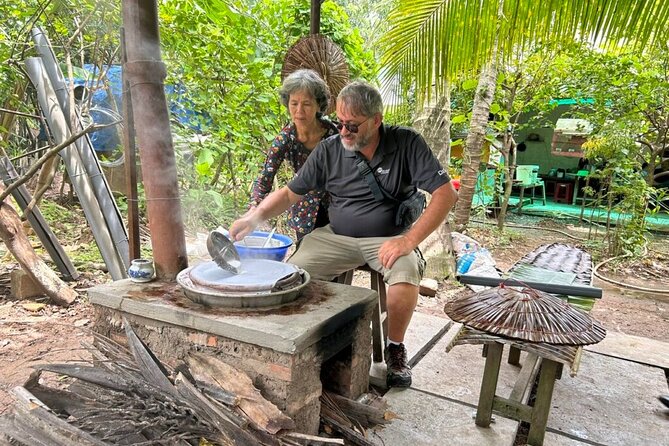
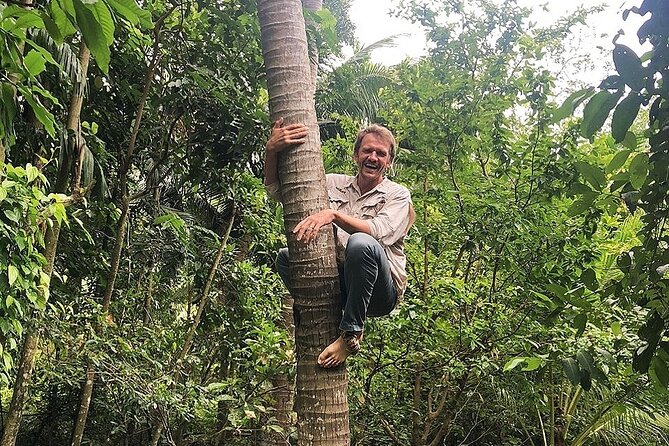
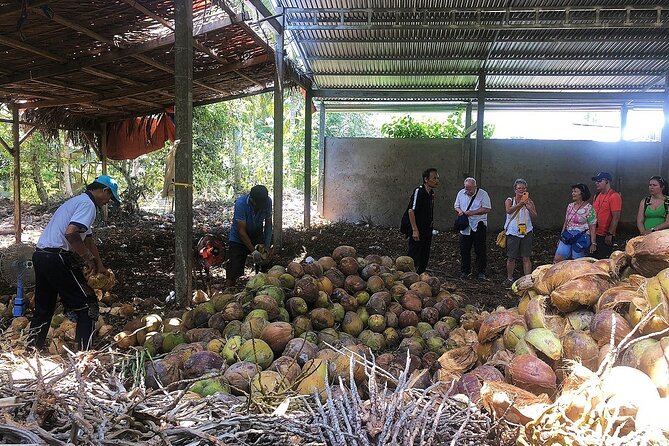
Next comes a short stop for coconut processing, about 15 minutes. You’ll sample fresh coconut and see how handmade products are made from it.
This is the “warm-up” stop that sets your expectations for what comes later. By the time you reach the candy mill, the coconut won’t feel mysterious. You’ll recognize the raw-to-product logic.
Because this section is short, don’t expect a deep, step-by-step workshop like you’d see in a long class. If you have specific questions—how they prepare certain parts of the coconut—be ready to ask fast. And if English is limited, a translator app will help you get more from the time you have.
Nam Bo Coconut Candy Mill: Where You Get to Taste the Story
After coconut processing, the schedule continues with the Nam Bo Coconut Candy Mill. This segment runs about 1 hour, and it’s one of the best “hands + senses” parts of the day.
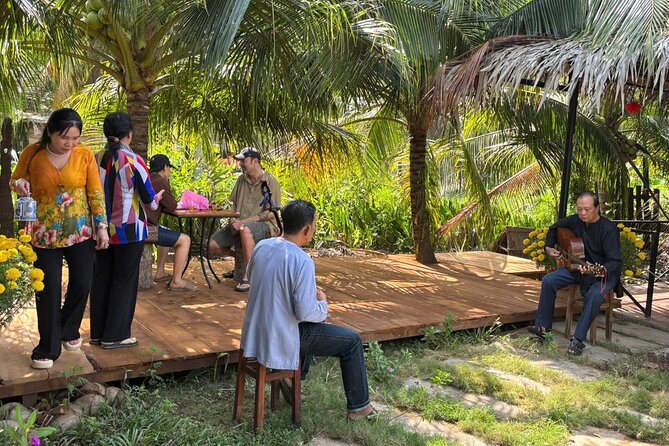
Here, you can see how coconut candies are made. You’ll also have the chance to eat some fruits, and there’s traditional folk music playing at the mill area. That combination matters. Candy-making can be fascinating on its own, but pairing it with music gives you a stronger sense of how this kind of work fits into village life.
This stop is also where the “coconut is versatile” idea becomes obvious. You’re not just tasting a sweet. You’re watching how multiple coconut products connect to local routines—food, income, and community gatherings.
Potential consideration: if you’re avoiding sweets, you can still watch the process and enjoy the fruit, but you may want to pace your tasting.



Mat Weaving House: Trying the Handloom Yourself
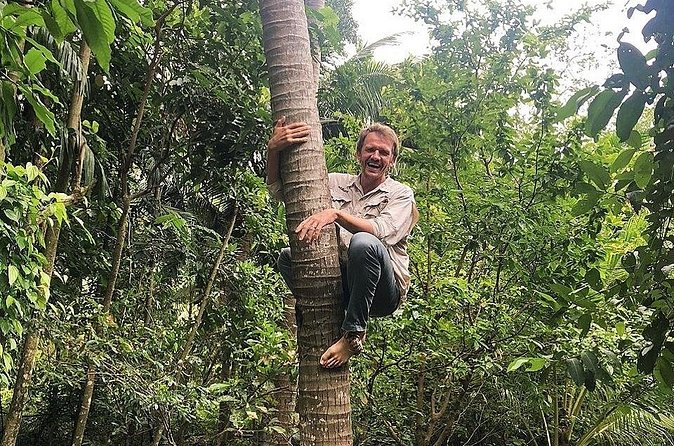
Then you’ll head to the Mat Weaving House, where you’ll spend about 40 minutes. This is another stop that leans toward “learn by doing.”
You’ll see how straw mats are woven using a handloom, and you can even try weaving a mat yourself. For me, the appeal is that it turns a craft show-and-tell into a small skill challenge. Even if you only manage a short section of weaving, it gives you respect for the time and coordination behind everyday items people use.
Why it’s worth the time: weaving skills are practical. Mats aren’t souvenirs that only exist for tourists. They’re made because people need them, and because the tools and materials are locally available.
One practical drawback: weaving involves repetitive hand motions and attention to tension. If you have wrist issues or you’re traveling with limited mobility, go slowly and take breaks. The goal is to try, not to win an award.
Riverside Food Stop: When Lunch Is Optional (and Useful)
There’s a planned stop at a local riverside restaurant area if you want lunch. The included time on the schedule is about 1 hour, but lunch itself is not included in the tour price.
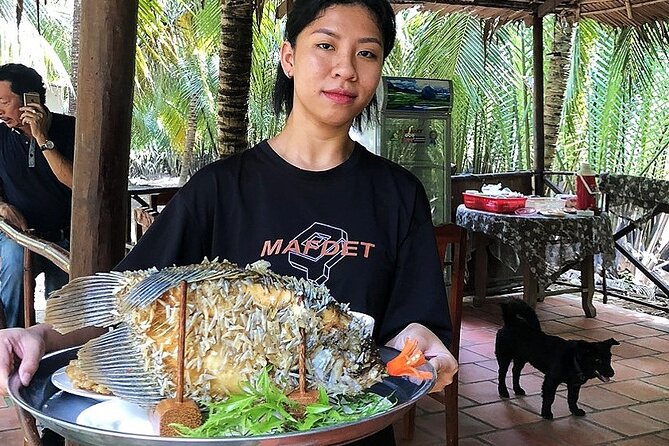
If you choose to eat there, expect local specialties—examples listed include elephant-ear fish and river shrimp. This is also a good moment to slow down. After boat time and craft stops, a calm meal break helps you digest the day.
A small tip for value: if lunch matters to you, decide ahead of time. Since lunch isn’t bundled, you’ll want to check the restaurant’s menu and prices so you don’t feel surprised later.
Getting Around: Tuk-Tuk Through Coconut-Heavy Paths
Between craft stops, you’ll travel by tuk-tuk through coconut-shaded areas. This isn’t just “transport.” It’s part of the experience because it keeps you moving through the kinds of village pathways that link riverside life with production areas.
Tuk-tuk rides tend to be quicker and more flexible than long bus transfers, which fits a half-day tour. It also helps keep the rhythm of the route—boat segments stay clean and you spend more of your time where the action is.
If you’re the type who gets travel-sick in small vehicles, you might want to keep water handy and sit where you feel most comfortable. The day includes multiple segments, so small adjustments can make it easier.
Price and Value: What $46.67 Buys You in Ben Tre
At $46.67 per person, this tour is priced like a “do a lot in a little time” experience. For that money, you’re getting:
- A private boat trip
- All entrance fees
- Fruit and coconut juice
- Multiple stops tied together by the same river-and-craft theme
What I like about this value setup is that the tour isn’t just sightseeing. You’re paying for access to working spaces—brick kilns, coconut processing, a candy mill, and weaving practice—and also paying for the boat time that makes Ben Tre feel different from a dry land day.
What could make it less of a bargain for some people:
- Lunch is not included
- Tips are not included
- Pickup from Ho Chi Minh City is possible with a modest extra fee (so your final cost may change)
If you’re staying in Ben Tre, this price feels straightforward. If you’re coming from Ho Chi Minh City, confirm the extra transfer cost up front so your total budget matches your expectations.
Timing, Weather, and How to Make the Most of 4–5 Hours
A 4 to 5 hour rural tour is a sweet spot. Long enough for multiple craft stops and two types of river time, but short enough that you won’t feel “trapped” on the move.
The day starts at 9:00am, and you’ll end back at the meeting point in Ben Tre after returning by boat. The schedule includes a final boat ride back to the pier (about 45 minutes), which is a nice way to close the loop—you’re not rushing straight to the door after the last craft stop.
My advice for getting the most out of this kind of tour:
- Wear comfortable shoes for mat-weaving areas and wet or uneven ground near craft sites.
- Bring sun protection. You’ll be outdoors often, and river areas reflect light.
- Pack patience for language gaps. One communication issue can make you miss details—so use a translation app and keep questions simple.
If you go with realistic expectations—more craft viewing and hands-on trying than a lecture-heavy class—you’ll enjoy it more.
Who This Ben Tre Tour Suits Best
This tour fits you best if you like:
- Coconut products and watching them move from raw ingredients to finished goods
- Crafts you can understand with your hands, like weaving
- River scenery that’s slow and narrow, not just wide open postcard views
- A private format where you can ask questions and set your pace a bit
It might not be the best fit if you’re craving lots of big landmarks or long downtime. The day is structured. Even the short stops (like the coconut processing workshop) have specific time windows.
Should You Book This Ben Tre Rural Life Boat Tour?
Book it if you want a Ben Tre experience that feels connected: river travel tied directly to the work people do every day. The combination of small-river boat time, rowing through the palm canal area, and practical craft stops (especially coconut candy and mat weaving) gives you more than one “type” of memory.
Skip or consider alternatives if you’re sensitive to heat and dust at workshop sites, or if you need fluent English explanations throughout the entire route. The boat-and-craft format can still be enjoyable even with limited language, but it helps to go in prepared.
If your priority is a private half-day with real local production and canal views, this is a solid pick. And at this price level, with entrance fees covered and fruit included, it’s one of those tours where the cost feels aligned with what you actually do.
FAQ
How long is the Ben Tre rural life tour?
It’s about 4 to 5 hours.
Where does the tour start and end?
The tour starts at the Ben Tre city tourism pier at 157a Mỹ Thạnh An, Bến Tre, Vietnam, and it ends back at the meeting point.
Is lunch included in the price?
Lunch is not included. There is an optional stop at a riverside restaurant during the tour if you want to eat.
What’s included during the tour?
You’ll get a private boat trip, all entrance fees, and fruit and coconut juice.
Is pickup available from Ho Chi Minh City?
Yes, pickup from Ho Chi Minh City is possible with a modest extra fee.
Is this tour private or shared with other groups?
It’s a private tour/activity, so only your group participates.