REVIEW · HO CHI MINH CITY
Saigon Local Sightseeing Walking Tour
Book on GetYourGuide →Operated by Nana's Walking Tours · Bookable on GetYourGuide
Saigon feels personal on this walk. I love how English guide Nana turns nearby streets into real history, and I also love the chance to try authentic Saigon coffee flavors. The big drawback is simple: you’re moving about 4 km in heavy, humid heat.
This tour is built for a small group (up to 5), so the chat feels natural and you can actually meet people from elsewhere in the world. You start at a FamilyMart in District 3, then finish back in the city with help catching a cab. Just note you’ll be paying for street snacks and drinks yourself along the way.
In This Review
- Key things I’d call out before you go
- First stop: FamilyMart in District 3 and a walking route with purpose
- The pacing: 3 hours, about 4 km, and why heat matters in Ho Chi Minh City
- Thích Quảng Đức and the Burning Monk: history you understand by standing there
- A “secret weapon” bunker stop: the city’s wartime layers in one visit
- Local museum entrance included: when “history” actually has a room
- Coffee in a local shop (optional): tasting Saigon instead of just reading about it
- Old apartments in Ho Chi Minh City: everyday life behind the tourist surface
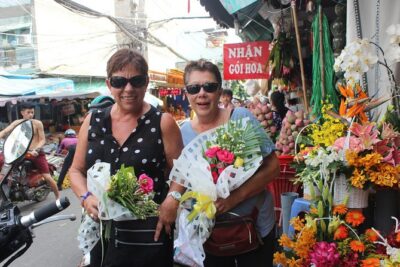
- Fresh flower market: colors, smells, and a quick reset
- Street snacks and drinks: pay as you go, and do it on your terms
- Clothing, monuments, and respect: small choice, big difference
- Getting back: your guide helps you catch a cab
- Price and value: why $6 can still feel like a serious tour
- Who this tour is for (and who should skip it)
- What you can do to make the day better
- My final take: should you book this Saigon local walking tour?
- FAQ
- Where do I meet the tour?
- How long is the walking tour?
- How much walking is involved?
- What is included in the price?
- Are street foods and drinks included?
- Is the coffee included?
- Is the tour suitable for everyone?
- What should I wear for the monument?
- Do I need to tip the guide?
- Is the tour wheelchair accessible?
Key things I’d call out before you go
- Small group (max 5) keeps the pacing friendly and questions welcome
- Guide Nana’s history stretches into local, national, and political context
- War-era stops plus the story of Thích Quảng Đức make the city’s past feel present
- Coffee is part of the plan (optional shop stop) so you can taste Saigon your way
- Street food is on you: snacks, drinks, and coffee are not included
First stop: FamilyMart in District 3 and a walking route with purpose
Meeting in the city can be chaos, but this one starts clean: you meet at FamilyMart, 199 Cách Mạng Tháng 8 street (District 3). From there, your guide leads you into nearby neighborhoods rather than sprinting from one landmark to another.
I like that the day is designed around local community stories, not just photos. You’ll walk a total of about 10,000 steps / roughly 4 km over three hours, which is very doable if you’re prepared. If you’re even a little heat-sensitive, keep reading—this is the main thing that can make or break the experience.
You can also read our reviews of more walking tours in Ho Chi Minh City



The pacing: 3 hours, about 4 km, and why heat matters in Ho Chi Minh City
This is a walking tour, not a bus ride. You’ll be outside for most of the three hours, and the itinerary includes stops that require you to pause, look, and listen.
The tour info is blunt for a reason: HCMC heat is hot and very humid. Bring sunglasses, sunscreen, a sun hat, and an umbrella. If you have trouble with heat, plan to sit this one out and pick a cooler indoor experience instead.
Also keep your health in mind. The tour is not suitable for altitude sickness, high blood pressure, or people over 70 years old. Even if you’re physically able, the climate here can be the bigger obstacle than the distance.
Thích Quảng Đức and the Burning Monk: history you understand by standing there
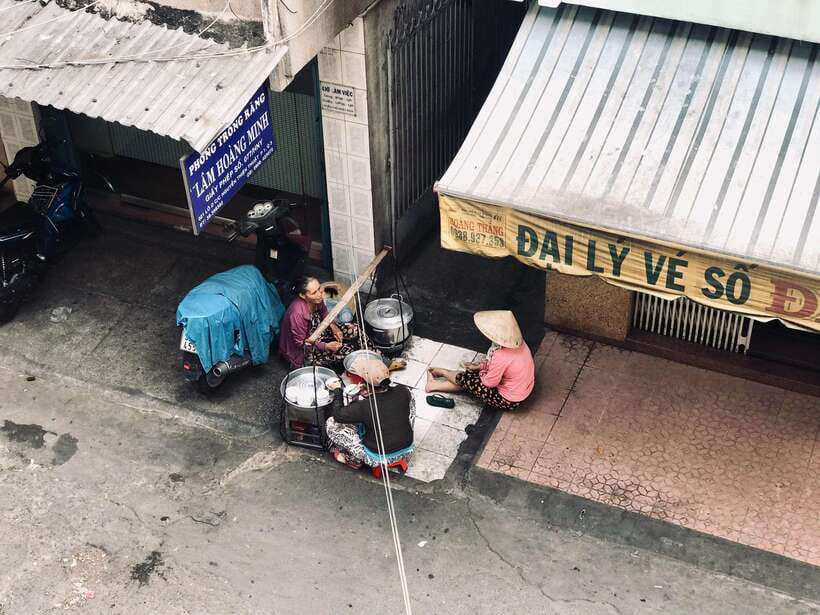
One of the centerpiece stops is the story of Thích Quảng Đức, often referred to through the Burning Monk narrative. Instead of treating it like a plaque-and-photo moment, your guide explains the historical context and what it meant for people at the time.
This is where the local-community angle really clicks. You’re not just learning an event; you’re learning why it became a turning point people still reference in everyday conversations and civic memory. Expect respectful time at the monument area, and remember the dress guidance: avoid revealing clothing to show respect for a place of worship.
If you like history with real human weight—personal motives, public impact, political pressure—this stop is one of the reasons the tour earns such high marks. It’s the kind of storytelling that makes you look at the surrounding streets differently afterward.
A “secret weapon” bunker stop: the city’s wartime layers in one visit
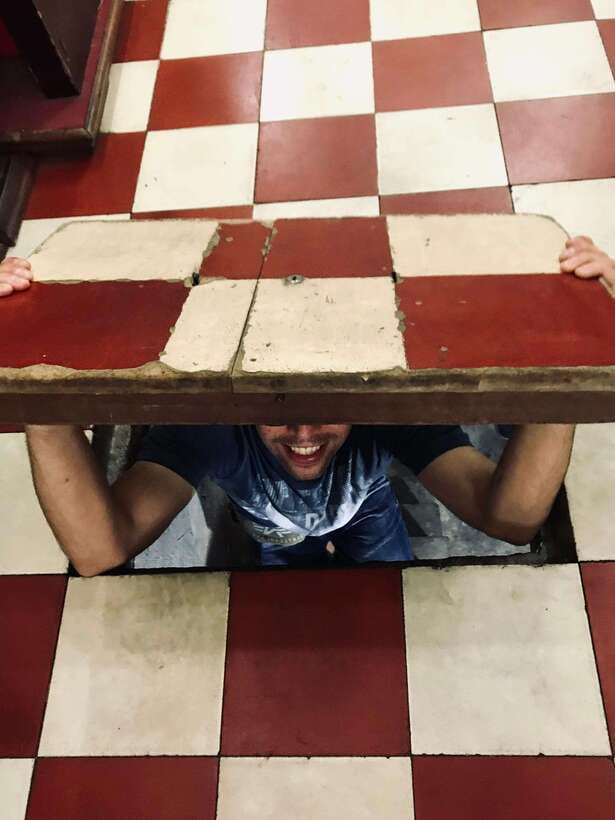
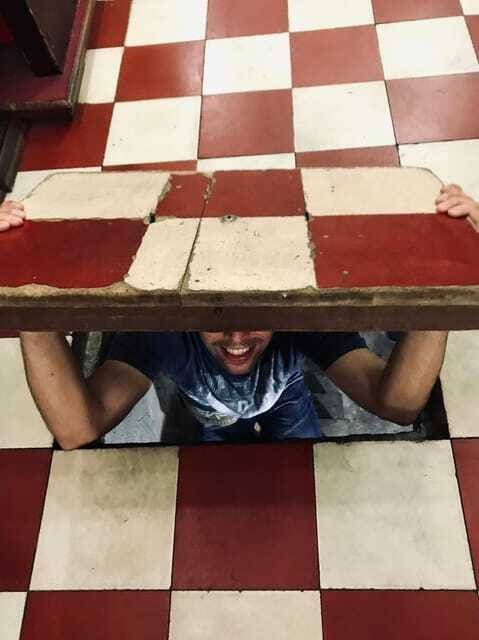
Another stop focuses on a hidden, war-era bunker connected to the city’s survival strategies. The name suggests secrecy, but what matters is the feeling: you’re seeing how conflict shaped spaces and how people adapted.
I like that this kind of stop doesn’t pretend Saigon is only modern. It shows you that the city still carries layers—sometimes literally in architecture and tunnels, sometimes in collective memory. You’ll also have at least one visit tied to a local museum, and the entrance fee for that is included in the tour price.
This part is best for travelers who want context without drowning in facts. Your guide’s style (warm, patient, and practical) helps you connect events to what you see around you now.
Local museum entrance included: when “history” actually has a room
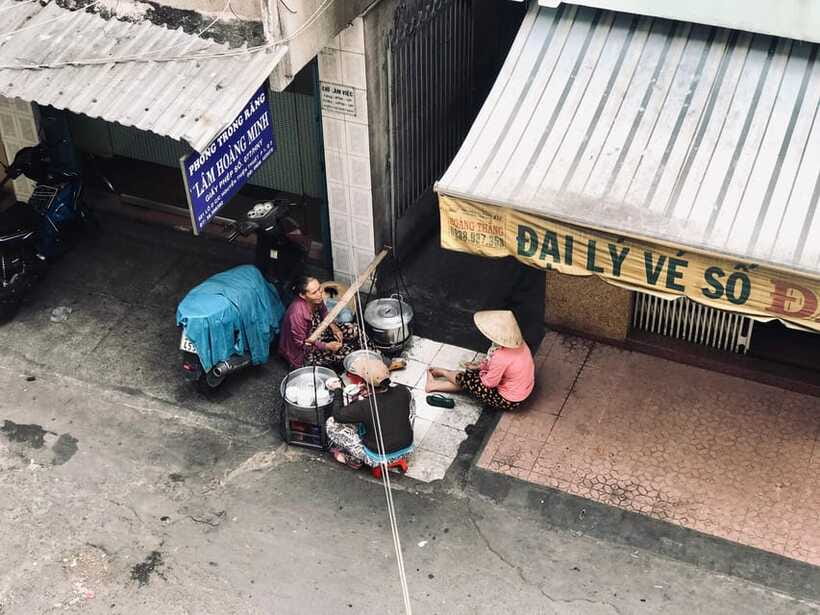
The tour includes the entrance fee to visit a local museum. That matters because it keeps you from wasting time hunting tickets or figuring out logistics mid-walk.
Inside, you’ll get more structure than at the outdoor monument stops. It’s the kind of time that balances the heat outside and turns the story into something you can reference later. If you’re the type who likes details—dates, names, cause-and-effect—this stop gives you a stronger foundation.
If you prefer only street-level sights, you might still find this useful, because it helps explain what you’ll notice later when you’re on your own.





Coffee in a local shop (optional): tasting Saigon instead of just reading about it
Yes, coffee is part of this walk. There’s an optional visit to a local coffee shop where you can enjoy Saigon-style flavors.
I enjoy coffee stops like this because they feel less like a “performance” and more like a daily ritual. You’ll see how locals order, how they talk, and how the drink fits into the neighborhood rhythm. And since it’s optional, you can skip it if you’re not in the mood—though if you are a coffee person, this is one of the easiest ways to make the tour feel more like real life.
Just plan to pay for what you order. Snacks, drinks, and coffee aren’t included.
Old apartments in Ho Chi Minh City: everyday life behind the tourist surface

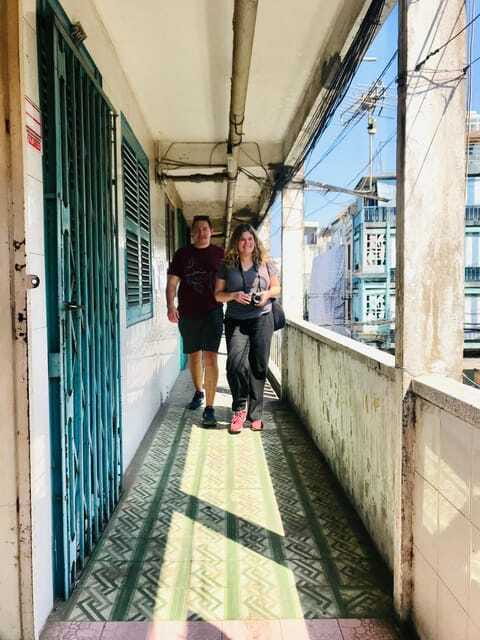
You’ll also visit an older apartment area to see how people live in the city outside the famous postcard scenes. This isn’t about big speeches or staged photo stops.
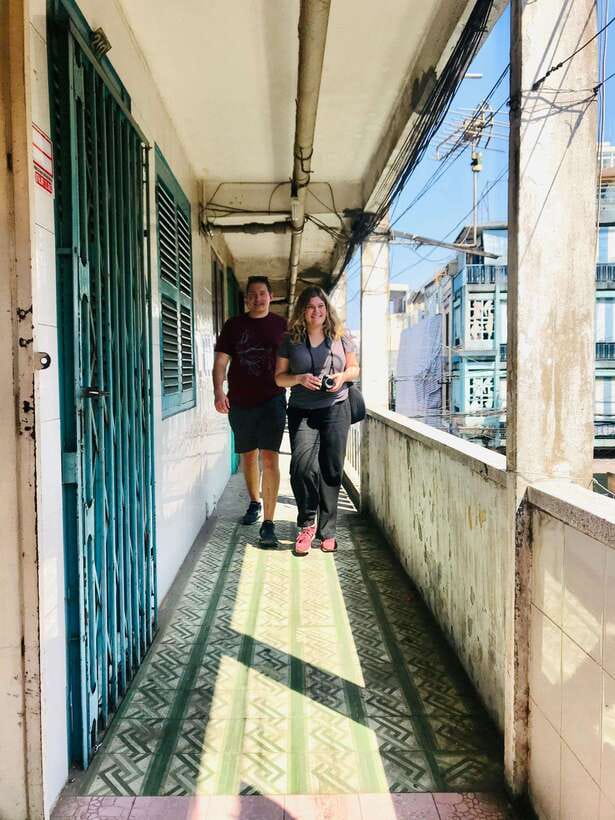
What you’re looking for is the texture: how buildings hold daily routines, how neighborhoods evolve, and how history can live side by side with everyday needs. It’s a good counterbalance to war-history stops, because it reminds you Saigon is not only a story of struggle—it’s a story of ongoing life.
The tour guide connects those observations to broader national context in a way that feels human, not academic. That’s the difference between learning and actually understanding.
Fresh flower market: colors, smells, and a quick reset
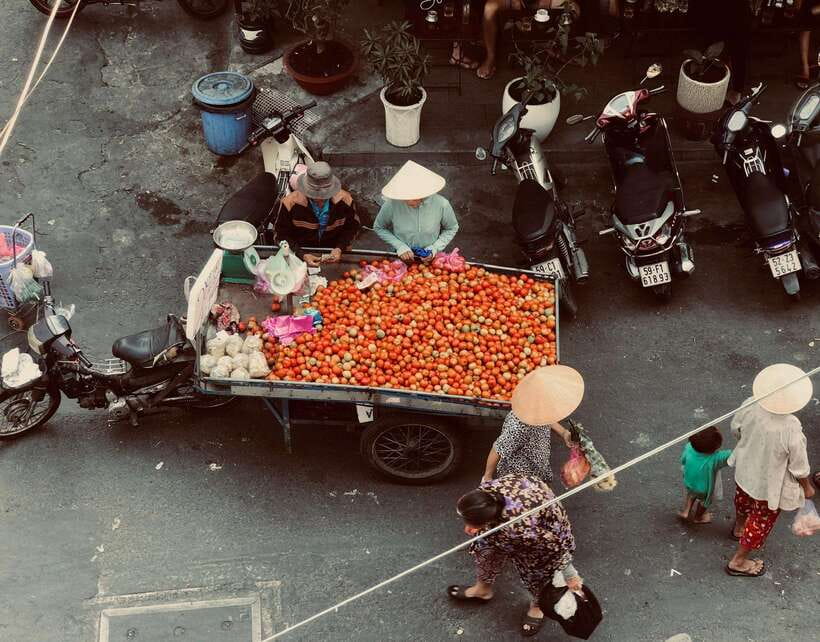
A fresh flower market stop rounds out the walk nicely. It’s lively in a very practical way—flowers moving, customers browsing, and the constant action of a working neighborhood space.
I like this part because it’s your sensory reset after heavier history. You get a different pace, a different sound, and a different kind of conversation with the guide if you ask questions. Even if you don’t buy anything, it helps you remember Saigon is also about care and daily rituals.
Street snacks and drinks: pay as you go, and do it on your terms
During the tour, you may enjoy street foods, snacks, and drinks. The key rule is also the key freedom: you pay yourself.
This is where you can match the tour to your appetite and comfort level. If you try small bites, it feels like a fun add-on instead of a full meal plan. If you want to keep your budget tight, you can skip most of it. Either way, you still get the local atmosphere and the guidance on what you’re seeing.
Clothing, monuments, and respect: small choice, big difference
One destination includes a monument and a place that asks for respect through dress. The instruction is clear: don’t wear revealing clothing there.
This isn’t just about avoiding trouble. It’s about reading the space the right way. When you show respect, people tend to respond more warmly—and you’ll feel more comfortable taking your time at the site.
Getting back: your guide helps you catch a cab
At the end, the tour finishes around 242 Cách Trần Bình Trọng, Phường 4, Quận 5. Your guide helps you take a cab back to your hotel, which is a small detail that makes a big difference in the real world.
It’s easy to feel stuck when you’re dropped in a random spot after a walk. Here, you don’t have to negotiate or figure out your ride while you’re tired from the heat.
Price and value: why $6 can still feel like a serious tour
At $6 per person for three hours, this is priced like a budget-friendly way to get local storytelling. That cost is low enough that you should treat it as a value-heavy experience rather than a premium add-on.
The included pieces matter: an English guide, plus entrance fee to a local museum stop. The real value, though, is the guide’s ability to connect what you see—war-era spaces, everyday apartments, and market life—with a clear narrative. Based on the guide style described, Nana answers questions calmly and explains history with care, including local, national, and political context.
You’ll still spend some extra money on snacks, drinks, and optional coffee. You should also plan a tip. A suggested range is $15 to $25 per person, which is the part that often brings the value closer to what you’d pay in other formats for this quality of guide time.
Who this tour is for (and who should skip it)
This walking tour is a strong fit if you:
- Want Saigon history explained in plain language
- Like small-group conversations (max 5)
- Enjoy coffee and market-life moments, not just monuments
- Prefer a route that feels more like local life than a checklist
It may not be the right fit if you:
- Struggle in extreme heat and humidity
- Need to avoid long walking days
- Have high blood pressure, altitude sickness, or are over 70
- Prefer mostly indoor stops with minimal walking
What you can do to make the day better
If you book this, you’ll have the most fun by preparing for the heat and keeping expectations realistic about walking. Here are practical moves that help:
- Wear breathable clothing that still respects monument dress rules
- Bring sunscreen and reapply if you’ll be outside a lot
- Pack water, or be ready to buy drinks during the tour
- Bring sunglasses and a hat so you’re not constantly squinting
- Have a phone charged in case you need to coordinate after the cab help
Also, show up on time. The tour leaves on time as a joined group, and the guide schedules the tour with at least three people in the group plan. When you’re punctual, the whole day runs smoother.
My final take: should you book this Saigon local walking tour?
If you want a $6 starting price that still delivers real guide storytelling, coffee moments, and a small-group feel, I think this is a smart booking. The quality hinges on the guide—especially Nana’s ability to explain history with patience—and the route avoids the most overused tourist loop.
But be honest with yourself about heat and walking. If humid heat can derail your day, choose something cooler instead. If you can handle the outdoors, you’ll walk away with Saigon that feels understood, not just photographed.
FAQ
Where do I meet the tour?
You meet at FamilyMart convenience store, 199 Cách Mạng Tháng 8 street, District 3.
How long is the walking tour?
The tour lasts 3 hours.
How much walking is involved?
You’ll walk around 4 km, roughly 10,000 steps.
What is included in the price?
Included are an English guide and entrance fees for a local museum stop.
Are street foods and drinks included?
No. Street foods, snacks, and drinks are available during the tour, but you pay for them yourself.
Is the coffee included?
Coffee in a local coffee shop is optional, and what you order would be paid by you.
Is the tour suitable for everyone?
No. It is not suitable for people with altitude sickness, people with high blood pressure, or people over 70.
What should I wear for the monument?
Avoid revealing clothing to show respect for the place of worship.
Do I need to tip the guide?
Tipping isn’t included. The suggested range is $15 to $25 per person.
Is the tour wheelchair accessible?
Yes, the tour is wheelchair accessible.