REVIEW · HO CHI MINH CITY
Mekong Delta Homestay Explore Nature 2-Day Family Tiny Garden
Book on Viator →Operated by Vietnam To Travel · Bookable on Viator
A two-day Mekong Delta homestay feels like a break from the usual script, especially when you’re staying close to the people who grow the food. I like the balance here: nature time (bicycle sunrise views and a kayaking route) plus real family contact through meals and conversation at Ben Luc’s Family Tiny Garden. One thing to weigh: the day starts early (you’ll be up at dawn), and some parts are more hands-on and social than a sit-and-watch tour.
What makes this plan stand out is how much it’s built around daily life—fruit growing, fresh cooking, and local market time—rather than only scenic stops. I also like that the group stays small (up to 12), so your questions actually get answered and you’re not lost in a crowd. The possible drawback: you may feel a little out of your comfort zone during the hour spent talking with disadvantaged children, but it’s also the most meaningful part of the experience if you show up respectfully.
The tour includes Ho Chi Minh City pickup and gets you into the countryside with an air-conditioned vehicle, then gives you room A/C back at the stay. It’s priced at $72 per person for two days, and what you’re really paying for is access—time with locals, meals, and activities that fit together without feeling rushed.
In This Review
- Key things I’d circle on your calendar
- What You’re Really Buying: a homestay built around everyday Mekong life
- Price and value: $72 for two days in the Mekong Delta
- Getting from Ho Chi Minh City to Ben Luc without stress
- Day 1 in the Ben Luc area: settling into Family Tiny Garden and getting hands-on
- Kayaking through the waterways maze: fun, scenic, and very different
- Day 2 at sunrise: bikes over rice fields, then market coffee
- The fruit tasting isn’t random: you’ll learn what you’re eating
- Traditional meals with fresh ingredients: dinner, lunch, and breakfast
- Cooking, fishing, or rice planting: join in at your comfort level
- The hour of talking with local children: meaningful, not performative
- Meet the guide: Chow’s friendly, informative style
- Who this two-day homestay suits best
- What to bring (so you enjoy it more)
- Should You Book This Mekong Delta Homestay?
- FAQ
- How long is the Mekong Delta Homestay Explore Nature 2-Day Family Tiny Garden tour?
- How much does the tour cost?
- What’s included in the price?
- Is hotel pickup included?
- What’s the group size limit?
- What activities are part of the experience besides the homestay?
- Are fruits and meals included?
- Can the tour accommodate dietary restrictions?
- What happens if weather is poor?
Key things I’d circle on your calendar
Small group (max 12): easier conversations with the household and guide.
Fruit lessons + tastings (seasonal): dragon fruit, grapefruit, guava, and mango, plus how they’re grown.
Kayaking through a waterway maze: a fun way to see the region from the inside.
Dawn sunrise bicycle ride over rice fields: early start, big payoff for views and photos.
Fresh, traditional meals: dinner and breakfast are included, with lunch during the longer day.
A focused chat hour with local children: one hour of talking, not a photo-op.
What You’re Really Buying: a homestay built around everyday Mekong life
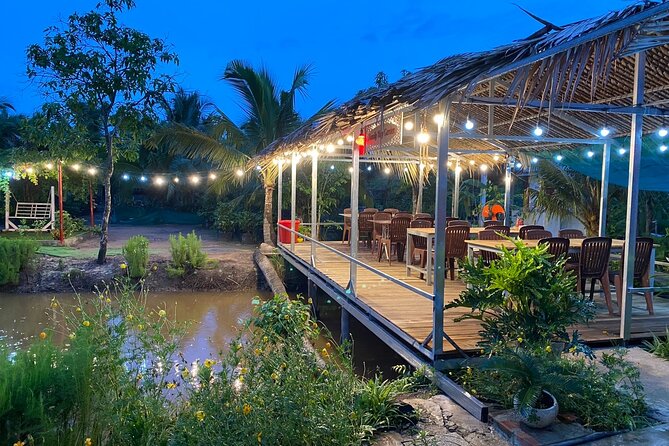
This isn’t a tour that just drops you at a viewpoint and moves on. It’s closer to a short country stay where the schedule follows how people actually live in the area. You spend time with a local household, eat food made from fresh ingredients, and you get explanations that connect the landscape to daily work—especially through the fruit garden segment.
In practical terms, you’re buying three things: time, food, and people. Most Mekong tours lean hard on boats or sightseeing. Here, you also get guided context on how fruit is cared for, plus chances to help or join in (like cooking, fishing, or rice planting, depending on what’s available).
And because the group is capped at 12 travelers, you’re more likely to have real back-and-forth conversations—exactly what you want if your goal is to understand culture, not just check boxes.
You can also read our reviews of more tours and experiences in Ho Chi Minh City
Price and value: $72 for two days in the Mekong Delta
At $72 per person, this sits in the “value” zone for a two-day homestay experience—especially because the included list is more than a basic bus-and-ticket combo. You’re getting:
- Dinner and breakfast (with lunch included as well)
- Air-conditioned transport
- Use of a bicycle
- A room with A/C
- A kayaking adventure
- Group structure that supports conversation
You’ll notice what’s missing: there’s no buffet of paid attractions here. The value is in local access and in activities that are usually the most memorable part of Mekong trips—water time and dawn views.
If you’re the kind of traveler who likes authenticity and interaction (rather than only shopping stops), the price makes sense. If you expect a full day of downtime with lots of free time, you might find the schedule a bit full—this is an active two days.
Getting from Ho Chi Minh City to Ben Luc without stress
Your day starts in Ho Chi Minh City with pickup from the center area, around 7:40 to 8:00am. The tour uses an air-conditioned vehicle, which matters here because you’re going out from the city to countryside rhythms.
The key practical benefit is simplicity: you don’t have to coordinate your own transport, and the guide is already in the mix to share cultural, historical, and ecological context as you ride out. That narration is part of what makes the trip feel connected—by the time you reach the Ben Luc area, you’re not guessing what you’re seeing.
Because the tour ends back at the meeting point, you also don’t have to plan a second return transfer. That’s a small thing, but it reduces travel stress a lot.
Day 1 in the Ben Luc area: settling into Family Tiny Garden and getting hands-on
Day 1 is about transition and bonding. After pickup, you travel toward Ben Luc and then settle into the Family Tiny Garden homestay setting. This is where the tour starts to feel more like a family visit than a classic day trip.
From the overview, Day 1 includes the kinds of activities that make a homestay worthwhile:
- Learning about growing and caring for natural fruit
- Tasting seasonal fruit such as dragon fruit, grapefruit, guava, and mango
- Enjoying traditional meals prepared with fresh ingredients
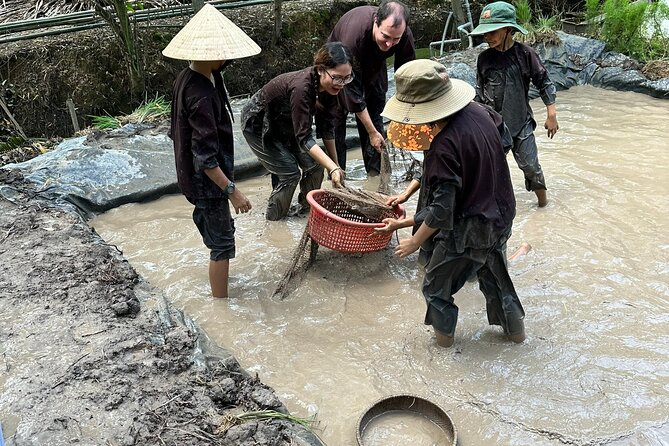
- Joining in experiences like cooking, fishing, or rice planting (the exact mix can vary based on what’s available)
I like that the fruit segment isn’t just about tasting. You get an explanation of the process—so even if you’re not buying anything or taking a farm tour souvenir, you come away with a clearer picture of how food and land connect here.
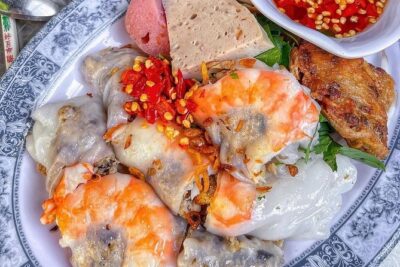
The food matters too. Dinner is included, and meals are described as traditional and made with fresh ingredients. In places like this, food is often the easiest way to understand local habits—what’s in season, what’s practical, and how families plan their day.
Potential drawback for Day 1: it can feel busy even though it’s a “homestay” experience. You’ll likely be moving through several activities before you get full downtime. If you want a quiet weekend and nothing scheduled, this might be a bit more active than you expect.
Kayaking through the waterways maze: fun, scenic, and very different
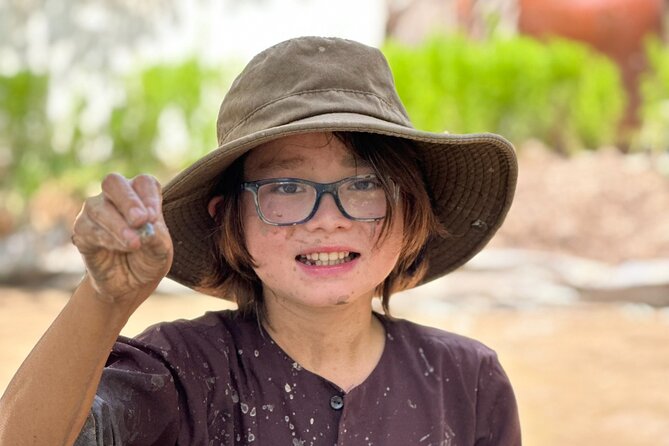
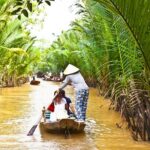
One of the highlights listed is a kayaking adventure through a maze of waterways. This is the kind of activity that gives you a new angle on the Mekong Delta—less about looking at the region from the shore and more about passing through the water network that supports daily life.
Why it works especially well on a homestay trip:
- It matches the theme of the countryside you’re already living in
- It’s a change of pace from farm and kitchen time
- It’s a “small effort, big reward” activity when the route is navigated for you
Practical advice: wear something you don’t mind getting damp and plan for a bit of spray. Bring a small waterproof pouch for your phone if you’re worried about water exposure. The tour includes the kayaking itself, so you’re not piecing together extra rentals.

Day 2 at sunrise: bikes over rice fields, then market coffee
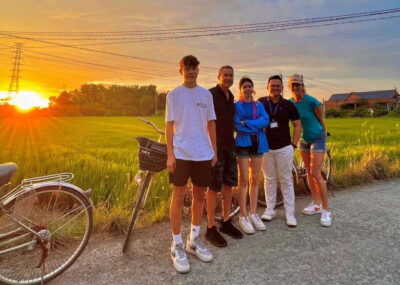
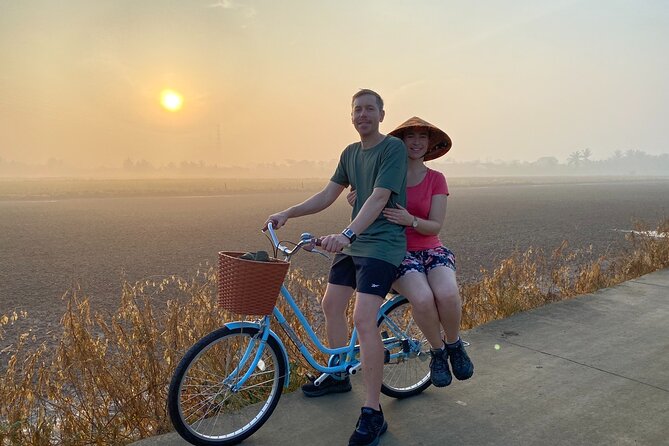
Day 2 begins early—around 5:30am—when you wake up to ride bicycles to watch the sunrise over the rice fields. This is one of those moments that can make the whole trip feel special, because the early light changes the mood of the countryside.
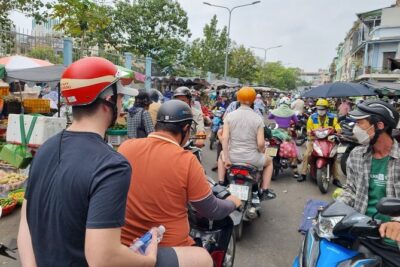
After the sunrise and bike ride, the plan shifts to countryside exploration, then to a local market. You’ll have coffee there and a breakfast afterward, so you’re not just “up early and left alone.” There’s a payoff built into the schedule.
What I like about this sequence is that it’s not only for photos. You also get to see how the morning market fits into daily life and how the countryside looks before heat and crowds take over.
Possible consideration: this is a dawn-oriented plan. If you’re a late-night person, you’ll want to treat the first evening like an early bedtime. The schedule is tight enough that skipping sleep will make everything feel harder.
The fruit tasting isn’t random: you’ll learn what you’re eating
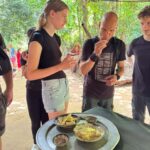
The fruit segment is one of the clearest “why this tour” details. You’ll taste specialty fruits including dragon fruit, grapefruit, guava, and mango (seasonal), and you’ll get an explanation from the guide about how they’re grown and cared for.
That’s not just educational fluff. It makes your tasting feel connected. Instead of sampling flavors with no context, you’re learning what each fruit represents in the local food cycle—what’s available seasonally and why care practices matter.
Also, it’s a nice change from “museum learning.” Here, the knowledge is tied to what’s right in front of you: garden work, fresh ingredients, and the rhythm of farming life.
Traditional meals with fresh ingredients: dinner, lunch, and breakfast
Meals are a big part of the included value. You get:
- Dinner
- Lunch (twice is listed in the included section)
- Breakfast
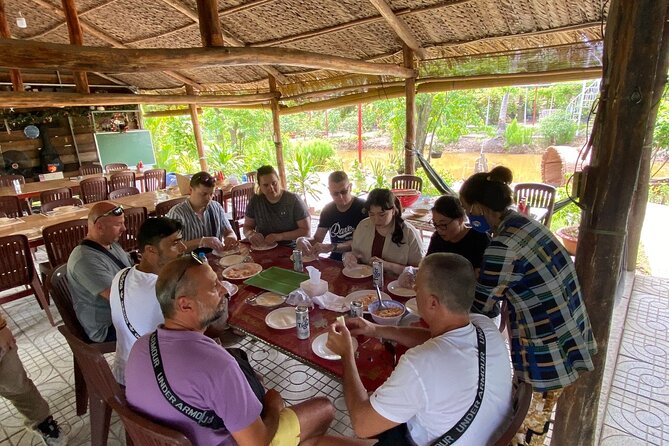
The meals are described as traditional and made with fresh ingredients. That matters because it changes how you experience the homestay: you’re not eating just to fill a stomach—you’re partaking in local routines.
One practical plus: the tour says it can accommodate dietary restrictions such as vegetarian, vegan, and gluten-free if you indicate them when booking. If you have specific needs, it’s worth confirming early so your meals match your requirements without last-minute stress.
Cooking, fishing, or rice planting: join in at your comfort level
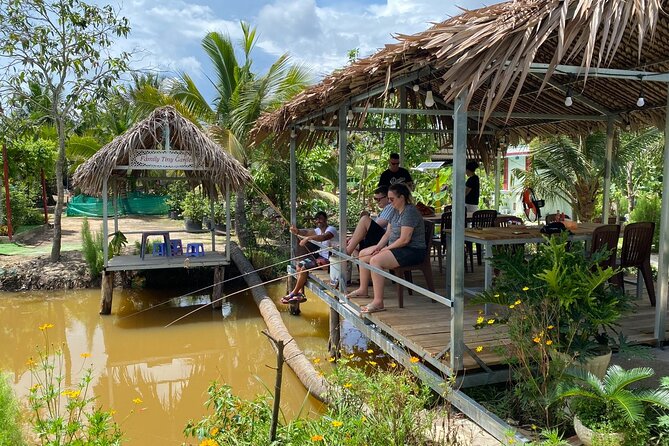
The overview includes several hands-on options: cooking, fishing, or rice planting. Not every participant will do every activity the same way, but the key idea is that you can interact instead of only watching.
If you like experiences where you can learn by doing, this is a good fit. If you’re more reserved, you can still participate by asking questions and helping with simple tasks—often that’s enough to feel involved without turning it into a demanding workout.
This is also where the small group format helps again. With fewer people around, it’s easier to get guidance and learn what matters.
The hour of talking with local children: meaningful, not performative
One of the most distinctive parts is spending about an hour talking with disadvantaged children in the local area. This isn’t described as a donation drop-off or a photo moment. It’s framed as conversation—sharing stories and connecting face to face.
How to make it go well:
- Keep your tone respectful and calm
- Ask simple questions and listen
- Avoid treating the time like a staged interaction
If you handle social situations with patience, this part can be powerful. If you’re someone who dislikes emotionally intense interactions, you might find it harder. But it’s a big reason this tour feels more human than many purely scenic alternatives.
Meet the guide: Chow’s friendly, informative style
The guide name that stands out in feedback is Chow. People describe Chow as amazing—friendly and informative—and that’s exactly what you want for a trip like this. In a homestay setting, the guide is the translator of meaning: what you’re seeing, why it matters, and how the household life connects to the land.
A good guide also helps keep activities aligned with what’s actually happening in the area. That’s often the difference between “we did the thing” and “we understood the thing.”
Who this two-day homestay suits best
This tour fits best if you want:
- Small-group travel where you talk with locals, not just share photos
- A mix of nature and culture (bikes at sunrise, kayaking, market time)
- Traditional meals and fruit tastings with real context
- A schedule that feels active but not chaotic
- A family-style homestay setting at Family Tiny Garden
It may not be your best choice if:
- You want lots of free time and minimal social interaction
- You prefer tours that are strictly structured around landmarks
- Early mornings aren’t your thing (Day 2 starts at 5:30am)
What to bring (so you enjoy it more)
The tour uses bicycles and kayaking, and it depends on good weather. I’d pack like you’re doing a light outdoor weekend:
- A light layer for morning air
- Sunscreen and a hat for rice-field bike time
- Shoes that can handle damp conditions
- A small waterproof bag for your phone/cash
- Any dietary needs clearly written out when you book
If you’re sensitive to early starts, plan your sleep schedule before you go. It’s the easiest way to keep the sunrise day enjoyable.
Should You Book This Mekong Delta Homestay?
I’d book it if you’re aiming for a Mekong experience that feels personal: food, fruit learning, kayaking, and conversations in a small group. The $72 price becomes easier to justify once you think of what’s included—meals, transportation, A/C room, bicycle time, and kayaking—plus the cultural focus on households and conversation.
I’d hesitate if you dislike dawn starts or if you’re not comfortable with the hour of talking with local children. But if you show up with respect and curiosity, this kind of interaction is usually the part you remember long after the photos.
FAQ
How long is the Mekong Delta Homestay Explore Nature 2-Day Family Tiny Garden tour?
It runs for 2 days (about 2 days and 1 night).
How much does the tour cost?
The price is $72.00 per person.
What’s included in the price?
The tour includes dinner, breakfast, lunch (2), air-conditioned vehicle, use of bicycle, room A/C, and a kayaking adventure through a maze of waterways.
Is hotel pickup included?
Yes, pickup is offered from a hotel in the center of Ho Chi Minh City (around 7:40 to 8:00am).
What’s the group size limit?
The maximum group size is 12 travelers.
What activities are part of the experience besides the homestay?
You’ll have time for fruit tasting and learning, traditional meals, and activities that can include cooking, fishing, or rice planting. You’ll also do kayaking and a bicycle ride for sunrise views.
Are fruits and meals included?
Yes. You’ll taste specialty fruits such as dragon fruit, grapefruit, guava, and mango (seasonal). Dinner and breakfast are included, plus lunch.
Can the tour accommodate dietary restrictions?
Yes. Vegetarian, vegan, gluten-free, and other dietary restrictions can be accommodated if you indicate them when booking.
What happens if weather is poor?
The experience requires good weather. If it’s canceled due to poor weather, you’ll be offered a different date or a full refund.