REVIEW · HO CHI MINH CITY
Mekong Delta 2-Day Tour: Floating Markets & Cultural Exploration
Book on Viator →Operated by TNK Travel · Bookable on Viator
Somewhere between riverside life and modern change, the Mekong slows you down. This two-day trip out of Ho Chi Minh City mixes Cai Be village sights, canal travel, and the Cai Rang floating market with temple and craft stops in a small group. You also get hands-on food time, including fruit, honey tea, and cooking moments that feel more practical than photo-only.
I like the focus on how locals actually live and trade—Cai Be and Cai Rang are shown as river communities, not just scenery. I also really like the human factor: the guides get called out by name, including Slim and Tom, and their English skills and local explanations come through. The main drawback to plan for is that the day can feel a little fast at times, and pickup may not work smoothly if your hotel is outside the operator’s easy pickup zone.
In This Review
- Key Highlights at a Glance
- Why This Mekong Delta Overnight Works From Ho Chi Minh City
- Day 1: Cai Be, Old Houses, Coconut Sweets, and Canal Quiet
- Stop at Cai Be: the boat view that explains the delta
- Nhà cổ Ông Kiệt: an antique house designed for floods
- Tan Phong confectionery: coconut sweets and rice popcorn
- Upper canal time: palms, lilies, and slow water
- Day 1 Food Focus: A Cooking Class That Actually Teaches
- Bicycle ride after lunch: where you see ordinary life
- Day 1 Sunset Boat Ride and Transfer to Can Tho
- Day 2: Cai Rang Floating Market Early, With Noodles and Temples
- Noodle factory stop: how simple ingredients become staple food
- Munir Ansay Pagoda: Khmer artistry in the Mekong Delta
- Con Son Island: Eco-Story Crafts, Fruit Orchard Tasting, and Cake Workshop
- Fruit tasting with a seasonal reality check
- Why Con Son tends to be a standout
- Price and Logistics: Is $119 Good Value?
- The pickup reality check (important)
- Group size: small, but check the cap
- Should You Book This Mekong Delta 2-Day Tour?
- FAQ
- What time does the tour start and where is the meeting point?
- Where does the tour end?
- How long is the Mekong Delta 2-day tour?
- Is pickup included, and are there extra charges?
- What’s included in the price?
- What is not included?
- What about hotel style and room sharing?
- Is this tour suitable for children or people with mobility/health concerns?
- How does cancellation work?
- Does the tour ever cost more on certain dates?
Key Highlights at a Glance
- Cai Be by boat and on land: river commerce, fruit orchards, and an old house preserved for floods and heat.
- Small-group feel: capped in the materials at up to 15, with a maximum size stated as 25.
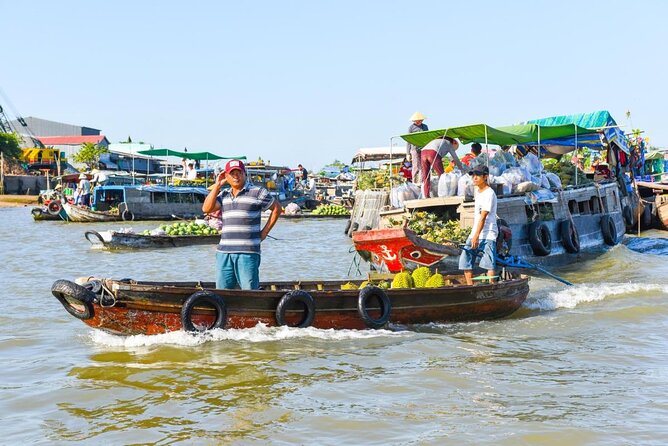
- Cai Rang floating market in the right time window: you see sellers working from boats on the Bassac River.
- Food you can name later: honey tea, tropical fruit tasting, and cooking/class moments (including rice noodles and cake-making).
- Khmer temple visit: Munir Ansay Pagoda adds a different cultural layer beyond mainstream Vietnam temples.
- Con Son eco-and-family crafts: hands-on cake making plus an orchard walk where you taste seasonal fruits.
Why This Mekong Delta Overnight Works From Ho Chi Minh City
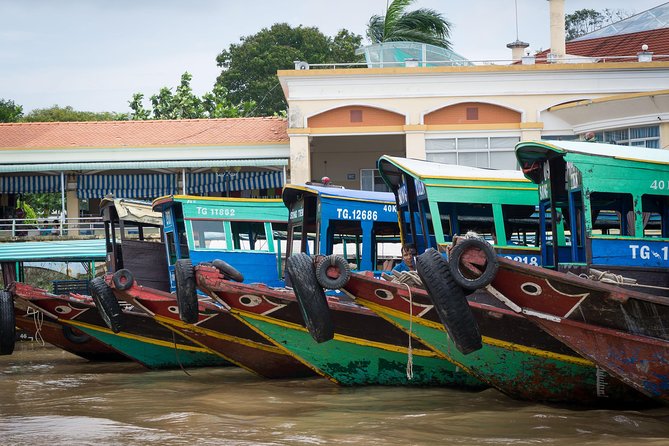
The Mekong Delta is big. If you only try to do it as a day trip, you end up spending half your time on the road and the rest trying to cram everything into daylight.
This tour’s two-day rhythm solves that. You start early from Ho Chi Minh City, move through the Cai Be area on Day 1, sleep in the region (basic shared accommodation in a twin/double setup), then shift to Cai Rang on Day 2. That overnight is what lets you see the markets at workable times and still have time for cooking and village-style stops.
It’s also good that the program is not just one long boat ride. You get a mix: canals, a traditional noodle-making look, a family confectionery stop, and a bicycle ride later in the day. That variety matters because it gives you a fuller sense of how river life connects to orchards, food, and small businesses.
You can also read our reviews of more tours and experiences in Ho Chi Minh City

Day 1: Cai Be, Old Houses, Coconut Sweets, and Canal Quiet
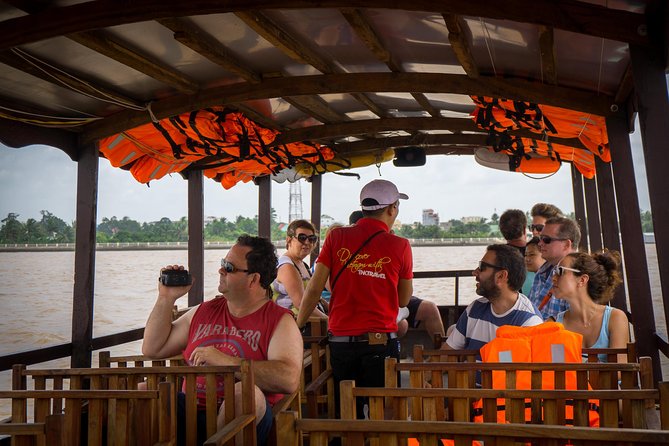
Day 1 starts with a morning pickup from the tour’s meeting point in District 1 at 112 Đ. Trần Hưng Đạo, Phường Phạm Ngũ Lão, Quận 1. From there, you’re transported toward the Cai Be area and introduced to the delta as both tradition and ongoing everyday life. The materials are honest about a key change: classic floating market routines have weakened due to urbanization, so you’re not chasing a vanished postcard—you’re seeing what still functions, and what has adapted.
Stop at Cai Be: the boat view that explains the delta
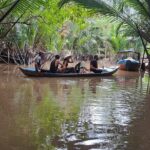
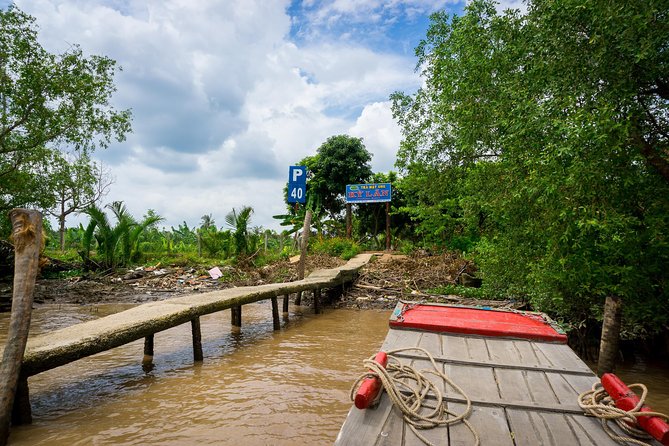
Once you arrive, the cruise on the Tien River is the first “aha” moment. You see how commerce used to work and how river trade continues today, even if the old wholesale intensity has changed. The scenery also does its job: fruit orchards line the water, and that single detail helps explain why the Mekong is more than boats—it’s agriculture feeding a whole network.
What I like about this part is the pace. It’s not a sprint where the guide only points and moves on. You get enough time to watch how riverbanks look in real life, not just from the edge of a dock.
Nhà cổ Ông Kiệt: an antique house designed for floods
Next comes Nhà cổ Ông Kiệt, a preserved antique home in a Mekong delta village setting. The big value here is practical architecture. You’ll notice how wooden construction, courtyards, and room layout are designed to handle heat and flooding in a tropical river region.
You’ll also hear how these spaces reflect merchant family prosperity, with family shrines, antique furnishings, and heirloom-style items connected to everyday spiritual and economic life. The time is short (around 30 minutes), but it’s one of those stops that quietly changes how you see everything else.
Tan Phong confectionery: coconut sweets and rice popcorn
Tan Phong adds food craft. You’ll see a family-run operation making coconut sweets and rice popcorn, with samples that are meant to be eaten warm. Local folk melodies reportedly play in the background, which turns it into something closer to a living workshop than a “look and leave” stop.
The smart move for you here is to pay attention to what’s seasonal. The program mentions tropical fruit tastes alongside the sweets, so this is one of those moments where the delta’s farm cycle directly shows up on your plate.

Upper canal time: palms, lilies, and slow water
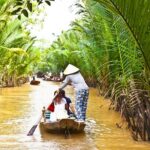
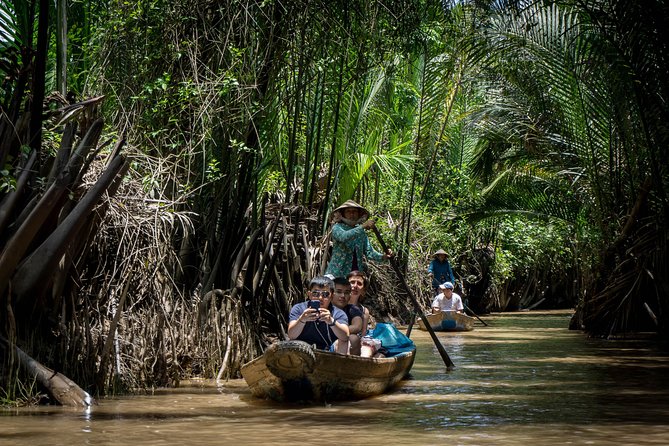
After the sweets, you shift to narrower canals. Think water coconut palms and water lilies along quieter waterways, and a more relaxed boat-and-walk feel compared to busier river segments.
This part is ideal if you want a break from constant movement. It’s also a good chance to reset your camera habits—slow canals make you want to stop and actually look.
Day 1 Food Focus: A Cooking Class That Actually Teaches
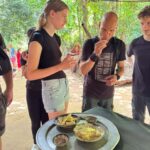
Day 1 includes a midday meal in a garden setting with tropical fruits and herbs. The program is described as a hands-on cooking class first, followed by a shared feast. That structure is valuable because you’re not only tasting—you’re learning the logic behind the food.
You’re taught elements like spring roll creation and rice paper handling, plus how herb and spice mixing works. Since the guide shares what’s been passed down over generations, it helps you understand why the flavors feel the way they do rather than treating it as a list of ingredients.
Bicycle ride after lunch: where you see ordinary life
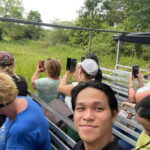
Then comes a post-meal bicycle ride on dirt trails around the island countryside. This is where the tour gets more “human” in a way you can’t get from a vehicle window. You may see farmers at work, children playing, and artisans doing crafts. You’ll also get unplanned small moments—friendly greetings and quick conversations that don’t require perfect language.
The caution: dirt-trail cycling isn’t described in technical detail. If you’re prone to motion discomfort or you’re not used to uneven surfaces, you’ll want to go steady and bring a little extra patience.
Day 1 Sunset Boat Ride and Transfer to Can Tho
As the sun drops, you take a tranquil boat ride back to Cai Be. After that, a private car transfer brings you to Can Tho City for hotel check-in.
This evening is intentionally lighter. You can stroll around the riverside, eat on your own at local spots, or just rest up. For many people, that rest is what makes Day 2 feel enjoyable rather than tiring.
One practical note: return timing is subject to traffic conditions. The program says the operator isn’t responsible for delays, so you should keep your evening plans flexible if you’re connecting onward.
Day 2: Cai Rang Floating Market Early, With Noodles and Temples
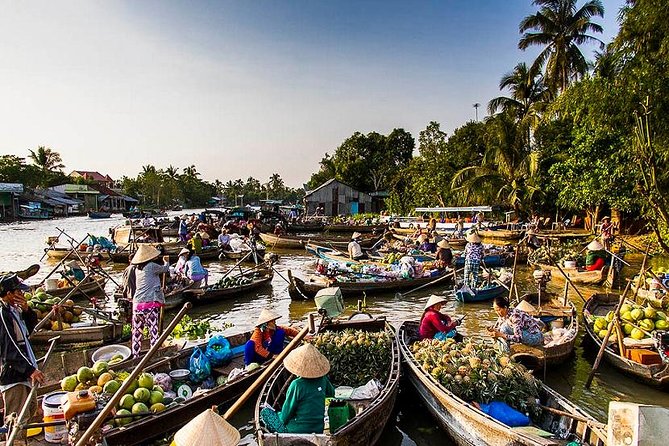
Day 2 starts after breakfast with a boat excursion along the Bassac River to the Cai Rang floating market area. The key idea is timing. Floating markets work best when the market is waking up and sellers are actively arranging goods.
At Cai Rang, you’ll see vendors displaying products from boats, with calls and sample poles marking what’s for sale. You’ll get a sense of the trading flow: fresh produce and household necessities moving through river lanes in a way that feels physical, not staged.
This is the part of the day most people plan around. If you only want one “must-do,” it’s Cai Rang. It’s also the stop where having a guide matters, because explanations help you read what you’re seeing quickly.
Noodle factory stop: how simple ingredients become staple food
Right after the market, you visit a traditional noodle factory to see rice noodles made from raw ingredients to finished product. Even if you’ve had noodles before, the viewing angle is different: you see the steps and the tools involved, which makes Vietnamese cooking feel less like mystery and more like craft.
The time is short, but it’s one of the program’s most useful “transferable knowledge” stops. You’ll probably look at noodles differently afterward.
Munir Ansay Pagoda: Khmer artistry in the Mekong Delta
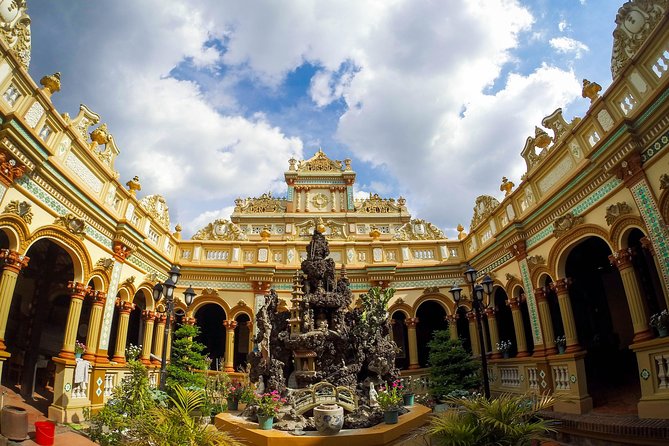
Then you head to Munir Ansay Khmer Buddhist Temple (pagoda). This temple is a cultural change of pace: Khmer artistry, murals that tell Buddhist tales, and detailed carvings and columns.
The guide is meant to explain the temple’s historical and community importance. It’s a fast stop, but it adds balance. Not every Mekong tour includes this Khmer layer, so you don’t leave thinking the delta is only one cultural story.
Con Son Island: Eco-Story Crafts, Fruit Orchard Tasting, and Cake Workshop
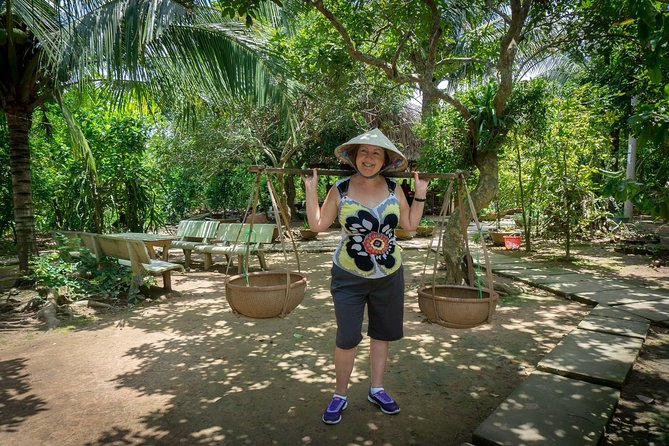
Con Son (Cồn Sơn / Con Son) is one of the reasons this tour earns strong ratings. The program describes community-led eco-conscious tourism and family-run craft preservation using sustainable methods.
You’ll do a workshop where you learn Mekong Delta cake-making, guided by local artisans. The focus here is hands-on learning, not just watching from a distance. You also get a fruit orchard exploration tied to seasonal produce.
Fruit tasting with a seasonal reality check
The itinerary notes that fruits like durian, mangosteen, longan, and rambutan may appear depending on season. You’ll taste freshly harvested fruits while learning about community agricultural practices, including avoiding harmful chemicals and conserving water.
Even if you’re not a fruit expert, it helps you connect the dots between the orchard economy and the river trade you saw earlier. The Mekong isn’t only about boat routes—it’s about what grows and how people turn harvest into income.
Why Con Son tends to be a standout
In the feedback people mention the Con Son segment and the local guiding aspect specifically, and the structure matches why. You get a craft lesson plus orchard walk, which hits both “learn” and “taste” in one block. That’s a better combo than doing only scenic stops.
Price and Logistics: Is $119 Good Value?
At $119 per person, the value depends on what you care about most. This price includes breakfast and two lunches, plus the boat trips, mineral water, an English-speaking guide, and basic twin/double shared accommodation (for one night in the region).
So you’re not just paying for transportation to the delta. You’re paying for:
- an organized route across multiple stops,
- access to boat segments,
- guide interpretation (the difference between seeing and understanding),
- and at least some paid components like admissions (the antique house and noodle market segment are indicated as included).
If you tried to copy this on your own, you’d likely spend money on multiple boat hires plus a night in Can Tho and still need local guidance. Here, the structure is doing the heavy lifting for you.
The pickup reality check (important)
Pickup is offered, but the fine print matters. There’s an extra surcharge mentioned for pickup outside District 1, and the operator may not be able to pick you up in some streets within District 1 due to traffic rules.
The feedback also highlights cases where a promised pickup in District 2 was not possible, forcing a taxi. My practical advice: confirm pickup details early, especially if you’re staying outside District 1. Don’t assume a hotel name equals a guaranteed pickup.
Group size: small, but check the cap
You’ll see two different caps in the tour materials: one says capped at 15 people and another says maximum 25 travelers. Either way, the group is kept limited, which usually helps the guide manage the pace and questions. Just know it can vary by date.
Should You Book This Mekong Delta 2-Day Tour?
You should book if you want a balanced delta mix: floating market action, village-life stops, a Khmer temple, and food learning that’s more than just sampling. It’s especially a good match if you like having an organized plan that still leaves room for quiet moments like canals and a dirt-trail bike ride.
You might skip it if you’re very sensitive to schedule pressure. One downside that shows up in feedback is that parts can feel rushed, and some stops may feel more like “for visitors” moments than purely local life. If you want a slower, less structured day, you could feel the tour trying to cover everything within tight time blocks.
If you book anyway, do this to make it work for you:
- confirm pickup feasibility for your exact hotel location,
- wear comfortable shoes for boats and short walks,
- and treat food and craft stops as the highlight rather than rushing to collect photos.
FAQ
What time does the tour start and where is the meeting point?
The tour starts at 7:30 am. The meeting point is 112 Đ. Trần Hưng Đạo, Phường Phạm Ngũ Lão, Quận 1, Hồ Chí Minh, Vietnam.
Where does the tour end?
This activity ends back at the meeting point in Ho Chi Minh City.
How long is the Mekong Delta 2-day tour?
It’s listed as 2 days (approx.).
Is pickup included, and are there extra charges?
Pickup is offered. If your hotel is outside District 1, an extra surcharge may apply. For some centrally located hotels where pickup and transfer aren’t possible due to traffic rules, you may need to contact the local supplier for support.
What’s included in the price?
Included items are breakfast, accommodation based on twin or double room share (basic), air-conditioned vehicle, boat trip, an English speaking guide, mineral water, and lunch (2).
What is not included?
Not included are other meals not mentioned, personal expenses, tax and tip, and travel insurance.
What about hotel style and room sharing?
Accommodation is basic and offered as twin or double/room share.
Is this tour suitable for children or people with mobility/health concerns?
Children must be accompanied by an adult, and child rate applies only when sharing with 2 paying adults; otherwise a surcharge may apply. The tour is not available for people with heart problems and it’s not available for the handicapped.
How does cancellation work?
You can cancel for a full refund up to 24 hours in advance. If you cancel less than 24 hours before the start time, the amount isn’t refunded. The tour can also be canceled due to poor weather, with an alternate date or full refund.
Does the tour ever cost more on certain dates?
Yes. There’s an extra charge of 200,000 VND per person for travel on 07th April 2025, 30th April – 01st May 2025, and 01st – 02nd September 2025, paid directly on-site.