REVIEW · HO CHI MINH CITY
Mekong Delta 2 Days: Floating Markets & Cultural Exploration
Book on GetYourGuide →Operated by SUN INDOCHINA TRAVEL · Bookable on GetYourGuide
One early start changes everything: the Mekong isn’t a postcard. This Mekong Delta 2 Days trip lines up two big hits—Vinh Trang Pagoda and the floating market culture—so you see how daily life moves by river, not road. I especially like the mix of spiritual landmark time, then very hands-on village crafts, then a real market morning.
The one thing to keep in mind is that the depth of explanations can vary a bit by guide. You’ll still get the sights, and the schedule is solid, but if you want lots of extra context, you may need to ask direct questions.
In This Review
- Key Highlights You’ll Actually Feel
- Day 1: Saigon to My Tho and Vinh Trang Pagoda
- Ben Tre Coconut Candy: A Craft That Becomes Snack Time
- Rowing Through Nipa Palms: The Mekong’s Quiet Side
- Lunch and a Countryside Loop Around Con Phung
- Arriving in Can Tho: Check In, Then Let the Night Work for You
- Day 2: Cai Rang Floating Market in the Morning
- Orchard Time and a Cooler Pace
- Noodle Oven Stop and the Noodle Pizza Option
- Price and Logistics: Is $98 Good Value?
- Group vs Private: Which One Fits Your Style?
- Who Should Book This Mekong Delta Tour
- Should You Book Mekong Delta 2 Days: Floating Markets & Cultural Exploration?
- FAQ
- How long is the Mekong Delta tour?
- What meals are included?
- What’s included for transportation and the guide?
- Are tickets and boat rides included?
- Can I choose a group tour or a private tour?
- Is there an extra cost for a single room?
Key Highlights You’ll Actually Feel
- Early floating market timing on the Cai Rang river traders schedule, when the action is at its best
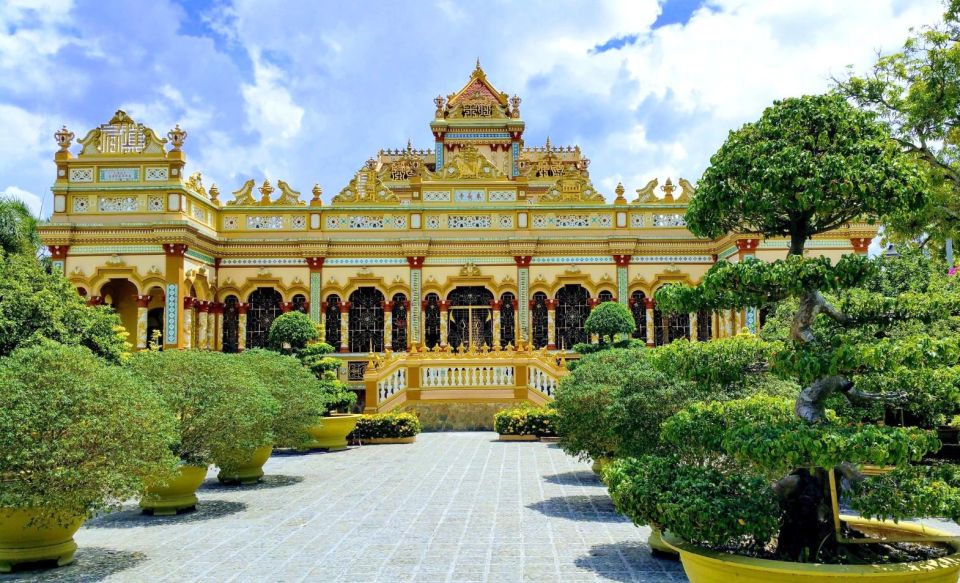
- Vinh Trang Pagoda’s unusual architecture that blends Asian and European styles in one place
- Ben Tre coconut candy workshop where you can watch a local craft become snack-time
- Rowing through shaded canals along nipa palms while seasonal fruit and folk music float by
- A noodle oven stop that turns eating into a mini show, with local favorites you can try for extra cost
- Comfort perks like air-conditioned minivans and bottled water, plus a standard hotel for 1 night
Day 1: Saigon to My Tho and Vinh Trang Pagoda
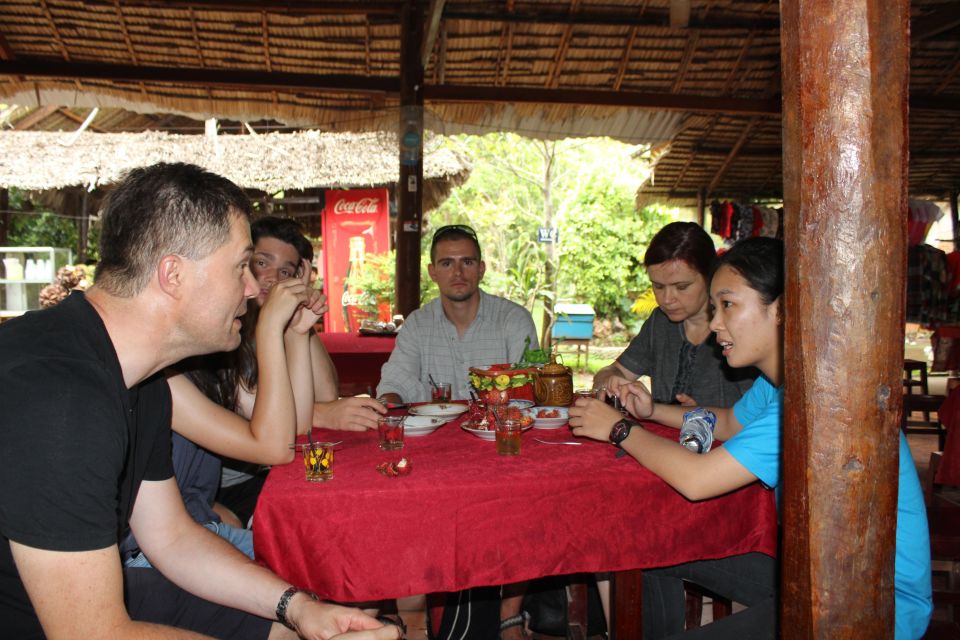
Day 1 starts with a pickup in central Ho Chi Minh City and a drive into the Mekong Delta region. The ride isn’t just travel time; it’s part of the experience, because you’re watching the landscape loosen up from city pace to river pace. You’ll also have an English-speaking guide, so you’re not left guessing what you’re seeing.
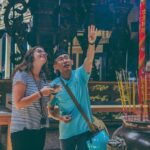
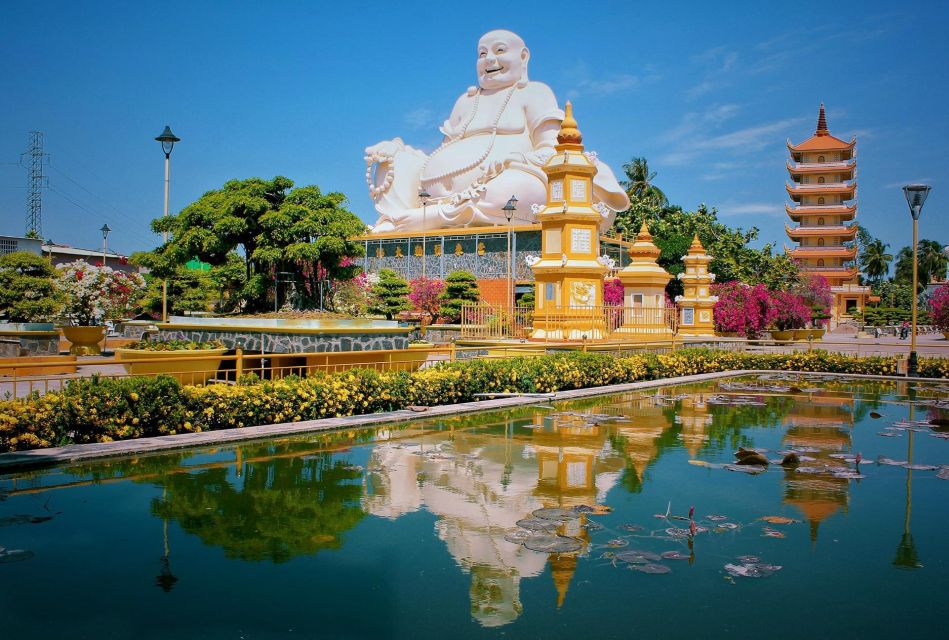
My first must-do stop is Vinh Trang Pagoda. It’s described as one of the largest temples in Tien Giang province, and what makes it memorable is the architectural mix. You’ll notice Asian and European elements in the way the complex is put together, which gives you that rare effect of a temple that doesn’t look like one single style. It’s also a good “reset moment” before the day turns into rivercraft and snacks.
Practical note: you’ll want comfortable shoes here. Pagoda grounds can involve walking on uneven surfaces, and you don’t want to spend energy negotiating your feet instead of taking in the details.
You can also read our reviews of more tours and experiences in Ho Chi Minh City
Ben Tre Coconut Candy: A Craft That Becomes Snack Time
After the temple, you head to the pier and board a cruise to Ben Tre along the Tien River. This is the part of the day where the tour shifts from sightseeing to watching how something is made. The stop at the coconut candy production facility is a highlight because it’s local, edible, and straightforward.
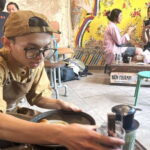
What you’ll do here is watch the process that turns coconut into a well-known regional specialty. Ben Tre coconut candy is more than a sweet souvenir. It’s also a craft tied to how people in the area work with what the land grows. You’ll probably get a sample (or at least leave with that “now I understand the fuss” feeling).
If you’re traveling with kids, this section is a winner. Food + process + a clear story is an easy way to keep attention without turning it into a lecture. And if you’re into history and context, a strong guide can add background about how crafts connect to everyday life in Southern Vietnam. I found that some guides are confident here, almost like a teacher who wants you to get it, not just follow along.
Rowing Through Nipa Palms: The Mekong’s Quiet Side
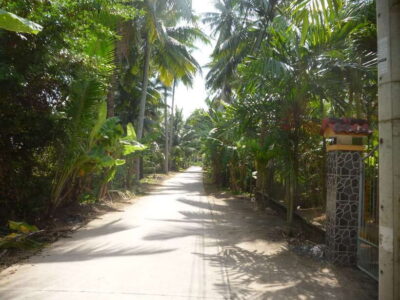
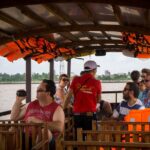
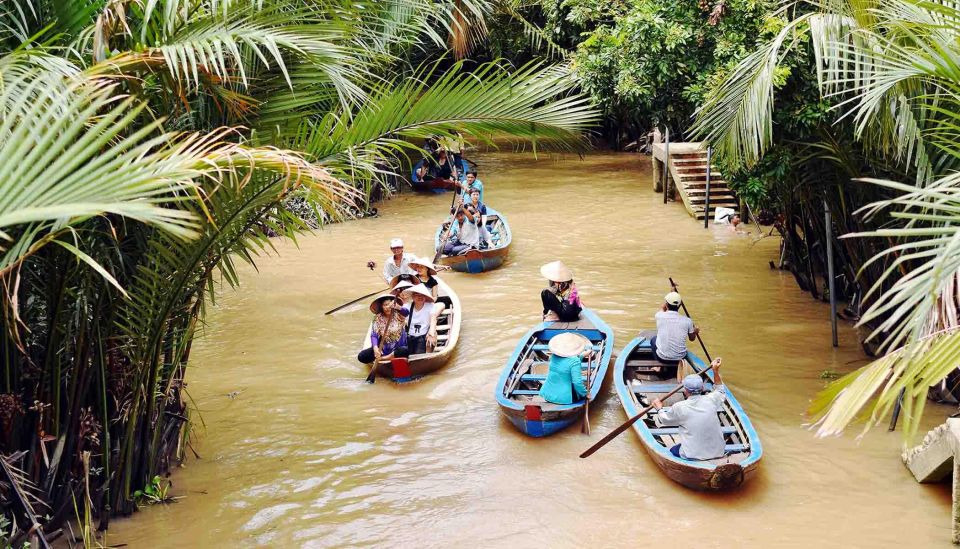
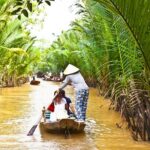
Next comes a rowing boat ride through smaller canals. This is where the Mekong Delta feels less like a tourist route and more like a lived-in ecosystem. The tour moves slowly enough for you to notice the nipa palms lining the waterway and the shade they create. You’ll row along canal paths where the scenery is mostly green, with glimpses of the garden-like edges of riverside life.
The tour also points out tree types such as Ban trees, Acanthus trees, and “girders.” Don’t stress about memorizing botany. The real value is that you’re learning to look—seeing that this isn’t just scenery. It’s a working environment.
As you drift under the palms, you’ll be in an area where fruit trees are part of the everyday view. You’ll also get to enjoy fruit and something like honey tea, plus amateur folk music that fits the setting without feeling staged. If you like experiences that are more sensory than flashy, this canal section is one of the reasons the itinerary works.
Lunch and a Countryside Loop Around Con Phung
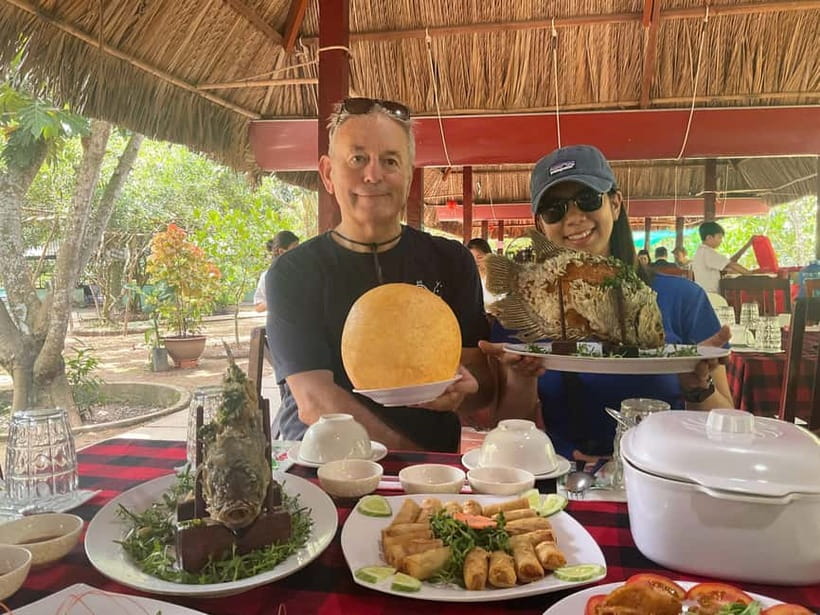
At noon, you visit Con Phung tourist area for lunch. This matters because it breaks up the day before you switch from the river to more inland scenery around the countryside island area. The lunch is included, and the setting gives you a chance to reset.
You may also have the option to ride a bicycle around the countryside on the island, passing fruit orchards. The fruits mentioned include longan, mango, rambutan, and plum. Even if you don’t bike, this kind of orchard time helps you understand what the Mekong provides beyond river trading—food, shade, and livelihoods.
A quick tip: treat fruit orchard time as sightseeing with your senses. Look for color and smell, not just “pretty trees.” It’s a different kind of learning than temples or markets.
Arriving in Can Tho: Check In, Then Let the Night Work for You
After lunch and the move from My Tho to Can Tho, you check in to your standard hotel for the night. Dinner on Day 1 is on your own, and that’s actually useful. Can Tho has plenty of places to eat, so you can pick based on your energy level and what you’re craving after two halves of river time.
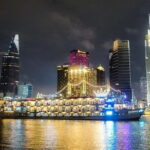
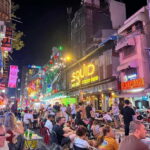
You’ll have free time to explore Can Tho at night. I like this choice because it prevents the tour from over-scheduling you. You’ve already had boat time, walking time, and workshop time. A little freedom helps you avoid feeling like you’re rushing the place.

Day 2: Cai Rang Floating Market in the Morning
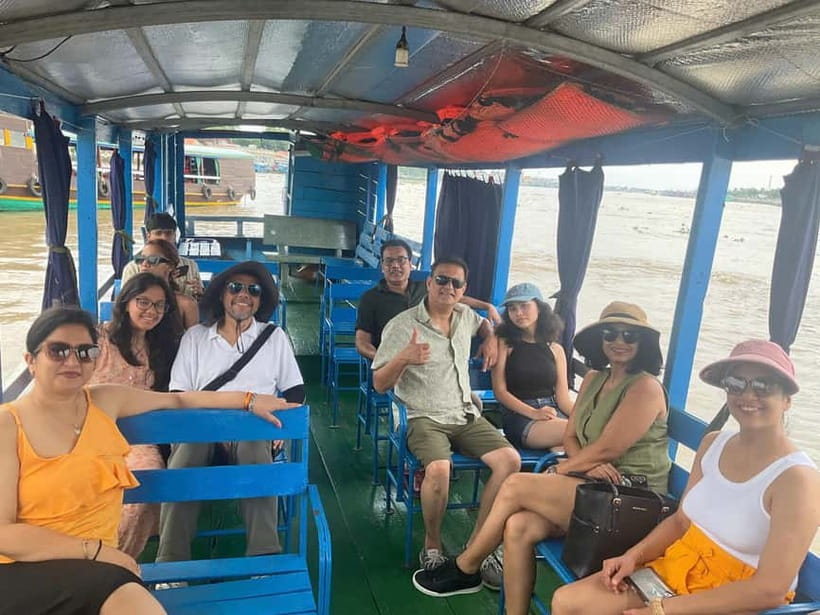
Day 2 begins with breakfast at the hotel, then you head to the pier again. This time the highlight is the Cai Rang floating market, one of the largest in the Mekong Delta. The reason the floating market works so well on a 2-day schedule is timing. You’re going early enough to catch real trading activity, which means you’re not just watching boats drift by.
At the market, you’ll learn about Southern river trading culture—how goods move, how people coordinate, and what everyday commerce looks like when it’s built around water. Even if you’ve seen floating markets in photos, being there helps you understand scale. It’s not only boats; it’s the rhythm of negotiation and loading.
One good move is to take a few minutes to watch without scanning for the next photo. You’ll start to notice patterns: where certain boats gather, how crowds form at the edges, and how quickly attention shifts from one transaction to another.
Orchard Time and a Cooler Pace
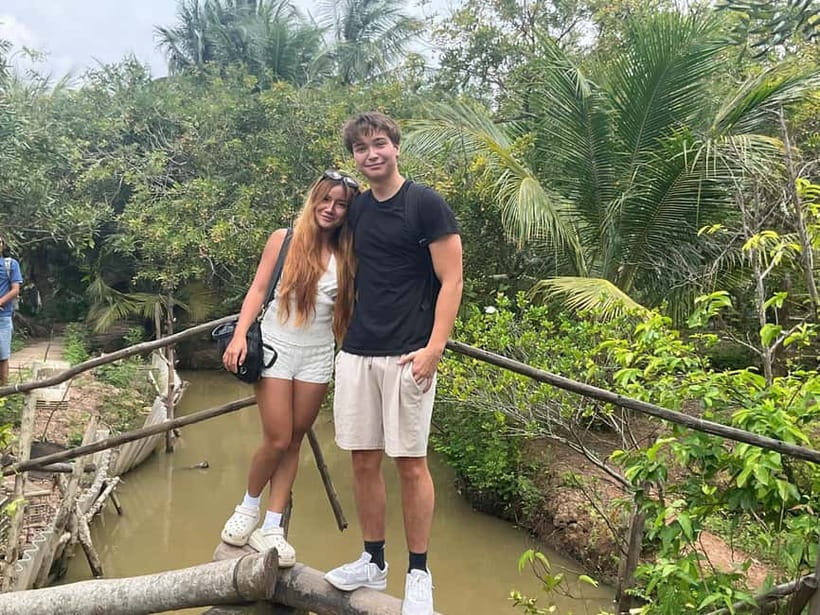
After the floating market, the tour continues with free or flexible time to visit a seasonal orchard and enjoy the cooler feel of the garden-like area. This part of the schedule is there for a reason. It gives your brain a break from riverboats and market noise. You get a more breathable environment before you shift into the next food-focused activity.
If you love fruit, this is a good stretch to slow down. If you don’t, it’s still a relief: less crowding, less constant movement, more atmosphere.
Noodle Oven Stop and the Noodle Pizza Option
Next up is the noodle oven stop. This is essentially a hands-on food observation. You’ll see steps of making noodles and then enjoy noodle-based dishes, described as “strange” in the best way—some combinations are familiar, some are new, and the process makes it easier to appreciate what you’re eating.
The tour mentions a famous Noodle Pizza, but it’s at your own expense. That’s important for budgeting. The included meals cover the core parts of the day, but this is one of those “if you’re curious, try it” moments.
After the boat and activities, you’ll leave the ship and head to a local restaurant for lunch and a rest. Then the group travels back to Saigon by bus.
Price and Logistics: Is $98 Good Value?
At $98 per person for 2 days and 1 night, this trip is priced in the “watch the details, because you’re paying for structure” category. You’re not only paying for sights. You’re paying for:
- Air-conditioned car/minivan transportation across multiple locations
- An English-speaking guide to explain what you’re seeing
- Sightseeing tickets tied to the program
- Boat time on the Cai Rang route plus boat-related transfers
- Meals: 2 lunches and 1 breakfast, with dinner on Day 1 not included
- Bottled water (2 bottles per day)
- Travel insurance
The value is clearest if you like a built-in plan. If you’re the type who would otherwise spend time figuring out how to connect between My Tho, Ben Tre, and Can Tho, a guided route saves energy.
What you should watch is that a couple of extras are not included, like the optional noodle dishes you may want to purchase on your own. Also, the schedule is active for two straight days, with enough driving that comfy clothing and patience help.
Group vs Private: Which One Fits Your Style?
This experience gives you the choice of group tour or private tour, and that changes the vibe.
A group tour can feel energetic but efficient. You’ll share the space with other visitors, follow the same rhythm, and rely on the guide for timing. The upside is social momentum and lower cost.
A private tour usually works better if you want more conversation time. In a review context I saw, guide effort mattered: one guide (Phuoc) was described as knowledgeable and answered questions well, while the second-day guide (Leo) was energetic and helpful, but could have explained more during certain stops like the coconut candy segment. A private setup can reduce that “I wish there was more explanation” feeling, because you can ask follow-ups as you go.
Also, if you’re traveling as a family, group comfort matters. A minivan setup here is described as kid-friendly and comfortable, with guides willing to help with carrying a younger child. That’s a practical checkmark for families who don’t want daily logistics to become a job.
Who Should Book This Mekong Delta Tour
You’ll enjoy this most if you want:
- A short, high-impact Mekong Delta experience without multiple separate bookings
- Mix of culture and food: temple time, fruit/craft time, then market time
- Guided context so you understand what you’re seeing instead of just taking photos
- A comfortable plan with included lunches and a hotel room so you’re not constantly hunting for logistics
You might want to think twice if you:
- Hate early mornings. Cai Rang floating market time is the whole point, so you’ll start early.
- Prefer super-extended stays in just one place. This is a sampler platter, even though it’s a good one.
- Need guaranteed in-depth explanations at every stop. Guide styles can differ, so come ready with a few questions.
Should You Book Mekong Delta 2 Days: Floating Markets & Cultural Exploration?
For most people, I’d say yes, especially if you’re short on time and want the Mekong Delta’s signature experiences in a clean, guided flow. The combination of Vinh Trang Pagoda, the Ben Tre coconut candy workshop, a shaded rowing boat canal ride, and then the Cai Rang floating market morning is a strong “two days, real variety” package.
Book it if you like structured travel with breathing room at night in Can Tho. Pass or consider a different option if you’re the kind of traveler who wants slow pacing and deep, stop-by-stop lectures every hour.
If you do book, I’d bring two habits: wear shoes you can walk in for temples and boats, and ask your guide questions when you care about the details. That’s how you get the best version of this kind of tour.
FAQ
How long is the Mekong Delta tour?
It’s a 2-day experience with 1 night in Can Tho.
What meals are included?
The tour includes 2 lunches and 1 breakfast. Dinner on Day 1 is not included.
What’s included for transportation and the guide?
You get pickup and drop-off at the center of Ho Chi Minh City, transportation by air-conditioned car/minivan, and an English-speaking guide.
Are tickets and boat rides included?
Yes. The program includes sightseeing tickets, and you also get a boat ticket to visit Cai Rang Floating Market.
Can I choose a group tour or a private tour?
Yes, you can choose between a group tour or a private tour.
Is there an extra cost for a single room?
Yes. There is a single room surcharge of 600,000 VND per person.