REVIEW · HO CHI MINH CITY
Ho Chi Minh: Local Cooking Class At Auntie’s Home
Book on GetYourGuide →Operated by LV Tours · Bookable on GetYourGuide
Your dinner starts in Saigon’s back alleys. This Ho Chi Minh City tour takes you to District 6 and into Auntie Tu’s home kitchen, where you shop like locals and cook together. I love the way the walk sets the tone for everyday life, and I love that you learn method, not just what to copy.
One thing to consider: it’s not a sit-and-watch experience. You’ll be on your feet through tight streets and in sun, and it’s not suitable for wheelchair users, so plan for comfortable walking shoes and sun protection.
I also like how the guides bring the culture into the food. On past tours, English guides such as Bao or Kevin have helped explain what you’re seeing and buying, so the market doesn’t feel like chaos for chaos’s sake. Your meal ends up feeling personal, like you’ve been let into a normal Vietnamese household for a few hours.
In This Review
- Key moments you’ll remember
- Why District 6 feels different from central Saigon
- Back alleys first: the walking part that makes the cooking make sense
- Bình Tây Market: buying ingredients like a local (not like a tourist)
- Auntie Tu’s home kitchen: a real cooking lesson, not a performance
- The menus: what you’ll cook (standard and vegetarian)
- Standard menu
- Vegetarian menu
- Transport and timing: how to plan for a 4-hour day
- Value check: is $56 worth it?
- Who this suits best (and who should skip it)
- Quick FAQ
- FAQ
- How long is the Ho Chi Minh local cooking class?
- How much does it cost?
- Where does pickup happen?
- Is there a vegetarian option?
- What dishes are included in the standard menu?
- What dishes are included in the vegetarian menu?
- What’s included in the price?
- What should I bring?
- Are alcohol or drugs allowed?
- Is it wheelchair accessible?
- Should you book this Auntie Tu cooking class?
Key moments you’ll remember
- Back-alley walking that feels like daily errands: you move through the side streets where locals actually live their day
- Bình Tây Market shopping with real language tips: you get help understanding everyday grocery choices
- Auntie Tu’s step-by-step teaching: cooking in a true home kitchen, not a demo studio
- A clear, practical 5-dish menu: standard and vegetarian options so you can choose what fits
- Photos plus recipe details after: you leave with more than full stomach energy
Why District 6 feels different from central Saigon
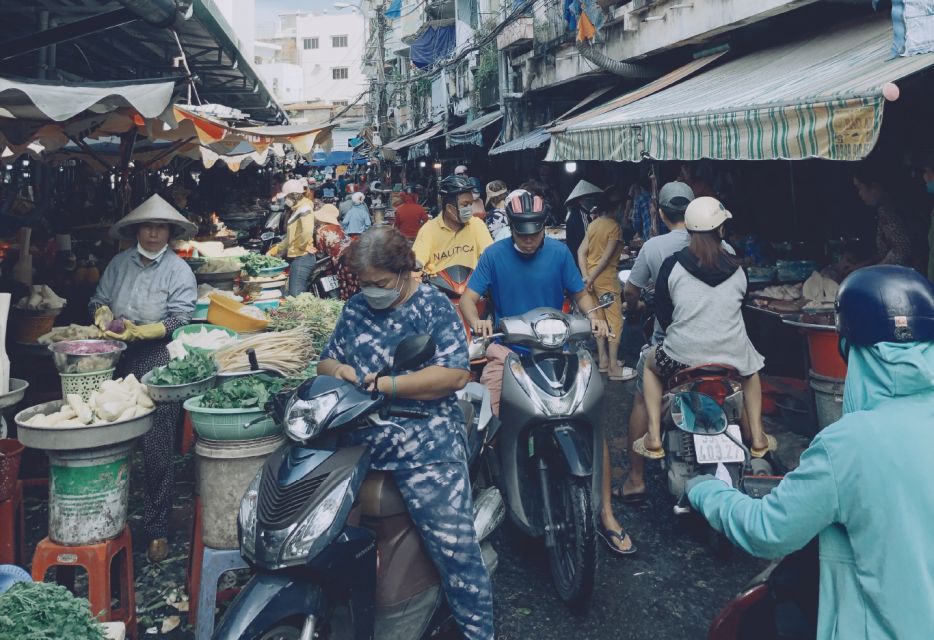
Most first-time visitors bounce between major sights. This trip deliberately shifts you away from the busiest tourist pull and puts you in District 6, where the pace is slower and the street scenes are more local.
That change matters because Vietnamese food is built on routine: what people buy today becomes what they cook tomorrow. By the time you reach the market, you already understand why certain ingredients show up again and again.
It also helps that you’re not touring alone in a foreign mess. You have a local English-speaking guide plus a cooking host, so you’re always translating what’s happening around you into something you can actually use.
You can also read our reviews of more cooking classes in Ho Chi Minh City


Back alleys first: the walking part that makes the cooking make sense
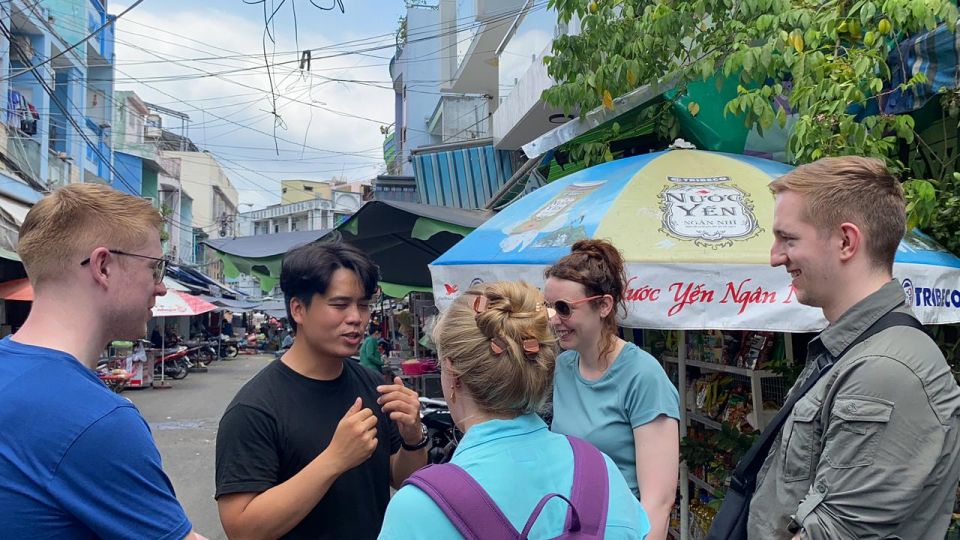
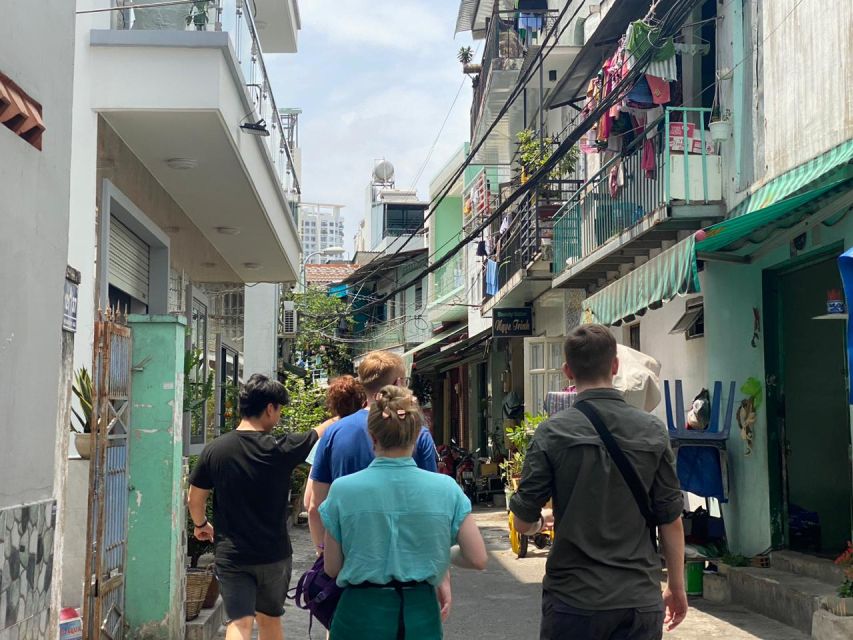
The experience starts with walking through tiny side streets, the kind where you won’t find much signage in English. You’re not just moving from A to B. You’re getting your bearings with your senses: the smells, the snack stands, the conversations, the steady rhythm of daily life.
This is the part I like most because it makes the food lesson feel grounded. When you later buy herbs, protein, or greens, you’re doing it with context instead of buying ingredients you’ve never seen outside a restaurant.
Practical heads-up: the route includes walking under sun. Bring sunscreen and sunglasses, and if you can, wear covered shoes. One strong theme from the experience is that you’ll be moving through real neighborhood conditions, sometimes with puddles or uneven surfaces.
Bình Tây Market: buying ingredients like a local (not like a tourist)
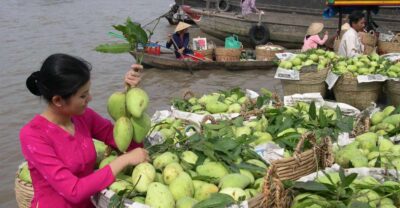
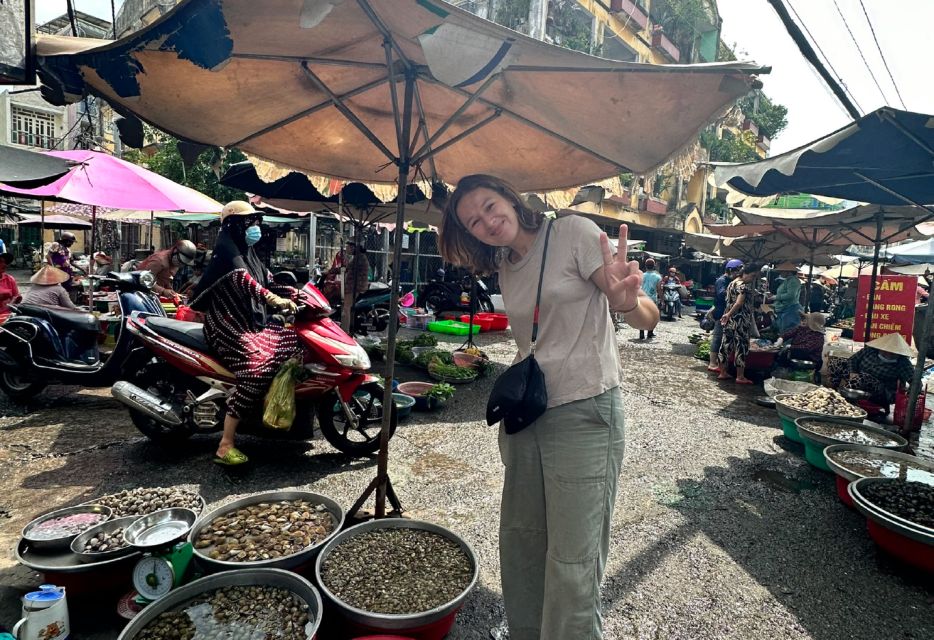
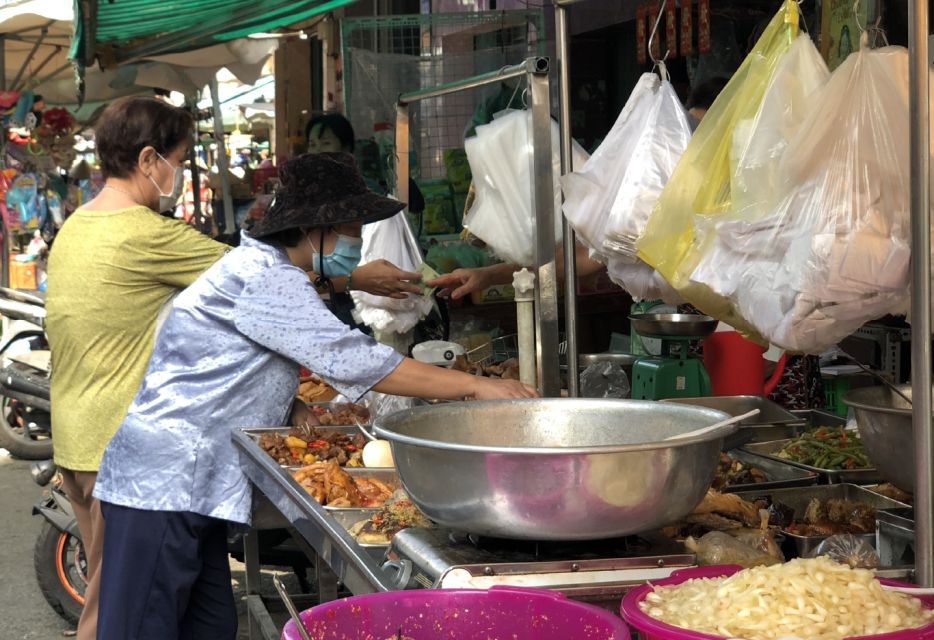
Then you hit Bình Tây Market, one of the main wet markets people rely on for everyday food. Expect crowds, colorful produce, and a lot of vendor-customer back-and-forth. It can feel loud at first, but your guide’s job is to help you make sense of it.
A helpful detail here is language support. You’ll learn enough Vietnamese to understand what’s being sold and how people talk about grocery shopping in their daily routines. Even a few words can change the market from confusing to readable.
You’ll also have time to snack and take in the sights while you shop for your cooking class ingredients. The goal isn’t to “collect photos.” The goal is to buy what Auntie Tu’s kitchen will turn into your meal.
Auntie Tu’s home kitchen: a real cooking lesson, not a performance
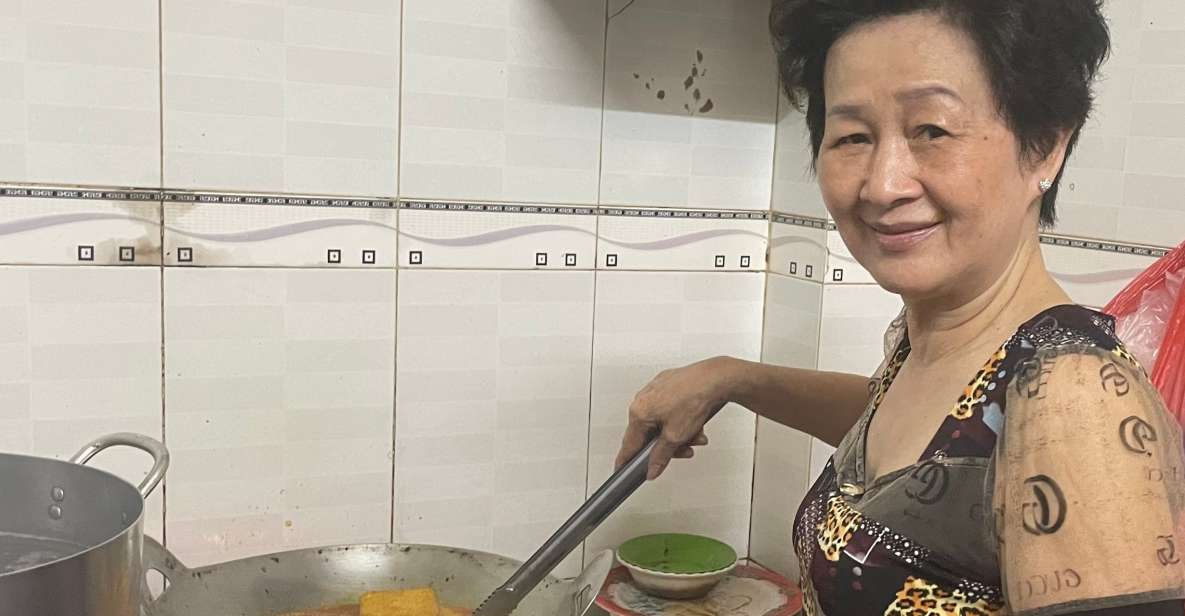
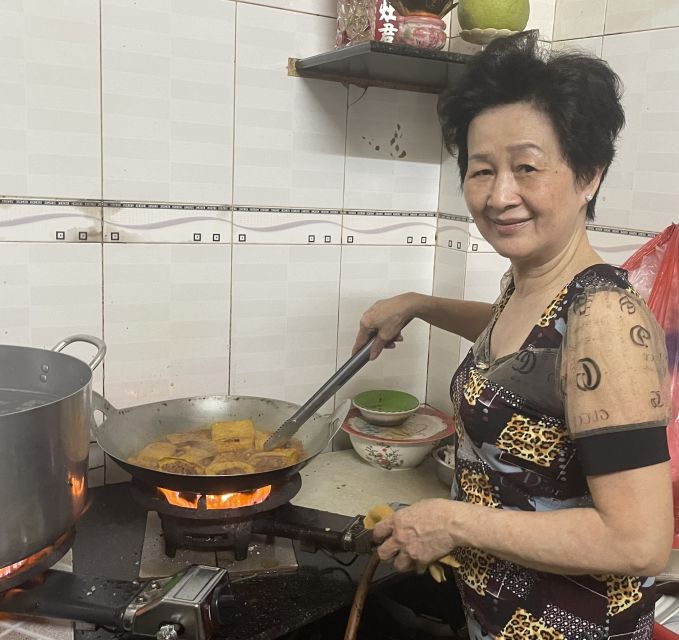
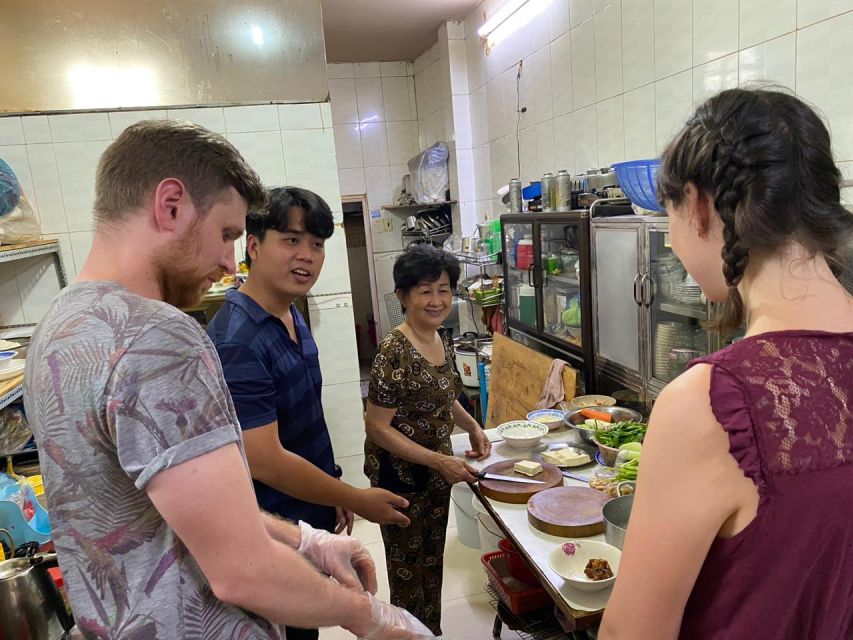
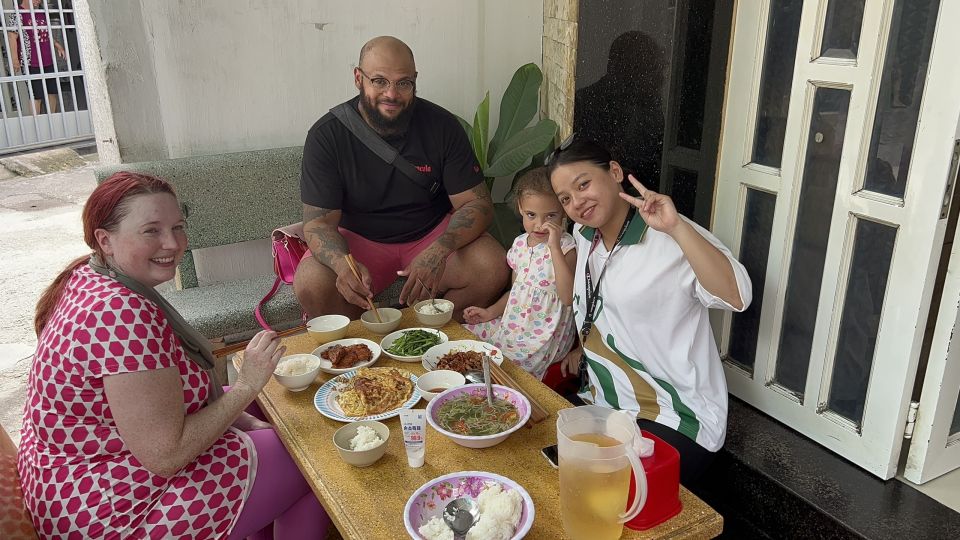
The most important shift comes when you reach Auntie Tu’s house. This isn’t a commercial cooking school with identical stations. It’s a real local home where the kitchen looks like it’s used, day after day.
Auntie Tu is your cooking teacher, and she instructs step-by-step using Vietnamese cooking methodology. In a small home kitchen, technique matters because you can’t hide behind fancy equipment. You’ll learn how to handle timing, heat, and flavor balance in a way that carries over when you cook later.
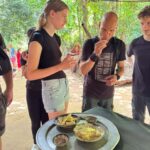
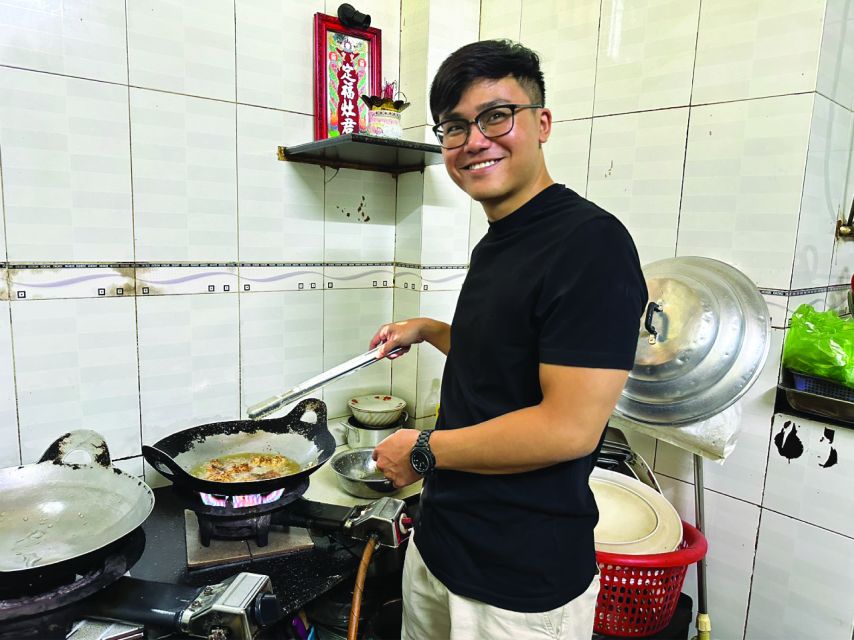
One of my favorite parts of this kind of lesson is participation. On these tours, you don’t just watch. You’ll do a meaningful share of the prep and cooking, then eat the dishes at the end.
And if you’re worried about understanding instructions, don’t be. The tour includes a local English-speaking guide, and the cooking host’s demonstration is paired with translation and guidance so you’re never left totally guessing.
The menus: what you’ll cook (standard and vegetarian)
Your menu is built around five dishes. You can choose the standard set or the vegetarian set depending on what you prefer.
You can also read our reviews of more tours and experiences in Ho Chi Minh City

Standard menu
You’ll cook:
- Poached meat with pepper
- Fried egg with minced meat
- Fried red tilapia
- Sauteed garlic spinach
- Sour Soup
I like this set because it gives you a full range: a gentle poached dish, fried proteins, a green vegetable, and a sour element that helps the meal taste balanced. It’s not just variety for variety’s sake. Each dish teaches a different kind of technique.
Vegetarian menu
You’ll cook:
- Stewed vegetables
- Fried salted tofu with lemongrass
- Fried egg with onion
- Sauteed garlic spinach
- Vegetarian sour soup
This menu keeps the spirit of the meal—greens and sour soup are still there—while replacing meat and fish with plant-based options. If you eat vegetarian, you’re not stuck with a simplified “maybe it’ll taste okay” version. You’re getting a structured Vietnamese-style set.
Transport and timing: how to plan for a 4-hour day
The class lasts about 4 hours, and it’s designed to fit into a normal travel day. You’ll have pickup options in several districts (Districts 5, 4, 1, and 3), and you’ll get dropped back off in Districts 4, 5, 3, or 1.
You may move around by private transportation, and in smaller groups you might also experience short motorcycle rides guided by your driver/guide as part of the journey. If that’s a concern, tell the operator when you book, so they can match you with the best format for your comfort.
What to wear matters more than you think:
- Comfortable shoes with good grip
- Sunscreen and sunglasses for the market walk
- Clothing that can handle street heat
Also note: alcohol and drugs aren’t allowed during the experience. It keeps the day focused on food, conversation, and learning.
Value check: is $56 worth it?
At $56 per person for about 4 hours, you’re not just paying for ingredients. You’re paying for three high-value things that are hard to recreate on your own:
- Local market access plus guidance
Markets are where your Vietnamese cooking starts making sense, but you need help reading what you’re looking at and choosing ingredients confidently.
- A true home-kitchen lesson
Cooking at Auntie Tu’s house gives you a more authentic setting and a deeper look at how normal Vietnamese meals get made.
- A structured menu with technique
Five dishes is a lot for a short lesson. The menu mixes proteins, greens, and sour soup, so you’re learning multiple methods.
On top of that, the experience includes a local English-speaking tour guide and a local cooking host, plus photos and recipe details after the class. That’s the part that helps you actually cook the dishes again later, instead of just remembering flavors.
Who this suits best (and who should skip it)
This is a great fit if you want:
- A food experience that teaches you technique, not only how to eat
- Real neighborhood streets and local market shopping
- A hands-on class in a home kitchen
It’s also a strong pick for people who like contrast. If you’ve been eating Vietnamese food only in busy restaurants, this gives you the backstory of how ingredients and routines create the flavors you love.
You should think twice if you:
- Need wheelchair accessibility (not suitable)
- Don’t handle walking in sun or tight streets well
- Prefer a quieter, more studio-style class
Quick FAQ
FAQ
How long is the Ho Chi Minh local cooking class?
The experience is about 4 hours.
How much does it cost?
It’s listed at $56 per person.
Where does pickup happen?
Pickup options include District 5, District 4, District 1, and District 3.
Is there a vegetarian option?
Yes. There’s a vegetarian menu with five vegetarian dishes.
What dishes are included in the standard menu?
The standard set includes poached meat with pepper, fried egg with minced meat, fried red tilapia, sauteed garlic spinach, and sour soup.
What dishes are included in the vegetarian menu?
The vegetarian set includes stewed vegetables, fried salted tofu with lemongrass, fried egg with onion, sauteed garlic spinach, and vegetarian sour soup.
What’s included in the price?
You get private transportation, food and drinks, a local English-speaking tour guide, a local cooking host, a conical hat for walking under the sun, photos, Vietnamese cooking techniques, and Auntie Tu’s secret recipe details.
What should I bring?
Bring sunglasses and sunscreen.
Are alcohol or drugs allowed?
No, alcohol and drugs aren’t allowed.
Is it wheelchair accessible?
No, it’s not suitable for wheelchair users.
Should you book this Auntie Tu cooking class?
I’d book it if you want a Vietnamese cooking class that connects directly to real buying, real street life, and real home-method technique. The mix of back-alleys walking, market ingredient shopping, and Auntie Tu’s step-by-step teaching makes it feel more like learning a skill than just booking a meal.
If you’re short on time, it’s still a good fit because 4 hours is focused. Just come ready for walking and sun, and you’ll get the full value of the day.