REVIEW · HO CHI MINH CITY
Ho Chi Minh City: Private City Tour Off the Beaten Track
Book on GetYourGuide →Operated by Withlocals · Bookable on GetYourGuide
District 6 feels like a fresh page. This private Ho Chi Minh City tour takes you away from the main sights and into Quận 6, where daily life, small temples, markets, and street art tell a different story of Saigon. You’re not just passing through—you’re walking with a guide who can connect what you see to how people actually live here.
I especially like two parts: stopping at Ba Chien Hau pagoda to slow down and understand local religious life, and tasting fruit along with Vietnamese coffee during the neighborhood market time. A heads-up: this is a walking-focused experience, and it’s not suitable for people with mobility impairments or wheelchair users.
In This Review
- Key moments you’ll remember
- District 6 (Quận 6) Is the Main Character
- Ben Thanh Market Meeting Point and How the 3-Hour Plan Works
- Ba Chien Hau Pagoda: A Calm Stop With Real Local Meaning
- Binh Tay Market Time: Fruit Tasting, Coffee, and Everyday Choices
- Street Art and Architectural Gems Around Quận 6
- Local Stories, English Guides, and Why Private Feels Different
- Walking, Transport Hops, and What to Bring
- Who Should Book This District 6 Tour?
- Should You Book This Private Off-the-Beaten-Track Tour?
- FAQ
- How long is the Ho Chi Minh City private off-the-beaten-track tour?
- Where does the tour start and end?
- What is included in the price?
- What language is the guide?
- Is hotel pickup or drop-off included?
- Is the tour private?
Key moments you’ll remember

- District 6 (Quận 6) local route that avoids the usual tourist loop
- Ba Chien Hau pagoda for a quieter, cultural pause
- Binh Tay market time with fruit tasting and Vietnamese coffee
- Street art + architecture spotting with context from your guide
- Private guiding that can be tailored to what you’re curious about
District 6 (Quận 6) Is the Main Character
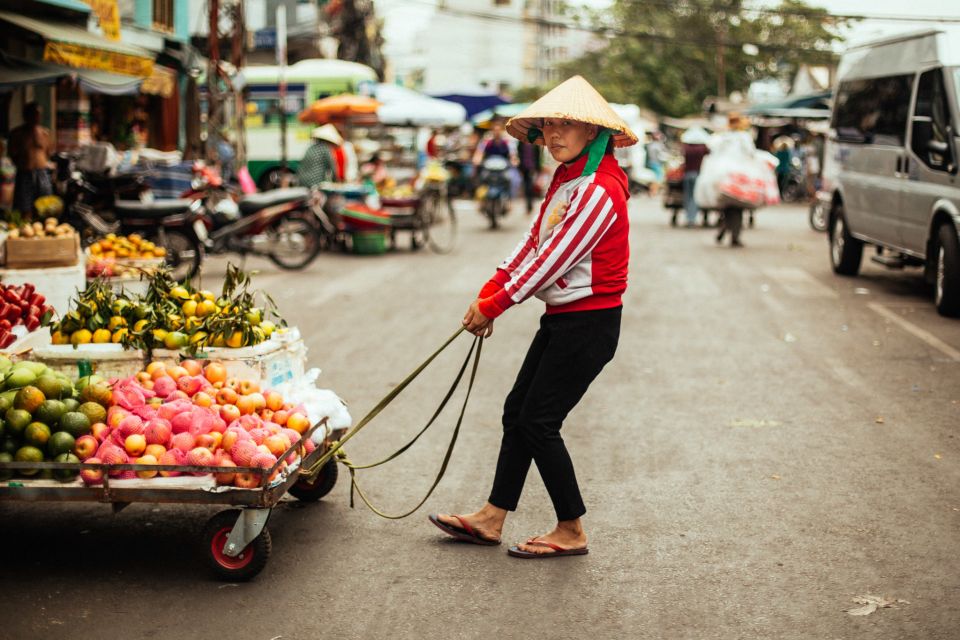
If you only see the classic central sights in Ho Chi Minh City, you miss how the city really works. District 6 sits in the “less marketed” part of town, and that’s exactly why this tour feels useful right away. It’s where you can observe neighborhood rhythms—shops, sidewalks, conversations, and small landmarks—without the crowd pressure you get around the top attractions.
What makes Quận 6 especially interesting is the mix of everyday commerce and cultural spaces. You’re not just touring a list of places. You’re being guided through a pattern: a pagoda stop that helps you read the area with local eyes, then a market experience that shows you the pace of daily life, and finally street scenes like art and architecture that you might otherwise ignore.
This is the kind of tour that helps you get your bearings fast in a city that can feel huge. You walk away with names, context, and practical food ideas you can use again later—even after the tour ends back at the meeting point.
You can also read our reviews of more city tours in Ho Chi Minh City


Ben Thanh Market Meeting Point and How the 3-Hour Plan Works

The tour starts at Ben Thanh Market, exit or gate 3. That’s a smart choice because Ben Thanh is one of the easiest landmarks to find, even if you’re new to the city. It also means you’re beginning from a familiar hub and then turning toward a neighborhood that’s less on most itineraries.
You should plan on a total duration of about 3 hours. The experience is described as focused on a District 6 walk, but the reality of moving through neighborhoods often includes short local transport hops. One of the guides mentioned in past trips also noted occasional use of a local bus, so build in some flexibility and don’t expect everything to be pure walking-only.
Because there’s no hotel pickup or drop-off, you’ll want to be comfortable making your own way to Ben Thanh Market. If you’re staying near the center, this is usually simple. If you’re farther out, just make sure you have time to navigate to the meeting point without stress.
A small practical note: wear comfortable shoes. Quận 6 is best experienced on foot, and the tour style is about moving through streets long enough to notice details, not just touching a few corners.
Ba Chien Hau Pagoda: A Calm Stop With Real Local Meaning
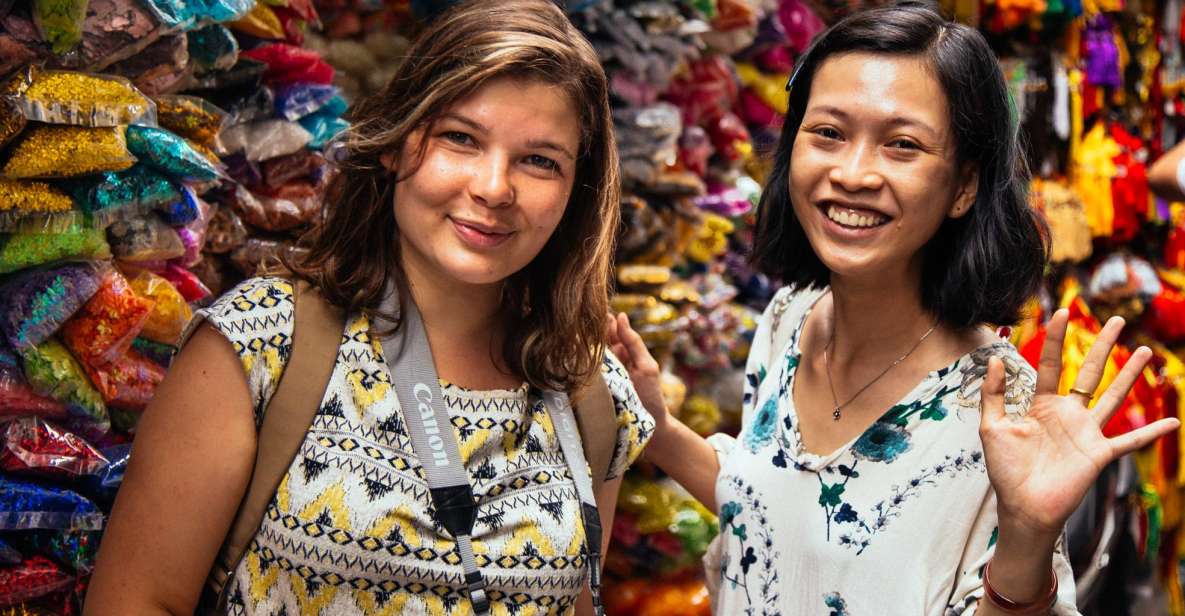
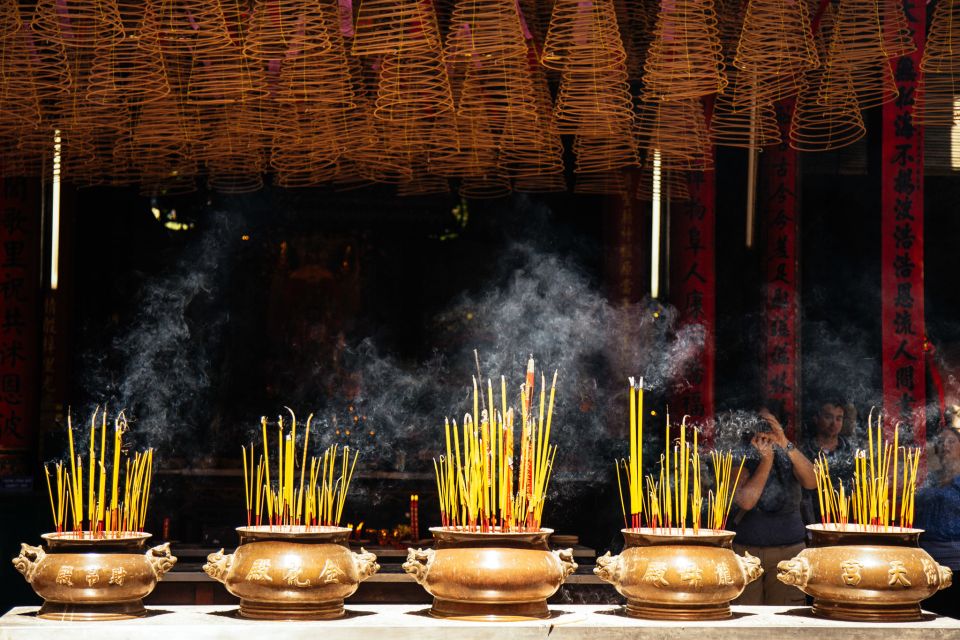
One highlight is Ba Chien Hau pagoda, and it’s a strong choice for setting the tone. Markets can get loud, streets can move fast, and Ho Chi Minh City has a way of keeping you on alert. A pagoda stop gives you a mental reset—and a lens for understanding why certain spaces matter to local life.
What I like about including a pagoda in a neighborhood tour is the contrast. You’re not only seeing places that sell things. You’re also seeing a place that shapes community behavior and routines, often for reasons that aren’t obvious from street level. Your guide’s job here is to connect the dots: what you’re looking at, why it’s here, and how people might use the space beyond tourism.
This is also where you tend to get better questions from your guide. A good English-speaking guide can turn a quiet landmark into a clear lesson about belief, respect, and everyday tradition. In past tours, guides such as Hieu and Huyen were praised for being friendly and explaining things well, including how to understand Vietnamese history and culture in plain terms.
If you’re the kind of person who likes learning by seeing, this stop is worth your time. Even if you’ve visited other temples in Vietnam, you’ll likely appreciate how this one sits within a working neighborhood instead of being isolated as a single big attraction.
Binh Tay Market Time: Fruit Tasting, Coffee, and Everyday Choices
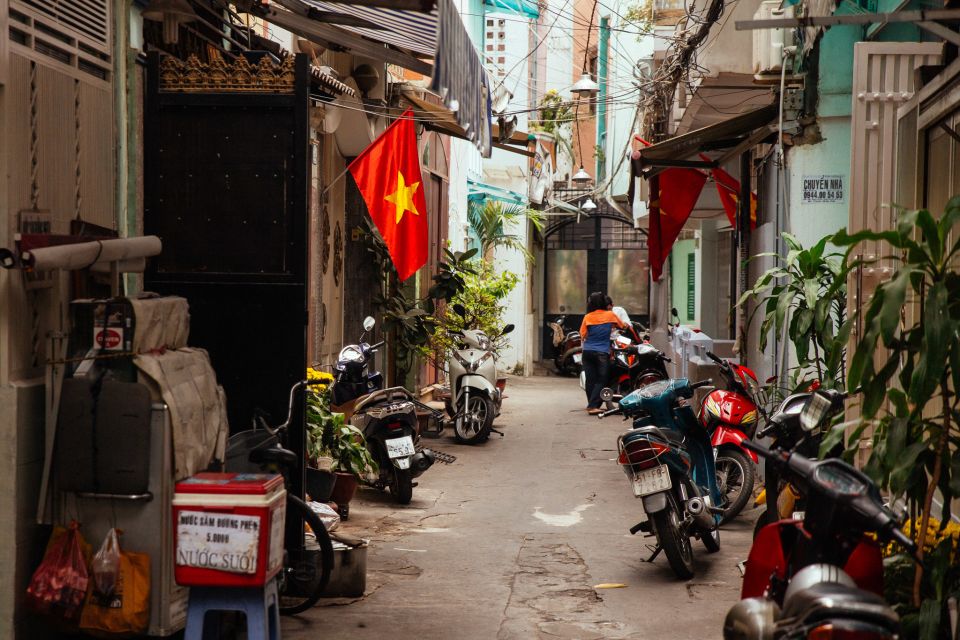
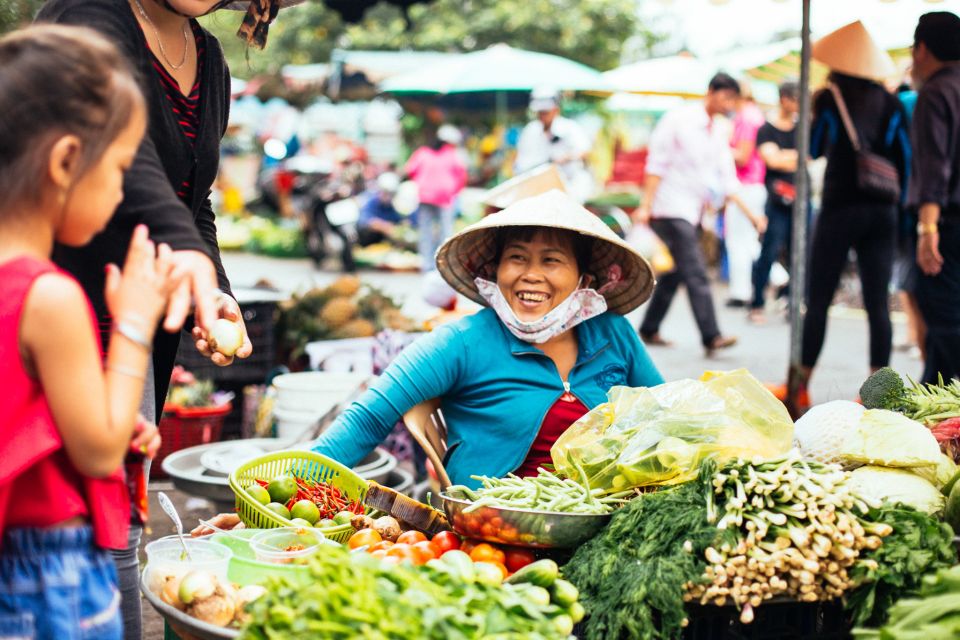
After the pagoda calm, the energy shifts to Binh Tay Market. Markets in Ho Chi Minh City aren’t museum scenes. They’re operating systems. You see how goods move, how people shop, and how locals plan meals and daily errands.
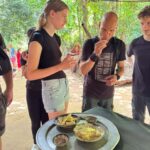
This part of the tour includes fruit tasting and Vietnamese coffee, which is a practical way to experience local flavor without turning it into a food crawl chaos-fest. Fruit tastes tell you a lot about what’s in season and what people choose for everyday eating. Coffee is even more useful because it’s a cultural constant—an easy topic your guide can explain around taste, order styles, or what to look for when you’re ordering again later.
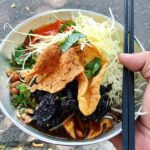
Binh Tay Market is also the kind of place where street food cues pop up naturally. One guide-led experience was described as including street food at a wet market, which fits the general vibe of places like this. You don’t need to be a fearless eater to enjoy this. Even if you stick to the included fruit and coffee, your guide can point out what’s popular and what to pay attention to for your own future visits.
One more reason I like this market stop: it helps you understand the city beyond the attractions. District 6’s identity shows up in the shopfronts and the regular faces. If you want a Saigon that feels like it belongs to locals, market time is where it happens.
Street Art and Architectural Gems Around Quận 6
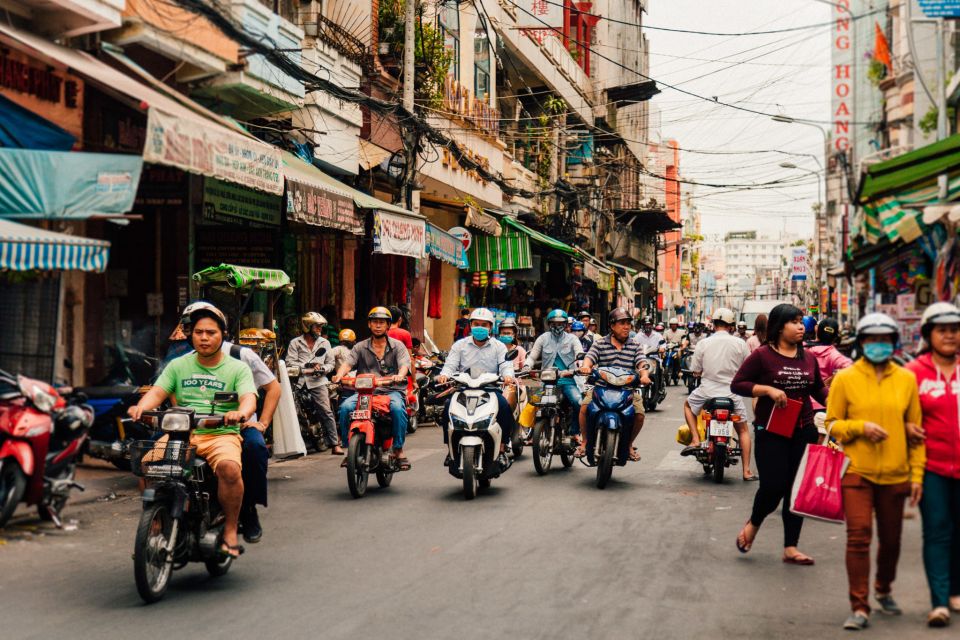
Street art and architectural details are part of the tour plan, and they’re more than decoration. In neighborhoods like District 6, creative murals and older structures can tell you how the area changed over time—and who felt comfortable putting their identity on a wall.
Your guide’s value here is interpretation. From the sidewalk, it’s easy to see a mural or a building and move on. With a local guide, you’re more likely to learn what the artwork references, how it connects to the neighborhood’s culture, and why certain buildings stand where they do. Past participants highlighted getting lots of historical context, and that’s exactly what you want here: the why, not just the what.
Architectural gems also matter in a city where rebuilding happens constantly. Seeing details helps you slow down. It trains your eye to notice street-level clues—entrances, materials, layout choices, and the way architecture reflects daily use. Even if you don’t consider yourself an architecture fan, this section can turn you into one. You start recognizing patterns, and you’ll carry that skill with you as you explore afterward.
This is also the portion that’s easiest to tailor. If you’re interested in street art, tell your guide early. If your priority is temples or everyday life, your route can shift to match your curiosity. In at least one tour example, a guide contacted beforehand to learn your interests so the plan could be adjusted—exactly the kind of small flexibility that makes a private tour feel worth it.
You can also read our reviews of more private tours in Ho Chi Minh City



Local Stories, English Guides, and Why Private Feels Different
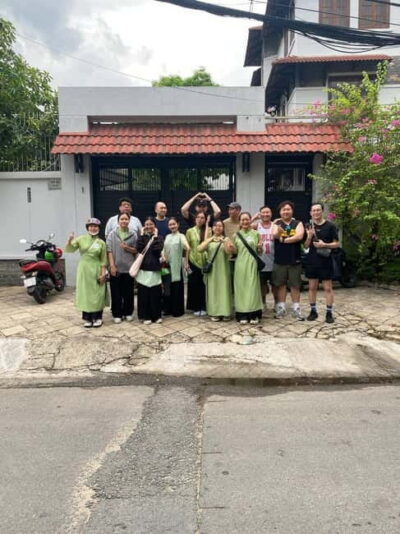
This is a private group tour with a live English-speaking guide. That detail sounds basic, but it affects the whole experience. In a public group tour, you often get one rhythm and one pace. On a private tour, you can slow down when something catches your eye or ask questions when you want clarity.
Guides mentioned include Hieu, Wind, and Huyen. People praised their English ability and their willingness to answer questions. That’s important because Quận 6 is not a place where everything is labeled for tourists. If you want the meaning behind street scenes, you need someone who can explain without talking down to you.
The best part of private guiding is the storytelling link between places. One experience was described as being packed with historical information and giving deeper understanding of Vietnamese people and their history and culture. Another noted the guide sharing personal aspects of living in the city. Those are different styles, but both point to the same payoff: you learn in a way that sticks, because it’s tied to real locations you can point to.
Price-wise, the tour is $47 per person for about 3 hours, and it includes taxi and local transport tickets, plus fruit and coffee. That can make the value feel stronger than a low-cost walk, because transport and refreshments are built in. Also, it’s private, so you’re not paying extra for basic “group control” the way some tours do.
The one trade-off is that you’re paying for flexibility, and if you want a fast checklist tour where you barely talk to the guide, a private format might feel like overkill. If you like conversation and local guidance, this is where the money tends to make sense.
Walking, Transport Hops, and What to Bring
This tour is designed for streets, not speed. Expect walking as the main mode, with the possibility of short local transport use. Since at least one guide-led experience included occasional local bus rides, it’s smart to wear shoes that can handle city sidewalks and a few steps on and off transport.
Bring comfortable shoes—that’s the biggest official advice and also the most practical. Beyond that, consider keeping your hands free so you can handle photos and small purchases if you come across things you want to remember.
The tour isn’t described as suitable for wheelchair users or people with mobility impairments. That matters because walking is a core part of how you get the District 6 feel, especially around markets and street art areas. If mobility is a concern, look for a different format with less walking.
One more helpful mindset: this tour rewards curiosity. If you ask questions—about the market, the pagoda, or what you’re seeing on walls—you’ll likely get much more out of the experience. Private tours work best when you treat the guide like a local translator for the neighborhood.
Who Should Book This District 6 Tour?
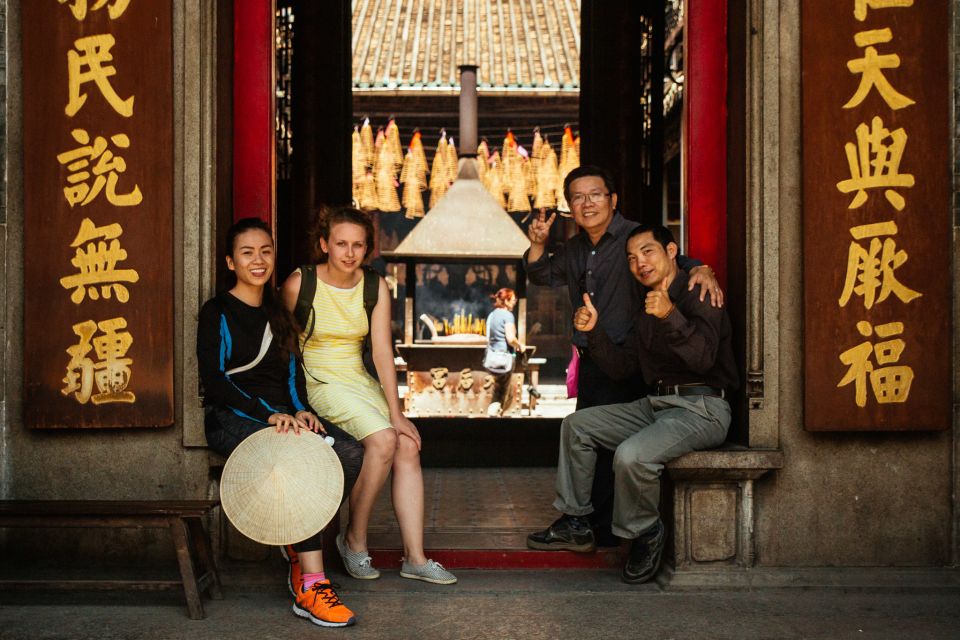
Book this tour if you want Ho Chi Minh City beyond the headline sights. It’s a great match for first-time visitors who want context fast, and also for repeat travelers who want a different neighborhood instead of the same central landmarks again.
It’s especially good for:
- People who enjoy markets and don’t mind getting a little closer to everyday life
- Travelers who like cultural stops like a pagoda, with explanations in plain English
- Anyone curious about Quận 6’s identity, including street art and architectural details
- Food-minded visitors who like tasting fruit and having Vietnamese coffee with a local guide
You might skip it if:
- You need a low-walking, wheelchair-friendly itinerary (this one isn’t designed for that)
- You’re only in town for a very short window and want the simplest “see one thing, leave” plan
- You prefer a self-guided experience where you can set your own pace without a guide’s interpretation
Should You Book This Private Off-the-Beaten-Track Tour?
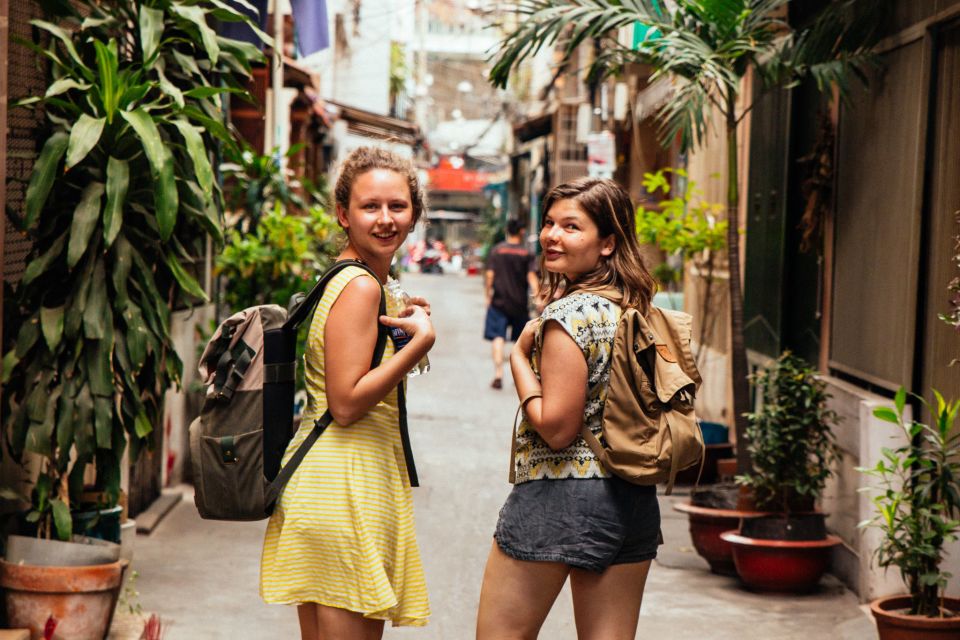
I think this is a strong booking if you’re chasing a real neighborhood feel. The combination of Ba Chien Hau pagoda, Binh Tay market, and street art/architecture gives you variety without randomness. It also includes practical extras—fruit tasting, Vietnamese coffee, and local transport tickets—that make the $47 price feel more reasonable.
The biggest reason to book is the private guide element. Having an English-speaking local like Hieu, Wind, or Huyen can turn unfamiliar streets into a clear story you can repeat later when you explore on your own. And if you’re the type who asks questions, this tour format tends to pay you back.
If you’re comfortable with walking and you want a calmer, more local side of Ho Chi Minh City, this District 6 route is an easy yes. If mobility is an issue or you want a super-minimal walking plan, you’ll probably feel happier picking a different style of tour.
FAQ
How long is the Ho Chi Minh City private off-the-beaten-track tour?
The experience is listed as 3 hours. Starting times vary, so you’ll want to check availability.
Where does the tour start and end?
It starts at Ben Thanh Market, exit or gate 3, and ends back at the same meeting point.
What is included in the price?
The tour includes fruit tasting, Vietnamese coffee, and taxi and local transport tickets.
What language is the guide?
The tour offers a live guide in English.
Is hotel pickup or drop-off included?
No. The tour does not include hotel pickup or drop-off.
Is the tour private?
Yes, it’s a private group experience.