REVIEW · HO CHI MINH CITY
Ho Chi Minh City Motorbike Tour w Student + Safe + Fun
Book on Viator →Operated by Saigon Student Tour · Bookable on Viator
Saigon traffic feels wild until you ride with a plan. This half-day Ho Chi Minh City motorbike tour strings together monuments, markets, and French-era landmarks in just 3 to 4 hours, with student guides who keep it smooth and fun. I especially like the small-group feel and the fact that you see a lot fast without having to figure out routes or transport. My one watch-out is simple: you’re on a scooter, so you’ll want to be comfortable with traffic and street-level motion.
Two things I really liked are the tight tour flow and the variety. You get the serious side at the Thich Quang Duc Monument, then the sensory side at the Ho Thi Ky Flower Market with a cold drink and a quick break. I also appreciate the practical setup: pickup and drop-off in District 1 and 3 plus English-speaking guides and drivers mean you spend less time coordinating, more time looking around.
One consideration: timing depends on the day and weather. For example, Ba Thien Hau Temple closes at 5:00 PM, and for night tours you’ll swap it for another stop, plus the experience requires good weather—rain can change the plan.
In This Review
- Key highlights worth knowing before you go
- Why riding a scooter beats doing Saigon on foot
- Price and what $19 really buys you
- Pickup in District 1 and 3: less waiting, more seeing
- Student + safe: what people usually mean on the back of a scooter
- Thich Quang Duc Monument: a pause for history and context
- Ho Thi Ky Flower Market: a whole neighborhood in bloom
- Ba Thien Hau Temple in Cholon: Mazu, sea protection, and people on boats
- French Quarter icons: Notre-Dame, Central Post Office, and the Opera House
- Saigon Notre Dame Cathedral Basilica
- Central Post Office
- Saigon Opera House
- Saigon City Hall photos and Nguyen Hue Street at night-friendly timing
- People’s Committee Building
- Nguyen Hue Street
- What to expect: pacing, comfort, and the included snacks
- Who this Ho Chi Minh City scooter tour is perfect for
- Should you book the Saigon Student Tour motorbike experience?
- FAQ
- How long is the motorbike tour in Ho Chi Minh City?
- What is the price per person?
- Do I get picked up and dropped off?
- How many people are in the group?
- Are admissions included?
- Does the tour include food?
- Will I see the temple in Cholon on every departure?
- What stops are included during the ride?
- What times does the tour run?
- What is the cancellation policy?
Key highlights worth knowing before you go
- Limited to 8 travelers total, so the pace feels personal instead of chaotic
- Pickup in District 1 and 3 plus round-trip transfers saves you the hassle
- English-speaking student guides can translate the why behind each stop
- Cold drink and crispy banana cracker are included, so you’re not hunting snacks
- You hit both District 1 icons and Cholon culture in one run
- It’s built for scooter riding, so you see street life you would miss walking
Why riding a scooter beats doing Saigon on foot
If you’ve only got half a day in Ho Chi Minh City, this format makes sense. Saigon is spread out and traffic isn’t the kind you casually “walk through.” On a scooter, you cover ground quickly, slip into neighborhoods, and feel the city’s rhythm in a way buses and taxis can’t match.
I like how the tour balances big-name landmarks with off-center places. You start with something historically heavy at the Thich Quang Duc Monument, then you shift gears to a flower market that runs from early morning to midnight. That contrast keeps the ride from feeling like a checklist.
Also, the guides aren’t just reciting facts. When you’re moving through Chinatown and then back toward the French Quarter, you get context for what you’re actually looking at. In past rides, guides have been described as student-led with very good English, and they tend to be patient if it’s your first time on the back of a motorbike.
The scooter itself is the point. This is not a slow sightseeing walk. It’s a quick, guided loop designed to keep you fed with sights and stories.
You can also read our reviews of more city tours in Ho Chi Minh City


Price and what $19 really buys you
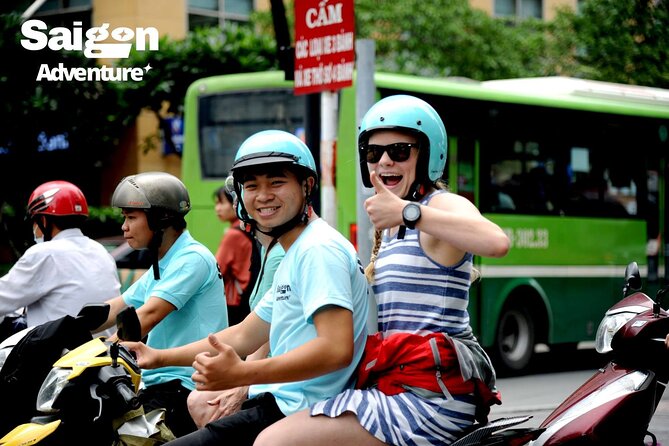
At $19 per person, this is priced for value, not luxury. The tour lasts about 3 to 4 hours, and in that time you get multiple high-demand sights that would normally mean separate admissions, separate transport, and separate ticket lines.
Here’s what the money covers based on the included items:
- scooter/motorbike ride with a driver
- private transportation
- round-trip pickup and drop-off in District 1 and 3
- guide (English-speaking) and driver
- a cold drink at the flower market
- snacks (crispy banana cracker)
- admission for the Thich Quang Duc Monument
Food and drinks beyond that are not included, so you’ll still want a meal plan for before or after. But for the core experience, you’re not paying extra just to keep moving.
Small-group size matters for the price. With a cap of 8 travelers, you’re less likely to feel like you’re stuck behind a crowd. And because it’s structured like a loop, you aren’t burning half your day just traveling between sites.
Pickup in District 1 and 3: less waiting, more seeing
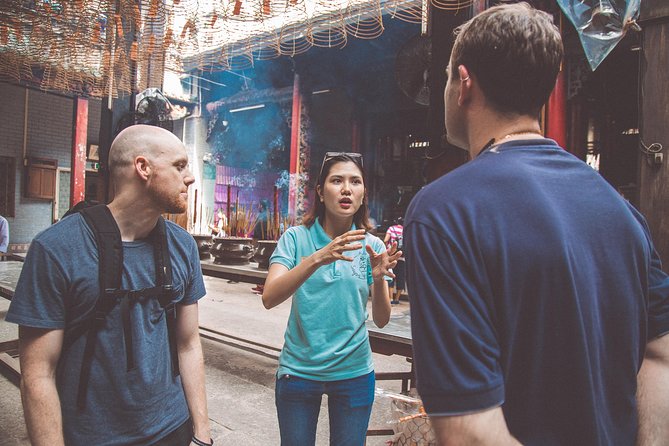
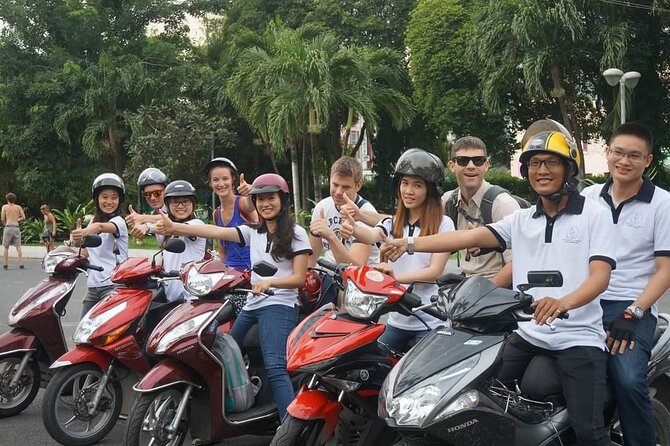
The tour is set up to meet you without making you navigate the city first. Pickup is included from District 1 and District 3, and it ends back at the meeting point.
The meeting point listed is THCS Nguyễn Du Secondary School District 1, at 139 Đ. Nguyễn Du, Phường Bến Thành, Quận 1. If you’re staying nearby, this is convenient. If you’re a bit farther out, you’ll still get covered if you’re within the pickup zones.
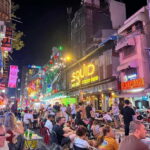
I also like that the tour runs at multiple times—morning, afternoon, and evening. That matters because Saigon shifts a lot by time of day. If you want cathedral architecture and classic streets in calmer light, you’ll likely prefer the earlier slot. If you want extra city energy and lighting (especially near government buildings and the fountain show areas), the evening may be more fun.
One more practical note: it’s a private tour/activity for your group. That usually means you’re not forced to mesh with random strangers who share zero pace or language expectations.
Student + safe: what people usually mean on the back of a scooter
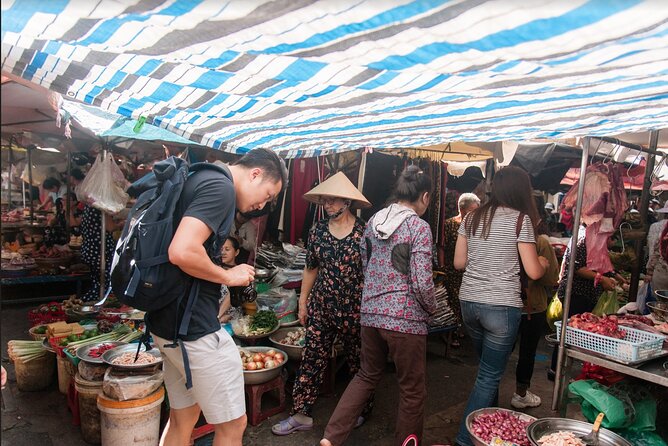
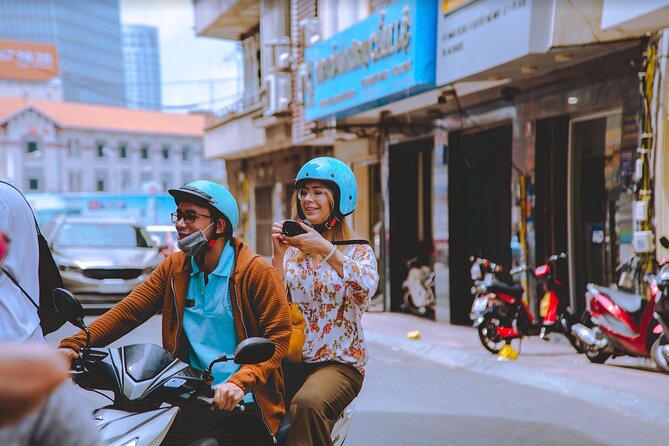
This is a “hang on and go” experience, but the whole selling point is that you do it with trained drivers and an organized route. The description puts emphasis on being safe and fun, and the reviews back up that feeling again and again: people mention feeling secure even with Saigon traffic, and some highlight that guides are patient if you’re new to riding.
What you can do to make it comfortable:
- Bring water. People specifically recommend it because you’ll be out in the heat and moving constantly.
- Wear clothing that lets you sit comfortably and handle minor wind and spray from the road.
- If you’re worried about first-time nerves, pick a time with better weather and calmer traffic flow.
One thing to remember: the tour is also weather-dependent. If conditions aren’t good, you’ll be offered a different date or a refund. That’s a big deal in a city where rain can appear fast.
And yes, weather happens. In at least one ride story, rain hit halfway through and still didn’t derail the fun. That’s another reason the guide matters: they keep the route working and the stops efficient.
Thich Quang Duc Monument: a pause for history and context
You start with the Thich Quang Duc Monument. This isn’t a quick photo stop. It’s a place tied to a specific moment in 1963, when Thích Quảng Đức set himself on fire as a protest connected to persecution of Buddhism by the South Vietnam government.
The stop is about 10 minutes, and admission is included. That short timing works because the point isn’t to turn the tour into a museum day. It’s to plant a meaningful anchor early, so later sights feel more layered than just architecture and street scenes.
Potential drawback: because it’s a memorial tied to a painful historical event, the atmosphere can feel heavier than the rest of the ride. If you prefer light-and-laugh sightseeing only, you might find this opening emotionally weighty. But for most people, it’s exactly why the half-day works: you leave with more understanding than a simple photo tour.
This is also where you’ll appreciate the guide’s role. You’ll likely get a clear explanation of who Thích Quảng Đức was and why this act mattered, in plain language that fits into the flow of the day.


Ho Thi Ky Flower Market: a whole neighborhood in bloom
Then you pivot to Ho Thi Ky Flower Market. This is the largest flower market in Saigon and it sits in a busy residential area on Le Hồng Phong Street. The cool part is how it blends into everyday life rather than feeling like a sealed-off tourist show.
Expect a sensory overload: hundreds of flower types, different colors and styles, and flowers with different origins. The market opens from the aurora to midnight, so it’s active for way longer than most markets you’ll see elsewhere.
You get about a short stop, and you’ll also get a cold drink included. That small included refreshment makes a difference. Scooter time adds up. A drink at the right moment keeps the energy up.
Possible consideration: flower markets can be busy and fragrant, and you may end up with photo angles you have to share with vendors moving around. If you’re the type who needs lots of quiet space to shoot, you might not love the crowd energy.
But if you want the real Saigon feeling—people at work, families nearby, colorful goods moving in and out—this is the stop that sells the “local rhythm” idea.
Ba Thien Hau Temple in Cholon: Mazu, sea protection, and people on boats
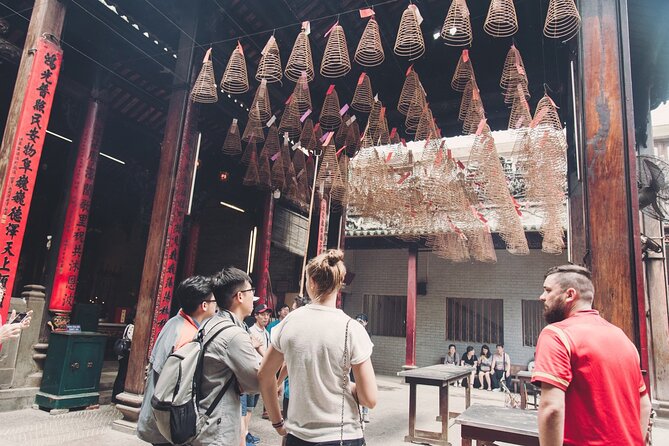
Next is Ba Thien Hau Temple, located in Cholon in District 5, roughly a twenty-minute drive from the city center. It’s free to enter and the stop lasts about 15 minutes.
This temple is dedicated to the Chinese sea goddess Mazu, believed to protect and rescue ships and people at sea. The guide also shares the story tied to boat people, which connects the religious tradition to human survival and migration. You’ll see how Mazuism links to traditions connected with Taoism and Buddhism—so it’s not one narrow belief system. It’s a mix that formed into something people follow in daily life.
Timing matters here. The temple closes at 5:00 PM. If you’re on a night tour, you’ll swap this stop for another destination. That’s one of the few “plan changes” baked into the experience.
Why this stop is worth it: it adds a second Saigon face. District 1 is French-era elegance and monuments. Cholon gives you Chinese-influenced temples, story-driven religion, and the feeling of a living neighborhood that locals recognize immediately.
Possible drawback: if you only want mainstream tourist landmarks, a Chinatown temple stop can feel different. But if you’re okay with learning and looking closely, this is a highlight that adds depth fast.
French Quarter icons: Notre-Dame, Central Post Office, and the Opera House
After Cholon, you’ll return toward District 1 and hit a string of famous French colonial-era sights. This is where the tour becomes a visual highlight reel, because everything is close enough to make sense in half a day.
Saigon Notre Dame Cathedral Basilica
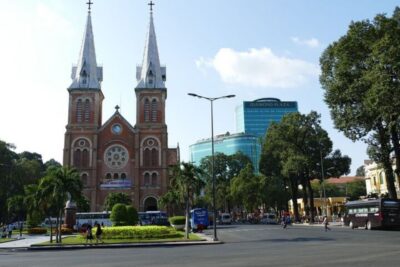
You’ll stop near Saigon Notre-Dame Cathedral Basilica for about 15 minutes, with free entry. It was built by French colonists and constructed between 1863 and 1880. The cathedral has two bell towers reaching about 58 meters.
What I like here on a scooter tour: you get the architecture without spending hours getting there. And because the guide explains what you’re seeing, you’re not just taking selfies with a landmark sign.
Central Post Office
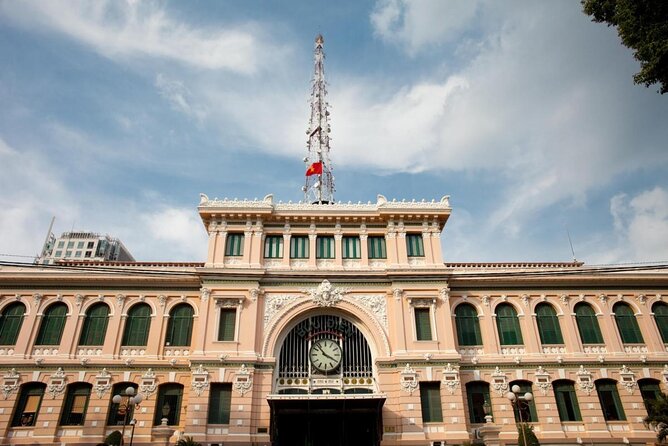
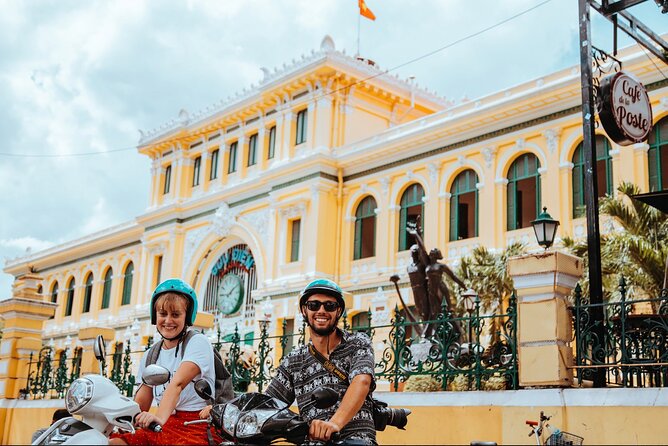
Right nearby, you’ll also visit the Saigon Central Post Office for about 10 minutes, and it’s free. The building was constructed between 1886 and 1891 with Gothic, Renaissance, and French influences. It’s a classic “wait, this is real” building—old-world design that still functions as a post office in spirit and presence.
One possible drawback: post office areas can have normal public activity around them. If you want total silence for photos, you might not get it. Still, the building itself is the main event.
Saigon Opera House
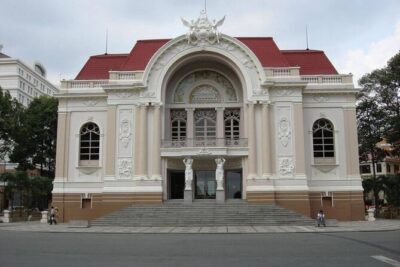
Next is the Saigon Opera House (also known as the Municipal Theatre). Expect about 10 minutes and free admission. Built in 1897 by French architect Eugène Ferret, it originally served as the home for the Lower House assembly in South Vietnam after 1956. It returned to theatre use later, and restoration happened in 1995.
This stop gives you a pause between religion and street life. It’s a strong architectural break—French design details against modern Saigon traffic.
Saigon City Hall photos and Nguyen Hue Street at night-friendly timing
The tour keeps rolling with photo-friendly classics.
People’s Committee Building
You’ll spend around 10 minutes at the People’s Committee Building, also called Ho Chi Minh City Hall. Free entry. It was built in the early 1900s in French colonial style and later renamed after 1975 as the People’s Committee.
Even if the building isn’t open to the public, it’s popular for photos. In particular, people like night viewing because the grounds and building lighting look dramatic. You’ll also likely take shots facing the front area and capture the colonial lines the city is known for.
Nguyen Hue Street
Finally, you’ll move along Nguyen Hue Street for about 10 minutes. This is a pedestrian promenade in District 1 lined with French colonial architecture landmarks such as the Rex Hotel and a luxury shopping mall. There’s also a statue of Uncle Ho Chi Minh and a fountain show area that runs at night.
If you’re doing an evening departure, this end section can feel like the tour’s “exhale moment.” You’ve already covered major sites, and now you get a broader street view—more like what Saigon feels like to live in.
Possible drawback: if you’re not into crowds or street performance vibes, the walking promenade may feel less personal than temple and market stops. Still, it’s short and structured.
What to expect: pacing, comfort, and the included snacks
The tour is built as a half-day route with frequent short stops—usually 10 to 15 minutes each. That’s not a flaw. It’s the whole strategy. You get lots of variety without losing time to long museum-style waits.
What’s included helps you keep the day moving:
- a cold drink at the flower market
- crispy banana cracker snack
- admission for the Thich Quang Duc Monument
- free entry for several major landmarks listed on the route
Food and extra drinks are not included, so you should plan for a proper meal either before you start or right after you return. If you go hungry, the scooter ride can feel longer than it needs to.
Also, bring a bit of weather flexibility. The experience requires good weather, and you may be offered another date or full refund if canceled due to poor conditions. If you’re packing, think lightweight layers rather than bulky gear.
Who this Ho Chi Minh City scooter tour is perfect for
I’d point you to this tour if you want an efficient introduction to Ho Chi Minh City that still includes culture, not just photos. It’s also a smart choice if you’re short on time and want to cover both:
- District 1 French-era landmarks
- Cholon-style temple and neighborhood energy
It can also work well for first-timers on the back of a motorbike. Past rides include stories of guides being patient with nervous riders, and people noting their English was very good.
If you hate scooters, have mobility issues, or feel uneasy with street traffic motion, then this may not be your best match. You’re trading comfort and slow sightseeing for speed and street-level immersion.
The sweet spot is the traveler who likes movement, likes learning quick context, and wants a tour that feels like a guided city circuit rather than a sitting-in-a-bus day.
Should you book the Saigon Student Tour motorbike experience?
If your goal is to see a lot of Saigon fast, this is an easy yes. Small group size, pickup convenience in District 1 and 3, and an itinerary that mixes serious, cultural, and architectural stops make the $19 price feel fair.
I’d especially recommend it if:
- you’re doing your first Saigon visit
- you want a guide who talks through what you’re seeing
- you don’t want to manage transport between distant areas
- you’re comfortable riding a scooter in busy traffic
Hold off if:
- you strongly dislike scooters
- you only want a slow, quiet sightseeing style
- your schedule can’t flex if weather forces a change
Book it if you want the practical thrill: a half-day loop that turns Saigon’s famous sights into something you experience, not just look at.
FAQ
How long is the motorbike tour in Ho Chi Minh City?
The tour runs about 3 to 4 hours (approximately).
What is the price per person?
It costs $19.00 per person.
Do I get picked up and dropped off?
Yes. Pickup service is included, and the tour starts and ends back at the meeting point. Pickup is listed for District 1 and 3.
How many people are in the group?
The experience is limited to 8 travelers.
Are admissions included?
Admission is included for the Thich Quang Duc Monument. The other listed stops have free admission based on the provided details.
Does the tour include food?
No. Food and drinks are not included, though you do get a cold drink at the flower market and crispy banana cracker as snacks.
Will I see the temple in Cholon on every departure?
Ba Thien Hau Temple closes at 5:00 PM. For night tours, it will be replaced by another stop.
What stops are included during the ride?
The route includes Thich Quang Duc Monument, Ho Thi Ky Flower Market, Ba Thien Hau Temple, Saigon Notre Dame Cathedral, Central Post Office, Saigon Opera House, People’s Committee Building, and Nguyen Hue Street.
What times does the tour run?
There are multiple departure times: morning, afternoon, and evening.
What is the cancellation policy?
Free cancellation is offered up to 24 hours in advance for a full refund. If you cancel less than 24 hours before the start time, the amount paid is not refunded.