REVIEW · HO CHI MINH CITY
Ho Chi Minh City Cyclo Tour with English Speaking Guide
Book on GetYourGuide →Operated by Maika Tours · Bookable on GetYourGuide
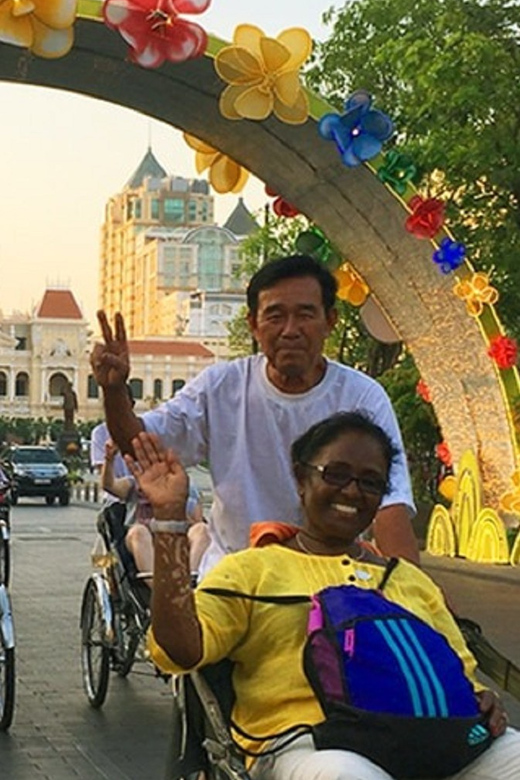
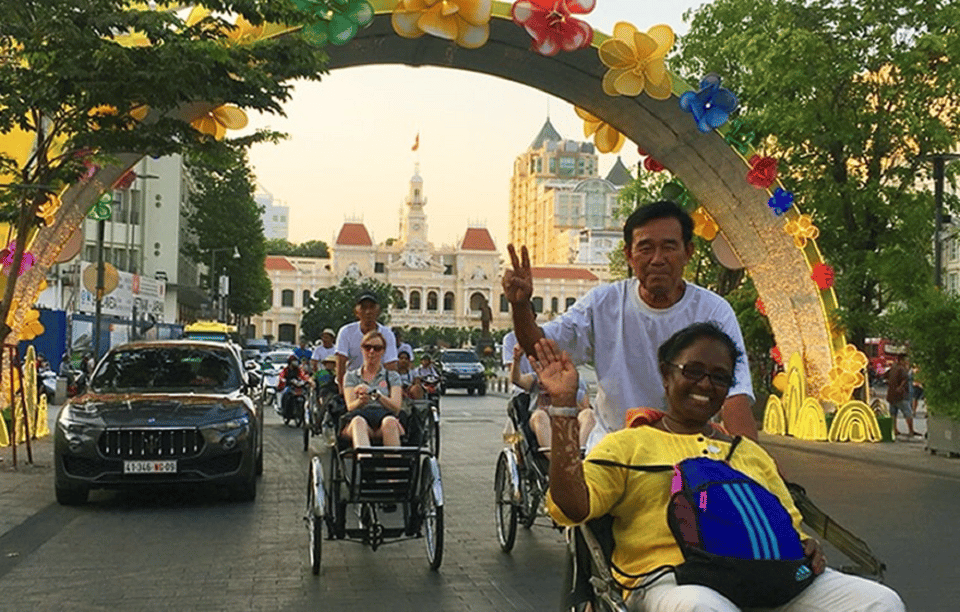
A day on a cyclo keeps HCMC moving at human speed. I love how this tour mixes major sights with local street rhythm, from the Opera House area to busy market lanes. You’ll also get a smooth English-speaking guide who ties together what you see and why it matters, without turning the ride into a lecture. One thing to consider: it’s a street-focused tour, so you’ll want to bring the right sun and insect gear and dress for coverage.
Two stops I really liked: the photo stop at Reunification Palace (you won’t go in, but the building is worth seeing up close), and the emotional arc of the War Remnants Museum at the end. I also appreciated the way the route threads together French colonial architecture, Vietnam War context, and city everyday life in a single 4.5-hour sweep. The main drawback is that the day packs in a lot of different vibes, so you’ll get the best value if you’re comfortable walking a bit and staying on schedule.
If you want a city tour that feels practical and personal, this is a strong pick. The cyclos are simple, eco-friendly rickshaws, and the guide helps you make sense of big landmarks fast. Just know it’s not suitable for pregnant women, and you’ll be most comfortable with knees-and-shoulders coverage in the heat.
In This Review
- Key highlights worth your attention
- 4.5 Hours in a Cyclo: What the Pace Feels Like
- Pickup in District 1 and the “Settle In” Moment
- Reunification Palace Photos Without the Crowds
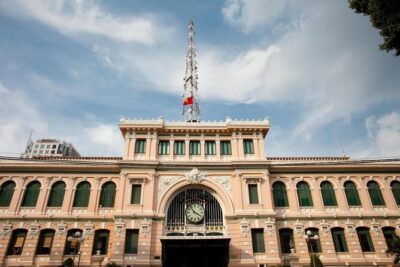
- Notre Dame Cathedral and the Post Office Interior
- The CIA Building Sight and the Last U.S. Helicopter Story
- Hotel Continental, Writers, and The Quiet American Film Footage
- Nguyen Hue Street: A 30-Minute Glide Through the City Center
- Old Market, Ben Thanh, Tao Dan Park, and Indian Temples
- Thich Quang Duc Memorial: A Moment That Changes the Mood
- War Remnants Museum: Where the Tour’s Theme Lands
- What’s Included (And Why It Changes the Value)
- Who This Tour Fits Best (And Who Might Want Something Else)
- Small Group Energy: Private Group Comfort
- Booking Advice: Should You Ride This Cyclo Tour?
- FAQ
- How long is the Ho Chi Minh City cyclo tour?
- What time does the tour start?
- Where is pickup included?
- Is the Reunification Palace visit inside or just outside?
- What landmarks do you stop at?
- What’s included in the price?
- Is this tour suitable for everyone?
Key highlights worth your attention
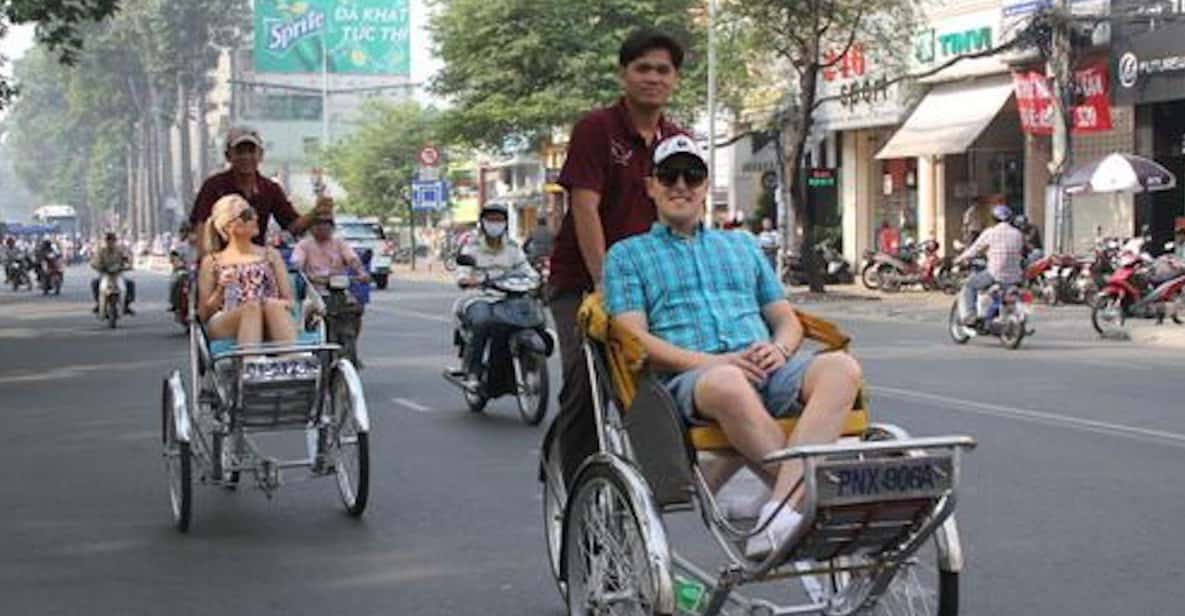
- Cyclo rides that feel like HCMC at street level, not from behind a bus window
- French colonial icons up close, including the Notre Dame Cathedral and the Post Office interior
- The 1975 Frequent Wind story tied to the CIA building sight
- Nguyen Hue Street on a 30-minute ride for big-city atmosphere and photos
- Thich Quang Duc Memorial for a meaningful pause in the middle of the tour
- War Remnants Museum to understand the Vietnam War from a perspective that hits hard
4.5 Hours in a Cyclo: What the Pace Feels Like
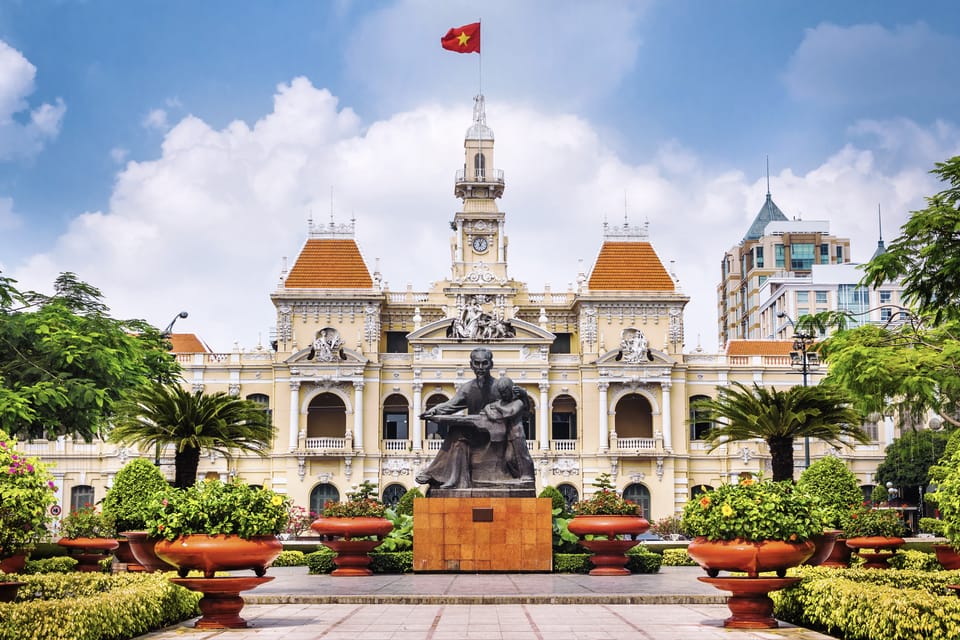
This tour is built around a simple idea: cover ground without losing the details. You start with hotel pickup from centrally located places in District 1, meet your English-speaking guide, and then switch onto a cyclo with your driver. In about 4.5 hours, you’ll move between major landmarks and neighborhoods without the stop-start feeling that can come with cars.
The pace is friendly, but it still adds up. You’ll do plenty of short transfers and some walking at key sights. If you’re the type who likes taking photos but also reading the meaning behind what you see, this works well. If you’re someone who wants long indoor time at each museum or zero walking, you might find the schedule a bit tight.
Also, cyclo travel is weather-dependent. Ho Chi Minh City can be hot and bright, so pack light but functional layers. Bring sunscreen, a hat, and insect repellant, and consider a light jacket for sun or cooler air-conditioned spaces.
You can also read our reviews of more guided tours in Ho Chi Minh City


Pickup in District 1 and the “Settle In” Moment
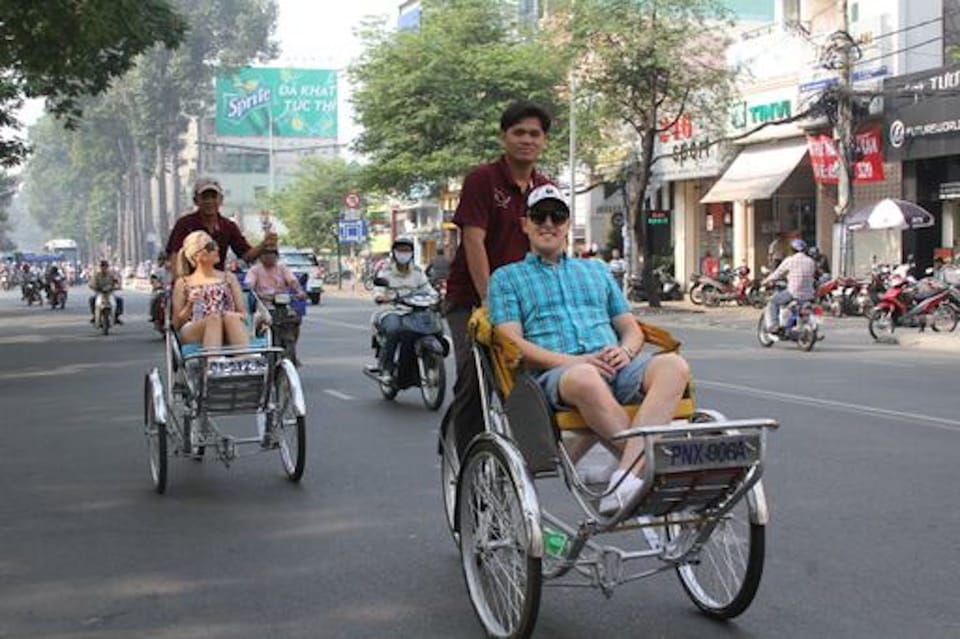
The tour’s logistics are made for convenience. Your cyclos pick up from very centrally located hotels and AirBnB in District 1, so you don’t burn time crossing town. After pickup, your guide introduces you to your driver and you hop on. That quick handoff matters, because it gets you rolling fast instead of waiting around.
Then comes the first real benefit: the guide helps you get oriented before the streets start blending together. You’re not just being transported; you’re being coached on what to look for next. That makes the later stops feel connected, from the French colonial blocks to the memorial and museum.
One practical note: if your accommodation isn’t in District 1, you’ll need to contact the operator in advance so they can discuss options. Planning that upfront keeps things smooth.
Reunification Palace Photos Without the Crowds
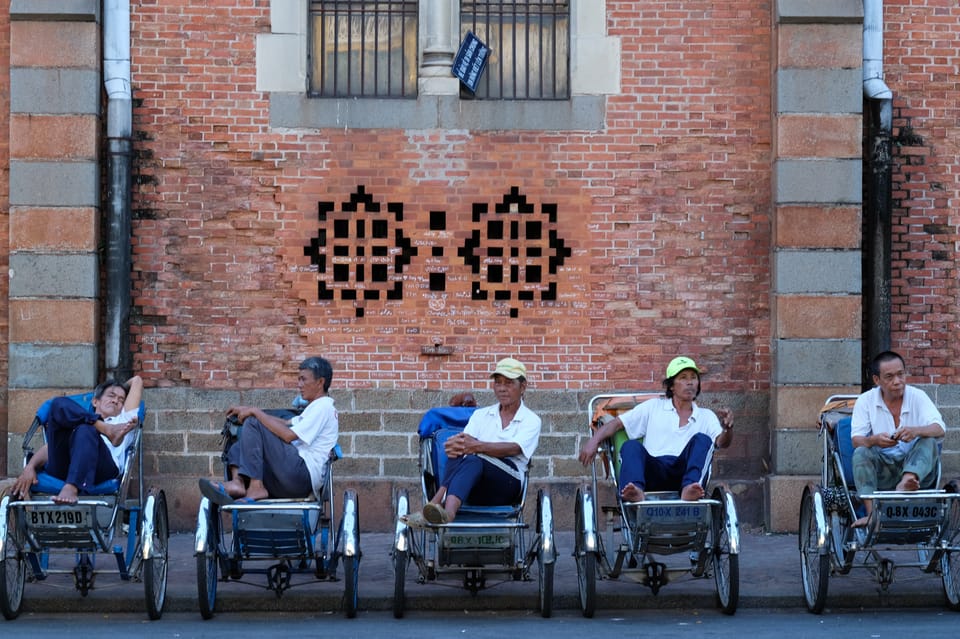
Your first major landmark stop is the Reunification Palace area. You’ll arrive there as your guide explains its history and significance, and you can take pictures. You won’t enter the palace on this tour, but the exterior and the setting are still a strong starting point.
Why that matters: you get the context early, so later war-related stops hit harder. Even without entry, it helps to hear what the site represents before you move on. Think of it as a guided setup for the tour’s overall theme.
If you love architecture and big historic buildings, you’ll likely enjoy this stop most. If you’re the kind of visitor who always wants to go inside every major site, you may feel that missing element later. Here, the trade-off is time and coverage: you’re keeping momentum for the rest of the day.
Notre Dame Cathedral and the Post Office Interior
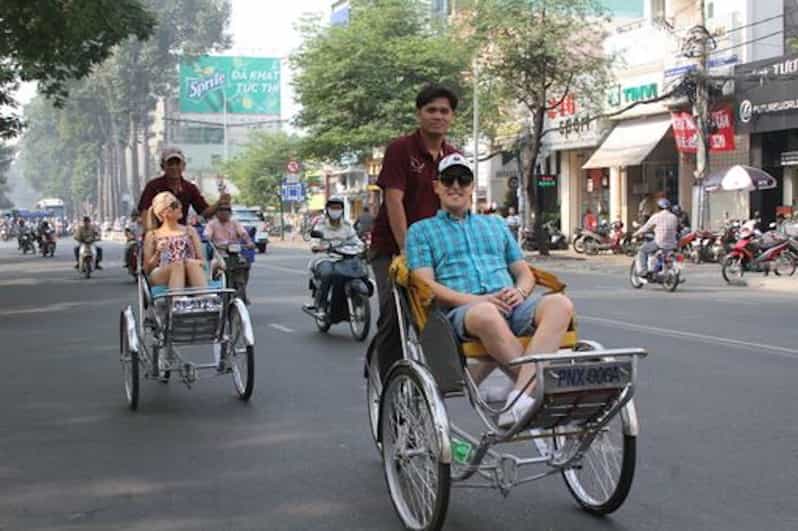
Next, you move through the classic French-era core. You’ll see the Notre Dame Cathedral and the Post Office, with time to admire the interior of these French Colonial buildings. Seeing the inside changes the whole experience. From the street, these structures can feel like photo backdrops. Inside, you get a clearer sense of how the space is designed and used.
This is where the tour earns its value for architecture lovers. It’s not just passing by. The route is timed so you get enough attention at each stop to notice details rather than rushing through the view.
One thing to expect: these are popular areas. You’ll want to be ready for movement through pedestrian spaces and for a quick rhythm at each interior. It’s still a guided experience with a clear plan.
The CIA Building Sight and the Last U.S. Helicopter Story
Then your guide takes you to a historic sight tied to 1975: the CIA Building, where the last U.S. helicopter flew out of Ho Chi Minh City during the final days. Your guide also explains the story behind the last U.S. operation, Frequent Wind.
You might not picture this moment clearly until someone explains it plainly. That’s what’s useful here. You see the building, and the guide gives you the event context so it doesn’t become just another urban structure.
This stop is a turning point in the tour’s emotional tone. It’s still in the city rhythm, still on cyclo, but it shifts from architecture and everyday streets into historical stakes. If war history makes you uncomfortable, give yourself a moment. That tension is part of what makes the later museum visit powerful.
You can also read our reviews of more city tours in Ho Chi Minh City


Hotel Continental, Writers, and The Quiet American Film Footage
After the French architecture and the Vietnam timeline, you ride to the Hotel Continental complex. This is a particularly fun stop if you like literary connections and film history.
Your guide shows you the roadside cafe at the Hotel along with the impressive Opera House area, and you’ll hear that writer Graham Greene and other famous writers called the hotel home during their Vietnam stays. You’ll also get the detail that scenes from The Quiet American were filmed in this area.
Here’s why this stop works: it adds texture. History in Ho Chi Minh City isn’t only in monuments and museums. It’s also in how foreign visitors moved through the city, wrote about it, and made stories. Even if you’re not a film buff, the link helps you see the city as lived-in, not just labeled on a map.
Nguyen Hue Street: A 30-Minute Glide Through the City Center
Then it’s back on the cyclo for a 30-minute ride along Nguyen Hue Street, one of the most beautiful streets in the city. This is your visual palate cleanser after more heavy history. You get a longer continuous ride, which makes it easier to relax and look around.
You also pass landmark context en route, including a view toward the Saigon River and the city’s tallest building, Bitexco. The ride gives you a sense of scale: this city has older layers, but it also keeps growing upward.
If you like street life, this is also a good stretch for watching how people move through the area. You’ll feel the city’s pace without needing to walk nonstop.
Old Market, Ben Thanh, Tao Dan Park, and Indian Temples
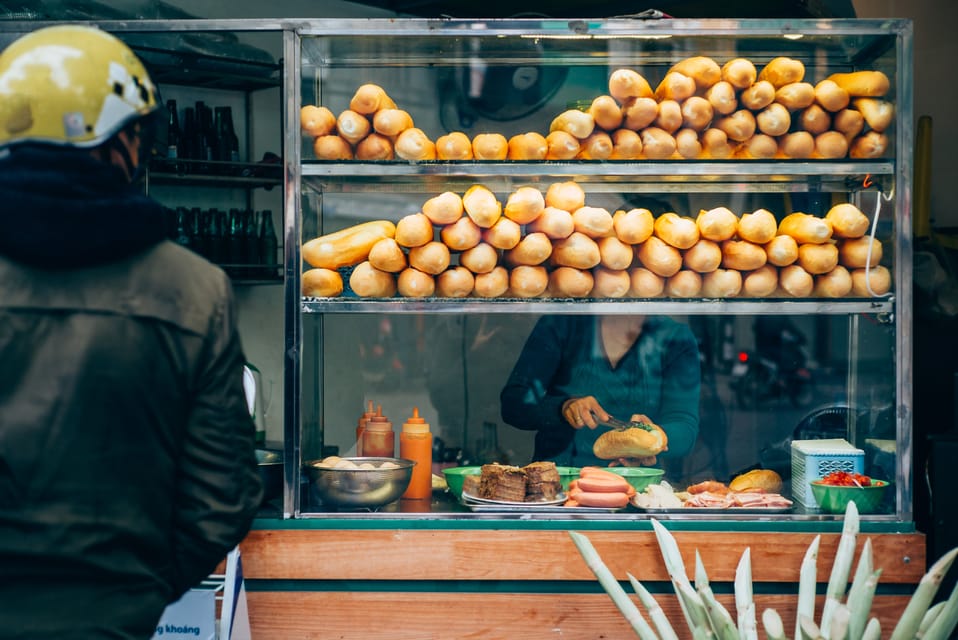
Next you head through the Old Market area, which is crammed with food products and street food stalls. This part is great for sensory travel. You’ll see snacks, ingredients, and the kind of casual commerce that can vanish once you only visit museums.
The tour keeps going through more neighborhood landmarks: you’ll pass Indian temples, see Ben Thanh market, and pass Tao Dan Park. These aren’t long, drawn-out stops, but they matter because they broaden what you think of as HCMC. It’s not only French architecture and war memory. It’s also religious variety, local shopping, and park space in the middle of traffic.
Practical tip: if you want to eat later, don’t assume you’ve sampled everything during this stop. You’ll likely get glimpses rather than a full food crawl. The included banh mi helps, and you can use the market time to spot what you want to try afterward.
Thich Quang Duc Memorial: A Moment That Changes the Mood
After the city streets and market energy, you cycle to the Thich Quang Duc Memorial, where your guide explains its history and significance. This is an important pause in the itinerary. It slows the emotional tempo right before the tour’s final museum stop.
Why I think this stop is valuable: it gives you a lens beyond battles and politics. You learn about a specific moment of sacrifice and its lasting meaning. Even if you’ve read about the event before, a guided explanation tied to the memorial location helps it land differently.
You’ll want a few quiet minutes here. This isn’t the kind of spot where you can rush through and absorb the point.
War Remnants Museum: Where the Tour’s Theme Lands
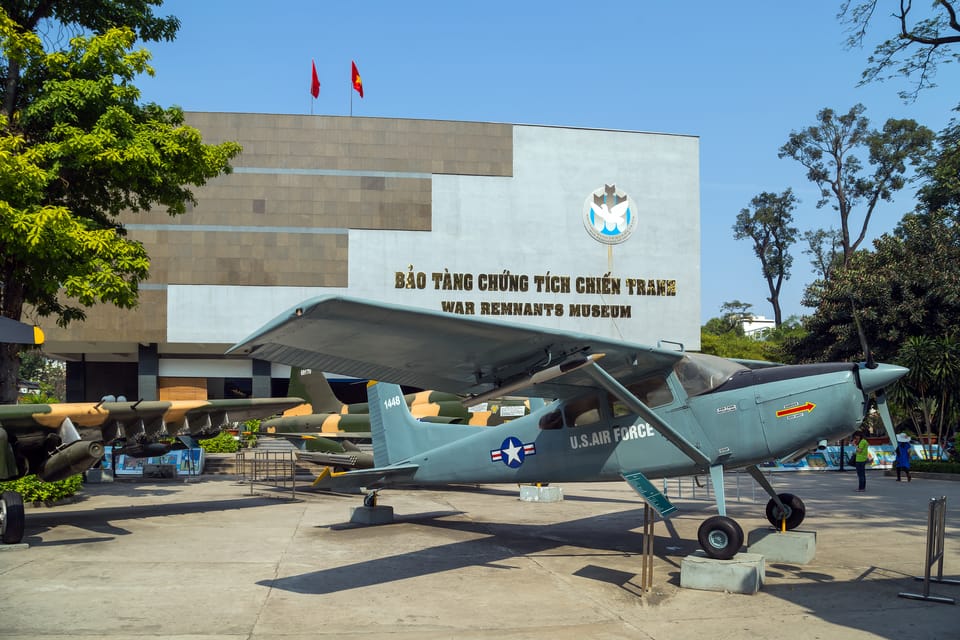
Your last stop is the War Remnants Museum. This is the emotional payoff, and your guide sets expectations that you may feel moved by Vietnam’s upsetting past. The museum is presented as a must-see place to learn about the Vietnam War from a different perspective.
I like ending the tour here because it makes earlier sights feel less random. The cyclo route has already moved you through colonial structures, wartime escape history, and memorial context. Now you get the deeper historical framing in an actual museum setting.
Be prepared: this is heavy material. If you’re short on emotional stamina, it helps to remember you’re not expected to feel okay quickly. Plan to take your time where possible and to step out for a breather if you need it.
What’s Included (And Why It Changes the Value)
At $60 per person, the big value isn’t only the transport. It’s what’s bundled.
Included are:
- Cyclo & driver
- English-speaking guide
- All entrance fees and taxes
- Taxi after the tour back to your accommodation
- Banh mi sandwich and two bottles of water
That taxi drop-off is a small detail that makes a difference. After a 4.5-hour day with multiple stops, you don’t want to negotiate your way home. You want to sit down and decompress.
The included banh mi also helps keep you steady. Markets and hot streets can drain you, and it’s nice to have food handled during the tour instead of hunting for lunch mid-route.
The only part that can cost extra is personal spending, which usually means snacks beyond the included banh mi or souvenirs.
Who This Tour Fits Best (And Who Might Want Something Else)
This is a great fit if you want:
- A guided city route that hits major Ho Chi Minh City highlights
- A mix of architecture, war history, and street-level neighborhoods
- An English guide who connects what you’re seeing to the story behind it
You might want a different option if:
- You dislike heavy historical topics and prefer lighter sightseeing only
- You strongly prefer going inside every landmark (since Reunification Palace is photo-only here)
- You’re not comfortable with outdoor time in the heat, given the street-heavy route
Also, it’s explicitly not suitable for pregnant women. If that affects your group, look for alternatives that match your needs.
Small Group Energy: Private Group Comfort
This is a private group setup, which usually means less time waiting and more flexibility in how your guide answers questions. You also get a calmer feel than on large group tours, especially around interior spaces and busy streets.
That private-group factor can be one of the best value boosts. It’s easier to get your bearings, and you’re more likely to get clear, direct answers from your guide instead of hearing only the generic version.
Booking Advice: Should You Ride This Cyclo Tour?
Book this tour if you want a well-shaped introduction to Ho Chi Minh City that combines French colonial architecture with war memory and local street life. The cyclo format is practical, and the guided storytelling helps the major stops connect instead of feeling like disconnected checkboxes.
I’d skip or look for a different plan if you only want casual sightseeing and don’t want museum-heavy topics. Also, if you’re the type who needs every major site to include an interior visit, note that Reunification Palace isn’t entered on this tour.
If you’re aiming for a single, high-value afternoon or morning that shows you both the city’s big landmarks and its everyday pulse, this is a solid choice.
FAQ
How long is the Ho Chi Minh City cyclo tour?
The tour runs for 4.5 hours.
What time does the tour start?
It starts at 8:00 AM for the morning tour and 1:30 PM for the afternoon tour.
Where is pickup included?
Pickup is included from centrally located hotels and AirBnB in District 1.
Is the Reunification Palace visit inside or just outside?
You’ll visit the Reunification Palace area for photos, but you will not enter the landmark on this tour.
What landmarks do you stop at?
You’ll see and/or visit areas including Reunification Palace, Notre Dame Cathedral and the Post Office interior, the CIA Building related to Frequent Wind, the Hotel Continental complex and Opera House area, Nguyen Hue Street, Old Market, Ben Thanh market, Tao Dan Park, Thich Quang Duc Memorial, and the War Remnants Museum.
What’s included in the price?
The price includes entrance fees, taxes, cyclo and driver, taxi at the end, an English-speaking guide, banh mi sandwich, and two bottles of water.
Is this tour suitable for everyone?
It is not suitable for pregnant women. The tour also asks for respectful dress with knees and shoulders covered.