REVIEW · HO CHI MINH CITY
HCMC:Cu Chi Ben Duoc Tunnels:Authentic & Less Touristy-Max10
Book on GetYourGuide →Operated by HANA TOURIST VIP · Bookable on GetYourGuide
Ben Duoc feels like a secret route underground. This small-group tour from Ho Chi Minh City shows the Cu Chi Ben Duoc tunnels in a calmer, less touristed setting, with an English-speaking guide explaining how Viet Cong fighters hid and survived.
I love the small group setup (max 10) and the hotel pickup from Districts 1, 3, and 4, so you spend less time herding with strangers and more time paying attention to what you’re seeing. I also like the practical tunnel experience: you don’t just stand and look—you crawl through narrow passages, spot camouflaged trapdoors, and see command and medical bunker areas, then try wartime-style cassava with tea.
The main drawback is physical: this is hot, claustrophobic, and you shouldn’t book if you have back or heart problems or if crawling in tight spaces is a hard no for you.
In This Review
- Key things to know before you go
- Ben Duoc vs Ben Dinh: a Cu Chi day that feels less crowded
- 7-hour logistics from HCMC: pickup, ride, and timing that actually works
- The first stop at Ben Duoc: documentary, layout, and the guide’s role
- Crawling the tunnels: trapdoors, booby traps, and choosing your comfort level
- Wartime cassava and tea: the food stop that adds context
- Optional gun range: fast adrenaline, loud sound, extra fee
- Price and value: why $22 can feel like a win
- Who should book this Ben Duoc tunnels tour (and who should skip)
- Should you book with HANA TOURIST VIP?
- FAQ
- How long is the Cu Chi Ben Duoc Tunnels tour?
- Where do you get picked up in Ho Chi Minh City?
- How big is the group?
- What’s included in the price?
- Is the shooting range included?
- What languages are the guides?
- What should I bring?
- Are there health restrictions?
Key things to know before you go
- Ben Duoc instead of Ben Dinh: fewer crowds and a more original feel
- Small group max 10: quicker questions, more patience, more personal pacing
- Tunnel crawl plus trap details: hidden trapdoors, deadly booby traps, underground kitchens
- Wartime snacks included: cassava and tea (tapioca-style) plus bottled water and a sweet cake
- Optional shooting range: AK-47 or M16 is extra, and it’s loud even with ear protection
Ben Duoc vs Ben Dinh: a Cu Chi day that feels less crowded
If you’re imagining Cu Chi as a full-on theme park, this tour aims for the opposite vibe. The Ben Duoc site is the quieter option, and that matters. With fewer people around, you can actually hear your guide’s stories, follow the history more clearly, and take a breath before you squeeze into the next passage.
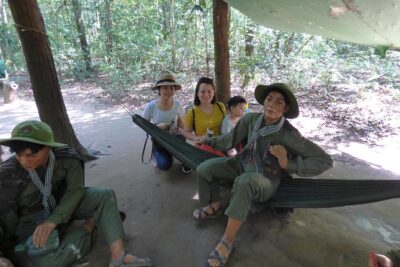
That also changes the emotional tone. Ben Duoc is still intense and sobering, but it feels less like a scripted stop and more like you’re walking through a real underground system. You get to see how survival depended on secrecy, speed, and hiding places that were easy to miss—exactly the sort of detail that gets lost when tour groups move in a rush.
You’ll also get a short documentary at the start. The audio isn’t perfect in every run (one guide’s group experience noted the sound needs improvement), but the visuals set the stage for what you’re about to crawl into.
You can also read our reviews of more tours and experiences in Ho Chi Minh City.

7-hour logistics from HCMC: pickup, ride, and timing that actually works
This is a half-day style tour, but plan for a total of about 7 hours from pickup to drop-off. The timing is split into two departures:
- Morning pickup: around 7:30–8:00 AM
- Noon pickup: around 12:00–12:30 PM
The pickup options are practical: you’re served from hotels in District 1, District 3, and District 4. That’s a sweet spot for visitors who want a straightforward start without extra taxis.
The ride is usually the “quiet setup” part of the day. You go out of the city by air-conditioned vehicle, and you’ll likely get a comfort stop along the way. One small-group experience mentioned a brief pause plus chances to buy drinks or snacks, and another noted Wi‑Fi in the van—so you’re not just sitting in silence the whole time.
What I like most about this setup is pacing. With hotel pickup, you skip the awkward planning step. And with a smaller group, you’re less likely to feel rushed when you pause for photos or when the guide answers your questions about what you’re seeing underground.
The first stop at Ben Duoc: documentary, layout, and the guide’s role
Right when you arrive, you watch a short war documentary. Think of it as the “how to read the tunnels” primer. It helps if you’re not already familiar with why the Cu Chi network mattered and how underground living worked beyond just hiding from bombs.
Then your guide takes over. This is where the tour gets its edge. People consistently praise guides such as Ken, Tri, Tony, Linda, and Rose for being funny, energetic, and clear in English. They’re not just reciting facts. They connect the tunnel features to daily life—where command spaces were located, how storage and medical areas were organized, and why the underground design focused on surprise and protection.
One extra detail I value: you’re not only shown the tunnel mouth and exit points. You’re guided through the logic of the system—where people worked, where supplies went, and why certain sections were more dangerous or harder to access.
Crawling the tunnels: trapdoors, booby traps, and choosing your comfort level
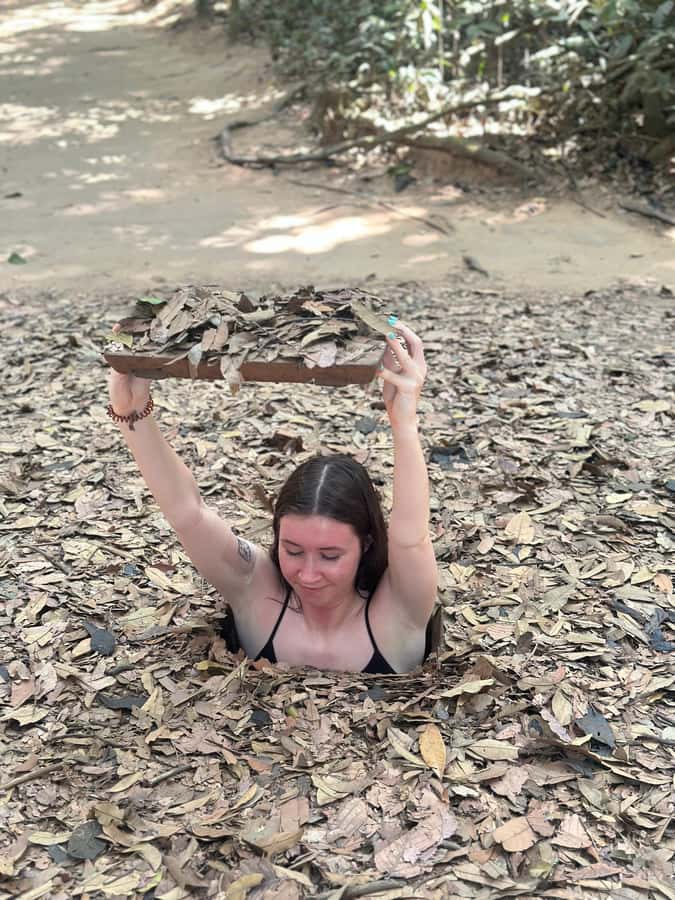
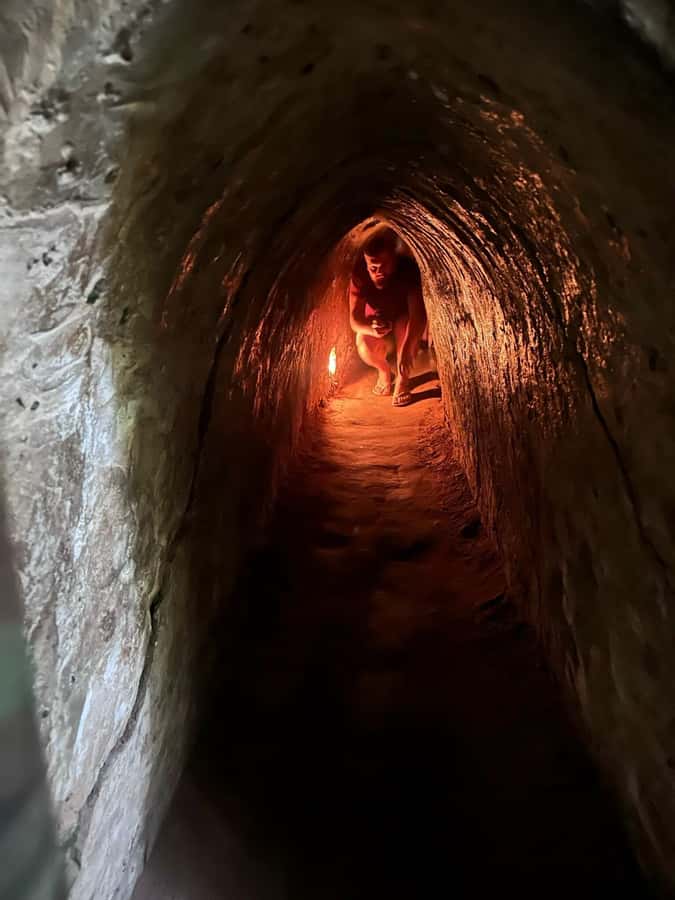
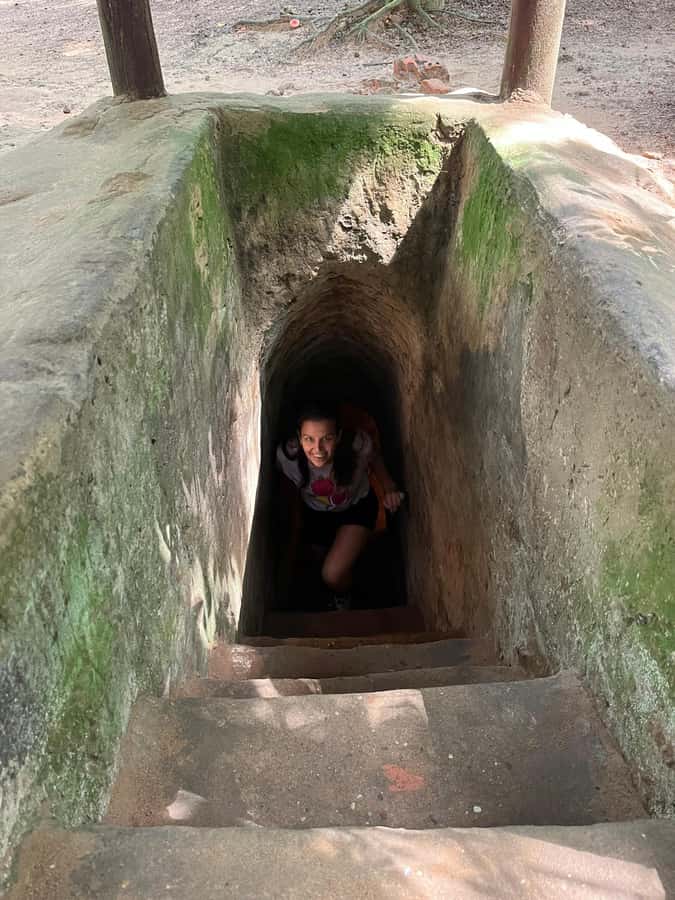
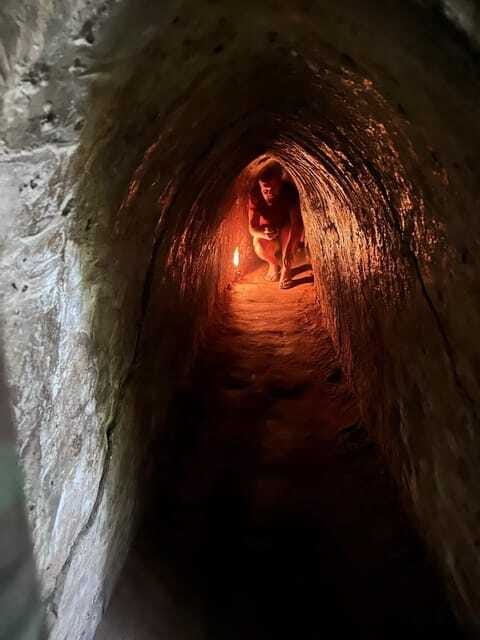
This is the heart of the experience. You’ll explore the Ben Duoc tunnel system by crawling through narrow underground passageways. Expect tight spaces, low light, and heat. That’s not a “maybe”—that’s the point. The Viet Cong tunnels weren’t built for sightseeing; they were built for hiding.
During the walk-through, you’ll see several features that bring the history to life:
- Camouflaged trapdoors (where the danger is easy to miss)
- Booby traps and hidden mechanisms
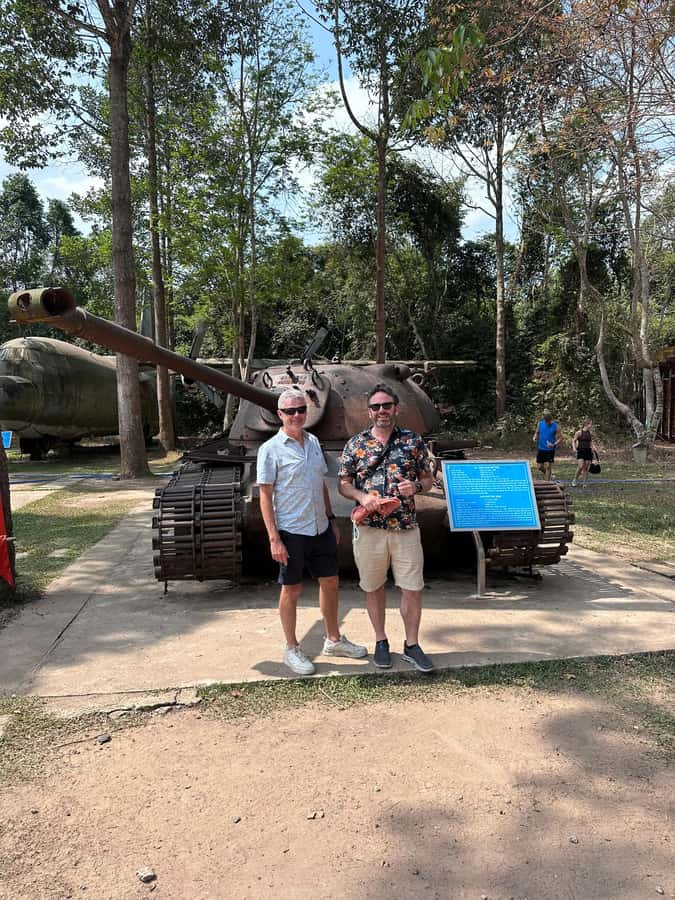
- Command centers and weapon storage areas
- An underground hospital bunker
- Underground kitchens and food-processing spaces
The tour also tends to include options for different comfort levels. One experience highlighted that there are different tunnel choices with varying difficulty and length, and the guide helped coordinate how people handled the crawl—so you’re not automatically trapped into doing the longest or tightest route.
This matters if you’re nervous about claustrophobia or physical strain. The tour is still physically demanding, but the guide approach can help you avoid the situation where everyone “does it all” or nobody does anything.
Practical tip: bring your camera (it’s listed as the recommended item). And if you go in the warmer months, don’t forget insect repellent—one guide group specifically called this out as useful at the site.
Wartime cassava and tea: the food stop that adds context
This isn’t a random snack break. The inclusion of wartime food helps you understand the tunnel system as a place people lived—not just a defensive structure.
You’ll get cassava (tapioca-style) with tea, presented as the kind of staples soldiers relied on underground. It’s a small stop in time, but it’s a big stop in meaning. When you’re underground and moving through a cramped network, seeing how food worked in that environment makes the day feel more real.
Along with that, you’ll have drinking water included, plus a sweet cake and some cooling tissues. These are simple things, but after the crawl, your body will care more than your brain.
If you’re the type who likes to know what something costs and what’s included, this is one of the reasons the price feels fair. The cost isn’t only paying for access to “the tunnel.” You’re also getting the guide interpretation and the basic refueling.



Optional gun range: fast adrenaline, loud sound, extra fee
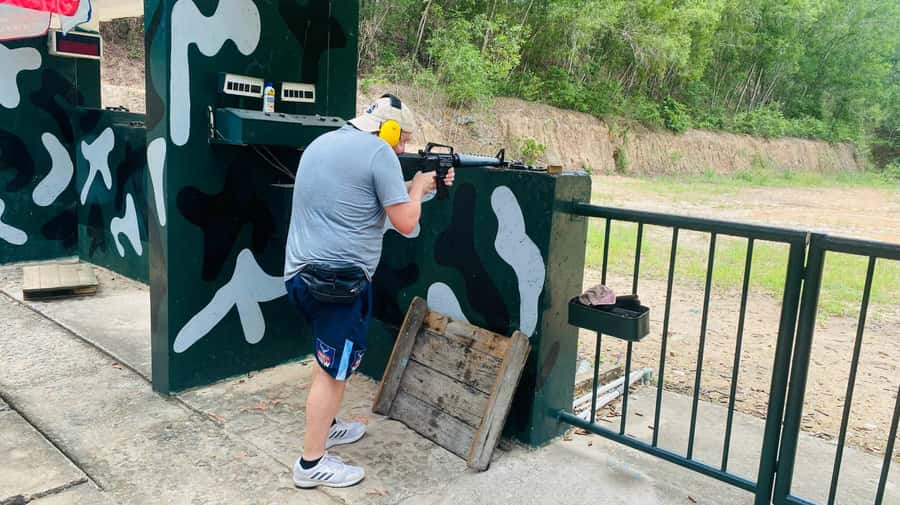
If you want a sharper adrenaline boost, there’s an optional shooting range. You can try firing real guns such as an AK‑47 or M16, but there’s an extra fee for this part.
Two things to know upfront:
- It’s really loud. Even with ear protection provided, one group noted the noise can still be intense if there are multiple people at once.
- You should decide based on your comfort level, not just curiosity. The tunnel crawl is already physically and mentally heavy for many people; the gun range can push the day from “historical immersion” into “high-sensory mode.”
If you do the range, go in with the mindset that it’s an optional add-on, not the main story. The tunnels are the main event.
Price and value: why $22 can feel like a win
At $22 per person, this tour can be good value because several key items are bundled in:
- Hotel pickup and drop-off (from selected districts)
- English-speaking guide
- Air-conditioned vehicle
- Entrance fee
- Water, a sweet cake, and cool tissue
The optional gun range is extra, but you can skip it and still get a full, meaningful tunnel experience plus snack and transport. For many visitors, the hidden cost of Cu Chi is getting there efficiently from the city and finding a guide who can explain what you’re actually seeing. This tour handles the hard parts for you.
One more value point: the small group size. When there are fewer people, guides can pace the tunnel sections and give individual attention. That’s not just comfort—it’s part of how well you understand what you’re looking at.
Who should book this Ben Duoc tunnels tour (and who should skip)
This tour fits best if you want:
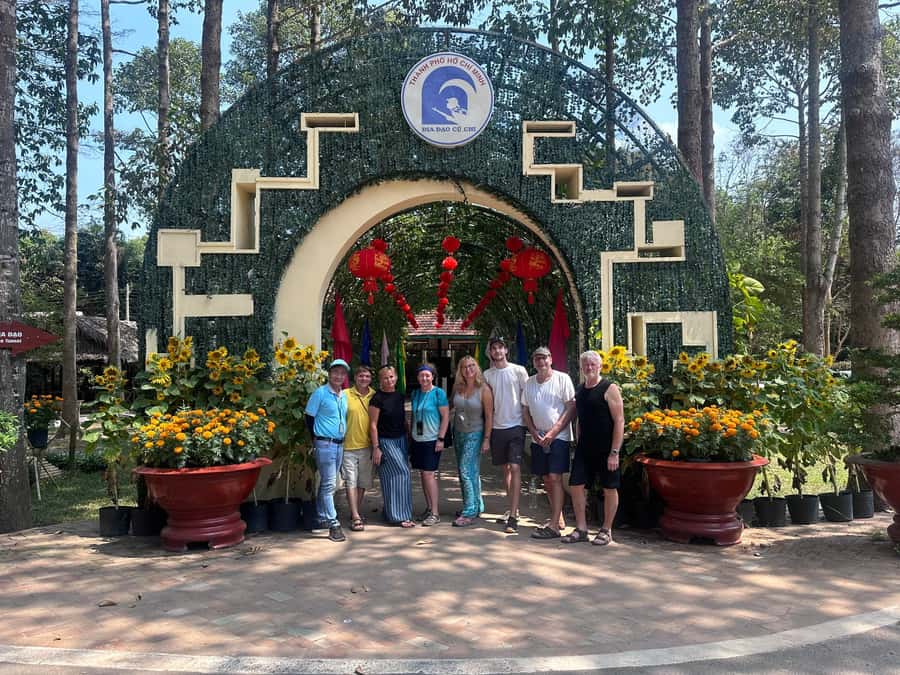
- A less touristy Cu Chi experience at Ben Duoc
- A guided explanation while you crawl through the tunnels
- A small-group feel with max 10 participants
- A mix of physical experience and history, plus cassava and tea
You should skip or at least think hard before booking if:
- You have back problems or heart problems (explicitly not suitable)
- You strongly dislike tight, claustrophobic spaces
- You’re sensitive to heat and want an easy, low-physical-activity day
That said, the guide approach can matter. Some groups reported that shorter tunnel options and coaching helped people participate even if they were less inclined to do the full crawl route. So if your limits are about pacing or tunnel length, talk to your guide on-site and choose what fits your comfort.
Should you book with HANA TOURIST VIP?
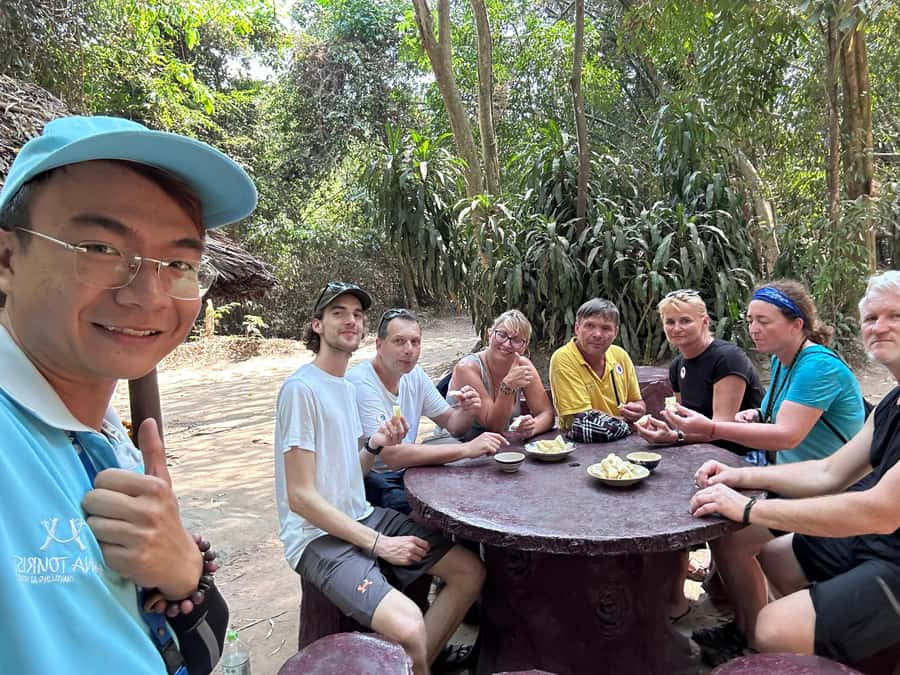
If you want Cu Chi without the big-crowd stress, I think this is a smart choice. The biggest wins are Ben Duoc’s quieter atmosphere and the small group size, which makes the tour feel more personal and easier to follow. Add in hotel pickup from central districts and included water and snacks, and the day feels well packaged for the money.
I’d only hesitate if you know you can’t handle tight underground spaces or if you have health reasons the tour flags as unsafe. If that’s not you, this is one of the more practical ways to see a real slice of the Cu Chi story without turning it into a rushed checklist.
FAQ
How long is the Cu Chi Ben Duoc Tunnels tour?
The total duration is about 7 hours, with a morning departure around 7:30–8:00 AM and a noon departure around 12:00–12:30 PM.
Where do you get picked up in Ho Chi Minh City?
Pickup is included from select hotels in District 1, District 3, and District 4.
How big is the group?
The tour is limited to a small group with a maximum of 10 participants.
What’s included in the price?
Included are hotel pickup and drop-off (from select districts), an English-speaking tour guide, air-conditioned transport, entrance fee, a sweet cake, drinking water, and cool tissue.
Is the shooting range included?
No. The shooting range is optional and has an extra fee.
What languages are the guides?
The tour is run with English and Vietnamese language support.
What should I bring?
A camera is listed as the recommended item to bring. One site tip also mentioned insect repellent can be helpful.
Are there health restrictions?
Yes. The tour is not suitable for people with back problems or heart problems.