REVIEW · HO CHI MINH CITY
Hands-On Vietnamese Cooking Lesson in Small Group
Book on GetYourGuide →Operated by Saigon Cooking Class · Bookable on GetYourGuide
Vietnam on a plate beats reading menus. This hands-on class puts you at the stove following the chef’s lead, often with names like Viviane, Vy, Wan, Oanh, or Lei showing you the rhythm of Vietnamese cooking. I especially like the step-by-step workflow and that you cook and taste what you make, course by course. One possible drawback: the pace is active, so expect to chop, mix, and cook right away rather than watching from the sidelines.
For me, the best part is how practical it feels. You’ll work at your own station with your own ingredients, learn what different herbs and aromatics are doing, and leave with a digital recipe folder you can actually use later. Menus can be adapted for vegetarian or allergies, but you’ll want to be clear during booking so the kitchen can plan ahead.
In This Review
- Key highlights worth your morning
- Meeting Point at 80 Nguyen Trai Street, District 1
- What You’ll Cook: a 3-course meal with Viet flavor logic
- The hands-on setup: your station, your ingredients, no guessing
- Vietnamese kitchenware and the tools you’ll want again
- Learn the flavor system: herbs, aromatics, and natural ingredients
- The rhythm of the class: cook, taste, adjust, repeat
- Chef style you can trust: friendly, organized, and English-ready
- What’s included (and what you should plan for)
- Take-home digital recipes you can actually use
- Who should book this cooking lesson in Ho Chi Minh City?
- Should you book Saigon Cooking Class?
- FAQ
- How long is the cooking class?
- How many dishes do I cook and eat?
- Is the class vegetarian or allergy-friendly?
- Is the class taught in English?
- What’s included in the price?
- Where do I meet the group?
Key highlights worth your morning
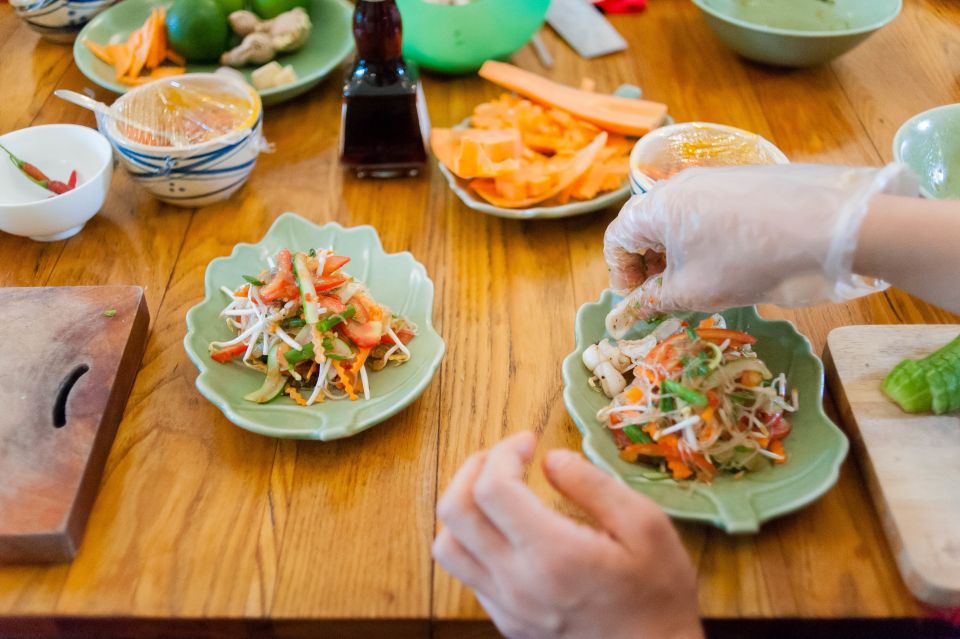
- Small-group, hands-on cooking where you work at your own prep setup, not just observe.
- Chef-led, step-by-step instruction in English, with a friendly tone that keeps things moving.
- Course-by-course eating so the learning happens while you’re tasting what you’re making.
- Natural ingredients and Vietnamese herbs that show up in real dishes, not just theory.
- Digital recipes to take home, so you can recreate the food without guessing.
Meeting Point at 80 Nguyen Trai Street, District 1
The class meets at 80 Nguyen Trai Street, District 1. The directions are simple: take the small alley, then look left when you spot the group.
Why this matters: District 1 can feel busy and confusing if you’re arriving on foot or by taxi. Having a clear landmark helps you avoid the classic holiday stress of searching right before class starts.
The class runs 10:00 am to 1:00 pm, so plan to arrive a few minutes early. You’ll want that buffer to settle in, meet the chef, and get your station ready.
You can also read our reviews of more tours and experiences in Ho Chi Minh City



What You’ll Cook: a 3-course meal with Viet flavor logic
The core promise is a three-dish meal cooked together over about three hours. The materials also describe a “four-course” experience, so you’ll want to treat this as day-to-day kitchen planning: the included meal is listed as three dishes, and the menu format can vary.
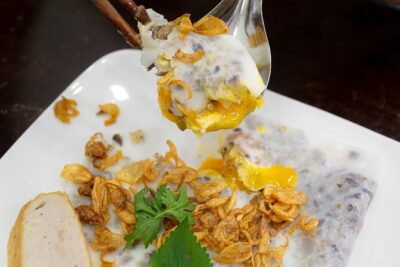
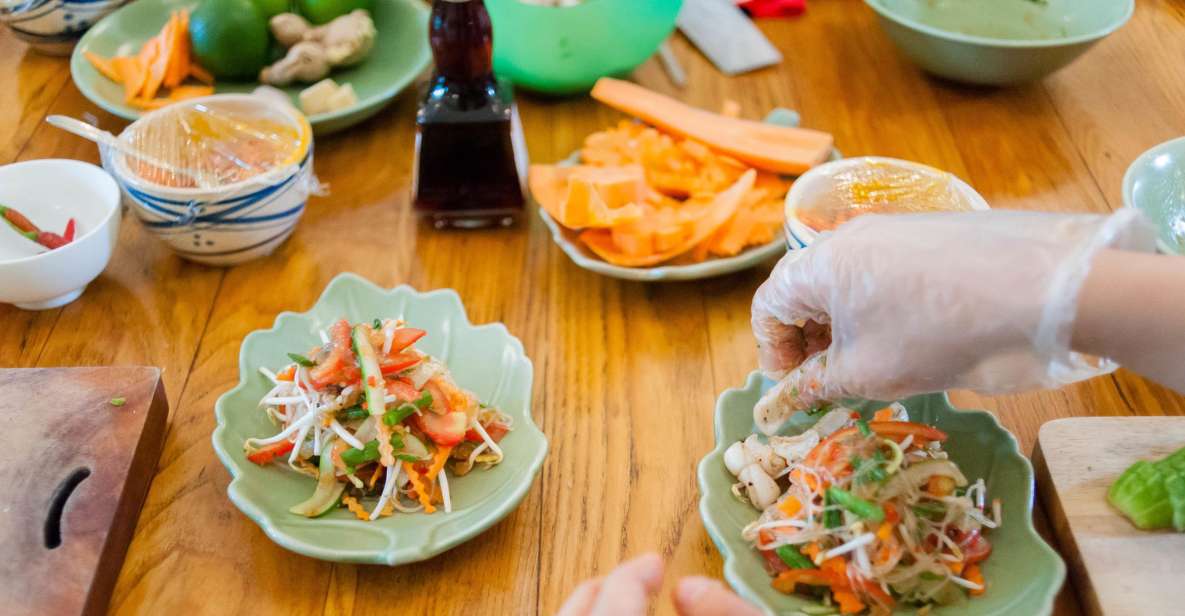
Either way, the structure is the same idea: you make a dish, eat it, then move to the next. Reviews point out that you’ll do things like spring rolls, a Vietnamese-style salad, and pho at least on some menus. Other course possibilities include dishes such as bánh xèo and mango salad depending on what the chef has planned.
Here’s why this menu format is useful for you:
- You learn technique without losing the plot. You’re not memorizing steps for later; you’re doing them immediately.
- You taste as you go, so you understand why the flavors work (sweet, sour, salty, herb-forward).
- You build confidence because each course teaches a distinct skill: wrapping, balancing, or broth-building.
If you have dietary needs, this is one of the better parts of the class. The menu can be adapted to vegetarian or to food allergies, and you just need to note it during booking.
The hands-on setup: your station, your ingredients, no guessing
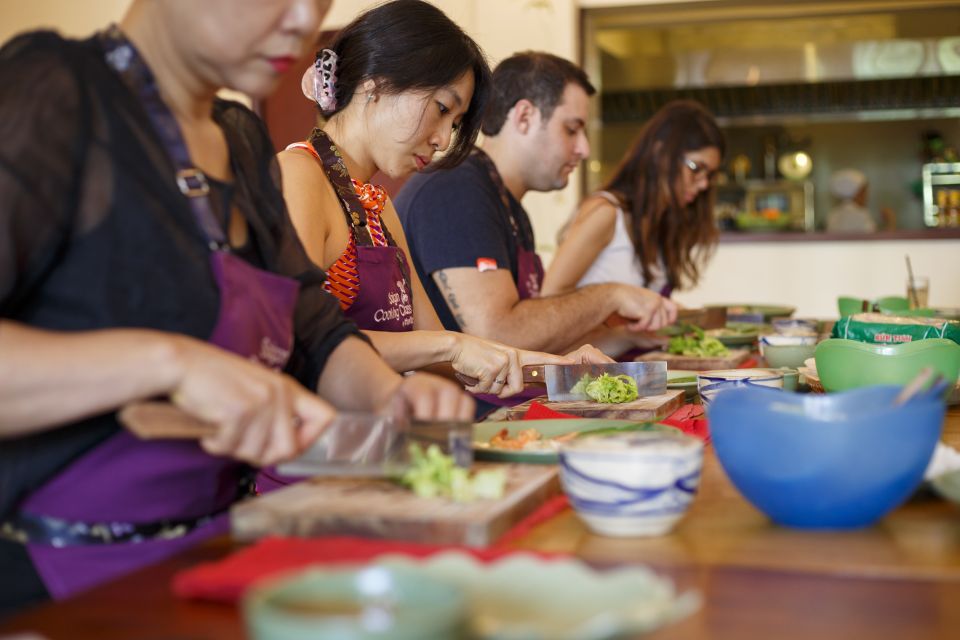
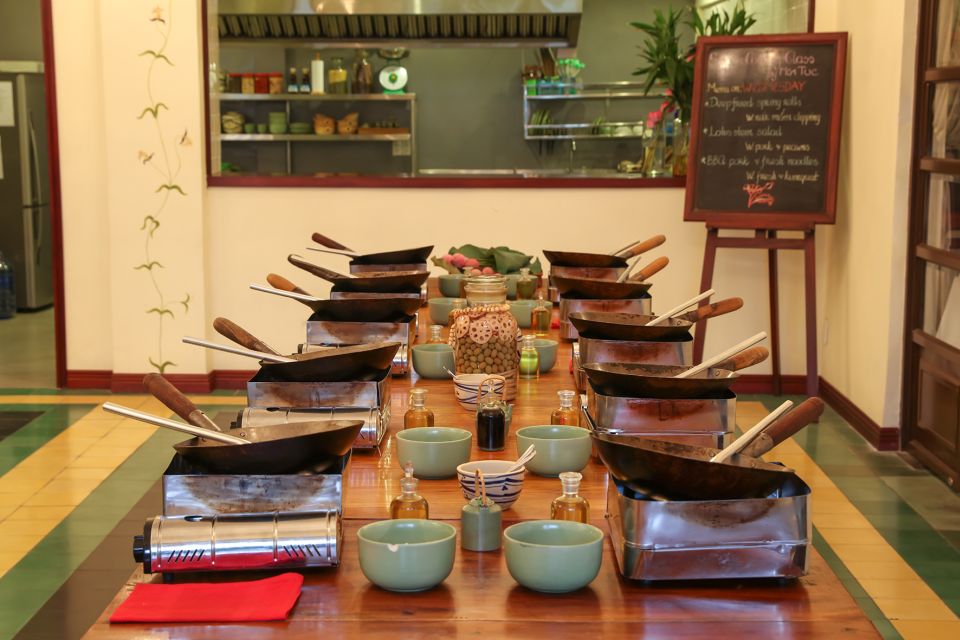
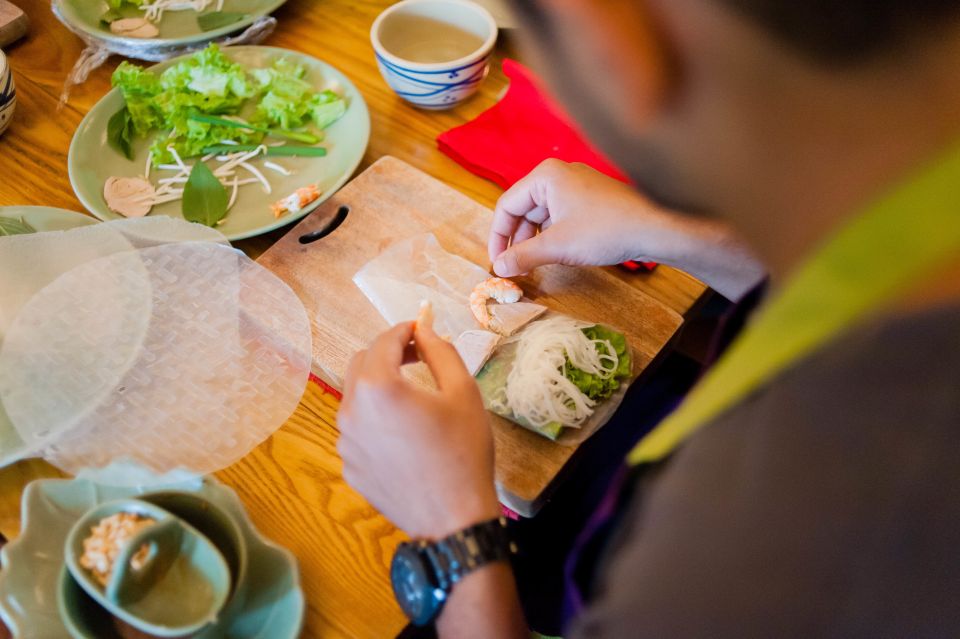
This is a cooking class where you cook with the group, but you’re not competing for shared tools. Each person gets their own material and ingredients, which helps you learn the actual technique instead of relying on someone else’s finished plate.
In plain terms, you’ll be doing the work. Mixing, chopping, assembling, and cooking are all part of the experience. One review mentioned that some prep may be done ahead of time, so you might not start from a completely blank stage (for example, some ingredients may be prepped so the class stays on schedule). That doesn’t make it less educational. It just keeps the session realistic for a three-hour window.
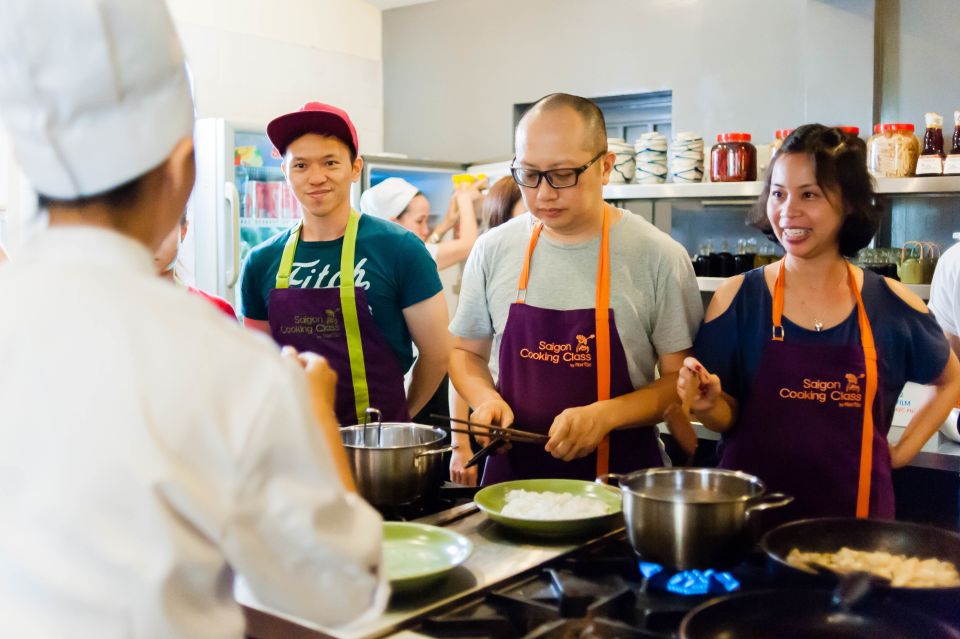
Expect a warm kitchen atmosphere. The vibe is friendly and organized, with an emphasis on step-by-step guidance from the chef and a helpful team.
English instruction is included, which matters if you don’t want to rely on hand gestures for ingredients, timing, and seasoning decisions.
Vietnamese kitchenware and the tools you’ll want again
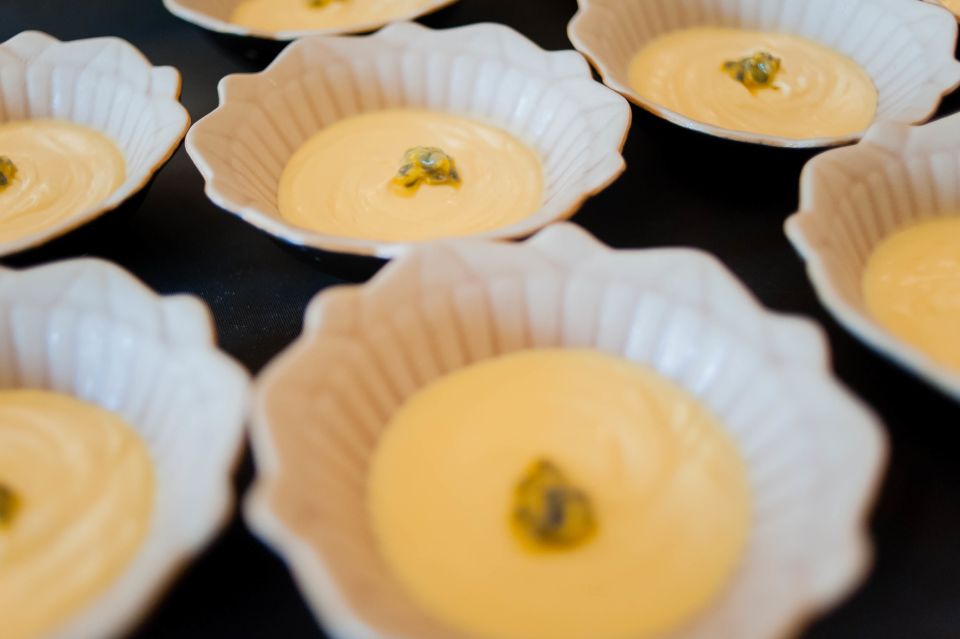
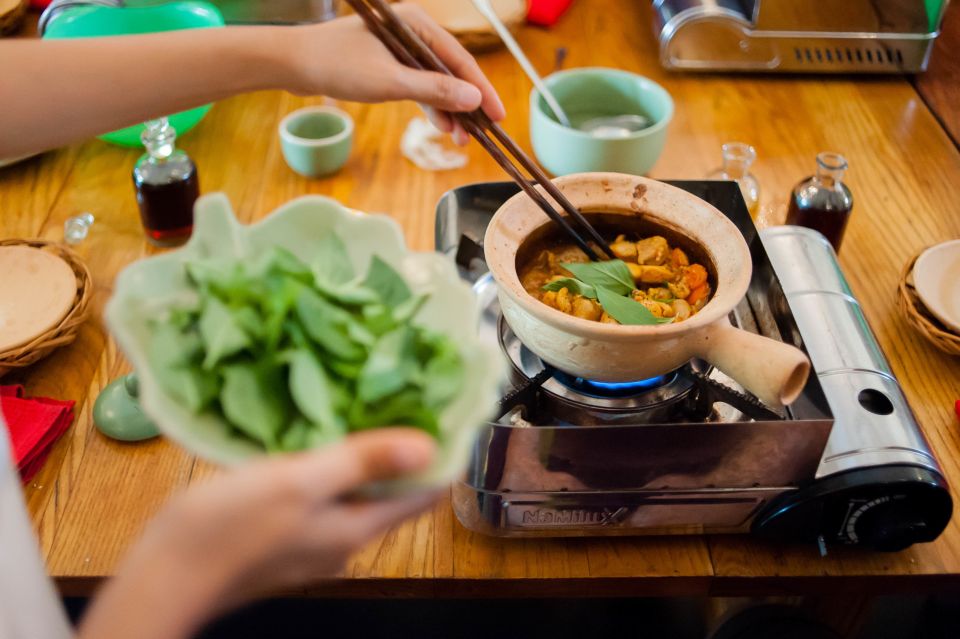
You’ll also get a taste of the practical side of Vietnamese cooking, including Vietnamese kitchenware used for cooking. That may sound minor, but it’s not.
Many home cooks fail not because they lack ingredients. They fail because they don’t have the right tool or technique for the dish. Watching and using the cookware means you’re learning the “how,” not just the “what.”
You’ll likely handle things like:
- tools for chopping and prepping herbs
- items used for wrapping and assembling
- cookware suited to dishes that need quick heat and careful timing
Even if you don’t buy Vietnamese tools afterward, you’ll at least know what role the cookware plays. That makes it much easier to substitute at home.
Learn the flavor system: herbs, aromatics, and natural ingredients
This class leans on natural ingredients and herbs. That’s not just a marketing line. It affects what you’re tasting and learning.
Vietnamese cooking often hinges on the way aromatics and herbs interact with acid, salt, and sweetness. So you’re not only learning recipes. You’re learning flavor building blocks.
A few examples from the types of dishes you might make:
- Spring rolls teach the balance between fresh herbs, salty fillings, and dipping sauces.
- Pho-style courses teach how aromatics shape the broth’s scent and depth.
- Salads and mango-based dishes teach how lime or another sour element wakes everything up.
- Bánh xèo teaches batter behavior and the timing of a quick-cook dish.
You’ll also hear explanations about ingredients and how they’re used. The chefs in the class have a reputation for being clear and patient, which matters when you’re asking questions in the middle of cooking chaos.
One practical note: if you’re hoping for the class to be a full-on DIY workshop where you do every tiny prep task yourself, you might be surprised by how much setup the kitchen prepares in advance. The payoff is that you’ll still finish, eat, and learn without running out of time.




The rhythm of the class: cook, taste, adjust, repeat
The format is straightforward and effective:
- The chef demonstrates.
- You follow along step by step.
- You cook your dish with your own ingredients.
- You eat it as a group.
- Then you move to the next course.
That course-by-course flow keeps the experience from turning into a long cooking-only slog. You’re tasting as you go, so the flavors make sense instantly.
A lot of the best reviews mention that the class is well planned and delivered on time. That matters because cooking classes can easily drift. Here, you get a clear timeline with the meal included, plus water and iced tea.
And yes, you’ll likely eat what you make. That’s the point: learning sticks when you connect technique to taste.
Chef style you can trust: friendly, organized, and English-ready
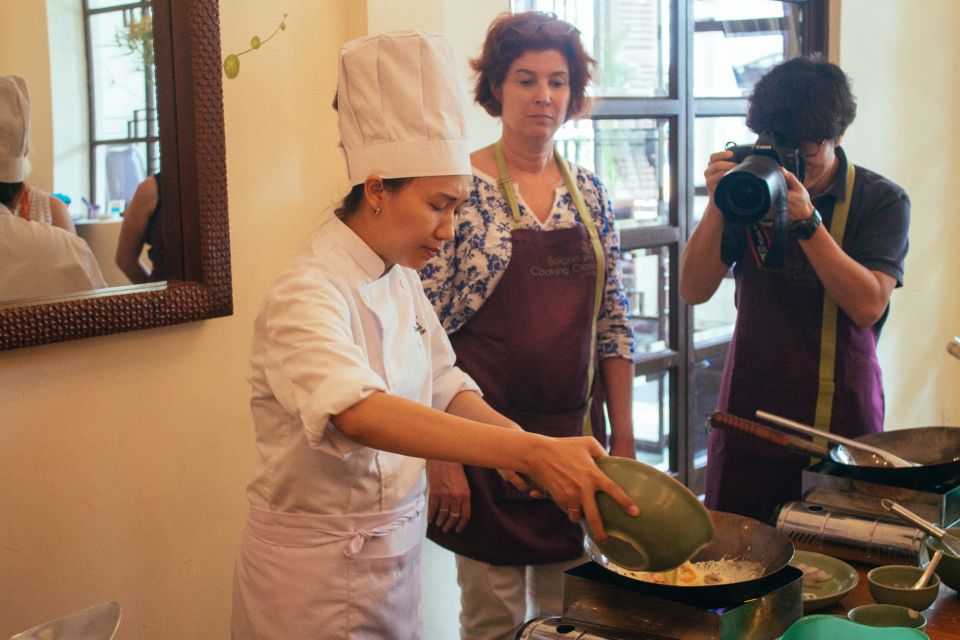
The instructors have English skills, and the tone seems to be consistent: friendly guidance, clear explanations, and enough patience for questions.
Different chefs get named in the feedback, including Viviane/Vivian/Vy/Wan/Oanh/Lei, but the common theme is the same. The chef guides you through technique, not just ingredients. You’re shown the logic behind the steps, and the team supports you at the station.
If you’re a beginner, that’s a big deal. Beginners often get frustrated when instructions are vague or when there’s no time to ask questions. Here, the pacing and structure make it easier to keep up.
If you’re more experienced, it still works because you’re learning Vietnamese-specific flavor methods and ingredient behavior, not a generic “cook three dishes” template.
What’s included (and what you should plan for)
Included in your class:
- Cooking class from 10:00 am till 1:00 pm
- Meal of three dishes
- Water and iced tea
- Digital recipes
What to bring or plan for:
- Come hungry. You’ll be cooking and then eating each course.
- Wear comfortable clothes. You’ll be at a working station for about three hours.
- If you have allergies or dietary needs, handle it early. The menu can be adapted, but you need to specify requests during booking.
This class is priced at $33 per person. For three hours of guided instruction plus a full meal, it’s a practical value, especially if you’re trying to take home more than a single souvenir. The digital recipe folder is also part of the value: you’re not just eating once and forgetting.
Take-home digital recipes you can actually use
You’ll receive a folder of digital recipes to continue cooking after the class. That’s one of the differences between a fun food outing and a “learn something real” activity.
The recipes help you rebuild dishes later, and that matters for Vietnamese cooking, where ingredient balance is the whole game. If you cook the dish once, you remember the taste. If you cook it again with guidance, you remember the method.
Also, because you’re likely to cook a few different dishes in one session, your take-home set covers more than one technique. You’ll have enough variety to keep things interesting at home.
If you’ve only eaten Vietnamese food before, this is a strong way to connect what you tasted to what you actually did. The recipes remove guesswork so your second attempt feels like a win.
Who should book this cooking lesson in Ho Chi Minh City?
This class is a good fit if you want:
- hands-on Vietnamese cooking instead of a passive tour
- an English-led experience with clear instructions
- a small-group vibe where the chef can guide properly
- a morning plan that ends with you eating what you cooked
It’s also great for families. Several comments highlight it as a fun shared experience, especially when everyone is actively involved.
You might choose something else if you strongly prefer to watch rather than cook, or if you’re looking for a longer class that goes deeper into advanced technique with lots of independent prep. This one is designed to keep the momentum and get you finished, fed, and learning in three hours.
Should you book Saigon Cooking Class?
If you want a genuinely practical Vietnam experience, I’d book it. For $33, you’re getting three hours of guided cooking, your own station setup, water and iced tea, and a meal you create with Vietnamese herbs and natural ingredients. The digital recipes are a nice bonus that helps you repeat the results at home.
Make the decision easier with two quick questions:
- Do you like learning by doing, with tasting as you cook?
- Are you comfortable sharing dietary needs early so the chef can adapt the menu?
If your answer is yes, this is a smart use of a morning in District 1.
FAQ
How long is the cooking class?
The class runs for 3 hours, from 10:00 am to 1:00 pm.
How many dishes do I cook and eat?
The included meal is listed as three dishes. The description also mentions a four-course meal, so the exact menu structure can vary, but you should expect to cook multiple courses during the session.
Is the class vegetarian or allergy-friendly?
Yes. The menu can be adapted to vegetarians or to people with food allergies. You should specify your needs when you book.
Is the class taught in English?
Yes. The instructor provides instruction in English.
What’s included in the price?
Included are the cooking lesson (10:00 am to 1:00 pm), the meal of three dishes, water and iced tea, and digital recipes.
Where do I meet the group?
Meet at 80 Nguyen Trai Street, District 1. Take the small alley and look for the group on your left.