REVIEW · HO CHI MINH CITY
Cooking Class with Ben Thanh Market visit
Book on GetYourGuide →Operated by Saigon Cooking Class · Bookable on GetYourGuide
A morning market lesson can beat another night out. This one blends a chef-led walk through Ben Thanh Market with a hands-on cooking class that ends with a full 3-course meal. I especially like that you buy ingredients yourself, then cook at your own station instead of watching from the sidelines.
Two more strong points: the class uses Vietnamese kitchen tools you can actually recognize, and the instruction is step-by-step with clear English support. One possible drawback is the early start: you’re meeting at 9AM, and there’s no pickup included.
In This Review
- Key takeaways before you go
- Ben Thanh Market at 9AM: ingredients that teach you faster than recipes
- The 9:40 taxi timing: why the schedule feels efficient instead of rushed
- Hands-on cooking from 10AM to 1PM: your station, your pace, your confidence
- What Vietnamese kitchenware means in real life
- The 3-course meal: eating with context, not just for the photos
- No MSG rule and the taste lesson you’ll carry home
- Who this class suits best (and who might want to think twice)
- Practical value: is $45 really worth it?
- A simple itinerary you can plan around
- Tips that make the class easier (and more fun)
- Should you book this Ben Thanh Market cooking class?
- FAQ
- What time does the Ben Thanh Market visit start?
- How long is the cooking class?
- What’s included in the $45 price?
- Do they pick you up from your hotel?
- Are vegetarian meals or allergy accommodations available?
- Is MSG or flavor powder used?
- How long is the whole experience?
Key takeaways before you go
- Ben Thanh Market ingredients first: you shop with your chef, not after the fact
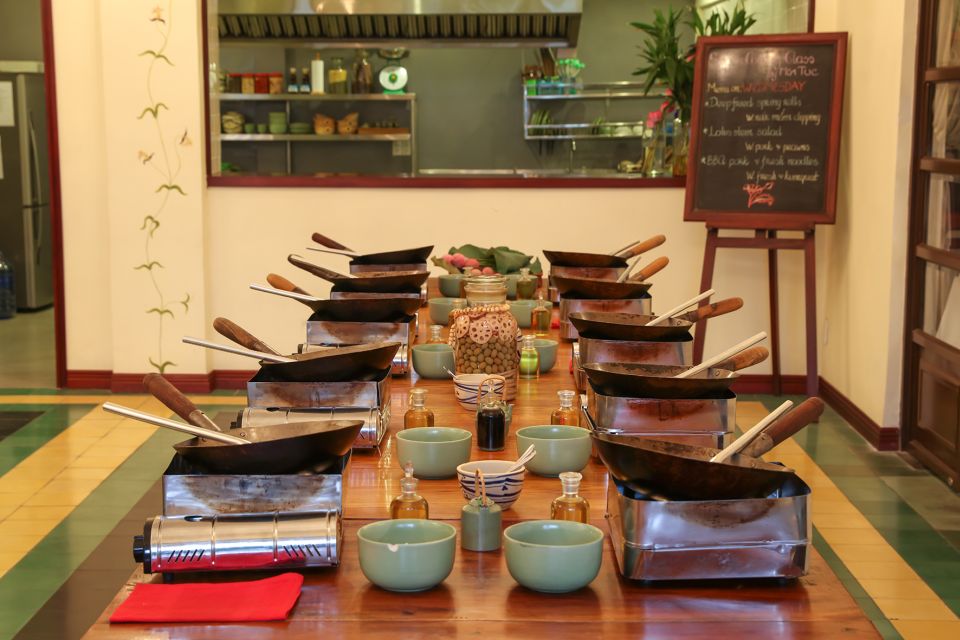
- Your own cooking station: equipment and ingredients are set up so you can practice each step
- 3 courses, made together: you cook as a group, then eat what you made
- No MSG or Knorr flavor powders: you’ll taste Vietnamese food without the packaged shortcuts
- Vegetarian and allergy options: the menu can be adapted if you tell them in advance
- A tight schedule: market ends fast and you’ll taxi back to the kitchen for a 10AM start
Ben Thanh Market at 9AM: ingredients that teach you faster than recipes
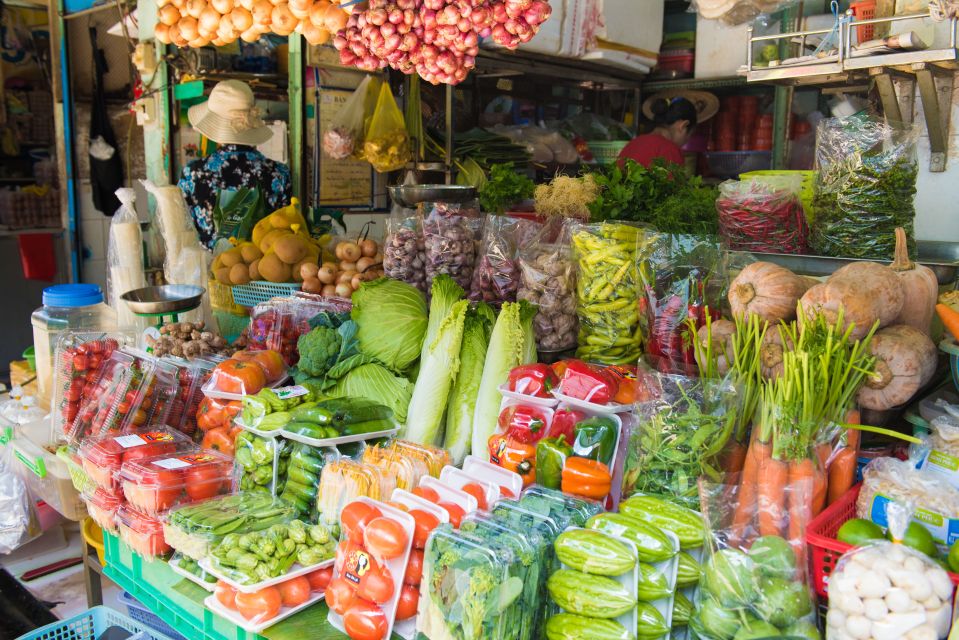
You start your day in the right place: Ben Thanh Market. Meeting at the Cua Tay gate on Phan Chu Trinh Street keeps things simple, and you’ll spot your chef by a Saigon Cooking Class t-shirt. The 9:00 to 9:50 window is short on purpose. It’s built for learning, not wandering forever.
Here’s what I like about this market portion: your chef doesn’t just point at food. They help you understand what you’re buying and why it matters once you cook. That context is where a cooking class usually saves you time later. When you know what a herb, a starch, or a sauce should do in the dish, it’s much easier to recreate at home without second-guessing every step.
A practical note: Ben Thanh is busy, and you’ll be walking with a group. Wear comfortable shoes and keep your phone handy for photos, but don’t let it slow you down. The market visit is designed to feed into the kitchen schedule, so you’ll want to keep pace.
You can also read our reviews of more shopping tours in Ho Chi Minh City



The 9:40 taxi timing: why the schedule feels efficient instead of rushed
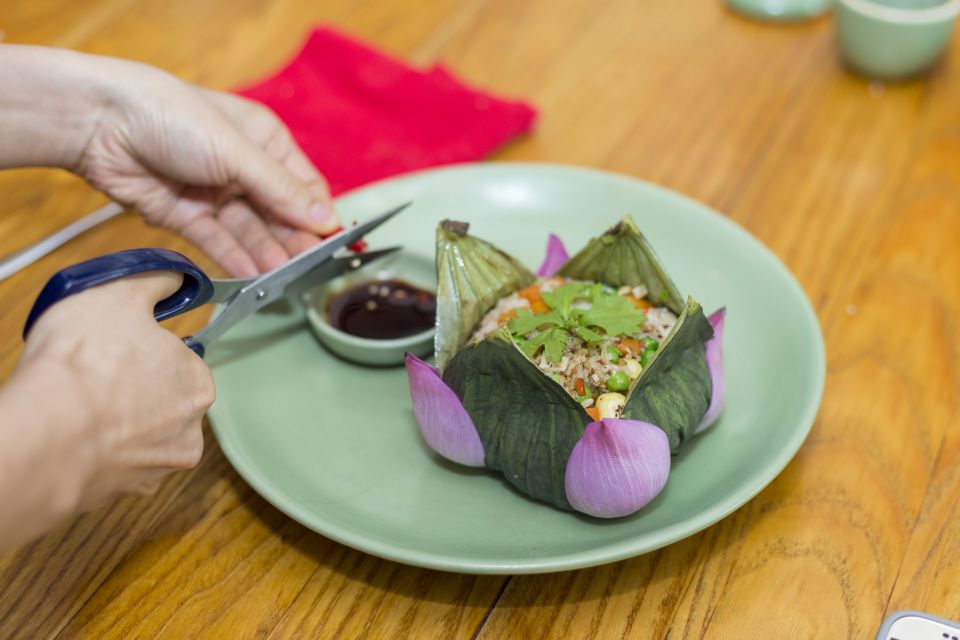
At 9:40AM, your chef brings you back by taxi to start cooking at 10:00AM. That timing may sound like a tight squeeze, but it’s smart. You don’t spend half your morning stuck in traffic, and the class doesn’t drag into late afternoon.
If you’re trying to plan your day around it, here’s the rhythm to remember:
- Market: 9:00–9:50
- Taxi back: starts around 9:40
- Cooking class: 10:00–1:00
- You end back at the meeting point
This also matters for your energy. You’ll likely want to work up an appetite during the market walk and cooking block, so you can enjoy the meal without feeling stuffed before you start cooking.
Hands-on cooking from 10AM to 1PM: your station, your pace, your confidence
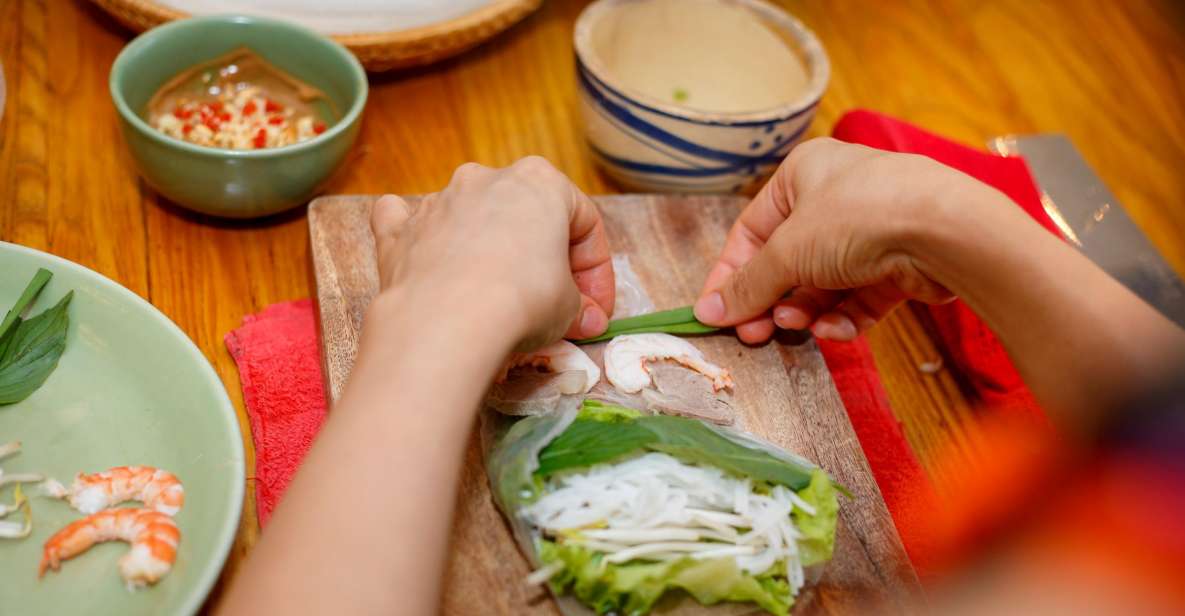
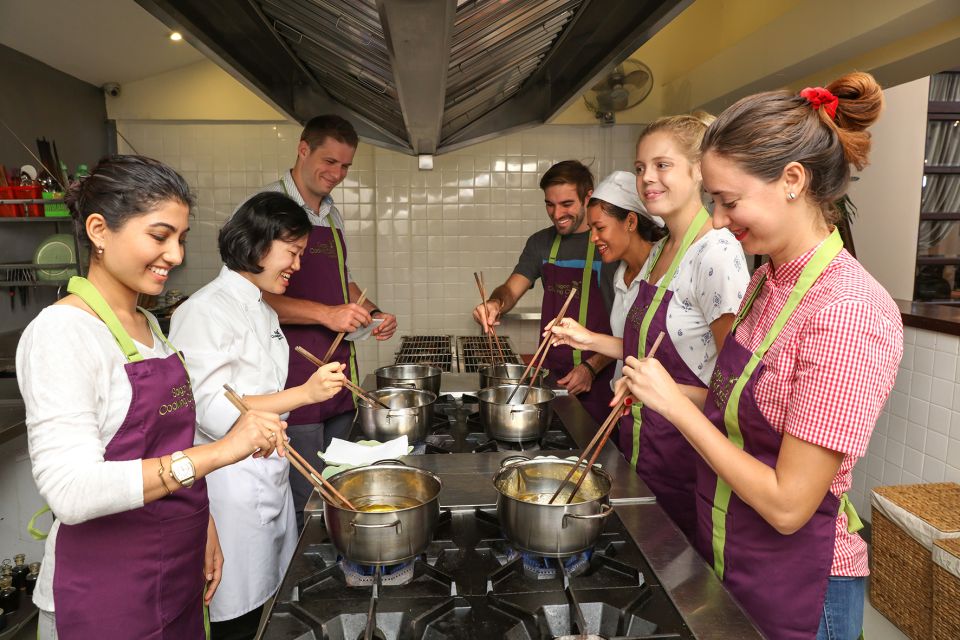
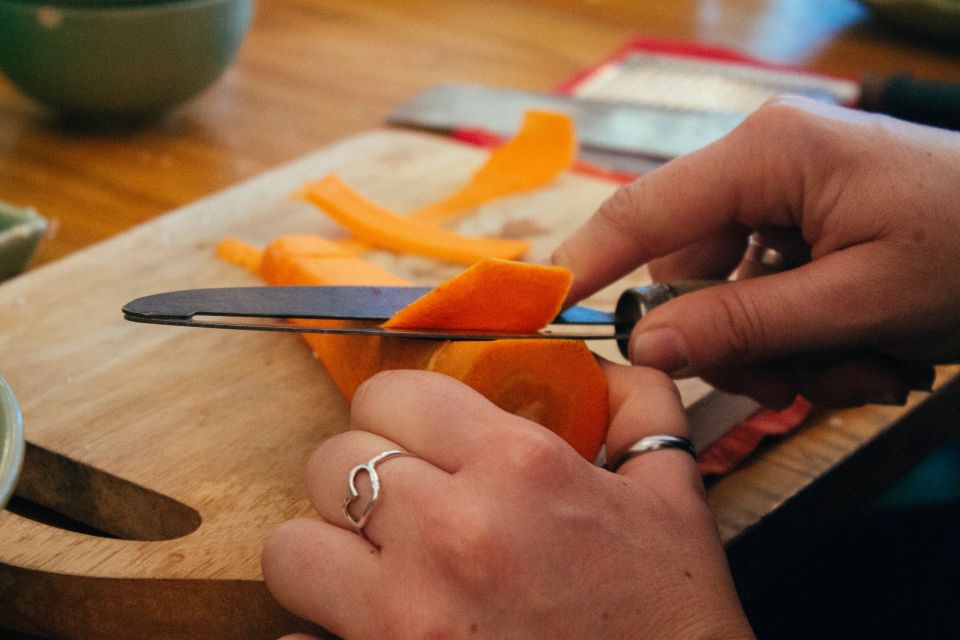
Once you reach the kitchen, the experience shifts from shopping to doing. The class is hands-on, and the key detail is that each person has their own equipment and ingredients. That means you don’t just watch your chef demonstrate. You follow the steps on your own setup, which builds real confidence fast.
You cook as a group, step-by-step. That structure is great for first-timers. It also means the chef can troubleshoot while you’re working, instead of waiting for the end when errors are harder to fix.
One thing I’d call out, based on what people often notice: pacing can move quickly in a multi-step class. If you’re the type who needs extra time—say you’re still getting comfortable with knife work or you like to read every step twice—tell your chef early. In a hands-on setup, asking for a slower repeat or more clarification is usually the difference between frustration and fun.
What Vietnamese kitchenware means in real life
The class includes Vietnamese kitchenware you can cook with and then eat from. That’s more useful than generic “cooking tool” demos. If you’ve ever tried to recreate a Vietnamese dish at home and realized you were missing the right utensil or bowl style, you’ll appreciate seeing how things are actually used in practice.
Also, you’ll have iced tea and water during the class, which helps you stay focused through the full 3 hours of cooking.
The 3-course meal: eating with context, not just for the photos
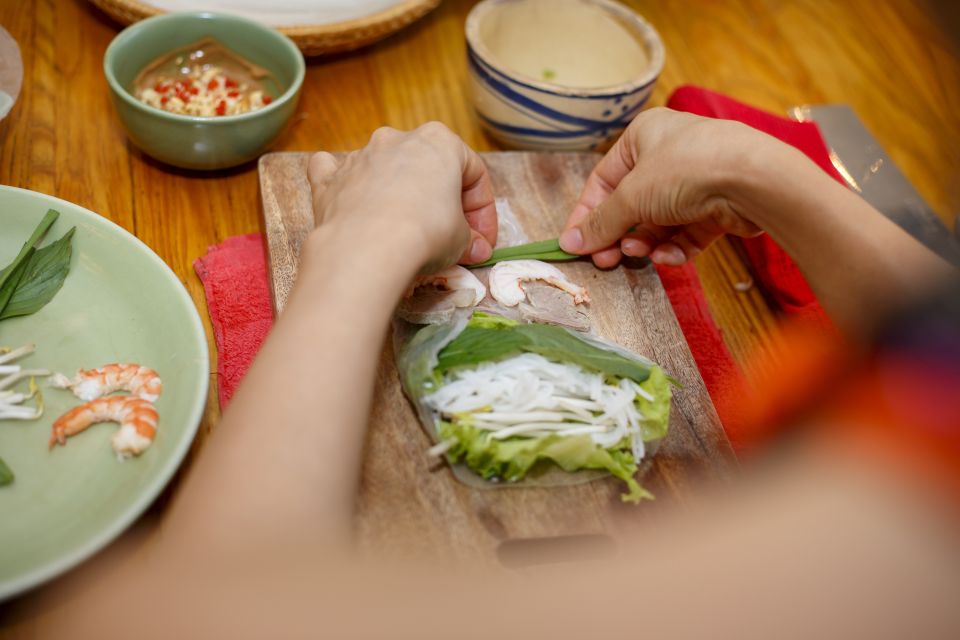
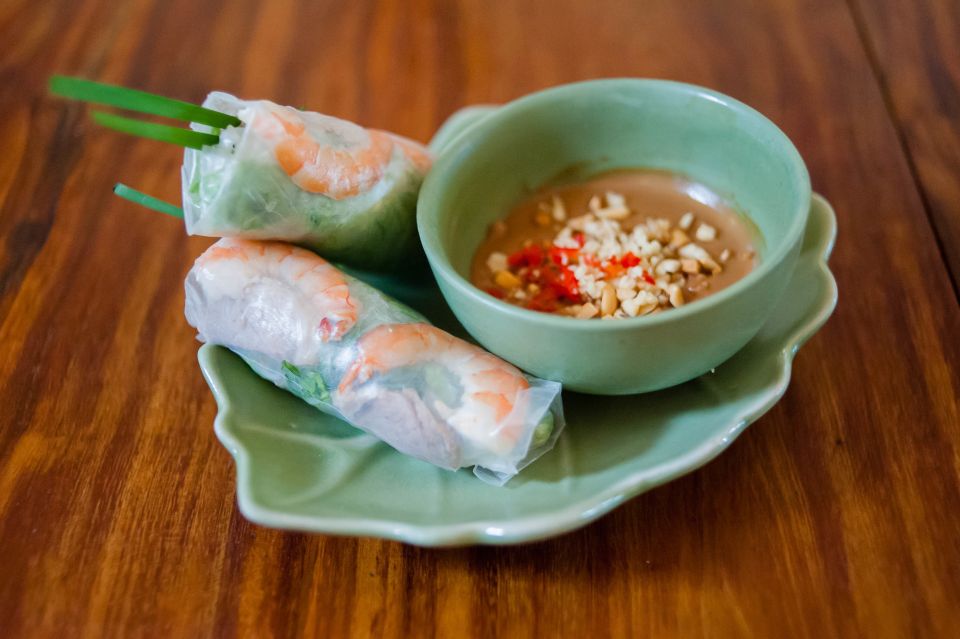
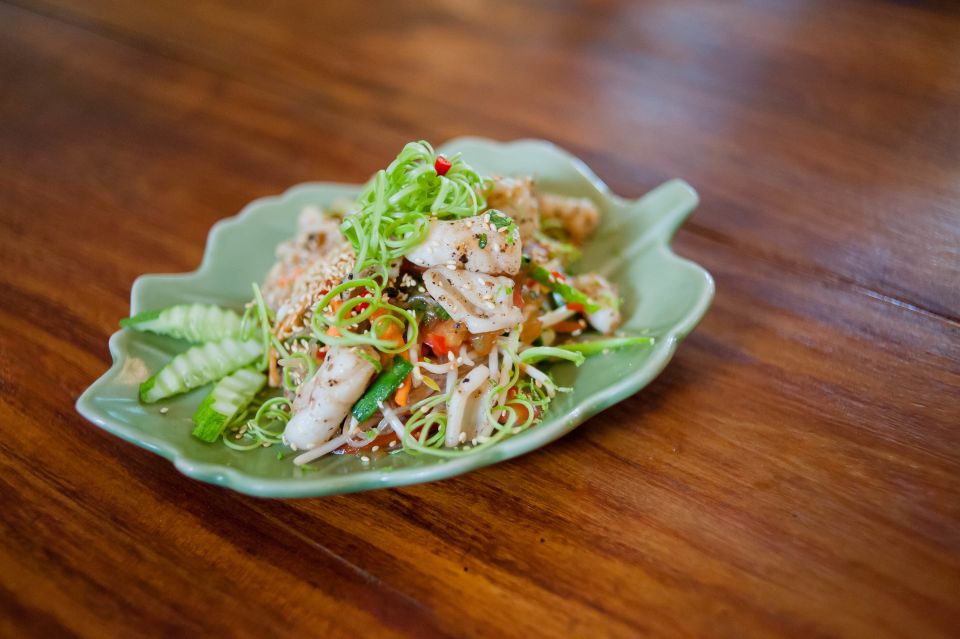
This isn’t a snack session where you leave hungry. The goal is clear: you make and enjoy a 3-course meal. You’ll cook, then you’ll eat what you made. That order matters. It links technique to taste right away, so you remember what you did when you notice the flavors working.
People often talk about how enjoyable it is when the dishes feel authentic and not watered down. In this class, there’s also an explicit rule: MSG and Knorr powders/enhance flavors are forbidden. That’s a big deal for flavor and for learning. When you’re not relying on packaged flavor enhancers, you learn what Vietnamese seasoning is doing naturally—acidity, sweetness, herb freshness, salt balance, and texture.
The menu can be adapted for vegetarians and people with food allergies if you let the team know in advance. That means you’re not stuck with a bland substitute. You get a path to participate fully and still eat something that fits your needs.
You can also read our reviews of more tours and experiences in Ho Chi Minh City





No MSG rule and the taste lesson you’ll carry home
Most cooking classes promise authenticity. This one has a measurable way of supporting that. By banning MSG and Knorr flavor powders, the class steers you toward Vietnamese seasoning choices that rely on real ingredients instead of shortcuts.
What you take from that at home:
- You’ll be more likely to notice how sour and sweet work together
- You’ll taste the difference between fresh herbs and dried seasonings
- You’ll understand that the “secret” is technique and balance, not a flavor packet
This is also why the included digital recipe book matters. A recipe is helpful, but a recipe plus a real sense of timing and balance is what makes you feel capable. You get the steps, and you also remember how the dish should feel at each stage.
Who this class suits best (and who might want to think twice)
I’d put this cooking class in the “perfect first Vietnamese cooking class” category, especially if you want more than one dish. You’ll get a structured walk through the market, then you’ll cook everything together. It’s also a strong option for couples or small groups because you’ll each have your own cooking station and everyone stays busy.
It can be less ideal if:
- You hate early mornings. Meeting at 9AM is non-negotiable.
- You want a long, slow market wander. The market is about 50 minutes, and the schedule moves on.
- You want zero group timing. This is a group class, so you’ll follow the chef’s flow while you cook.
That said, the class is designed for different cooking levels. The steps are explained while you’re doing them, and there’s support in Vietnamese and English.
Practical value: is $45 really worth it?
At $45 per person, you’re paying for three things that usually cost more separately:
- Market instruction with your chef (about an hour)
- A hands-on cooking class with guidance throughout
- A full 3-course meal, plus drinks (iced tea and water)
So the value isn’t just the meal. It’s the ingredient learning plus the technique practice. If you’ve ever bought ingredients and tried to guess how to cook them, you’ll understand why this format is worth paying for. You’re buying clarity.
Also, the schedule is efficient. You don’t need to arrange transport to the market kitchen on your own—the taxi back to the kitchen is included. What’s not included is pick-up and drop-off, so you’ll want to get yourself to the meeting point.
The optional menu adjustments for vegetarian and allergies add another layer of value. When a class can adapt, you aren’t forced into “sit there and watch” mode.
A simple itinerary you can plan around
Here’s the flow in real-world terms, so you can build your day:
- 9:00AM: Meet your chef at Cua Tay gate of Ben Thanh Market (Phan Chu Trinh Street).
- 9:00–9:50AM: Chef-led market shopping for the day’s ingredients.
- 9:40AM: Taxi back toward the cooking venue so you’re ready for the start time.
- 10:00AM–1:00PM: Hands-on cooking class. Everyone cooks together with personal setup.
- After class: You taxi back and the activity ends back at the meeting point.
If you want a smooth day after, plan a slower afternoon. You’ll use your hands and follow steps for a few hours, and you’ll likely be happily tired.
Tips that make the class easier (and more fun)
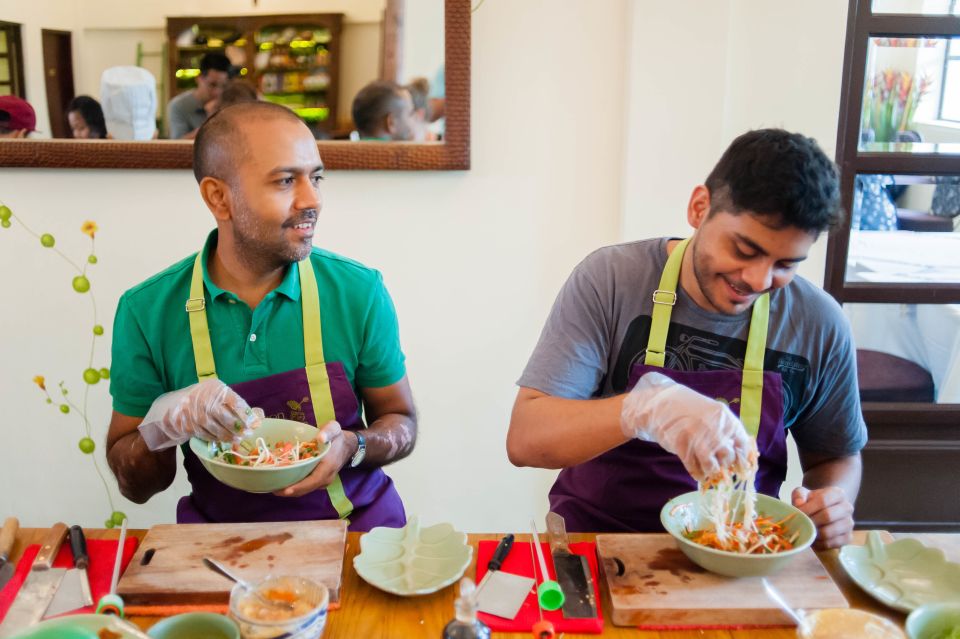
These are small things, but they make a noticeable difference:
- Go in hungry. The market and cooking build toward the meal, so you’ll enjoy it more if you don’t arrive overly full.
- Ask questions early. If something isn’t clear, speak up before you’re halfway through a step.
- Be ready to move. This is not a museum-style class. You’re standing, chopping, stirring, and tasting.
- Plan for pace. Multi-course cooking can stack tasks. If you need repetition, ask right away so you don’t fall behind.
- Tell them about diet needs in advance. Vegetarian and allergy changes are supported, but you have to communicate your requirements ahead of time.
And yes, save room for any dessert surprises if offered that day. People mention the dessert moment as a highlight.
Should you book this Ben Thanh Market cooking class?
If your goal is to understand Vietnamese cuisine in a practical way, I think this is a smart booking. The market stop teaches you what you’re cooking with. The kitchen stop teaches you how to cook it. Then you eat the proof, not just the photos.
Book it if:
- You want a chef-led market ingredient walk
- You want hands-on cooking with your own station
- You care about learning seasoning without MSG/Knorr powders
- You’re open to an early 9AM start
Consider a different option if:
- You prefer long, unstructured market wandering
- You can’t do mornings
- You want a cooking demo only, without group timing
Overall, this is one of the better “pay once, learn a lot, eat well” experiences in Saigon. You leave with meals you can actually explain, steps you can replicate, and a clearer sense of why Vietnamese flavors taste the way they do.
FAQ
What time does the Ben Thanh Market visit start?
The market visit starts at 9:00 AM, with your meeting point at the Cua Tay gate of Ben Thanh Market on Phan Chu Trinh Street.
How long is the cooking class?
The hands-on cooking class runs from 10:00 AM until 1:00 PM.
What’s included in the $45 price?
The price includes a 1-hour market tour, a 3-course cooking class, iced tea and water, and a digital recipe book. Taxi transfer to the cooking class is also included.
Do they pick you up from your hotel?
No. Pick-up and drop-off are not included, so you’ll need to reach the meeting point yourself.
Are vegetarian meals or allergy accommodations available?
Yes. The menu can be adapted for vegetarians and for people with food allergies if you let the team know in advance.
Is MSG or flavor powder used?
No. MSG and Knorr powders/enhance flavors are forbidden.
How long is the whole experience?
The activity is 4 hours total. You’ll end back at the meeting point after the class.