REVIEW · HO CHI MINH CITY
From Ho Chi Minh: Cu Chi Tunnels Morning or Afternoon
Book on GetYourGuide →Operated by Enni tour · Bookable on GetYourGuide
War history stays close at Cu Chi.
This Ho Chi Minh City day trip brings you into the Cu Chi Tunnels story through a mix of briefing, a short war film, and a hands-on crawl through hand-dug passages. The whole thing runs about 6 hours with hotel pickup and air-conditioned transport, so it’s an easy way to understand a huge part of Vietnam’s war-era survival.
I really like two parts: first, the guided overview plus the short documentary film that sets the scene before you go underground. Second, you get to taste a simple wartime-style snack—boiled tapioca with hot pandanus tea—so the history isn’t just words. Even the countryside stops feel tied to daily life, not just photo ops.
The main consideration is that the experience includes very narrow tunnel sections and a bit of travel time out of the city, so you’ll want to plan for that. If you’re sensitive to tight, dark spaces, this is the part that will matter most.
In This Review
- Key tour highlights at a glance
- Cu Chi Tunnels from Ho Chi Minh City in a 6-hour format
- Hotel pickup and the pre-tunnel briefing: getting oriented before you crawl
- The documentary film: a fast way to understand the tunnel mindset
- Crawling the hand-dug tunnels: the part that stays with you
- Wartime food stop: tapioca and pandanus tea with real meaning
- Optional shooting range: adrenaline, but only under supervision
- Rubber plantation and a wet market: rural life beyond the tunnels
- Price and value: what $22 really buys you
- Language, guides, and small-group feel: choose the style that fits you
- Who should book this Cu Chi Tunnels trip?
- Should you book this tour?
- FAQ
- How long is the Cu Chi Tunnels tour from Ho Chi Minh City?
- Does the tour include hotel pickup in Ho Chi Minh City?
- Is the documentary film about the tunnels included?
- What food is included during the tour?
- Can I visit a shooting range on this tour?
- What languages are offered for the tour guide?
- What should I bring with me?
- Is there free cancellation?
Key tour highlights at a glance
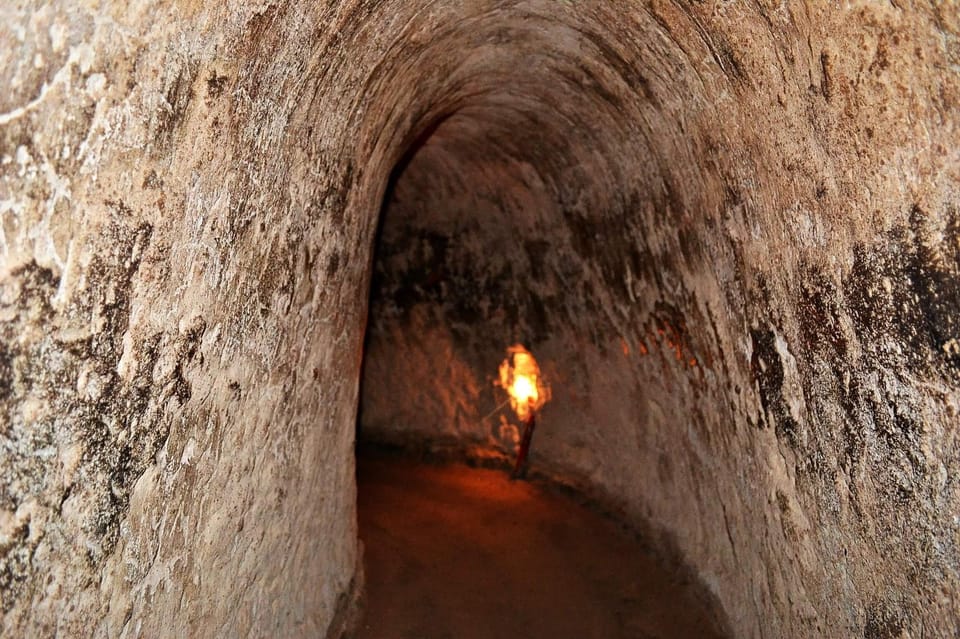
- Hand-dug tunnel crawl through narrow underground passages preserved at original size in key areas
- Short documentary film available in multiple languages to give context before you go underground
- Wartime snack: boiled tapioca with hot pandanus tea, matching what soldiers ate during the war
- Optional shooting range experience (supervised) with an AK47 or MK16 rifle
- Rubber tree plantation stop to see how rubber is harvested and processed
- Countryside wet market with chances to chat and sample local fruit and produce
Cu Chi Tunnels from Ho Chi Minh City in a 6-hour format
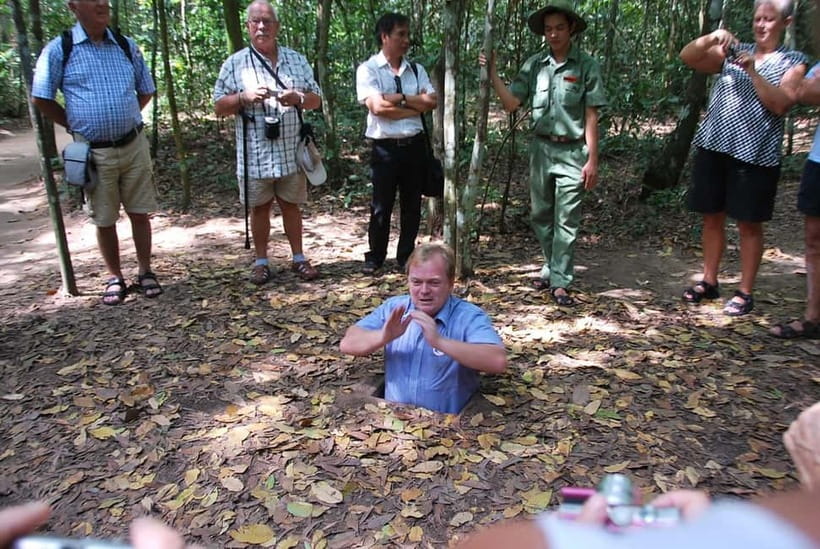
This is the kind of trip that makes Vietnam history make sense fast. You’re based in Ho Chi Minh City, then you’re taken out to Cu Chi for a half-day experience that’s built around three ideas: how the tunnels worked, what life was like inside them, and how wartime survival connects to ordinary rural routines afterward.
What helps is the pace. It’s not an all-day slog, and it’s not a quick drive-by either. You get a proper arrival briefing, a short film before the tunnel crawl, time underground itself, and then a return loop that includes rubber plantation explanations and a stop at a countryside wet market. Total time on the clock is about 6 hours, which usually fits neatly into a busy itinerary.
Also, logistics are practical. You’ll get hotel pickup from Ho Chi Minh City center and ride in an AC car to keep the trip comfortable. At $22 per person, the price includes the Cu Chi entrance fee plus the included snack, so you’re not juggling a pile of extra charges just to make the day happen.
You can also read our reviews of more tours and experiences in Ho Chi Minh City

Hotel pickup and the pre-tunnel briefing: getting oriented before you crawl
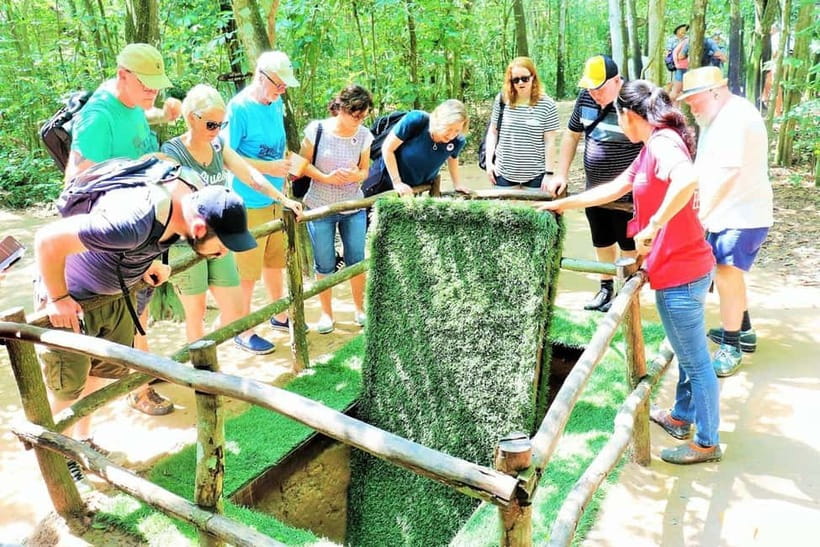
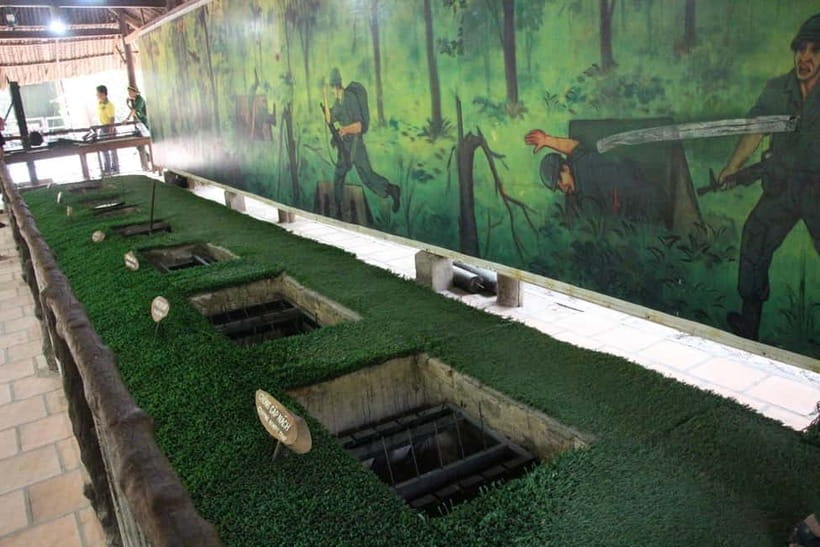
The trip starts with pickup in Ho Chi Minh City center. From there, you’ll meet your guide and get the “map in your head” before you go underground. The key point is that these tunnels were not a simple hiding place. They formed an extensive underground system—used for hiding, supply routes, and living quarters—and they stretched across a huge area (over 250 kilometers).
A good guide matters here. Different guides bring different styles, but the common thread is a clear explanation of what you’re about to experience. You might even see the history presented with visuals on a tablet, with some guides adding a light tone or jokes to keep things moving. One guide named Bic was specifically praised for making the history explanation clear and interesting, and another guide, Mr Khun, was known for staying upbeat and informative with jokes during the day.
You’ll also watch a short documentary film about the Cu Chi Tunnels during the war period. The film is available in multiple languages, so you’re not forced into a one-size-fits-all session. That context is useful because it turns the tunnels from a “cool underground thing” into a survival strategy.
The documentary film: a fast way to understand the tunnel mindset
The film isn’t just entertainment. It’s doing practical work for your brain. Before you crawl, you need a basic sense of why people built and used these tunnels and what kind of conditions they faced. Once you see the film, the later crawl feels less like a gimmick and more like an effort to understand physical limitations: cramped space, darkness, and the constant problem of moving carefully without giving away your position.
If you’re the type who likes to connect details, this is where the tour scores points. The documentary helps you “decode” what you’re seeing underground—like why some passageways are preserved and how the network functions.
Crawling the hand-dug tunnels: the part that stays with you

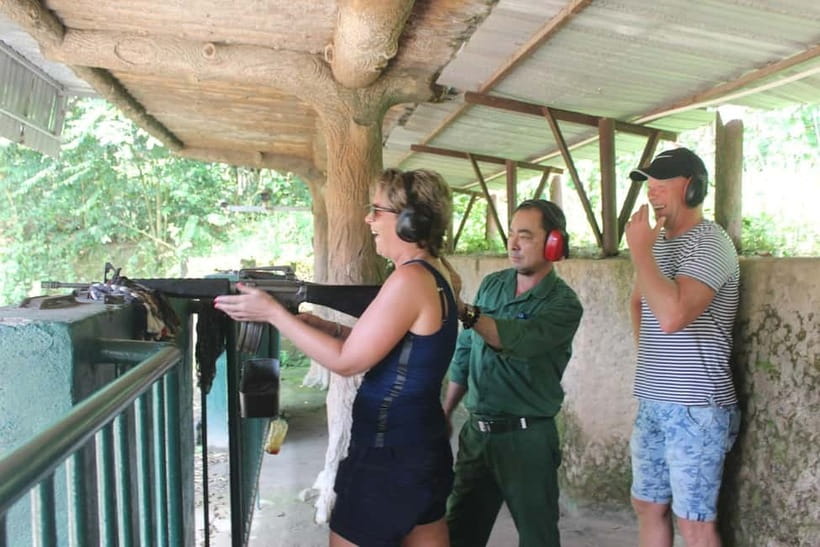
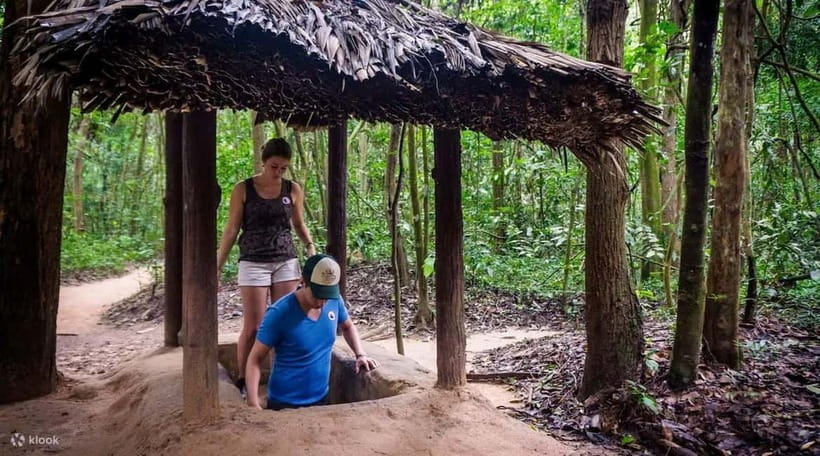
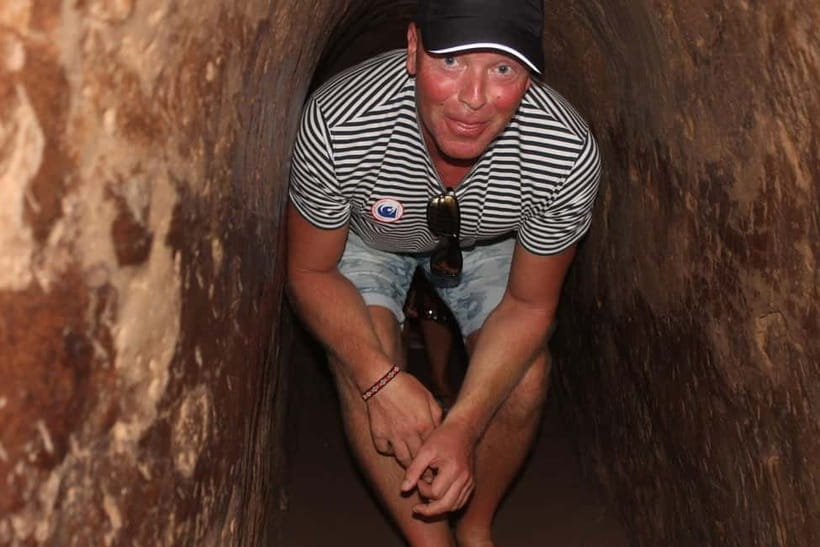
The signature moment is the chance to experience the tunnels physically. Your guide leads you into narrow, dark passageways, and the point is to let you feel what it was like to move through a system that was constructed entirely by hand.
Here’s the important nuance: while some sections are kept to show the original scale, there are also areas that have been widened slightly for visitor comfort. That doesn’t remove the challenge. It just means the tour balances realism with safety and basic visitor needs.
What you’re really learning here isn’t trivia. It’s the “how did anyone do this” lesson: tight quarters, careful movement, and the mental focus required just to get from point A to point B. Even if you’ve read about it before, the physical sensation makes the history feel immediate and concrete.
Guide quality can change how much you get out of this. Some guides keep the energy light while still teaching. Others are more strictly educational. Duy was praised for explaining the tunnels’ history clearly, which is exactly what you want during the crawl phase, when you’re busy with every bend and step.
Wartime food stop: tapioca and pandanus tea with real meaning
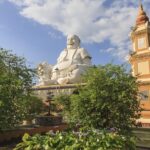
Right after the underground time, you’ll taste a simple snack: boiled tapioca served with hot pandanus tea. This is one of the most effective “small moments” on the tour because it connects daily survival to something you can actually taste.
You’re not eating a fancy meal; you’re eating a wartime-style ration. That’s the point. It’s a reminder that survival often meant plain food, repeated, without comfort. Pandanus tea adds aroma and warmth, so the snack feels grounding instead of grim.
This is also a good break time. The crawl can be tiring, and the snack is a quick reset before you head back out to the countryside loop. If you like food that tells a story, this stop is a strong value add for the price.



Optional shooting range: adrenaline, but only under supervision
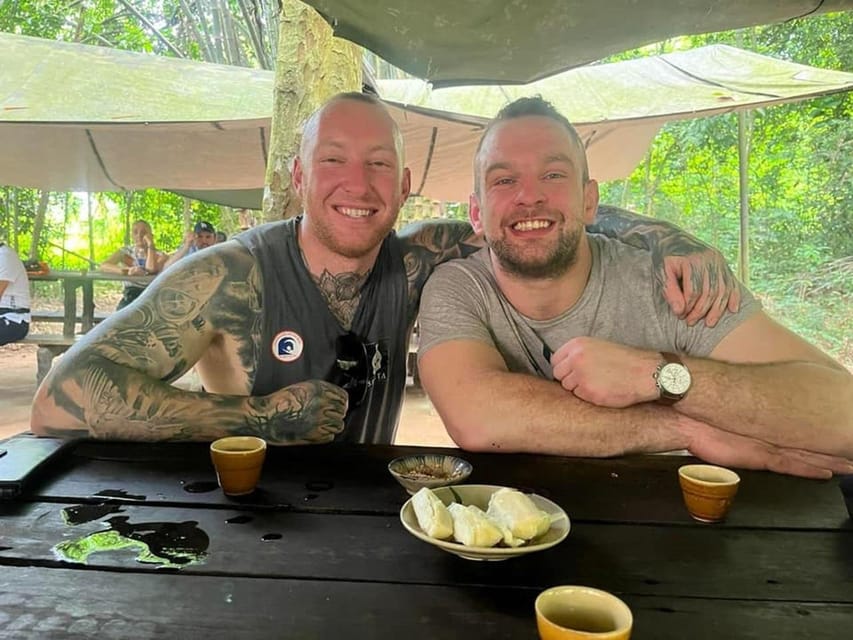
If you want a bit more action, the Cu Chi Tunnels area offers an optional shooting range. It’s supervised, and you can try firing an AK47 or MK16 rifle in a controlled environment.
Two practical notes. First, treat this as optional add-on energy, not the core of the day. The tunnel experience is the main attraction, and the shooting range is for people who want that extra taste of the war-era theme. Second, since the range is supervised, it’s best to follow the safety instructions carefully and expect rules to be strict.
If you prefer a purely historical-cultural focus, you can skip it and still have plenty to do—especially with the countryside stops that come afterward.
Rubber plantation and a wet market: rural life beyond the tunnels
On the way back, the tour shifts gears to everyday rural Vietnam. You’ll stop at a rubber tree plantation, where your guide explains how rubber is harvested and processed. This part is worth your attention because it connects to Vietnam’s real-world economy, not just the war past. Rubber is a major crop, and the process explanation helps you see that rural life is more than scenery.
Then you’ll visit a countryside wet market. These aren’t staged for tourists. You’ll likely see fresh produce and tropical fruits, and you’ll have a chance to interact with vendors. One of the most pleasant parts of market stops is simply how people talk to you—small banter, friendly smiles, and the feeling that you’re stepping into local rhythm for a short time.
Some people walk away with a favorite fruit taste, but more importantly, you’ll come back from Cu Chi with a broader sense of place: the tunnels are history, yes, but the area today is alive with trade, food, and routine.
Price and value: what $22 really buys you
At $22 per person, this tour can feel like a bargain, especially because the price includes:
- Entrance fee to Cu Chi Tunnels
- Hotel pickup from central Ho Chi Minh City
- An English-speaking guide (and other language options are available)
- An air-conditioned car
- Bottled drink and tissue
- Light snack with tapioca and tea
The day is also structured around multiple included experiences rather than one headline attraction. You’re getting the documentary, the tunnel crawl, and the countryside stops. Even the optional shooting range is only “optional,” which keeps the baseline experience history-focused.
If you’re comparing costs, don’t ignore the time and transport piece. A half-day trip out to the tunnels typically costs money just to get there comfortably, and here you’re also paying for guide time and entry. That’s why the overall value holds up.
One caution on meals: lunch is listed as an option for private tours. If you’re choosing a standard group format, you should plan around the fact that you’re receiving a light snack rather than a full meal.
Language, guides, and small-group feel: choose the style that fits you
The tour offers multiple language options: English, Japanese, Chinese, French, Italian, German, Spanish. In practice, what matters is whether the guide can teach clearly for your language group and keep the pace smooth.
One review detail to keep in mind: in at least one case, a guide named Tina had to speak both Vietnamese and English for a larger group. That can stretch the session timing because one person is juggling two languages. If you care a lot about not losing time or keeping the flow tight, choose your language option carefully and be ready for the day to run slightly differently depending on the mix.
Private or small groups are available, and that can help with attention from the guide. If you want a calmer experience and more chance to ask questions, private can be a smart move—just remember that private arrangements may have language surcharges for guides beyond English (as noted in the tour details you have).
Who should book this Cu Chi Tunnels trip?
This tour fits best if you want:
- A structured introduction to Cu Chi without needing to plan transport on your own
- The chance to crawl through the tunnels rather than only watch videos
- History explained by a guide who can use simple storytelling
- A mix of war-era context plus rural-life stops afterward
It may not be ideal if:
- You dislike tight, dark spaces, since the tunnels are described as very narrow even with some areas widened for visitors
- You want only a relaxed sightseeing day, since the tunnel portion is active and physically limiting
Should you book this tour?
Yes, if you want real context, not just a bus trip. The combination of a pre-crawl briefing, documentary film, the tactile tunnel experience, and the food stop with tapioca and pandanus tea makes the day feel cohesive.
Book it especially if you value learning with a guide and you like tours that include more than one “type” of experience. The rubber plantation and wet market add a grounded look at rural Vietnam that you can’t get from the tunnels alone.
If you’re picky about timing and you’re traveling with strong language preferences, double-check your language option and be flexible about how the day flows with group mixes.
FAQ
How long is the Cu Chi Tunnels tour from Ho Chi Minh City?
The duration is about 6 hours.
Does the tour include hotel pickup in Ho Chi Minh City?
Yes, it includes pickup in Ho Chi Minh City center.
Is the documentary film about the tunnels included?
Yes. You watch a short documentary film during the tour.
What food is included during the tour?
You get a light snack of boiled tapioca served with hot pandanus tea, plus a bottled drink.
Can I visit a shooting range on this tour?
An optional shooting range experience is available, with supervised shooting using an AK47 or MK16 rifle.
What languages are offered for the tour guide?
The tour offers English, Japanese, Chinese, French, Italian, German, and Spanish.
What should I bring with me?
Bring comfortable shoes and water.
Is there free cancellation?
Yes. You can cancel up to 24 hours in advance for a full refund.