REVIEW · HO CHI MINH CITY
Ben Tre – Coconut Land Private One Day Guide Mekong Delta Tour Excursion
Book on Viator →Operated by VietCruise Tours · Bookable on Viator
Coconut craft plus river cruising makes a great day. If you want a Mekong Delta trip that mixes real work (not just photos) with scenic boat time, Ben Tre’s Coconut Land hits the sweet spot. You’ll cruise along the Ham Luong River, visit hand-made coconut and village workshops, and end with a tasty set lunch and fruit stops.
Two things I really like about this tour are the mix of boat + village workshops and the hands-on look at how daily life runs on coconut, fishing, and handmade construction. One possible drawback: because you’re moving by boat and through outdoor villages, you’ll want decent weather and a flexible attitude about pacing.
In This Review
- Key Highlights You’ll Actually Remember
- First Thing You Should Know: This Is a Work-From-The-Land Day
- The Ham Luong River Cruise: Why This Boat Section Matters
- Brick by Hand: Construction Work You Can See and Understand
- Coconut Products and Village Workshops: What You’ll Learn Beyond Souvenirs
- Sleepmats, Tea, and the Palm-Shaded Pace
- Fishing Villages and Stilt Houses: Reading the Mekong Delta in Plain Sight
- Orchard Gardens and Local Transport: Easy, Low-Energy Exploring
- Lunch and Fruit Stops: Eat Like the Region, Not Like a Tourist Menu
- Guide and Group Feel: What You Gain From a Private Day
- Price Reality Check: Does $96.42 Feel Fair?
- Weather, Timing, and How to Dress
- Who This Tour Fits Best
- Should You Book Coconut Land in Ben Tre?
- FAQ
- What time does the Ben Tre Coconut Land tour start?
- How long is the tour?
- Is pickup and transport included?
- What’s included in the price?
- Is this tour private?
- Is good weather required?
Key Highlights You’ll Actually Remember
- Ham Luong River motorized boat ride through coconut-lined waterways
- Handmade brick making using printing molds and baking methods
- Sleepmat workshop where you can see traditional weaving in action
- Stilt houses and fishing village viewing for a clearer picture of Mekong Delta life
- Tuk tuk and shaded coconut paths for easy, low-stress local sightseeing
- Fruit and honey tea stops plus a traditional set lunch
First Thing You Should Know: This Is a Work-From-The-Land Day
This one-day private tour is built around how people actually earn a living in Ben Tre—coconut products, fishing areas, and local trades. The pace is structured for comfort: you start at 8:30am, get air-conditioned vehicle transport, and spend the core sights on the river and on short village walks.
The value is in what’s included. For about $96.42 per person, you’re not only paying for a guide—you’re getting motorized boat time + sampan use, village tuk tuk transfer, lunch, and bottled water. That matters in the Mekong Delta, where getting between scattered sights usually costs extra.
Also, since it’s private, it’s easier to ask questions, pause for photos, and move at your group’s rhythm. And I like that it’s scheduled for 7 to 9 hours, which keeps it from feeling like a half-day bus shuffle.
You can also read our reviews of more guided tours in Ho Chi Minh City


The Ham Luong River Cruise: Why This Boat Section Matters
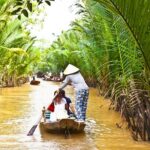
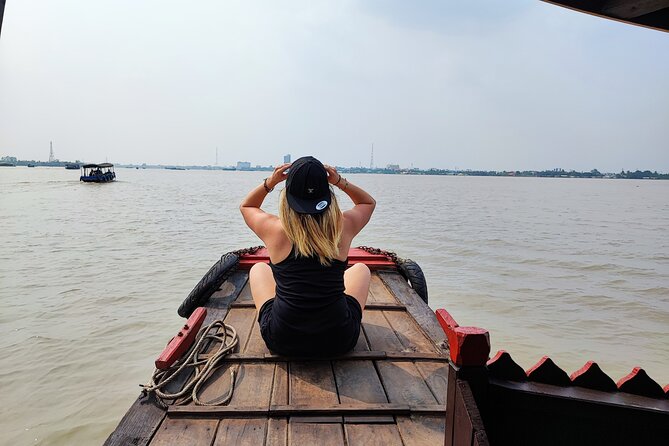
The boat portion is the first “wow” moment because it frames everything else. You cruise along the Ham Luong River, a branch of the Mekong with coconut trees along the banks. The scenery isn’t just pretty—it’s practical context. You see the waterway people depend on, and you start to understand why boats and canals are woven into daily life here.
You’ll also be on both a motorized boat and a sampan during the excursion. That mix is useful: the motorized boat helps cover distance, while the sampan experience gives you a closer, slower sense of how the water routes feel.
What to expect:
- Sun and reflections on the river are real, so bring sunscreen and something for glare.
- You’ll likely spend time seated while the boat moves, so it’s smart to dress in light layers.
The biggest win here is that you’re not just watching the countryside from a bus window. You’re actually on the water system that shapes livelihoods.
Brick by Hand: Construction Work You Can See and Understand
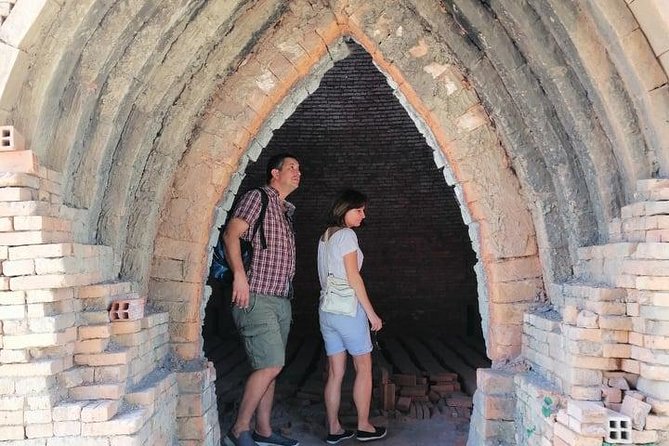
One of the most interesting stops is the handmade brick making area. This isn’t a generic “factory photo” stop. You’ll watch brick work done by hand, with a process described as printing/baking. Even if you don’t speak Vietnamese, you’ll catch the workflow—molding, preparing, and firing—because it’s visible and physical.
Why this is worth your time:
- It shows how “construction” connects back to local resources and labor.
- It breaks the stereotype of rural tourism being only about scenery.
- It gives you something concrete to compare with other Vietnam stops you might do later.
Practical tip: wear shoes you don’t mind getting a bit dusty, and keep your hands clean for photos. Brick areas can be messy in a very normal way—this is work, not a showroom.
Coconut Products and Village Workshops: What You’ll Learn Beyond Souvenirs
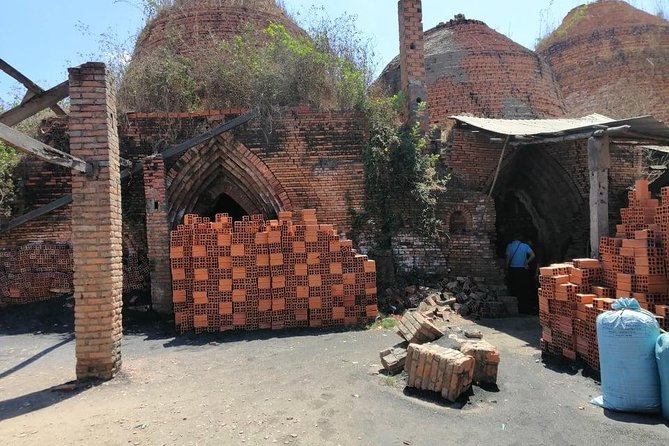
The heart of the tour is the “Coconut Land” theme: how coconut gets turned into daily goods. You’ll visit local coconut processing places and a workshop where traditional mats are woven. The value here isn’t shopping—it’s seeing the process and realizing how many steps are involved.
A small detail that adds charm: there’s a stop described as turning on the natural scissors to make something smaller in the village. It sounds like a practical technique used during craft work, likely tied to shaping materials. The point isn’t the exact tool name—it’s the idea that locals adapt simple methods to get the job done.
Then you’ll get a family workshop stop where you’re welcomed with fruits and tea. That’s the moment where the tour shifts from “watching production” to “meeting people.” You’ll also spend time walking and moving through the village by tuk tuk and on foot.
How to enjoy this section:
- Ask straightforward questions about what’s made, what takes the most time, and who does what.
- Don’t rush the weaving or processing areas—those crafts reward close looking.
If you like culture that’s active and practical—materials, work, and routines—this is one of the best parts of the day.
Sleepmats, Tea, and the Palm-Shaded Pace
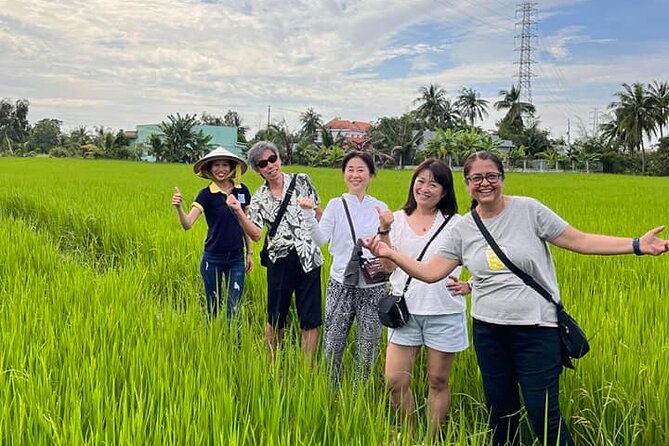
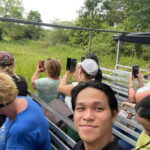
After the cottage-industry stops, the tour moves into a gentler mode: walking along coconut paths and seeing how village life sits alongside production. There’s a segment with a motor cart ride on a shady coconut path, which I really appreciate because it keeps the day comfortable while still letting you feel like you’re moving through a real neighborhood.
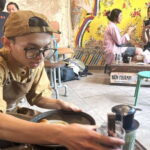
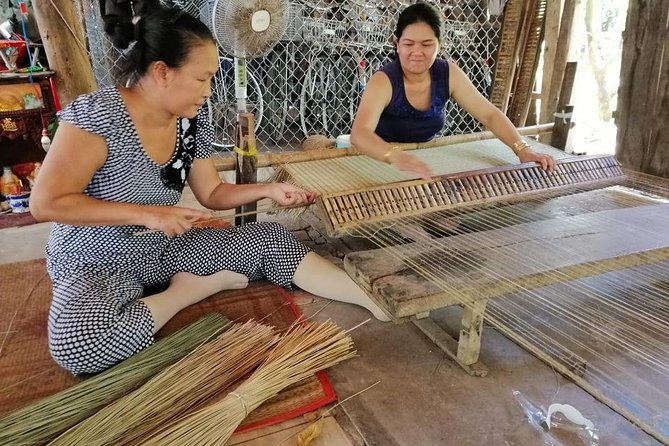
Then comes the family workshop making sleepmats, which ties back to the weaving theme but in a more personal way. You’re not only seeing tools—you’re seeing hands-on craft made with everyday materials and traditional habits.
One quiet benefit of this design: the shade and short transfers help you avoid the “overheated at noon” problem that can happen in the Mekong Delta.
You can also read our reviews of more private tours in Ho Chi Minh City



Fishing Villages and Stilt Houses: Reading the Mekong Delta in Plain Sight
The tour includes a look at typical fishing villages and stilt houses. This is where the day becomes more meaningful. When you’ve already seen the coconut waterbanks and the river systems, stilt houses stop being “just scenery.” They become a logical response to water levels, transport, and the way life follows the canals.
Also, the river cruise helps you understand why stilt living exists—these communities are built around water access. It’s the kind of context you can’t get from a quick look at a museum panel.
A quick reality check: don’t expect a polished, curated “theme village.” This is a village environment. If you’re respectful, you’ll get the most from it—by observing carefully and keeping an open, curious mindset.
Orchard Gardens and Local Transport: Easy, Low-Energy Exploring
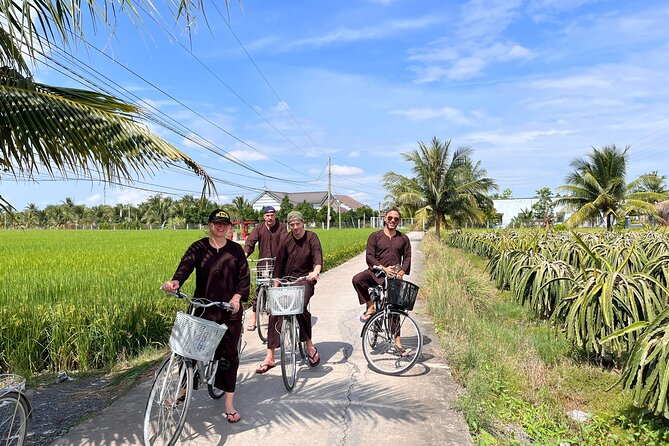
Besides the main stops, there’s time to explore island towns by walking, by bicycle, or by tuk tuk through orchard gardens. I like this part because it breaks the day into smaller sections and gives you a chance to slow down.
If you’re deciding how to use the free moment, here’s my take:
- If you enjoy quiet lanes and shade, choose walking and tuk tuk segments.
- If you want movement without too much effort, a bicycle option can be fun, assuming you feel comfortable on local paths.
Either way, the practical goal is simple: you’re traveling through green village areas and orchard zones, not just passing through.
Lunch and Fruit Stops: Eat Like the Region, Not Like a Tourist Menu
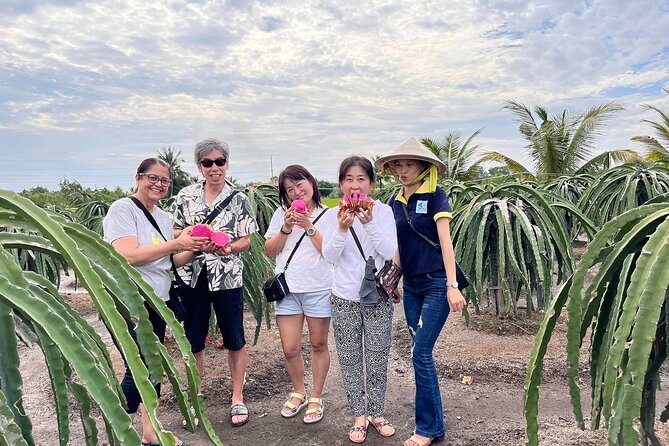
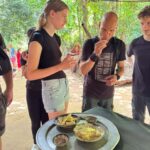
You’ll have a traditional set lunch and several snack-style food stops tied to what Ben Tre grows. The items listed include jack fruits, longan, pineapple, pomelo, honey tea, and more fruit variety during the day.
What makes this section useful is timing. You’re eating local foods while you’re already learning about coconut processing and village life. So food doesn’t feel like an unrelated “tourist bonus.” It feels like part of the local economy and daily routine.
A few tips:
- Longan and other fruit are often best enjoyed slowly, so pace it.
- Honey tea is a good “reset” between workshops and boat time.
- You’ll be provided bottled water, but bring any extra water preferences you have, especially if it’s hot.
Alcohol isn’t included, so if you want beer or something else, you’ll need to plan for that separately.
Guide and Group Feel: What You Gain From a Private Day
This is a private tour for your group, and it uses an English-speaking tour guide. One guide name that shows up in positive feedback is Huong, and the general theme is that the guide brings the day to life with clear explanations.
That matters. In a place like Ben Tre, small details—why people build a certain way, what a workshop makes, how river routes work—become a lot easier to understand when a guide connects the dots in plain language.
Group discounts are listed, but since it’s private, the real benefit is control: you’re not stuck in a crowded bus rhythm.
Price Reality Check: Does $96.42 Feel Fair?
Here’s how I’d judge the value, given what’s included.
Included essentials:
- Lunch + bottled water
- Air-conditioned vehicle for transfers
- English-speaking guide
- Motorized boat and sampan
- Tuk tuk transfer in the village
- Admission ticket noted as free for at least one listed activity segment
Add that together and you’re basically paying for a full logistics package: transport, boat time, guide time, and your food. If you tried to piece that together on your own, the cost would likely jump once you factor in boat scheduling and getting between village workshops.
For me, the best justification is not the price tag. It’s the “mix”: river cruise, hands-on craft stops, brick making, stilt house context, and orchard exploring, all in one coherent day. You get variety without chaos.
Weather, Timing, and How to Dress
The tour explicitly depends on good weather. That’s typical for river-based activities, and it’s worth treating seriously—if rain or unsafe conditions roll in, you might be offered a different date or a refund.
Since most of the day is outdoors or on boats, pack like this:
- Sun protection (hat, sunscreen)
- Light long sleeves if you burn easily
- Comfortable walking shoes
- A small bag you don’t mind getting a bit dusty during village stops
Who This Tour Fits Best
This is a strong match if you:
- Want a Mekong Delta day that explains livelihoods, not just landmarks
- Enjoy seeing how local crafts and construction work happen
- Prefer private pacing over herded group schedules
- Like the combination of river scenery and village workshops
It’s also a decent option for many people because the format notes that most travelers can participate. Still, if you know you struggle with walking on uneven ground or spending time outdoors, choose your comfort level carefully.
Should You Book Coconut Land in Ben Tre?
Yes, if you want a practical, on-the-ground Mekong Delta experience. The core strengths—Ham Luong River boat time, handmade brick and coconut craft workshops, and the stilt-house fishing village context—make this more than a sightseeing loop. You’ll leave with images and a clearer sense of how people earn a living here.
Book it sooner if you can. The tour is often booked about 160 days in advance on average, which suggests it’s popular and easier to lock in when you plan.
If you’re only interested in very high-end luxury or climate-proof indoor attractions, this likely won’t be your style. But if you like real villages, active work sites, and local food served as part of the day, this one is a solid choice.
FAQ
What time does the Ben Tre Coconut Land tour start?
It starts at 8:30am.
How long is the tour?
The experience runs about 7 to 9 hours.
Is pickup and transport included?
Yes. You get pickup offered and use an air-conditioned vehicle plus tuk tuk transfer in the village.
What’s included in the price?
The price includes lunch, bottled water, an English-speaking tour guide, motorized boat and sampan, and the tuk tuk transfer in the village. Alcoholic beverages are not included.
Is this tour private?
Yes. It’s a private tour, so only your group participates.
Is good weather required?
Yes. The tour requires good weather since it includes river cruising. If it’s canceled due to poor weather, you’ll be offered a different date or a full refund.