REVIEW · HO CHI MINH CITY
Private Long Tan and Nui Dat Australian Battlefield Day Trip
Book on Viator →Operated by Vielokal Travel · Bookable on Viator
War landmarks feel closer when you have context. This private Australian battlefield day trip strings together the sites tied to the Vietnam War in a way that helps you understand what you’re looking at, not just where it is. I like that the tour is built around an English-speaking guide and scheduled stops that move at a sensible pace for a long day.
I especially appreciate the way the day gives you two kinds of perspective: the commemoration at the Long Tan Cross Memorial, and the on-the-ground clues at Nui Dat, including remnants like helicopter landing zones and camping areas. For me, that combination makes the history feel grounded rather than abstract.
One thing to weigh: it’s a full-day push outside the city, so you’ll spend a lot of hours in transit. If you pick the Long Tan-only option, lunch is on you, which can add a bit to the day.
In This Review
- Key Highlights to Know
- From Ho Chi Minh City to Nui Dat: The Day’s Pace and Setup
- The Car Ride Briefing: Why You’ll Appreciate the Sites More
- Nui Dat Hill and the SAS Task Force Base Footprint
- Long Tan Cross Memorial: A Place for Reflection, Not Just Viewing
- Long Phuoc Tunnels: Understanding Shelter and Communication Underground
- Scenic Rubber Plantations and Mong Ngua Mountain on the Way Back
- Lunch Choices and the Vung Tau Beach Add-On
- Price and Value: Is $99 a Good Deal?
- Who This Tour Is Best For (and Who Should Skip It)
- Should You Book It?
- FAQ
- FAQ
- How long is the Private Long Tan and Nui Dat Battlefield Day Trip?
- Is pickup available?
- What’s included in the price?
- Are entrance tickets included?
- What stops do you visit?
- If I only choose Long Tan, will I still eat lunch?
- Does the tour include Vung Tau beach?
- Is this tour private?
- What’s the cancellation policy?
- Is the tour suitable for most travelers?
Key Highlights to Know
- A private group experience with pickup and a dedicated car, so you’re not rushed with strangers.
- A guide-led start in the car that sets Vietnam War context before the first battlefield stop.
- Nui Dat hill remnants you can actually see, including helicopter landing zones and camping areas.
- Long Tan Cross Memorial as a clear place to reflect on Australian and Vietnamese soldiers.
- Long Phuoc tunnels showing how underground networks were used for shelter, communication, and combat.
- Optional Vung Tau beach time if you want to balance the day with something calmer afterward.
From Ho Chi Minh City to Nui Dat: The Day’s Pace and Setup
This is a day trip with a simple rhythm: pick-up, drive out of Ho Chi Minh City, then a sequence of meaningful stops that each takes about an hour. The tour lists a total duration of roughly 6 to 8 hours, and the schedule reflects that: you start with a longer transfer leg, then spend focused time at each site.
The drive is part of the value. You’re not just being transported; you’re set up to notice details once you arrive. An English-speaking guide helps connect what you see to the broader Australian role in the Vietnam War, and they start with background early enough that the day doesn’t turn into a blur of names and signs.
Also, the tour is designed to be easy to follow. You get a comfortable car, bottled water, and entrance tickets are included for the stops that charge. If you like straightforward logistics with fewer decisions, this is the kind of tour that keeps your brain free for the places themselves.
Practical takeaway: plan for a long day. Bring a hat or sunscreen for outdoor moments, and keep expectations realistic for the transit time.
You can also read our reviews of more private tours in Ho Chi Minh City



The Car Ride Briefing: Why You’ll Appreciate the Sites More

The biggest difference between a forgettable tour and a memorable one is often what happens before you reach the first landmark. This one tries to solve that with an early briefing.
A guide named Hillbilly Jack is specifically called out for starting with an incredibly insightful presentation in the car. That matters because battlefield sites can otherwise feel like a checklist. When your guide frames the story up front—especially the Australian involvement—you’re better able to connect memorial meaning to the physical layout later.
You also get a guide who stays focused. The highlight from the same feedback is how the presentation zooms in on Vietnam War context, rather than giving a generic speech. That is exactly what you want on a time-limited day trip.
If you’re the type who likes to understand what you’re seeing—rather than just taking photos—this is a strong match. Even if you already know the basics, a good intro helps you read the terrain and the memorials with more clarity.
Nui Dat Hill and the SAS Task Force Base Footprint
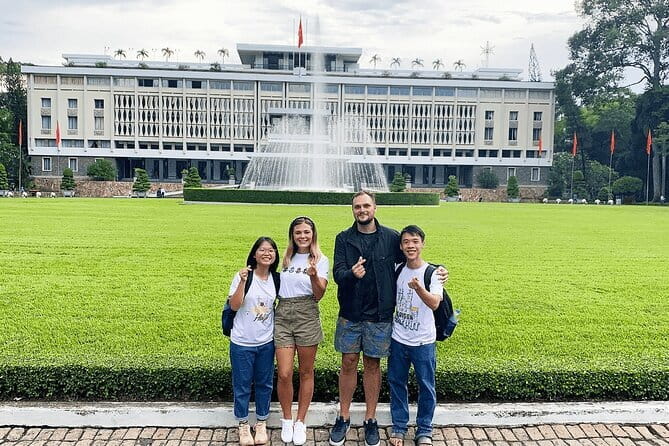
Nui Dat is where the day moves from story to site. You start here with about an hour on Nui Dat hill, the former base of the 1st Australian Task Force. This stop is valuable because it’s not only a viewpoint; it’s described in terms of remnants you can see.
The tour includes details you can picture on the ground: remnants of the base such as helicopter landing zones and camping areas. That’s important for two reasons.
First, it makes the base feel real. Not just “a place where something happened,” but a working area with practical infrastructure. Second, it helps you understand why location mattered—bases weren’t random; they were tied to movement, support, and operations.
A possible drawback here is that remnants can look subtle depending on weather, vegetation, and how the site has changed. You’ll get the most out of this stop if you lean into the guide’s explanations and ask questions during the walk-and-look time rather than trying to interpret everything alone.
If you want a battlefield stop that feels grounded in physical evidence, Nui Dat is one of the best parts of the day.
Long Tan Cross Memorial: A Place for Reflection, Not Just Viewing
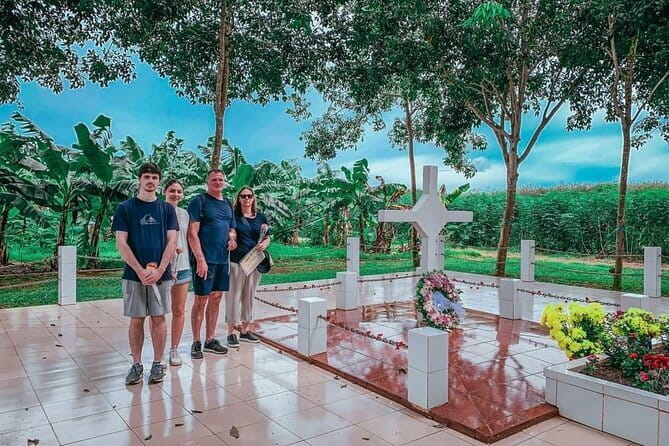
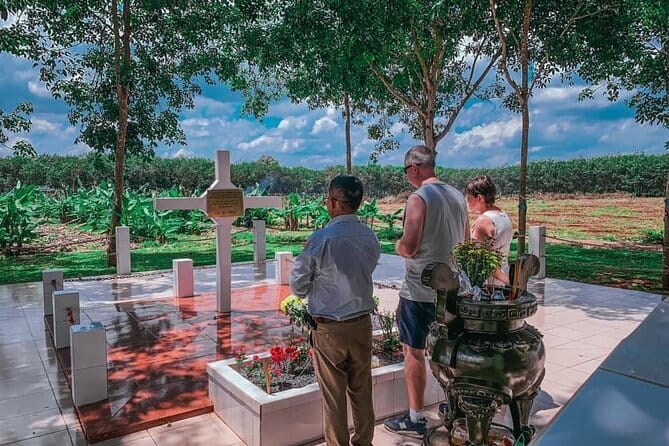
Next comes the Long Tan Cross Memorial, about an hour. This is one of those stops where the purpose is clearly stated: it commemorates the Australian and Vietnamese soldiers who fought during the Battle of Long Tan.
For me, memorial stops work when they give you a quiet place to process what you’ve learned earlier. And this one is set up that way. Even without getting overly detailed, the inclusion of both Australian and Vietnamese soldiers signals that the memorial isn’t only about one side’s narrative. It pushes you to see the shared human cost of conflict.
The emotional tone here is different from Nui Dat. At the hill, you’re looking at traces of operations. At the cross memorial, you’re confronting remembrance. That contrast is why the order works: you’ve already seen how the sites functioned, then you’re given a respectful pause to absorb the meaning.
If you’re sensitive to heavy themes, plan to spend a few minutes just standing still and reading what’s there. Don’t rush this stop to get to the next one. The value is in slowing down for a moment.
Long Phuoc Tunnels: Understanding Shelter and Communication Underground
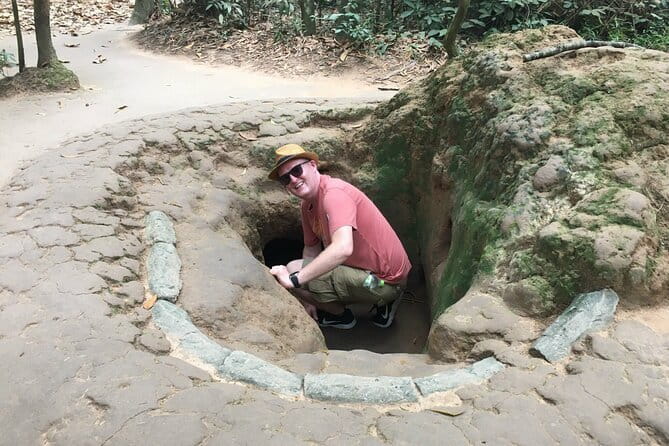
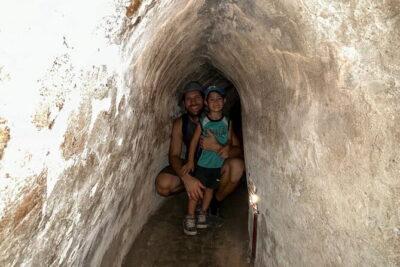
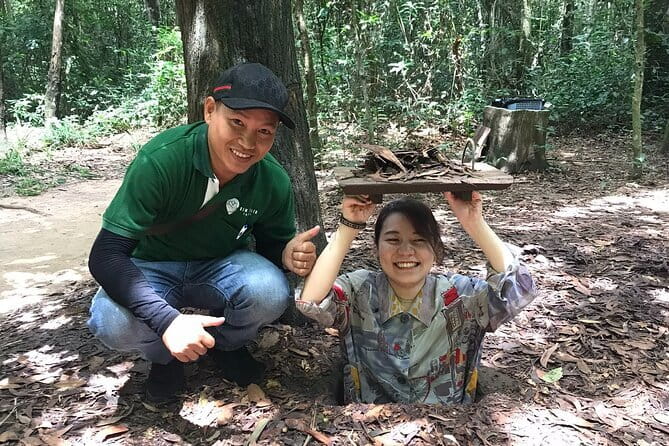
After the memorial, the day turns physical in a different way: the Long Phuoc Tunnels. These tunnels are described as an underground network used by the Viet Minh and Viet Cong for shelter, communication, and combat.
That triple focus—shelter, communication, combat—helps you understand the tunnels as an operational system, not a single-purpose hiding place. In other words, it’s not just about survival. It’s about moving information and enabling action while reducing exposure.
This stop is around an hour, which is a good length for a site like this. You don’t want it to drag, and you don’t want it shortened so much that you miss the core takeaway.
A practical consideration: underground sites can feel cooler than the outside air, but conditions can vary. Wear comfortable shoes and be ready for the possibility of uneven or damp surfaces, depending on how the tunnel area is set up during your visit.
If you’re interested in how conflict changes daily life and movement, this is the stop that often makes people rethink the war beyond “what happened above ground.”
You can also read our reviews of more tours and experiences in Ho Chi Minh City






Scenic Rubber Plantations and Mong Ngua Mountain on the Way Back

Between the big history stops, the tour route includes scenic stretches through rubber plantations and Mong Ngua Mountain. You don’t spend an entire standalone block of time at the mountain in the itinerary details, but the name drop matters: it signals that the drive isn’t only a transfer.
These scenic portions can be a mental reset. After seeing memorial and tunnels, a look at the landscape helps you remember that this region isn’t only a battlefield map—it’s a living place with its own geography and rhythm.
So if you tend to get “tour fatigue” after several dense stops, those roads and views give your brain a break without wasting time.
Lunch Choices and the Vung Tau Beach Add-On
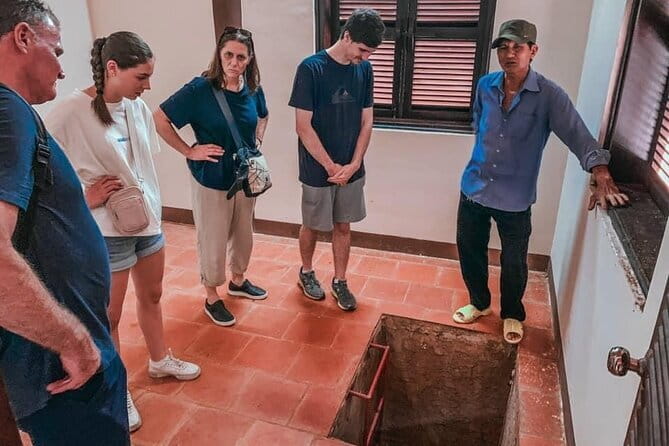
How you handle lunch depends on which option you choose.
If you go with the Long Tan-only version, the schedule indicates a lunch stop with expense on your own before heading back to Ho Chi Minh City. That’s a common trade-off: you keep the tour shorter or more focused, but you’re responsible for one meal.
If you select the Long Tan & Vung Tau beach version, the day continues to Vung Tau beach and includes local lunch as part of the plan. This is the key decision point: do you want a straight line through war sites, or do you want the day to end with something more open-air and relaxed?
Either way, you’re looking at roughly two hours back toward Ho Chi Minh City after the beach or the lunch stop. Expect the day to feel like a full loop.
My practical advice: if you dislike “random restaurant roulette,” the version that includes local lunch may feel less stressful. If you prefer control over where you eat, pick the Long Tan-only route and plan lunch near where you’ll be dropped back.
Price and Value: Is $99 a Good Deal?
At $99 per person, this is not the cheapest thing you can book in Ho Chi Minh City. But it’s also not overpriced for what you get.
Here’s why the value can work well:
- Private format: only your group rides together, with pickup and a dedicated comfortable car.
- Entrance tickets included for the stops listed as included.
- Experienced English-speaking guide: the guide is not an add-on; it’s the core of the day’s meaning.
- Bottled water included, which sounds small until you’re hours into a hot drive day.
A lot of tours underprice themselves by charging later for guides and entry fees. This one includes entrance fees for the featured stops, which helps you avoid surprise costs during the day.
The real cost variable isn’t the $99—it’s what you do with lunch and how you want your day to end (beach option or not). Add a meal cost if you choose the Long Tan-only path, and you’re close to the full “all-in” picture.
If you want a guided, respectful battlefield day with a private car and included entries, $99 is a reasonable way to buy back your time and attention.
Who This Tour Is Best For (and Who Should Skip It)
This is a smart match for you if:
- You want a guided day focused on Australian Vietnam War sites, not a general-country sightseeing package.
- You like commemoration and want context before you walk around memorials and remnants.
- You’re comfortable with a day that includes solemn themes and underground sites.
You might skip it if:
- You want lots of hands-on activities and don’t care about memorials or historical interpretation.
- You get restless in long travel days and would rather spend your day closer to central Ho Chi Minh City.
- You only want a brief taste of the subject and don’t want the full 6 to 8 hours.
This tour sits in the sweet spot for people who enjoy learning on the ground, with clear stops and a guide who keeps the story focused.
Should You Book It?
I’d book this if you’re looking for a respectful Australian battlefield day trip that gives you structure. The combination of Nui Dat hill remnants, the Long Tan Cross Memorial, and the Long Phuoc Tunnels creates a full arc: operations, remembrance, and underground strategy. Add a guide-led car briefing—like the style credited to Hillbilly Jack—and the day stops feeling random.
Choose the beach option if you want a softer landing at the end of a heavy day. Choose Long Tan-only if you prefer fewer moving parts and you’re happy planning your own lunch.
If your travel style is “see fewer things, but understand them,” this is the kind of tour that can deliver.
FAQ
FAQ
How long is the Private Long Tan and Nui Dat Battlefield Day Trip?
It runs about 6 to 8 hours, depending on the option you choose.
Is pickup available?
Yes. Pickup is offered from your hotel in Ho Chi Minh City.
What’s included in the price?
The tour includes a comfortable car, an experienced English-speaking guide, bottled water, and all entrance fees for the included stops.
Are entrance tickets included?
Yes. Entrance fees are included for the stops listed as ticket included.
What stops do you visit?
You visit Nui Dat hill, the Long Tan Cross Memorial, and the Long Phuoc Tunnels. Depending on your option, you may also go to Vung Tau beach.
If I only choose Long Tan, will I still eat lunch?
You’ll stop for lunch, but it’s listed as your own expense in the Long Tan-only option.
Does the tour include Vung Tau beach?
There is an option that includes Vung Tau beach, plus local lunch.
Is this tour private?
Yes. It’s described as a private tour/activity, with only your group participating.
What’s the cancellation policy?
You can cancel for a full refund if you cancel up to 24 hours in advance of the experience start time.
Is the tour suitable for most travelers?
Yes. The tour notes that most travelers can participate.