REVIEW · HO CHI MINH CITY
Ho Chi Minh: Tasting Iconic Coffee of 3 Regions in Vietnam
Book on GetYourGuide →Operated by Sky Travel · Bookable on GetYourGuide
Coffee in Ho Chi Minh City is more fun when you learn it. This 1-hour, small-group tasting in District 1 walks you through how three iconic regional coffees taste and how the Phin dripper shapes every sip. I like that you don’t just sample, you actually make the coffee yourself, which makes the differences feel real in your cup.
I also like the way the guide connects each drink to its region’s vibe, not just the ingredients. In one session, Quynh used photos and even included a lesson using a deliberately “wrong” brew so you could see how small step changes affect flavor. One consideration: the set-up can feel more like an apartment-style tasting room than a full café, so don’t expect a big restaurant atmosphere.
In This Review
- Key highlights you’ll feel right away
- A Phin coffee lesson that actually changes how you taste
- Meeting at 27 Ngo Duc Ke: what the small-group format means
- The three-region coffee story: condensed milk, salt, and egg
- South Vietnam: condensed milk coffee
- Middle Vietnam: salt coffee
- North Vietnam: egg coffee
- Brewing with the Phin dripper: the hands-on part that makes it stick
- What you’ll taste in an hour (and how to plan for it)
- Guide-led comparisons: how the story ties to the cup
- Price and value: what $21 really buys you
- Who should book this Ho Chi Minh coffee tasting
- What’s included (and what you need to handle yourself)
- Should you book this coffee tasting or skip it?
- FAQ
- Where is the meeting point for this Ho Chi Minh coffee tasting?
- How long does the experience last?
- What coffee types from Vietnam are tasted on this tour?
- Is hotel pickup and drop-off included?
- Can children join the tasting?
- Is the tour wheelchair-friendly and are pets allowed?
Key highlights you’ll feel right away
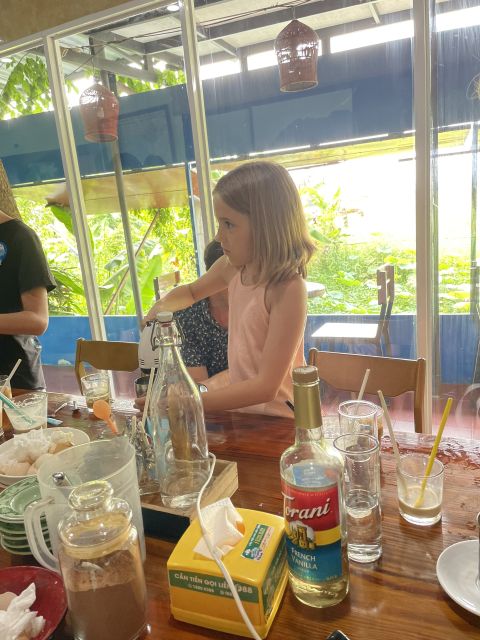
- Three regions, three iconic styles: South condensed milk coffee, Middle salt coffee, North egg coffee
- Hands-on brewing with the Phin so you understand what changes the taste
- Small group (up to 10) for questions and a smoother pace
- Half-size tastings let you compare without getting overloaded
- English host/greeter focused on clear explanations and drink comparisons
- A guide who teaches the how-and-why, including the impact of brewing steps
A Phin coffee lesson that actually changes how you taste
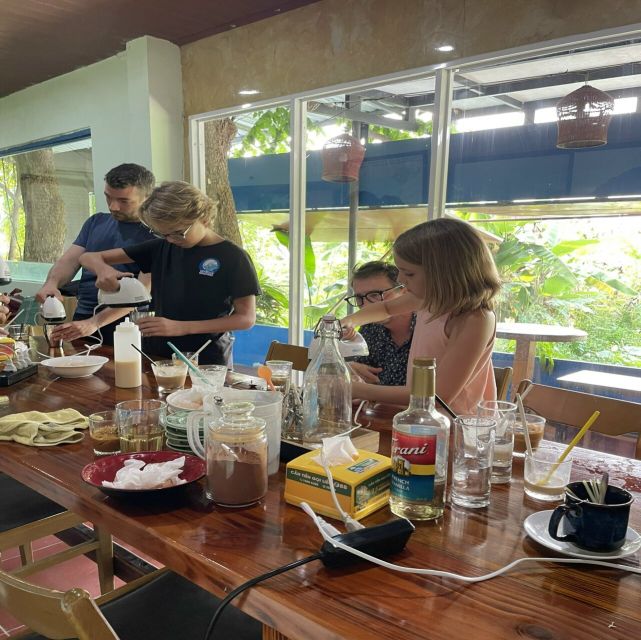
Vietnamese coffee has a reputation for being strong. This experience is stronger than that—in a good way. You’ll learn why it tastes the way it does, because you’ll brew it with the traditional Phin drip filter instead of just ordering a cup and hoping.
I like that the tour is designed for comparison. You’re not doing a random tasting flight. You’re tasting the South, Middle, and North versions side by side, then figuring out what makes each one feel like it belongs to its region.
The session is short—1 hour—so the pace matters. Expect a tight flow: you’ll get guided context first, then you’ll brew and taste, then you’ll wrap with comparisons. It’s the kind of format that works if you want real local flavor without burning half a day.
You can also read our reviews of more food & drink experiences in Ho Chi Minh City

Meeting at 27 Ngo Duc Ke: what the small-group format means
You meet at 27 Ngo Duc Ke Street, District 1, Ho Chi Minh City. Since hotel pickup and drop-off aren’t included, you’ll want to plan to get there on your own (taxi, ride-hailing, or by walking depending on where you’re staying).
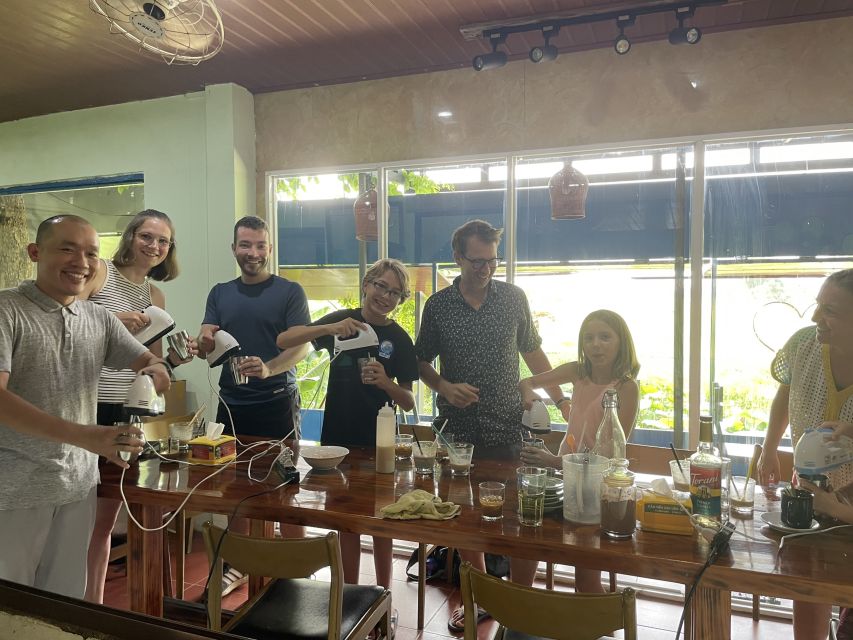
The group is limited to 10 participants, which is the sweet spot for this type of workshop. When there’s room for back-and-forth questions, you learn faster—and the guide can correct your technique before you brew a weak cup.
One practical note from experience with this style of activity: don’t judge it only by how it looks from the outside. One booking mentioned the space can resemble an apartment-style setup rather than a standard café, which can be a little surprising if you were expecting a street-facing coffee shop vibe.
The three-region coffee story: condensed milk, salt, and egg
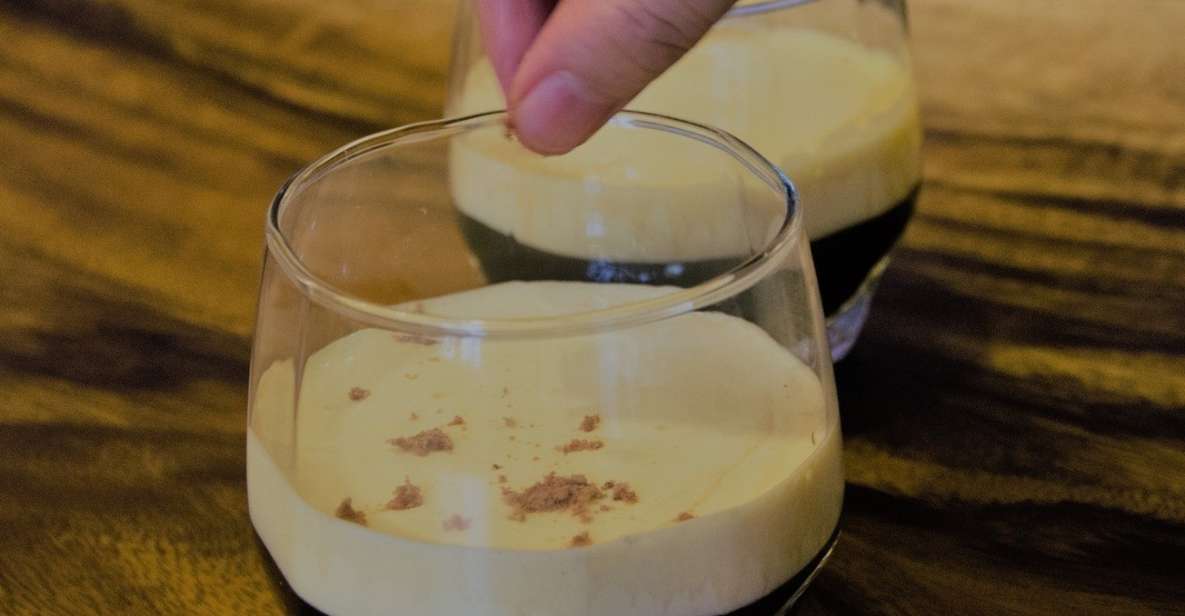
This tasting is built around three drinks that people associate with three different parts of Vietnam. The guide explains what makes each one distinct, and how those differences connect to regional preferences and local character.
Here’s how the comparisons usually land in your cup:
South Vietnam: condensed milk coffee
South Vietnam’s icon is the condensed milk coffee. The main point isn’t just that it’s sweet—it’s how the sweetness balances the coffee’s intensity. During tasting, you’ll notice how the condensed milk rounds out bitterness and makes the coffee feel smoother and heavier at the same time.
When you brew your own, pay attention to how the Phin extracts. If extraction feels too fast or too thin, the flavor profile shifts. You’ll get a better sense of why locals stick to this method rather than switching to drip machine habits.
Middle Vietnam: salt coffee
Middle Vietnam’s standout is salt coffee. This one sounds unusual at first, but the idea is simple: a pinch of salt can change how sweetness and bitterness show up together. In practice, you’ll likely taste a coffee that feels less flat and more balanced, as if the salt helps sharpen the edges instead of dulling them.
The value here is learning the logic. You’re not tasting salt just to collect a novelty. You’re tasting it to understand how tiny ingredient choices steer perception—especially when the coffee is strong.



North Vietnam: egg coffee
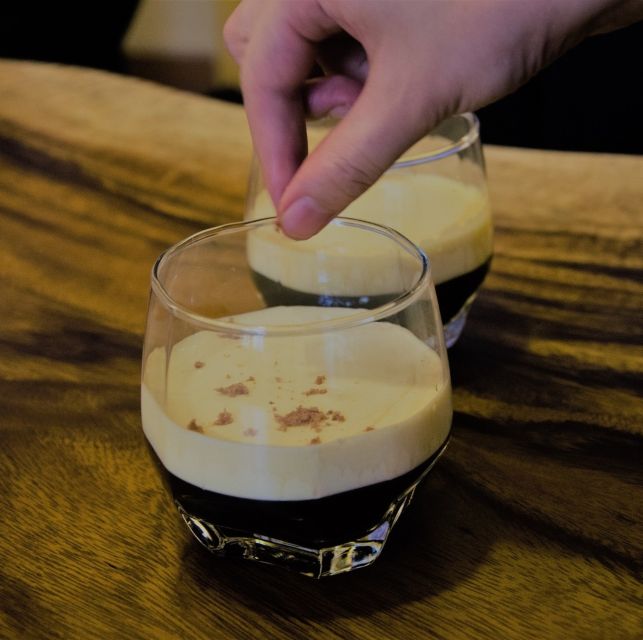
North Vietnam’s famous egg coffee is where things get rich. You’ll taste a drink with a creamy, custard-like character and a different kind of sweetness than condensed milk. Egg coffee often feels more dessert-like, so even if you’re not a super-sweet person, it helps you understand how texture changes how coffee is experienced.
If you pay attention during this part, you’ll start noticing how each regional style aims for a different mood: smooth and sweet (South), balanced and surprising (Middle), and thick and dessert-like (North).
Brewing with the Phin dripper: the hands-on part that makes it stick
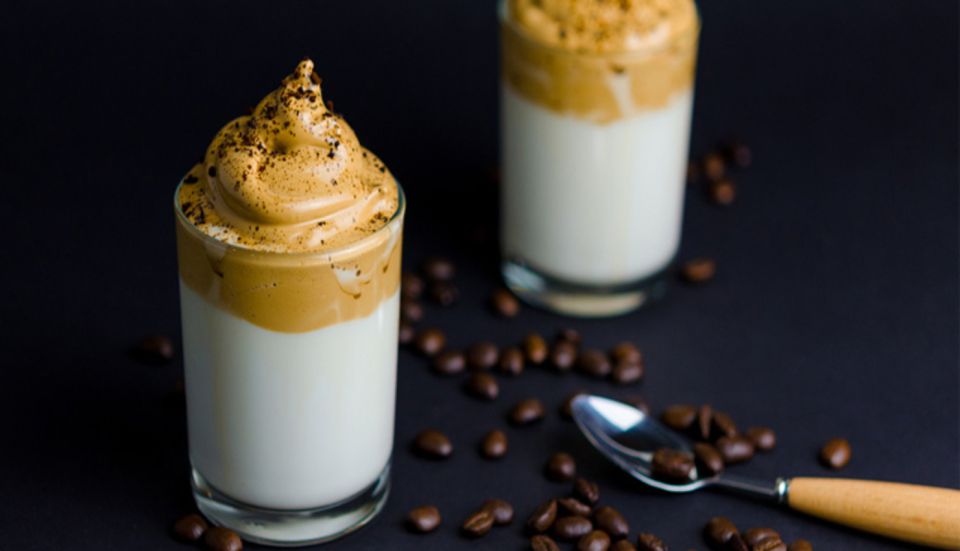
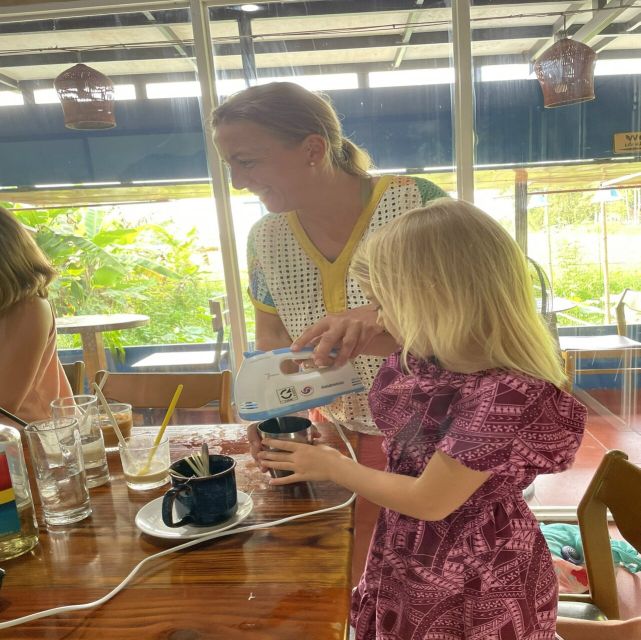
The biggest reason this tour is worth your time is that it’s hands-on. You’ll brew using the traditional Phin—a small metal dripper that sits on top of your cup and slowly filters coffee.
In a great session, the guide doesn’t just watch you do it. They explain each step and why it matters. One review highlighted that Quynh taught the process using a contrast method: you could taste one brew that wasn’t done correctly to show how mistakes affect flavor.
That’s an underrated teaching tool. A lot of tastings skip the technique. Here, you learn cause and effect:
- Grinding and prep choices affect how fast and how completely the coffee extracts
- Timing and flow influence bitterness and strength
- Getting the process right changes the taste more than you’d expect
Even if you never plan to brew Vietnamese coffee at home, you’ll leave with a mental map. Next time you order a phin-brew cup, you’ll understand why it tastes the way it does—and what might be behind a too-bitter or too-weak version.
What you’ll taste in an hour (and how to plan for it)
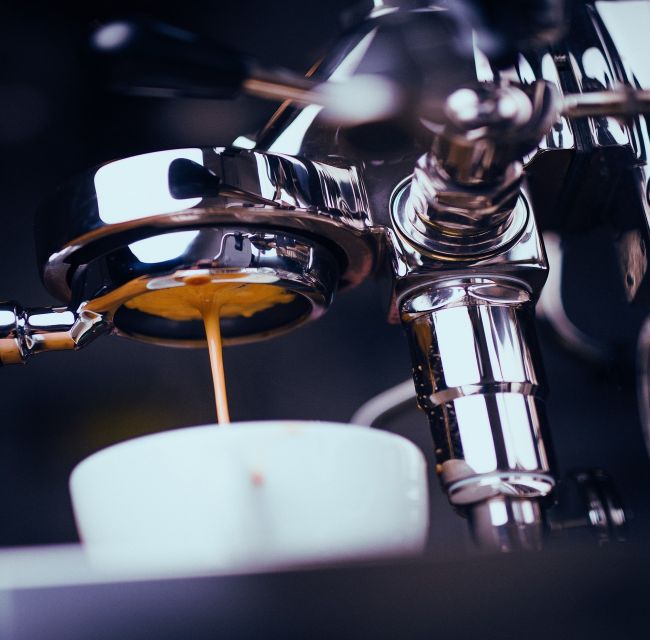
You’ll taste three region coffees in half-size servings. Half-size matters because you still get the comparison effect without feeling like you’ve downed a full café drink marathon.
One tip I strongly recommend: eat before you go. In at least one booking, people were warned that there’s a lot of caffeine, even with smaller tastings. Also, the guide may provide a small Vietnam comfort-food bite during the session. The key point is simple: don’t walk in hungry and assume coffee won’t hit hard.
Also, the drinks themselves bring different intensity. Condensed milk coffee can feel smooth and heavy. Salt coffee can feel sharper. Egg coffee can feel thick and dessert-like. That variety is part of the educational value.
If you’re sensitive to caffeine, keep this in mind. You’re not just sampling “a little coffee.” You’re sampling three strong styles in one tight window.
Guide-led comparisons: how the story ties to the cup
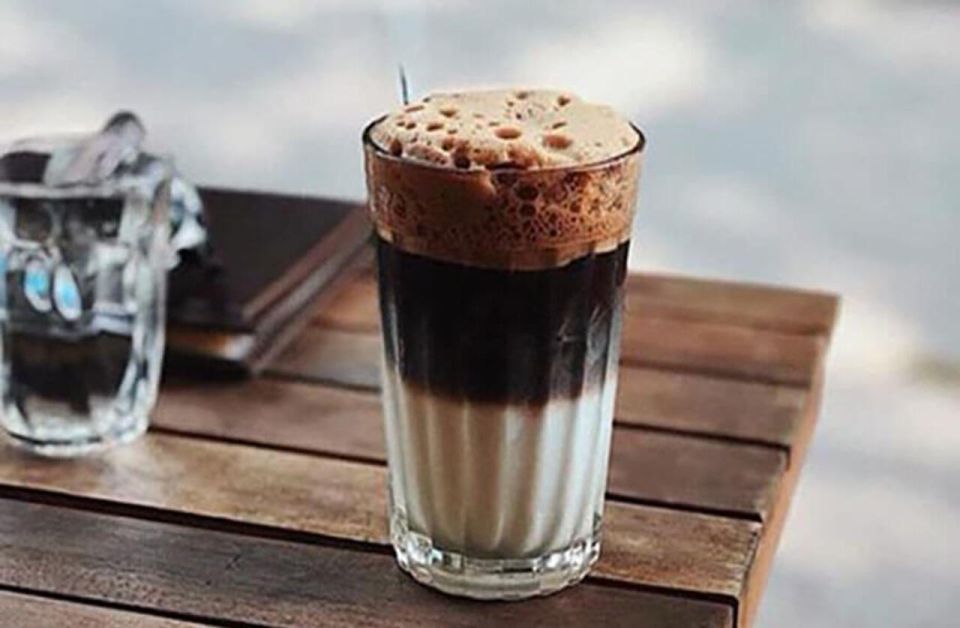
This experience isn’t only about flavor. The guide also talks about the special drinks of the three regions and how each drink reflects the people and the cities behind it.
That framing matters because it turns a tasting into understanding. Instead of thinking, This is sweet or This is weird, you start thinking, Here’s why locals might like it. Here’s what they’re trying to achieve—balance, texture, or a specific kind of sweetness.
In one review, Quynh used pictures to explain the history of coffee and how Vietnam’s coffee culture evolved. That kind of added context makes the experience feel more grounded, especially if you’re the type who likes to connect a food to the place.
Price and value: what $21 really buys you
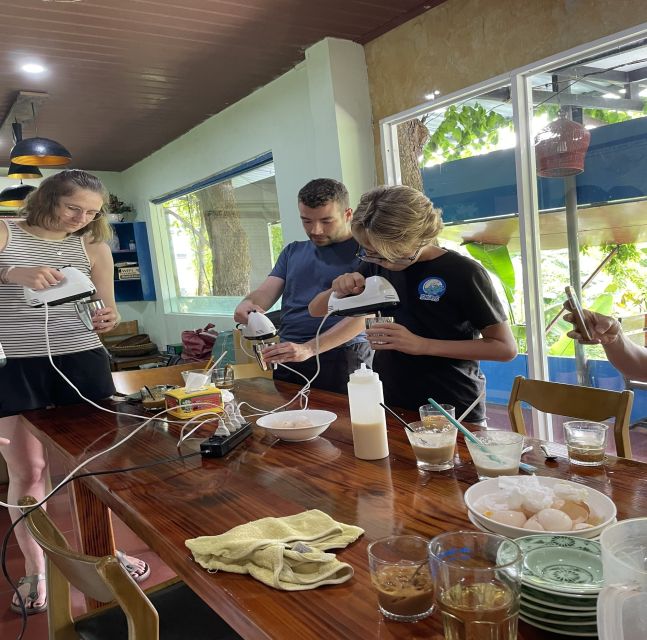
At $21 per person, you’re not paying for a sit-down meal or a full-day tour. You’re paying for three things:
- Brewing instruction with the Phin
- Tasting three iconic regional coffees (half-size servings)
- A coffee specialist who explains the regional differences in a way that helps you remember
Compare that to buying three coffees in cafés, especially if one of them is a specialty like egg coffee. The prices add up fast. Here, you also get equipment and ingredients included, which keeps the experience from turning into a pay-more-to-figure-it-out situation.
So yes, it’s a paid experience. But it’s also structured teaching time. If you like coffee and you want to leave with knowledge—not just a sugar hit—this is a fair deal.
Who should book this Ho Chi Minh coffee tasting
This tour is a good fit if:
- You enjoy coffee and want a hands-on brewing lesson
- You’re curious about Vietnamese regional differences (South vs Middle vs North)
- You like small-group experiences with time for questions
- You want a quick activity in District 1 that doesn’t eat your whole day
It may not be the best fit if:
- You need wheelchair accessibility (the activity isn’t suitable for wheelchair users)
- You’re traveling with kids under 14. The activity notes children under 14 are free but not allowed to join in tasting coffee, and it’s not listed as suitable for children under 14 years.
What’s included (and what you need to handle yourself)
Included:
- Hand-on brewing with the Phin dripper
- Tasting 3 regional iconic coffees (half-size drinks)
- All ingredients and equipment
- Coffee expert/specialist
Not included:
- Hotel pickup and drop-off
- Meals
- Personal expenses
- Anything not mentioned in the details
Practically, that means you’ll want to handle your own route to 27 Ngo Duc Ke Street and you should plan a meal before or after, especially because caffeine can be intense.
Also, pets aren’t allowed. If you’re traveling with an animal, you’ll need alternate plans.
Should you book this coffee tasting or skip it?
Book it if you want to understand Vietnamese coffee, not just taste it. The hands-on Phin brewing is the difference-maker, and the South/Middle/North comparison gives you a clear framework you can carry with you.
Skip it if you hate caffeine-heavy experiences, or if you need full accessibility and kid-friendly participation. And if you expect a big café setting, go in with flexible expectations about the room—this can be an apartment-style tasting space.
If you’re a coffee fan with an hour to spare in Ho Chi Minh City, this is one of the more memorable ways to spend it. You’ll learn technique, taste three iconic styles, and walk away with a better nose and palate for the real differences.
FAQ
Where is the meeting point for this Ho Chi Minh coffee tasting?
You’ll meet at 27 Ngo Duc Ke street, District 1, Ho Chi Minh City.
How long does the experience last?
The duration is 1 hour.
What coffee types from Vietnam are tasted on this tour?
You’ll taste three iconic regional coffees: condensed milk coffee (South), salt coffee (Middle), and egg coffee (North).
Is hotel pickup and drop-off included?
No. Hotel pickup and drop-off aren’t included.
Can children join the tasting?
Children under 14 are free, but they cannot join in the tasting coffee. The activity is also listed as not suitable for children under 14 years.
Is the tour wheelchair-friendly and are pets allowed?
Wheelchair users aren’t suitable for this activity, and pets are not allowed.