REVIEW · HO CHI MINH CITY
Ho Chi Minh: PRIVATE Off the Beaten Track Tour with a Local
Book on Viator →Operated by Withlocals · Bookable on Viator
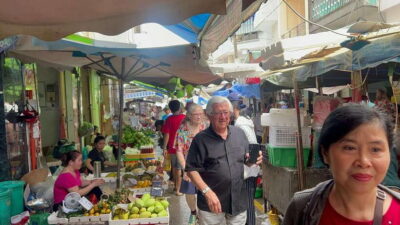
A great morning in HCMC starts with one street market. This private tour is built for small-group flexibility and a local-led route that steers you away from the same handful of sights. You’ll begin at Ben Thanh Market, then move through neighborhoods and places that feel more like daily life than a checklist.
I especially like the way the experience keeps pace in your control. You’re not stuck waiting on a big group, and your guide can adjust as you walk—whether that means lingering for photos, slowing down for street crossings, or hopping on local transport when it makes sense. I’ve also seen guides like Huyền Bùi and Dhan described as careful and chatty in the best way, including support for crossing busy roads.
One thing to consider: this style of “off the beaten track” can mean tight-market lanes. If you’re short on time, hate narrow paths, or want easy, flat strolling all day, you might find parts of the route a bit challenging, so bring comfortable shoes and expect some walking.
In This Review
- Key things to know before you go
- Ben Thanh Market as your starting point (and why it works)
- How “off the beaten track” plays out in real neighborhoods
- Stop 1: Ben Thanh Market, then markets beyond the usual paths
- Stop 2: Thien Hau Pagoda for a calmer cultural reset
- Stop 3 (and beyond): the city area where your guide shapes your day
- The private guide factor: safety, pacing, and real conversations
- Transportation and walking: what to expect (so you don’t get stuck early)
- Price and value: how $55.57 fits a private local experience
- What to wear and bring for the smoothest market-and-temple day
- Who this tour is best for (and who should consider something else)
- Should you book it? My take
- FAQ
- How long is the private off-the-beaten-track tour?
- Where does the tour start and end?
- Is hotel pick-up included?
- Is this a private tour?
- What stops are included?
- Do I need to pay admission fees at the stops?
- How do tickets work for this experience?
- Is there any limit on physical fitness?
- Is the meeting point near public transportation?
- Can I cancel for a full refund?
Key things to know before you go
- Private guide, just your group: you won’t be negotiating the pace of strangers.
- Markets and local neighborhoods: the route focuses on everyday places, not only big-name landmarks.
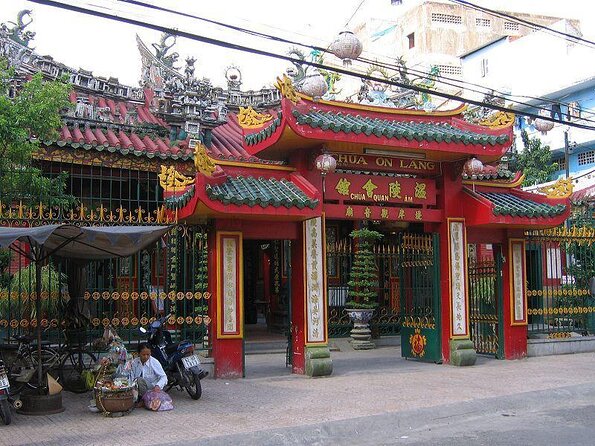
- Thien Hau Pagoda stop: a cultural breather with local vendors and street art around the area.
- Local bus option on some routes: you may ride a local bus toward areas like Chinatown or District 10.
- Moderate walking + narrow paths: wear shoes you can trust in crowded lanes.
- Free admission at the scheduled stops: the listed stops include free entry tickets.
Ben Thanh Market as your starting point (and why it works)
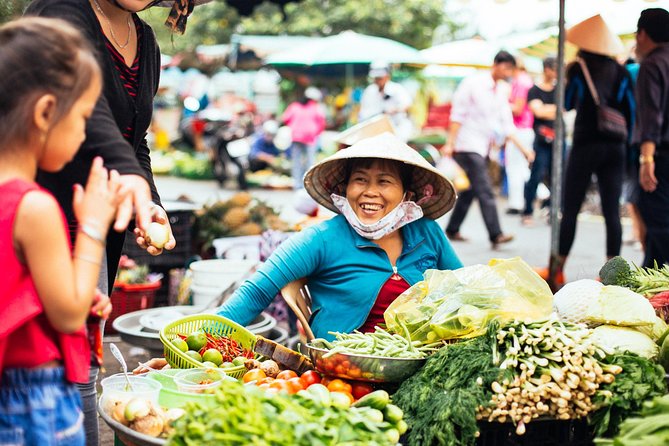
Ben Thanh Market is a smart place to begin because it’s central and easy to orient yourself. Starting there also sets the tone: you’re already in a real HCMC scene—shops, movement, and everyday chatter—before the tour shifts into quieter backstreets.
You’ll meet at Ben Thanh Market in District 1, and the tour returns to the same meeting point. That “loop” matters if you’re trying to build a day around other plans later, since you won’t be dropped far away.
There’s no hotel pick-up included, so you’ll want to plan how you’ll reach Ben Thanh. The good news is it’s described as near public transportation, so you can keep it simple rather than relying on taxis for the whole morning/afternoon.
You can also read our reviews of more private tours in Ho Chi Minh City



How “off the beaten track” plays out in real neighborhoods

This tour is designed for you to skip the standard major-attraction circuit. Instead, you’ll explore areas that most visitors miss—often through markets and side streets that don’t feel built for mass tourism.
Your guide’s route can vary, which is part of the appeal. The tour starts with Ben Thanh, but then you may be sent toward less-famous zones such as the Quân 6 area and Binh Tay market–style streets. If you’re hoping to see what HCMC looks like when it’s not performing for tourists, this is the right structure.
Expect lots of time spent on foot. One review highlighted a guide taking a local bus first, then continuing on foot through Chinatown with an emphasis on being among locals—markets, temple areas, and everyday storefronts. Even when the exact neighborhoods change, the “walk first, explain as you go” method stays consistent.
Stop 1: Ben Thanh Market, then markets beyond the usual paths
The first stop is Ben Thanh Market, with about 1 hour to spend there. This is your chance to get your bearings and watch the market rhythm before your guide pulls you into quieter corners.
From there, your host may guide you toward a lesser-known market area. The tour description specifically points toward checking out places like Quân 6 and Binh Tay market after you’ve done the main highlights, which is a nice way to avoid the “been there, seen that” feeling you can get with overly repetitive market tours.
What I like about this setup is that it gives you a baseline (Ben Thanh), then quickly changes gears. If you love markets, you’ll get the “normal” entry point first, then the more interesting lanes after—when the crowds thin and the experience becomes more about conversation and context.
A drawback to be aware of: some market sections can be tight, with narrow passageways. One review warned it’s not suitable for everyone because you may have to navigate a maze of very narrow paths. If you’re traveling with mobility concerns or just prefer wide sidewalks, this part might be stressful—so plan to move slowly and don’t wear anything that restricts your feet.
Stop 2: Thien Hau Pagoda for a calmer cultural reset
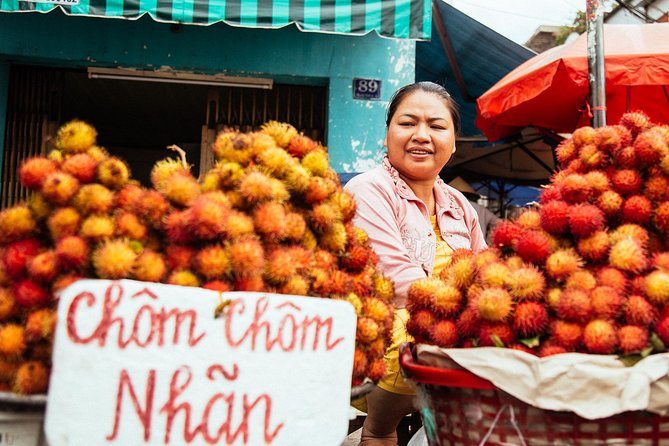
Next comes Thien Hau Pagoda, listed as a 30-minute stop. This is a strong counterbalance to the market energy, and it’s where your guide’s street-level knowledge matters most.
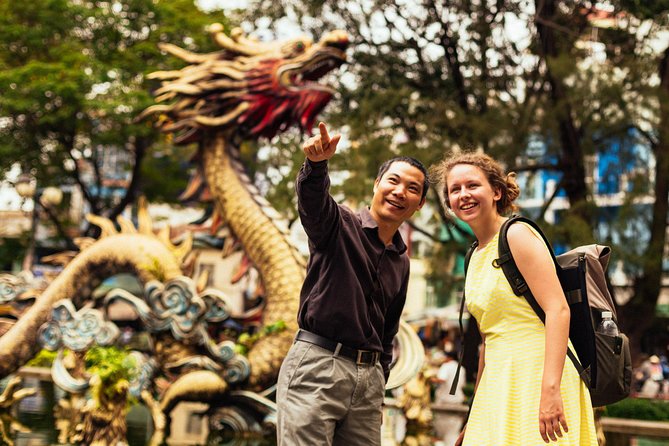
The tour description frames this stop as a chance to see cultural hot spots, local vendors, street art, and historical points through a local lens—away from the tourist traps. In practical terms, that means you’re not just standing near a landmark taking pictures; you’re getting the “why this matters here” story from someone who sees it as part of daily life, not an attraction to check off.
This is also a good time to ask questions. Pagoda areas often trigger deeper context—beliefs, community roles, and how neighborhoods organize themselves around shared spaces. If you enjoy learning in small, digestible pieces, this stop fits well.
Stop 3 (and beyond): the city area where your guide shapes your day
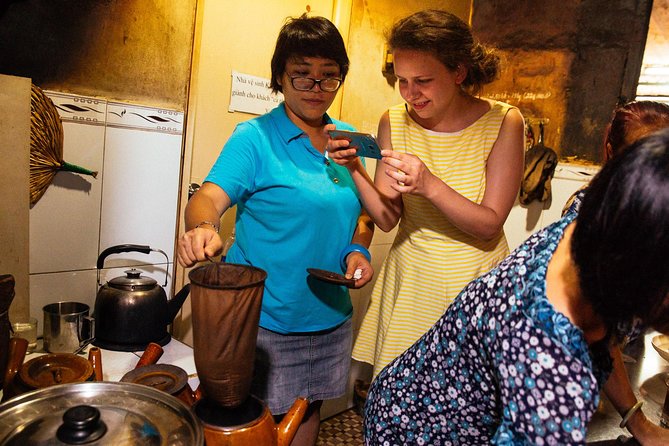
After the pagoda, the tour includes time in the Ho Chi Minh City area as your guide continues the route. The key detail here is flexibility: depending on your host and their chosen path, additional stops may be included.
That “depending on the route” clause is what can turn a solid tour into a genuinely personal one. In the reviews, I saw examples of guides taking guests toward Chinatown and even recommending time for coffee afterward in a small, local-feeling place. Another review described being taken by local bus to District 10 and touring a wholesale market area.
So how should you think about this final stretch? Plan for it to be more about connections than fixed landmarks. You’re likely to get explanations that tie districts together, plus street-level details that you wouldn’t notice on your own. If you love mapping your day to real neighborhoods—rather than hopping between famous points—this is where the tour earns its “off the beaten track” label.




The private guide factor: safety, pacing, and real conversations
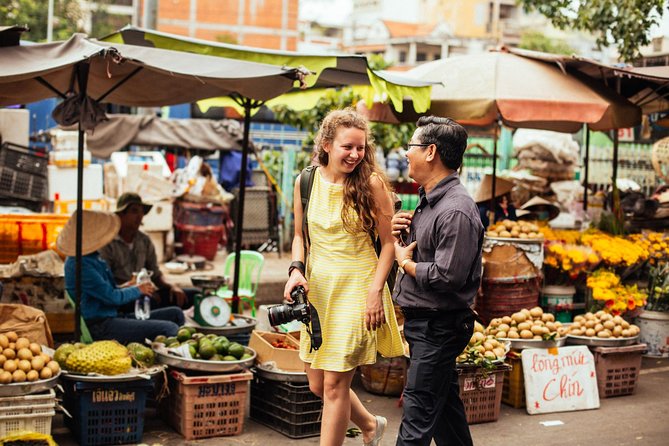
The standout value here is the private format: only you and your local guide. That matters in HCMC because the city moves quickly and crossing streets can feel intimidating if you aren’t used to the flow.
More than one review highlighted guides actively helping guests cross safely and staying close while navigating busy roads. One guide, Dhan, was specifically mentioned as guiding someone safely across and through Chinatown and keeping right with the guest for road crossings—almost like a sticky-rice style of closeness. That kind of support is worth real money, because it reduces stress and keeps your time from getting swallowed by confusion.
Pacing is also the quiet superpower of private tours. Since it’s not a group march, your guide can slow down when you want to understand something. It can also speed up when it’s clear you’re ready to move on. One review praised Huyền as fun to talk to and noted she took someone on local buses and walked a lot—enough to feel the city, but guided in a way that still felt safe.
If you like learning through conversation, look for guides who tell stories. Reviews mention Thien and Hieu in glowing terms for being passionate and fun, with clear explanations about districts and day-to-day differences. Joy also came up as giving interesting knowledge and adding a coffee break after Chinatown.
Transportation and walking: what to expect (so you don’t get stuck early)
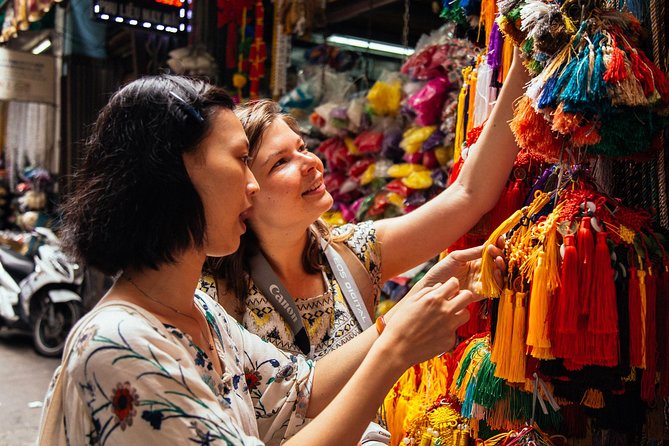
This tour is built around walking plus some local transport options depending on route. One description mentions near public transportation, and reviews include examples of taking local buses as part of the day.
What that means for you:
- Bring shoes that handle long walking and crowded areas.
- Plan for frequent street crossings where your guide handles the flow.
- Expect “market navigation,” including tighter corridors where single-file movement may be necessary.
The tour also has a note about moderate physical fitness level. That doesn’t mean it’s extreme, but it does mean you should be comfortable moving for a couple of hours with stops and walking time.
No hotel pick-up is included, so you’ll likely arrive on your own. If you’re already in District 1, that’s easy. If you’re staying farther out, build a little buffer so you’re not rushing to Ben Thanh.
Price and value: how $55.57 fits a private local experience
At $55.57 per person for about 2 hours 30 minutes, the big question is what you get that a cheap group tour doesn’t.
You’re paying for:
- A private local guide (so the time is yours, not shared).
- Access to an off-the-beaten-track route that tends to be more about neighborhoods and local behavior.
- A structure that can include local transport (like bus rides) and deeper street context, depending on the host.
Also, the tour includes a sustainable carbon neutral experience. That’s not a magic wand, but it does signal the provider is thinking about impact in how they run tours.
And because it’s private, your guide can spend time helping you feel comfortable—especially around street crossings and busy markets. That comfort can be the difference between enjoying HCMC like a friend and feeling overwhelmed like a lost tourist.
One more value note: the tour lists group discounts. So if you’re traveling with family or friends, the per-person cost can make even more sense for what feels like a personalized half-day.
What to wear and bring for the smoothest market-and-temple day
This is the kind of tour where small choices make a big difference. Based on the route style (markets, pagoda area, narrow lanes), I’d plan like this:
- Wear comfortable, grippy shoes. You’ll walk.
- Bring a light layer. Time outdoors and indoors can vary.
- Keep your phone handy, since you’ll likely want photos in market lanes and around the pagoda.
- If you’re sensitive to crowds or narrow paths, go slowly and ask your guide to route around the tightest sections when possible.
One practical plus: tickets for the scheduled stops are listed as free admission. So you’re mostly paying for the guide and experience, not paying for entry fees at each stop.
Who this tour is best for (and who should consider something else)
This private off-the-beaten-track tour is a great fit if you:
- Want a local-led route rather than only big-name landmarks.
- Like walking and learning through streets, markets, and everyday neighborhoods.
- Prefer a private experience where you can set your own pace.
- Appreciate safety support, especially when crossing busier roads.
It may be less ideal if you:
- Struggle with narrow, crowded market lanes.
- Want minimal walking.
- Need hotel pick-up and door-to-door convenience.
Still, even if you’re not a “market person,” the Thien Hau Pagoda stop gives you a cultural shift, and your guide can steer the day based on your comfort level.
Should you book it? My take
If you want Ho Chi Minh City beyond the usual “see the highlights” route, I think this is a strong booking. The private format and guide support are the real winners here: you get safety and pacing, plus a route shaped by a local instead of a fixed script.
The only serious reason to skip is if you’re uncomfortable with crowded, narrow market sections or you’re not up for a walking-focused morning/afternoon. If that’s you, you can still enjoy HCMC—but you’ll probably want a route with fewer tight-lane segments.
FAQ
How long is the private off-the-beaten-track tour?
It lasts about 2 hours 30 minutes.
Where does the tour start and end?
It starts at Ben Thanh Market (District 1, Ho Chi Minh City) and ends back at the meeting point.
Is hotel pick-up included?
No. Hotel pick-up and drop-off are not included.
Is this a private tour?
Yes. It’s private, meaning only you and your local guide (and your group) participate.
What stops are included?
The tour includes Ben Thanh Market, Thien Hau Pagoda, and additional time in the Ho Chi Minh City area. Some extra stops may be added depending on your guide’s route.
Do I need to pay admission fees at the stops?
Admission tickets for the listed stops are listed as free.
How do tickets work for this experience?
You’ll receive a mobile ticket.
Is there any limit on physical fitness?
The tour notes a moderate physical fitness level is recommended.
Is the meeting point near public transportation?
Yes, it’s listed as near public transportation.
Can I cancel for a full refund?
Yes. Free cancellation is available up to 24 hours in advance for a full refund.