REVIEW · HO CHI MINH CITY
Ho Chi Minh City: Street Food and Sightseeing by Motorbike
Book on GetYourGuide →Operated by CONNECT CULTURE CO.,LTD · Bookable on GetYourGuide
Eat Saigon by scooter, not bus. This motorbike street-food tour mixes old Saigon sights with real neighborhood wandering, from a local apartment visit to Chinatown market corners that most people never find. You start with pickup, ride through traffic and small alleyways, and stop often enough to snack your way across several districts.
What I love most is the balance: you get both street food and small-cultural moments, not just plates lined up back to back. I also like how the guides build the day around food you’ll actually enjoy, with English-speaking leaders named Vincent, Seng, Vi, Peace, and others who sound genuinely proud of what they’re sharing.
One thing to consider: you’ll be on a motorbike for parts of the route, so it’s not for everyone. If you’re sensitive to traffic noise, weather, or long stretches on the back seat, think hard first. The good news is helmets and ponchos are provided, and the route is driven with safety in mind.
In This Review
- Key highlights I’d plan around
- Why a motorbike tour is the smartest way to spot real Saigon
- Pickup to District 3: the old-apartment stop that makes the city feel human
- District 5 and the big flower market: sensory prep before you eat
- Chinatown District 5 markets: motorbikes, lanterns, and Chinese medicine
- A temple stop that connects faith and food culture
- Floating market in old Saigon: a change of pace with a local rhythm
- Night option and the Old Saigon Mafia Area: where the food gets louder
- What you’ll actually eat: noodles, pancakes, and coffee fuel
- Guides, safety, and the art of riding well in traffic
- Price and value: why $16 can feel like a deal
- Who this motorbike street-food tour suits best
- Should you book it? My honest decision guide
- FAQ
- How long is the motorbike street-food and sightseeing tour?
- Is hotel pickup included?
- What’s included in the $16 per person price?
- What should I bring for the tour?
- Is alcohol allowed during the tour?
- Is this experience suitable for everyone?
- Can I cancel for a full refund?
Key highlights I’d plan around
- Old-apartment visit in District 3: see daily life in the city’s oldest areas, not just storefront tourism
- Motorbike alley riding: quick access to backstreets and side passages where cars can’t be bothered
- District 5 Chinatown markets: motorbike market, lantern stalls, and Chinese medicine browsing
- Temple stop focused on Chinese religions: a clearer look at faith and community in Saigon
- Floating market + Old Saigon food zones: a change of pace before the next snack stop
- Night option for more active restaurants: you avoid the moment when the local areas quiet down
Why a motorbike tour is the smartest way to spot real Saigon
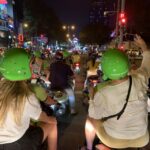
Ho Chi Minh City can feel like a blur if you stay only on the main roads. Riding behind a skilled driver changes that fast. You move through lanes and side streets that you’d never cross on foot without a GPS headache, and you get your bearings in a way that sightseeing buses just can’t match.
The tour is built for short, frequent stops, which matters. You’re not “on the move” for hours and then handed one disappointing snack. Instead, you ride, park, eat, and look around in a rhythm that keeps you paying attention.
Safety and comfort are handled practically. Helmets and ponchos are included, and the motorbike transport is a major selling point in the ratings, with about 95% of past riders giving transport a perfect score. In other words, this isn’t the kind of tour that treats the ride as an afterthought.
You can also read our reviews of more food & drink experiences in Ho Chi Minh City
Pickup to District 3: the old-apartment stop that makes the city feel human
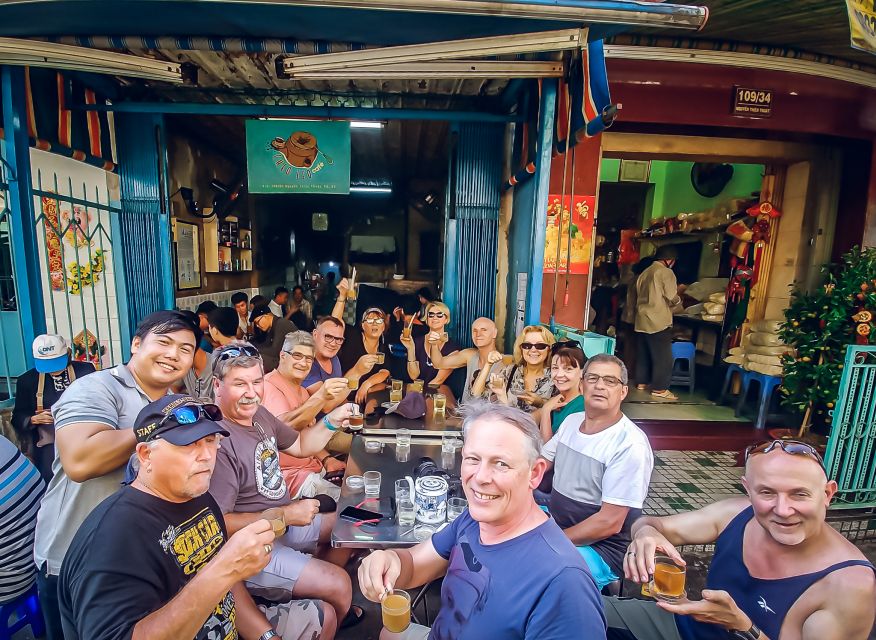
Most food tours start and end in busy tourist streets. This one gives you a different start: you head to District 3 to visit an old apartment in what’s described as the oldest neighborhood area of HCMC.
That visit changes how you read the rest of the day. You’ll see how locals live in older building spaces before you start eating your way through markets. It also helps explain why food culture here is so strong. When you understand the setting people live in, the street food stops feel less like entertainment and more like daily life.
What to expect in practice: you’ll move from there toward other city-center stops, keeping the momentum without turning it into a museum day. The only real drawback is that older apartments can be tight and practical, so comfortable clothes and shoes matter.
District 5 and the big flower market: sensory prep before you eat
After District 3, you’re guided toward a large flower market, where you can see the variety of blooms on sale. Even if you don’t buy anything, it’s a great warm-up. It wakes up your senses before the day turns into noodles, pancakes, and coffee.
Flower markets also show you what locals value beyond food. In a city where life moves quickly, flowers still signal events, visits, and daily rituals. And because you’re seeing it from street level while riding, you understand it as commerce, not scenery.
Then you continue into Chinatown-side areas in District 5, especially on morning and afternoon options. This is where the tour starts feeling like a guided map of everyday commerce.
Chinatown District 5 markets: motorbikes, lanterns, and Chinese medicine
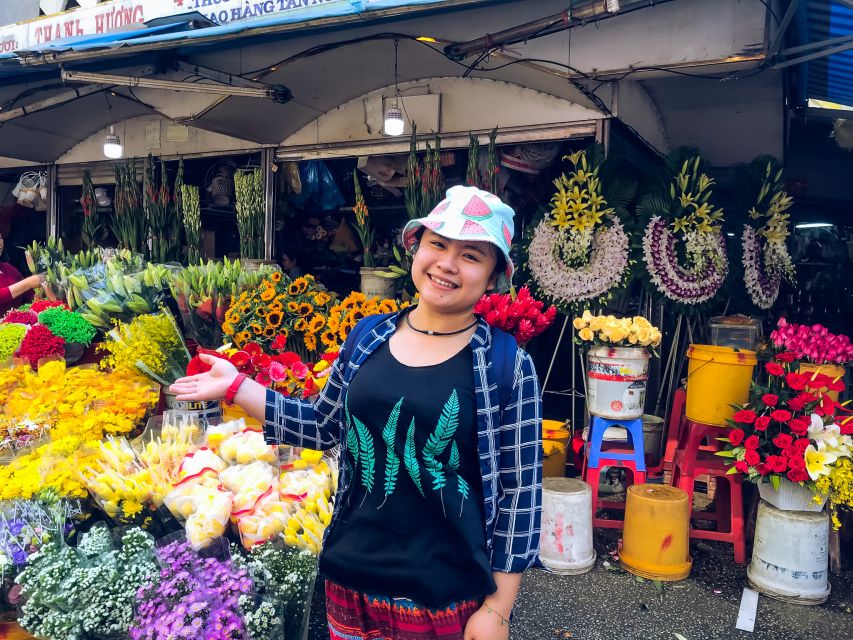
The District 5 part is one of the most interesting: you’ll explore China Town markets that aren’t designed for casual strolling. Expect small stalls, dense foot traffic, and specialty categories that make sense once you’re there.
Key stops you’ll make include:
- a motorbike market (yes, that’s a thing here)
- a Chinese lantern market
- a Chinese medicine market
Each one tells a slice of how the Chinese community’s presence shows up in the city. The lantern market speaks to festivals and decoration. The medicine market shows how traditional practice sits alongside modern urban life. And the motorbike market reminds you that this is a working city, not a theme park.
A consideration: markets can be crowded and full of strong smells. If you’re planning around allergies or scents, you may want to let your guide know ahead of time. Also, wear comfortable shoes because you’ll be walking in tighter lanes.
A temple stop that connects faith and food culture
Between markets, you’ll stop at a typical temple featuring religious cultures of the Chinese. This isn’t a “stand still and listen” detour. It’s positioned as context, so when you later see stalls selling specific items tied to community life, it connects to something deeper than decoration.
You’ll learn the basic differences in what’s practiced and why that matters here. In a city with many groups living close together, that understanding makes the rest of your sightseeing feel less like random stops.
Practical note: temples usually expect respectful behavior and basic dress sense. You’ll already be in casual clothes for street-food walking, so the main thing is keeping things neat and not overly revealing.
You can also read our reviews of more tours and experiences in Ho Chi Minh City
Floating market in old Saigon: a change of pace with a local rhythm
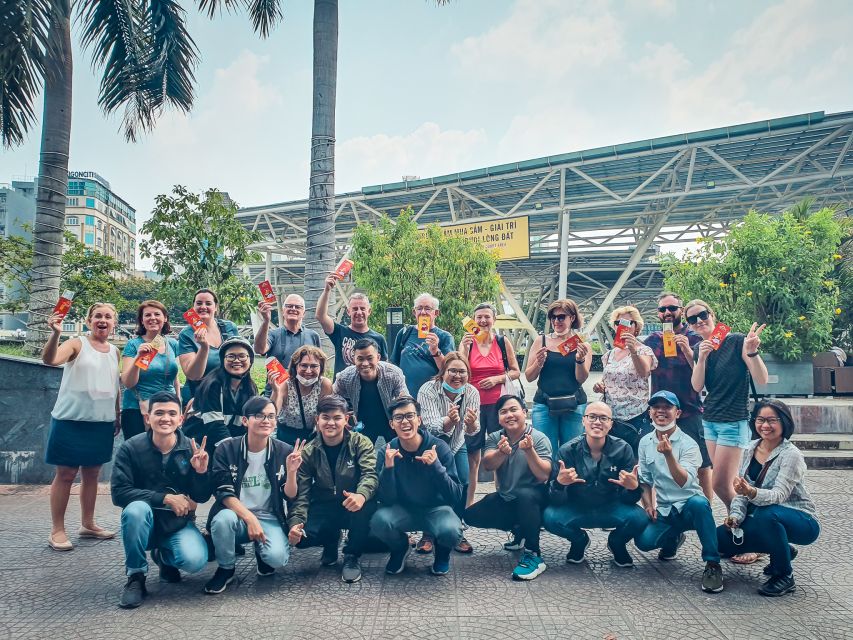
Next comes the floating market in the heart of old Saigon. Even if you’ve seen floating markets elsewhere, the point here is the pacing. After dense market browsing in District 5, the floating market gives you a different texture: slower visual scanning and a more “you’re here, this is happening” feel.
This stop also plays well with the food theme. Floating markets are built around eating, trading, and daily needs, so your eyes shift from “what’s cool” to “what people actually come for.”
A minor drawback is that it can feel like a lot of transition points in one afternoon, especially if you’re snack-happy already. Give yourself permission to eat lightly early and save appetite for what your guide thinks is next on the best list.
Night option and the Old Saigon Mafia Area: where the food gets louder
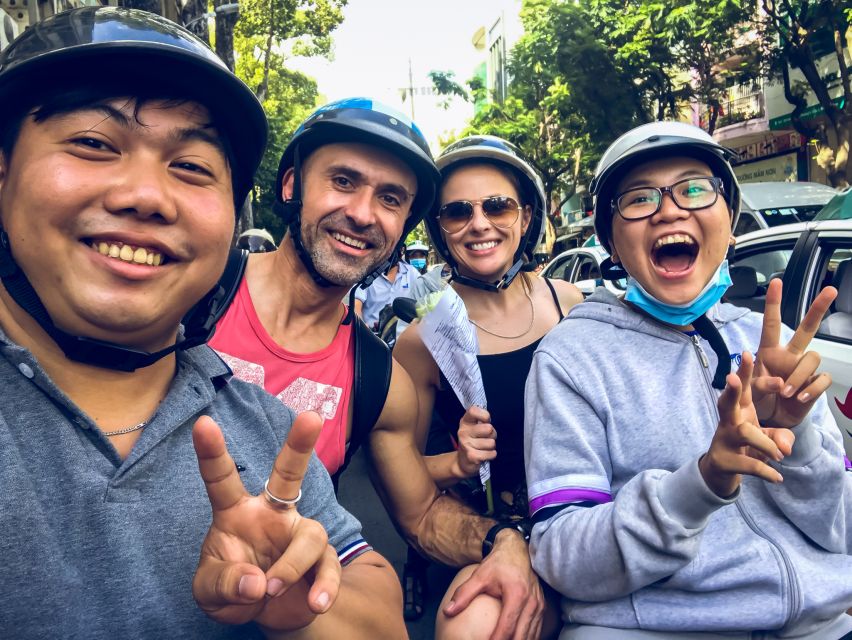
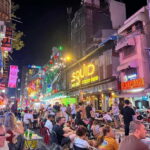
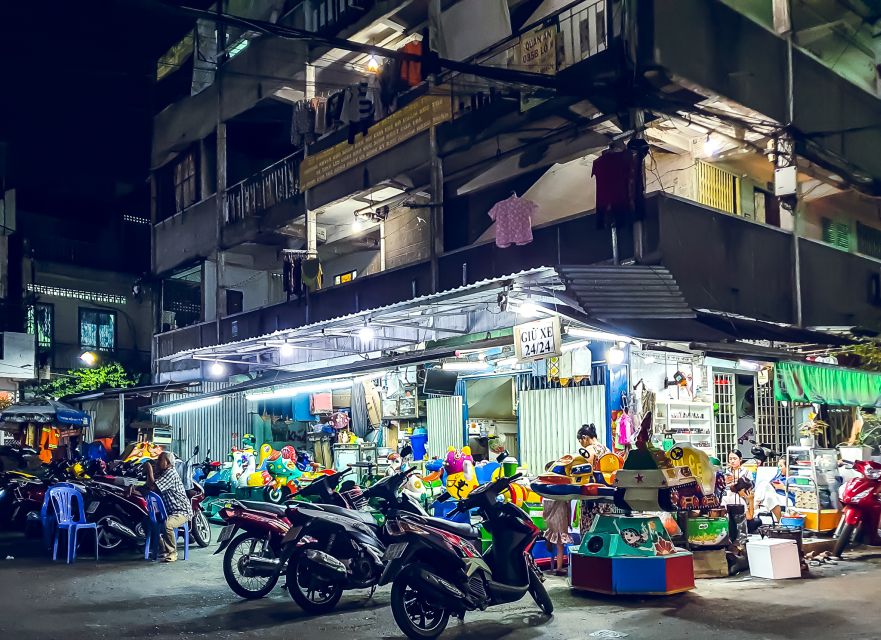
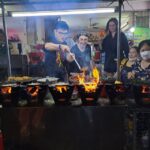
The tour has a smart design difference between day and night. On a night food tour, your guide doesn’t just hit the same targets at a different time. You’ll also go to busy local restaurants, rather than Chinatown areas where business may be winding down after a long day.
You’ll also drive through the Saigon Old Mafia Area, described as a big food paradise nowadays. The point isn’t the label. It’s that the route keeps you near food energy, so you’re not stuck with empty-looking storefronts.
From the reviews, this night approach feels like it delivers more momentum. People repeatedly mention how the guides kept things fun and how the ride still felt safe while cutting through active areas. If you like eating when the city is at full volume, this is the option to pick.
What you’ll actually eat: noodles, pancakes, and coffee fuel
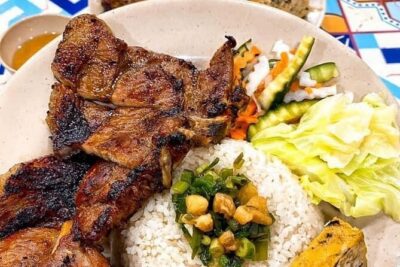
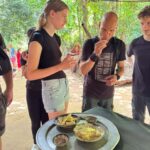
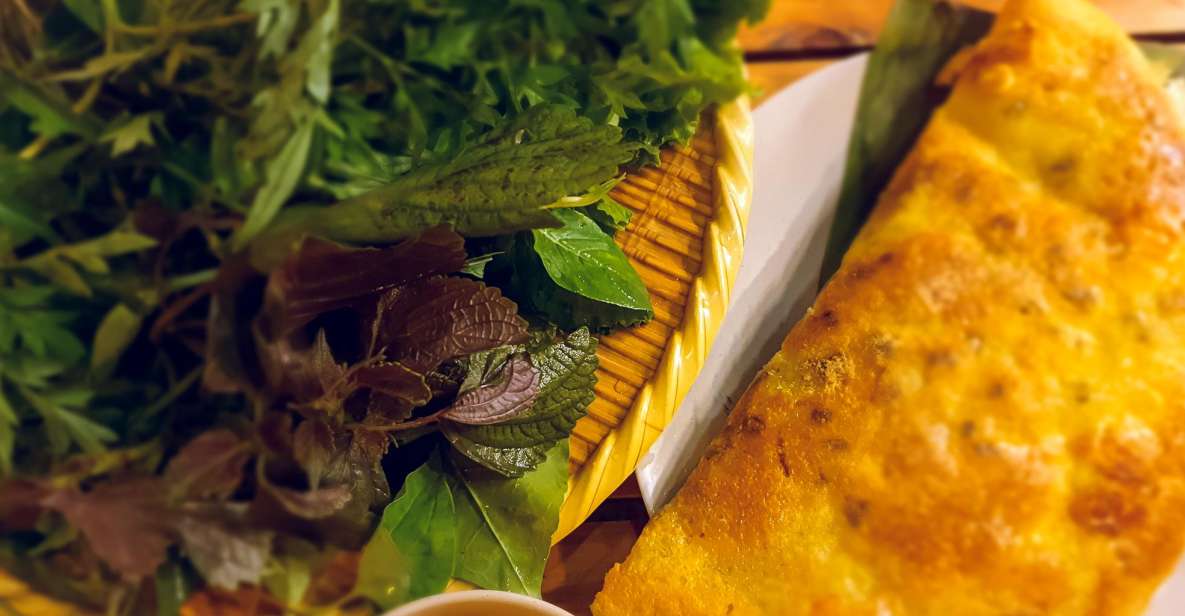
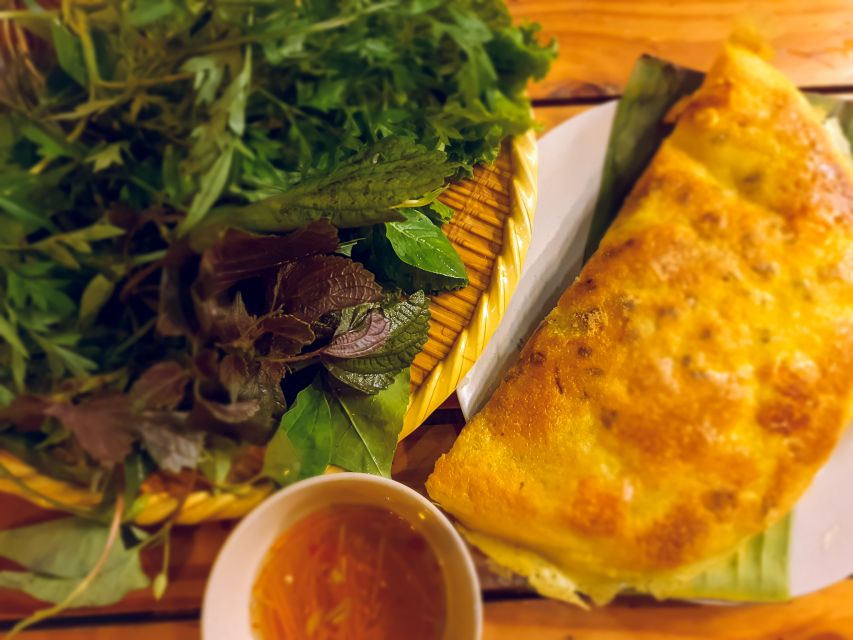
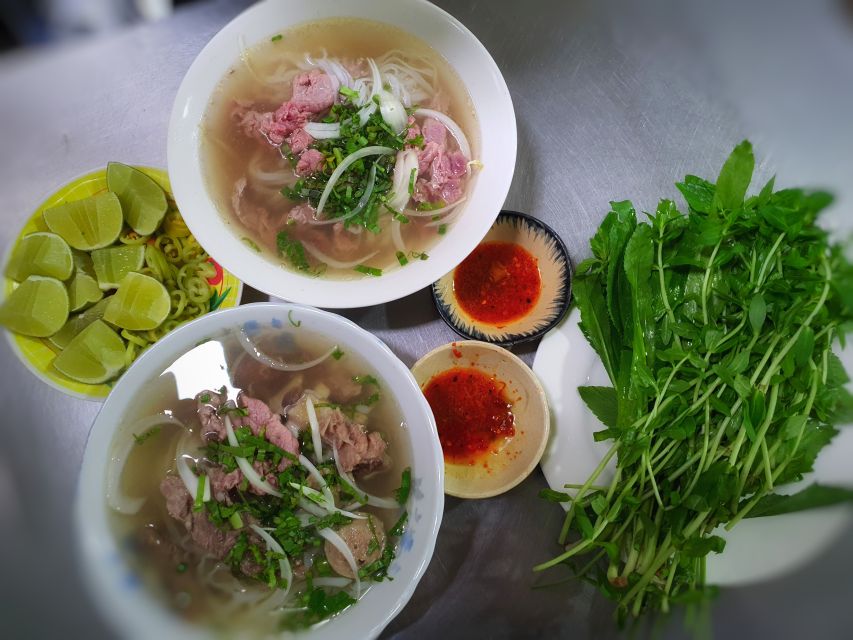
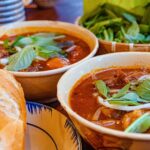
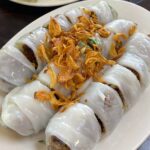
Food is the main event, and the lineup is varied enough that you don’t get bored after the first stop. Expect classic Vietnamese staples such as beef noodle soup and Vietnamese pancakes, plus drinks that can be a highlight.
From the information and past experiences with guides, you might also run into favorites like:
- egg coffee
- pork sausage
- clams
- Vietnamese coffee you can take home
One reason I think this tour is good value is that it treats drinks as part of the tasting, not a side note. Coffee stops can become stories: what makes it different, how people order it, and why it tastes the way it does here.
You can also feel that guides tailor the day to what you want. Several guides named in past experiences, including Vincent, Vi, Peace, and others, are described as responsive to food preferences and willing to work with the group. If you have strong dislikes, tell your guide early rather than hoping you’ll forget.
Guides, safety, and the art of riding well in traffic
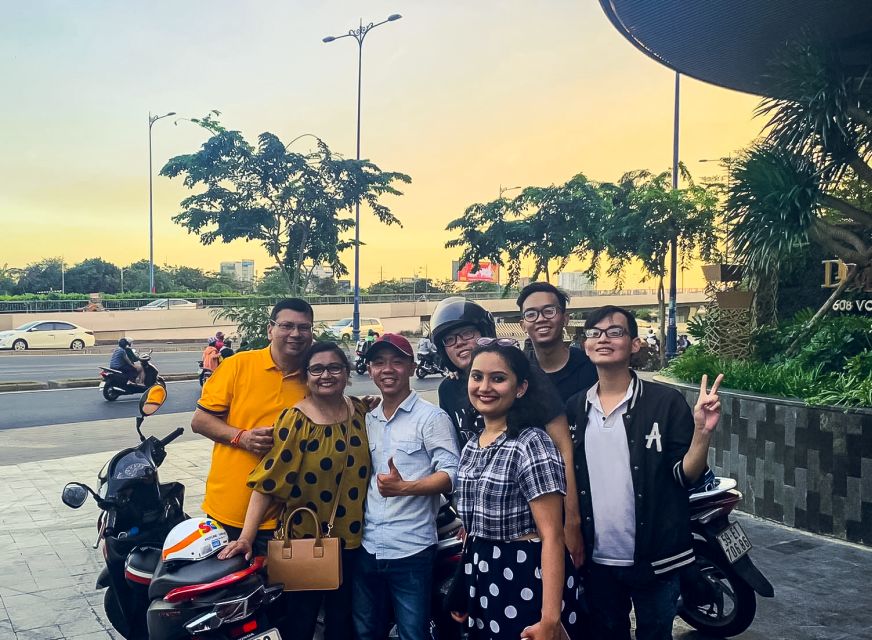
This tour runs on the quality of the guide and driver pairing. In the feedback, people consistently mention guides like Vincent and Seng, plus other leaders such as Vi, Peace, Danny, Storm, and Tom, as being both professional and fun company. That matters because motorbike touring is only enjoyable when you trust the route and the handling.
Safety details are practical. Helmets are provided, ponchos are included, and the drivers use a driving style that works for quick lane changes and side-street turns without making it feel chaotic. People also note how they felt safe even while weaving through traffic.
What you should do: wear the shoes you’re comfortable walking in, hold on the way your driver teaches you, and keep your camera accessible. If you’re prone to motion sickness, think about whether a motorbike ride in city traffic will work for you.
Price and value: why $16 can feel like a deal
The listed price is $16 per person, and the big value is what’s bundled in. You’re not just paying for food. You also get:
- pickup and drop-off at your hotel in Districts 1, 3, and 4
- English-speaking guides
- motorbikes, helmets, and ponchos
- all food and drinks
- photos
That’s a lot to pack into a short window. When you compare it to paying separately for transport, guide time, and multiple meals, this price starts to make sense.
A couple of extras you may want to know:
- If you choose a private tour option, there’s a $5 per person surcharge mentioned.
- There’s also an option to upgrade for a Female Ao Dai Rider for $10 per person extra.
- You can request a car instead of motorbikes, with surcharges listed for a 7-seat car or a 16-seat van, and it needs to be booked at least 24 hours in advance.
If you’re torn between comfort and authenticity, the motorbike route is the point. But if you want the same stops with less motion, the car option can be a practical compromise.
Who this motorbike street-food tour suits best
This is ideal if you want an efficient introduction to Ho Chi Minh City and you enjoy eating your way through neighborhoods. It’s also a good fit for first-timers because you cover multiple districts and textures, from District 3 apartments to District 5 markets and old Saigon zones.
It’s also a strong choice if you like guides who explain what you’re seeing. Many past experiences highlight guides as not only friendly but also able to connect the dots between sights, markets, and what you’re about to eat.
It’s not for everyone. The tour is listed as not suitable for pregnant women, wheelchair users, and people over 70. Also, alcohol and drugs aren’t allowed. If you prefer a calm pace with fewer rides, you might find the motorbike time intense.
Should you book it? My honest decision guide
Book this tour if you want a fast, flavorful way to understand HCMC beyond the usual tourist lanes. You’re getting street food plus real neighborhood context, and you’re riding with equipment provided, plus guides who have repeated praise for fun personalities and safe driving.
I would not book it if your top priority is a low-movement sightseeing day or if you’re uncomfortable with motorbike traffic. The route is part of the experience here, not a small add-on.
If you’re aiming for value, this one is hard to beat. You get pickup in key districts, all food and drinks, and a guide who can steer you through tight markets like you belong there.
FAQ
How long is the motorbike street-food and sightseeing tour?
The duration is listed as 2 hours up to 210 minutes. Starting times vary based on availability.
Is hotel pickup included?
Pickup and drop-off are included for hotels in Districts 1, 3, and 4. If you stay outside those areas, a surcharge of $5 USD per person may apply on the day.
What’s included in the $16 per person price?
Included items are English-speaking guides, motorbikes, helmets, and ponchos, all food and drinks during the tour, and photos, plus pickup and drop-off in the covered districts.
What should I bring for the tour?
Bring comfortable shoes, a camera, comfortable clothes, and cash.
Is alcohol allowed during the tour?
No. Alcohol and drugs are listed as not allowed.
Is this experience suitable for everyone?
No. It’s not suitable for pregnant women, wheelchair users, or people over 70 years old.
Can I cancel for a full refund?
Yes. Free cancellation is offered up to 24 hours in advance for a full refund.