REVIEW · HO CHI MINH CITY
Ho Chi Minh City – Meditation retreat – 2 days 1 night
Book on GetYourGuide →Operated by JANGTOURS · Bookable on GetYourGuide
Quiet mornings, shared mats, and real monastery rhythm. This two-day, one-night retreat runs from Ho Chi Minh City to Thien Ton Phat Quang Pagoda, where meditation, chanting, and daily monastic routines share the same clock. I especially like how the program mixes sit-down practice with hands-on temple work, so it feels less like a lecture and more like joining the day.
You’ll also get volunteer time—think making vegetarian cakes/tea/tofu or painting fabric—plus early-morning Great Bell meditation and qigong/martial practice. The main drawback to consider is that the retreat can feel light on step-by-step meditation guidance, especially if staff onboarding is uneven for your group.
In This Review
- Key Things I’d Pay Attention To
- A Two-Day Pagoda Reset Near Ho Chi Minh City
- Getting There: Around 100 Km and a Vung Tau Route
- Day 1: Transfer Out, Meditation Time, and Volunteer Work That Feels Real
- Day 1 Night: Chanting, Books, Prostration, and Then Sleep
- Day 2: Great Bell Meditation, Qigong, and Morning Chores
- What “Meditation Instruction” Means Here (and Where It Can Fall Short)
- Ritual Life: Chanting, Prostration, and Why You Should Try Them
- Food, Rules, and Daily Temple Etiquette
- Price and Value: Is $80 Fair for 2 Days and 1 Night?
- Who Should Book This Retreat (and Who Should Skip It)
- Should You Book This Retreat?
- FAQ
- How long is the meditation retreat?
- Where does the retreat take place?
- What is included in the retreat price?
- What is not included?
- What should I bring for the retreat?
- Is it suitable for wheelchair users?
Key Things I’d Pay Attention To
- A pagoda rhythm, not a hotel-spa retreat: chanting, washing dishes, and morning bells are part of the “schedule,” not add-ons.
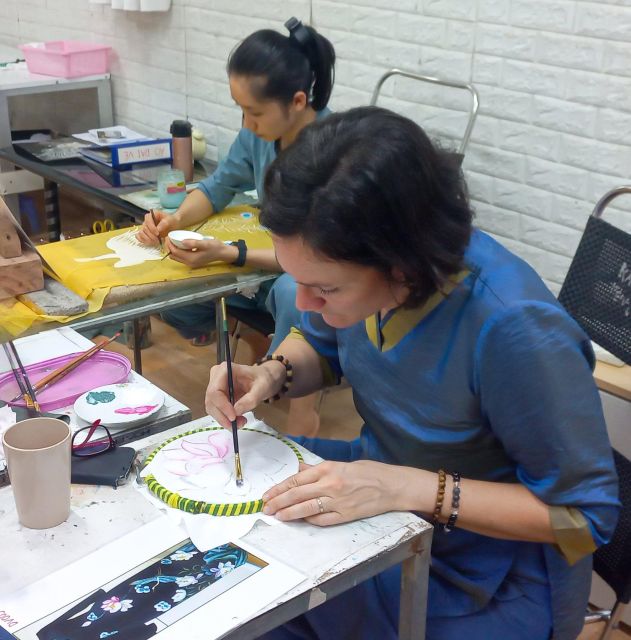
- Volunteer work is the spiritual engine: cake/tea/tofu prep, fabric painting, and vegetable picking tie effort to blessing.
- Very early starts: Great Bell meditation (around 4:00–6:00) sets the tone.
- Meditation space may be simple: some people expect more coaching and a brighter, quieter room.
- Small group format with English instruction: limited group size can feel personal, but the structure still depends on on-site flow.
- Dress and rules matter: long sleeves and long pants, and no alcohol or drugs.
A Two-Day Pagoda Reset Near Ho Chi Minh City
If you want a short pause from city noise, this retreat aims to do it the old-school way: repeat daily routines until your mind slows down. You’re not just learning meditation theory. You’re living the monastery’s time line—vegetarian meals, chanting, study, and volunteer chores—so your practice has context.
I like that the focus is on technique and Buddhist doctrine, not just “sit quietly and hope for the best.” You’ll also spend time with monks and nuns as part of monastic life, which is the kind of detail that changes how meditation feels. It’s not abstract.
You can also read our reviews of more city tours in Ho Chi Minh City
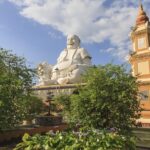

Getting There: Around 100 Km and a Vung Tau Route
The pagoda is about 100 km from the center of Ho Chi Minh City, and the day one flow includes travel toward the pagoda area via Vung Tau. One important practical point: the retreat does not include transportation from/to the pagoda in the way people often expect with full hotel pickup.
So plan on handling your own ride to the meeting point area, then you’ll join the guided transfer included in the on-the-day schedule. This matters because a 100 km trip can eat up your morning energy if you’re relying on last-minute rides.
Day 1: Transfer Out, Meditation Time, and Volunteer Work That Feels Real
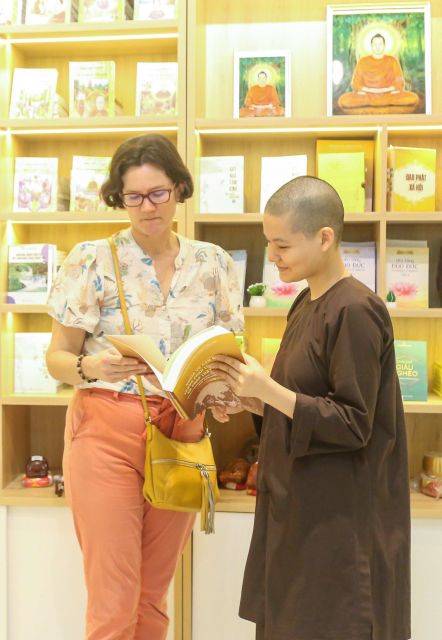
Day 1 starts with a morning transfer that runs roughly 7:30–10:30, getting you to Thien Ton Phat Quang Pagoda. After that, you have a vegetarian lunch window around 11:00–11:30, then time later in the afternoon for meditation and temple tasks.
The afternoon meditation slot is 14:00–15:00. This is the moment many people hope will feel structured and deeply guided. The program is described as teaching the correct method of meditation, but the quality of coaching can vary depending on staffing and group flow.
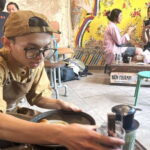
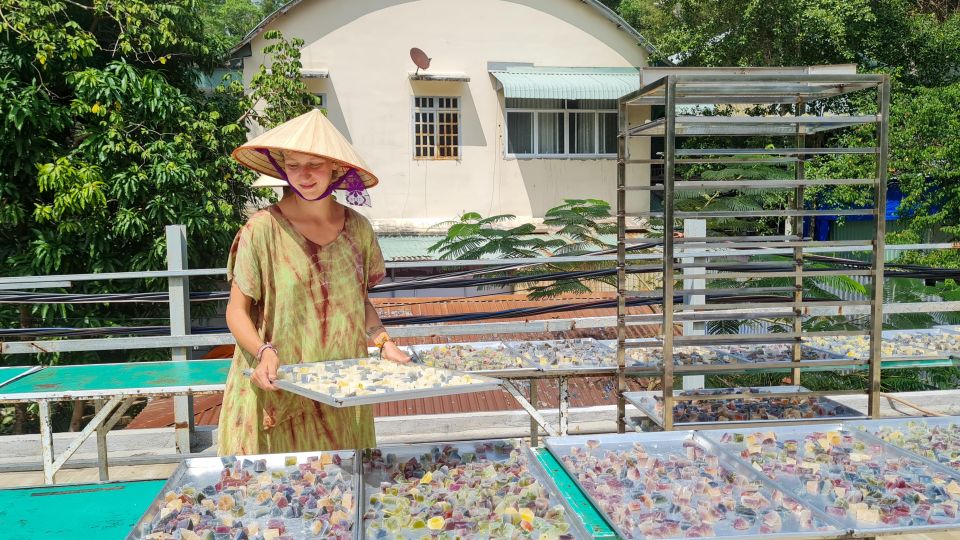
Then comes the work that makes the retreat more than just sitting: volunteer work 15:00–16:50. You might make vegetarian cakes/tea/tofu, paint on fabric, or do similar practical chores. I like this part because it gives your mind something steady to do with your hands—while still feeling connected to the spiritual purpose of the day.
At 17:00–18:15, you’ll have vegetarian dinner and help with dishwashing. This isn’t glamorous, but it’s a good reality check. It forces participation, not passive observation.
Day 1 Night: Chanting, Books, Prostration, and Then Sleep
After dinner, you shift into the evening ritual rhythm. 18:30–19:00 is chanting. Then 19:00–19:50 includes reading books, which is a quiet way to connect doctrine to practice without turning everything into a classroom.
Later, the program lists 20:00–21:30 for wholesome seed and prostration to Buddha, followed by meditation and then sleep. That sequence matters. Chanting and prostration aren’t just cultural extras; they’re meant to set your emotional tone for the next day’s practice.
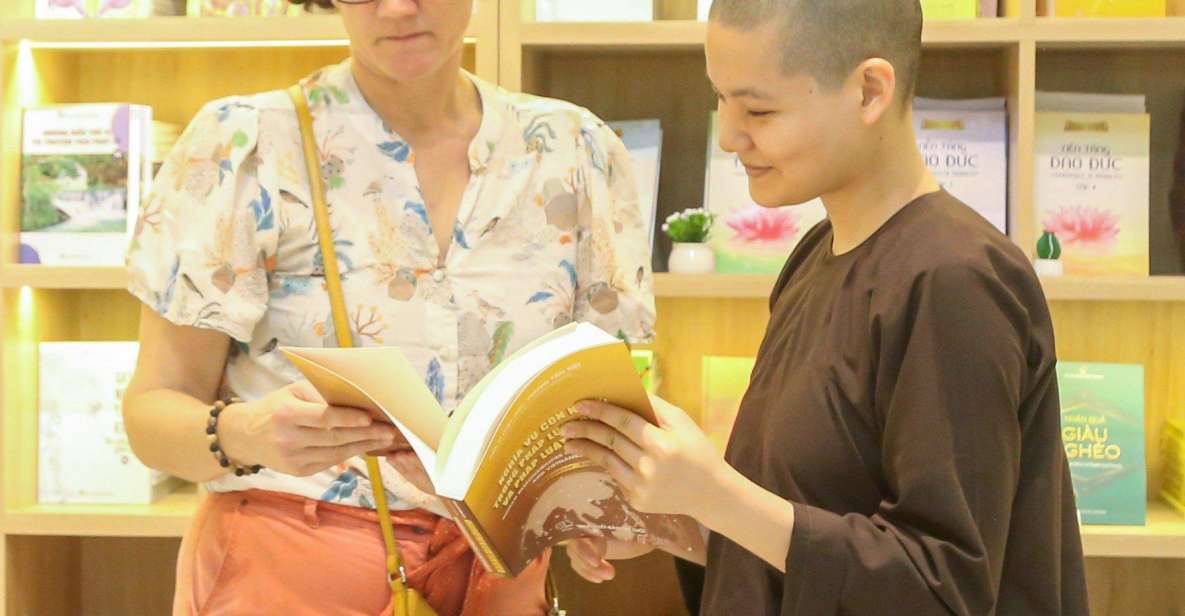
Sleeping is simple. One traveler described sleeping on communal mats in a shared room, and meditation taking place in a half-dark metal basement. That doesn’t mean it’s bad. It means your expectations should match the environment. If you’re picturing a silent, bright mindfulness studio, adjust now.
Day 2: Great Bell Meditation, Qigong, and Morning Chores
Day 2 is where the retreat really earns its name: you’re up early. The schedule begins with 4:00–6:00 for Great Bell meditation and chanting. This early start can be intense if you’re not used to morning practice, but it also tends to cut through mental clutter fast.
From 6:10–6:50, you’ll do qigong or martial art practice. This is a smart addition because it balances the stillness of sitting with movement-based awareness. Even if you don’t consider yourself “athletic,” these short sessions can help loosen the body so meditation is easier later.
Breakfast is 7:00–7:20, then volunteer work continues from 7:30–10:30. You might repeat similar tasks (cakes/tea/tofu or fabric painting) and also pick vegetables. You’ll feel the work become less “task list” and more routine by the second morning—which is often what a real retreat tries to create.
Lunch lands around 11:00–11:30, and you head back to Ho Chi Minh City by about 12:00.
You can also read our reviews of more evening experiences in Ho Chi Minh City



What “Meditation Instruction” Means Here (and Where It Can Fall Short)
This retreat is positioned as a mindfulness meditation retreat with teachings of Buddhist doctrine. In theory, you should leave with a clearer sense of the correct method of meditation and how Buddhist principles connect to practice.
But here’s the honest consideration: some people expect a lot of personal coaching—someone correcting posture, adjusting breath focus, and guiding you step-by-step in real time. At least from some reported experiences, the meditation may be done in near-silence with limited guidance. If you’re new to meditation, you may feel like you’re thrown into the deep end.
Also, the meditation setting may be more Spartan than you’d guess. One person specifically described a half-dark basement room for meditation. That kind of environment can work for deep focus for some people. For others, it makes it harder to feel calm and confident.
If you’re the type who wants structure, go in with a mindset of patience. Ask questions if you can, and treat the retreat as learning-by-participation, not a private therapy session.
Ritual Life: Chanting, Prostration, and Why You Should Try Them
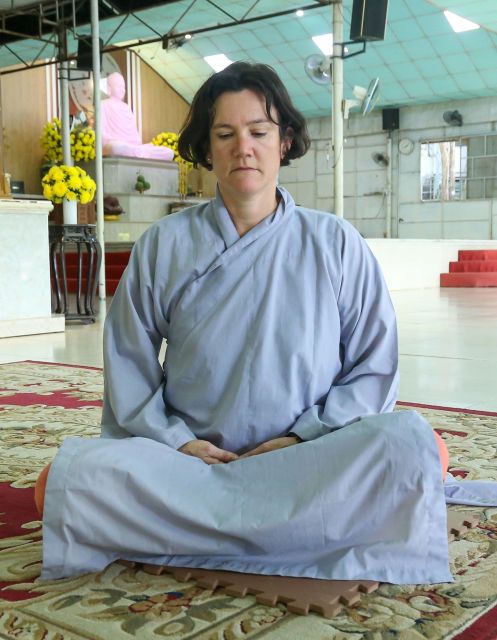
The program includes chanting, reading, and prostration to Buddha. In a mainstream “wellness retreat,” you might see these as optional cultural performances. Here, they’re part of the flow.
Chanting (18:30–19:00 on day one, plus Great Bell time early day two) gives you a rhythm that can quiet thought. Prostration (listed for 20:00–21:30 day one) is physical effort tied to intention. Even if you don’t fully understand the theology on day one, your body learns the repeated movement and your mind follows.
This is one of the reasons the retreat can feel meaningful: you’re not only thinking about peace. You’re practicing it with actions that have spiritual weight in Buddhist settings.
Food, Rules, and Daily Temple Etiquette
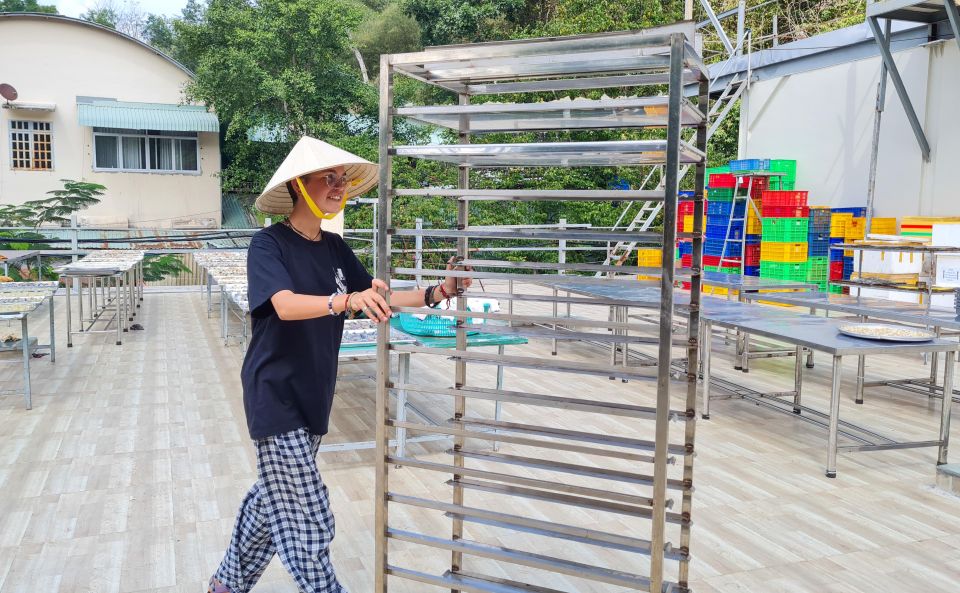
You’ll get full board vegetarian meals, and the schedule includes both lunch and dinner on day one, plus breakfast and lunch on day two. You’ll also help with washing the dishes, which is a classic way retreats create shared responsibility.
Dress is practical and strict: bring a long-sleeved shirt and long pants. That’s not a suggestion—it’s part of respecting the temple setting and keeping everyone comfortable in a sacred space.
Rules are also firm: no alcohol and no drugs, and no fireworks. If you’re used to traveling with flexible “rules,” this retreat will feel more grounded and more serious.
One small caution from a reported experience: food can be offered repeatedly. A traveler mentioned being told off for not finishing food after declining. That doesn’t mean it will happen to you, but it’s a good reason to plan how you’ll handle fullness. If you can eat what’s offered, do it. If you can’t, be prepared for it to be awkward.
Also, the retreat grounds can involve mixed crowds nearby. One person noted visible signs related to pickpocket awareness and certain unwanted behavior. That’s a reminder to keep your basics tight: phone secure, wallet secure, and don’t leave valuables lying around during volunteer tasks.
Price and Value: Is $80 Fair for 2 Days and 1 Night?
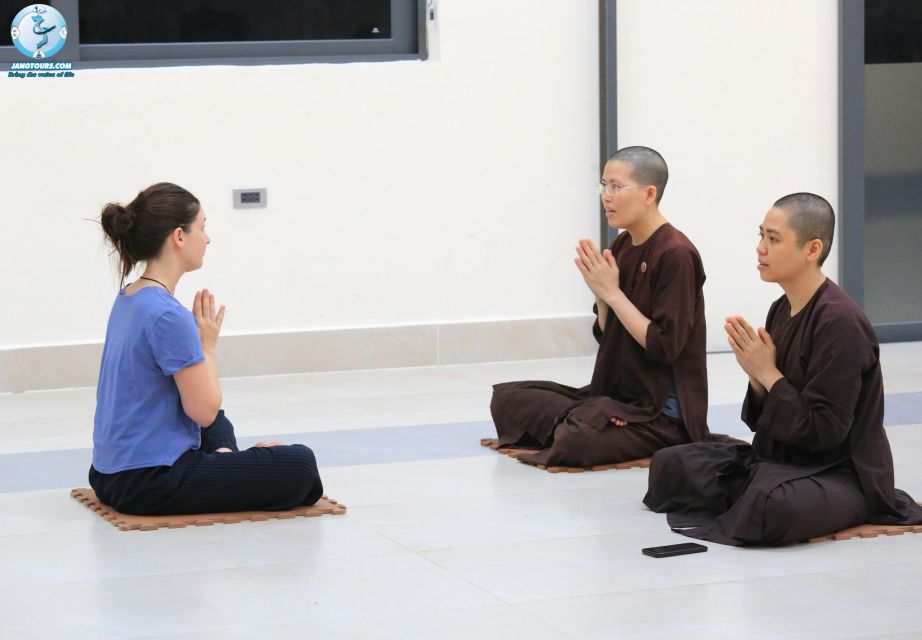
$80 for a two-day, one-night pagoda retreat can be a good value—if your expectations match what’s actually included. The price covers local guide on the spot, full vegetarian meals, accommodation in the pagoda, and entrance fees.
What’s not included is the transportation from/to the pagoda and any pickup/drop-off guide. That means your true cost can rise if you need taxis or an arranged transfer just to reach the meeting point area.
So the value comes from what you get besides lodging. You’re paying for the organized schedule—meditation time, chanting, readings, prostration, volunteer work, and the presence of a guide/instructor in an English-speaking context.
One thing to keep in mind: some people feel that if lodging is simple or “free on-site,” then the retreat price should reflect only the program portion. In real life, that’s a normal pricing debate. The practical answer is this: decide what you’re buying—structure, teaching, and the daily ritual setup—not just a bed.
Who Should Book This Retreat (and Who Should Skip It)
This retreat is a strong match if you want:
- A short, structured experience that includes meditation, chanting, and doctrine.
- A chance to learn by doing, through volunteer work like tofu/tea/cake preparation or fabric painting.
- Early-morning practice and body-based calm like qigong/martial practice.
It may be a weaker match if you:
- Need heavy, one-on-one meditation coaching.
- Are sensitive to dim, basic, or shared sleeping arrangements.
- Want a spa-like retreat vibe with lots of comfort and quiet amenities.
There are also clear suitability limits: it’s not suitable for wheelchair users, and it’s not suitable for people with altitude sickness. If either applies, you’ll want to look for a different retreat option.
Should You Book This Retreat?
If your goal is a real pagoda day—meditation plus chanting plus volunteer work—this is worth considering, especially for the price and the full-board setup. The early Great Bell session and the mix of sitting, study, and ritual can be a powerful reset if you go with the right expectations.
If you’re hoping for lots of step-by-step meditation instruction in a bright, comfortable setting, you might feel frustrated. In that case, you may want a more explicitly guided, classroom-style retreat where coaching is guaranteed.
My practical take: book it if you want participation and a monastery rhythm. Pass if your definition of a meditation retreat is mostly silent instruction in a comfortable environment.
FAQ
How long is the meditation retreat?
It runs for 2 days and 1 night.
Where does the retreat take place?
It takes place at Thien Ton Phat Quang Pagoda, about 100 km from Ho Chi Minh City center.
What is included in the retreat price?
You get a local guide on the spot, full board vegetarian food, accommodation in the pagoda, and entrance fees.
What is not included?
Transportation from/to the pagoda and pickup/drop-off of the guide are not included.
What should I bring for the retreat?
Bring a long-sleeved shirt and long pants.
Is it suitable for wheelchair users?
No, it’s not suitable for wheelchair users.