REVIEW · HO CHI MINH CITY
Ho Chi Minh City: Ghost, Belief & Culture Tour on Motorbike
Book on GetYourGuide →Operated by CONNECT CULTURE CO.,LTD · Bookable on GetYourGuide
The city’s ghosts ride shotgun with you. This Ho Chi Minh City motorbike tour blends local belief with spooky stories, all while you see parts of town most people skip. I love the ride on the back of a motorbike through real streets, and I like how the guide ties ghost talk to everyday religion and customs, not just cheap scares. One drawback to consider: the funeral stop can feel heavy if you’re sensitive to death rituals.
You start at a pagoda to understand how locals think about gods, worship, and the circle of life. Then you move through Chinatown for the famous Ghost Building stop, tied to feng shui rumors, before a food break for banh mì and a drink. The pacing is built for people who want something different in a short 2–4 hours, not a slow museum day.
If you’re game for story-driven stops and short walks (including inside the funeral house), this tour is a memorable way to understand belief in Vietnam from street level. It may not be a fit if you have back problems or you’re over 70, since the ride and walking involved can be demanding.
In This Review
- Key moments that make this tour worth your time
- Why a motorbike ghost-and-belief format works here
- Starting at a pagoda: gods, worship, and the circle of life
- Funeral house walk-through: what you’ll see and how to prepare
- Chinatown’s Ghost Building: feng shui and the story behind the abandonment
- The snack stop that keeps the tour human: bánh mì and a local drink
- Thích Quang Đức monument: the real 1963 protest behind the solemn mood
- Motorbike ride, gear, and what to do with your phone
- Pricing and what you actually get for about $16
- Guide energy: why the stories stick
- Practical tips for your 2–4 hour ride
- Who should book this tour (and who might skip it)
- Should you book the Ho Chi Minh City Ghost, Belief & Culture Tour on Motorbike?
- FAQ
- How long is the Ho Chi Minh City Ghost, Belief & Culture Tour on Motorbike?
- Where is pickup, and is it free?
- What’s included in the tour price?
- Is food and drink included?
- Can I do a private tour or ride in a car/van instead?
- Is the tour suitable for seniors or people with back problems?
Key moments that make this tour worth your time
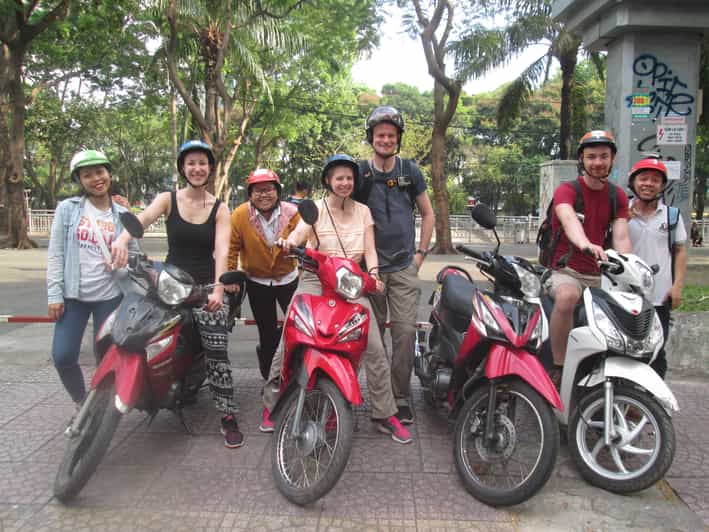
- Motorbike street time: You get moving fast, so the city feels immediate instead of distant.
- Belief first, ghosts second: A pagoda start frames the stories so they make cultural sense.
- Funeral house walk-through: You get to see a funeral ceremony setting while the guide explains customs.
- Chinatown’s Ghost Building: The abandoned site is discussed through feng shui beliefs.
- Bánh mì plus a drink stop: A proper local break helps you keep energy up for the ride.
- Thích Quang Đức monument: The day’s darker theme connects to a real Buddhist protest in 1963.
Why a motorbike ghost-and-belief format works here
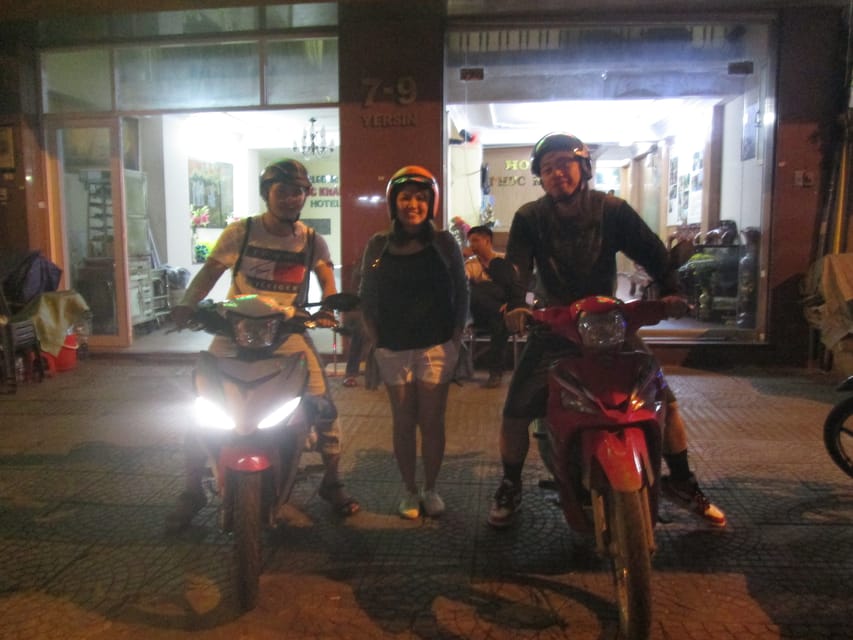
Ho Chi Minh City can be loud, fast, and a little overwhelming for first-timers. This tour solves that with two things: a local driver who knows the route, and a guide who gives you a story thread from stop to stop.
The big idea is that you’re not just chasing spooky buildings. You’re also learning how people handle death, spirits, and religious worship in everyday life. That’s why the tour mixes a pagoda, a funeral house, Chinatown, and a monument about a Buddhist protester. The result feels like a guided “how locals think” tour, with ghost stories as part of that belief system.
The motorbike element matters. You’re traveling the way locals often do, so you notice details you’d miss from a bus window—shop fronts, temple gates, alleys, and the rhythm of neighborhoods. It also makes the whole experience shorter and more efficient. For a theme this unusual, 2–4 hours is a smart time window.
You can also read our reviews of more city tours in Ho Chi Minh City

Starting at a pagoda: gods, worship, and the circle of life
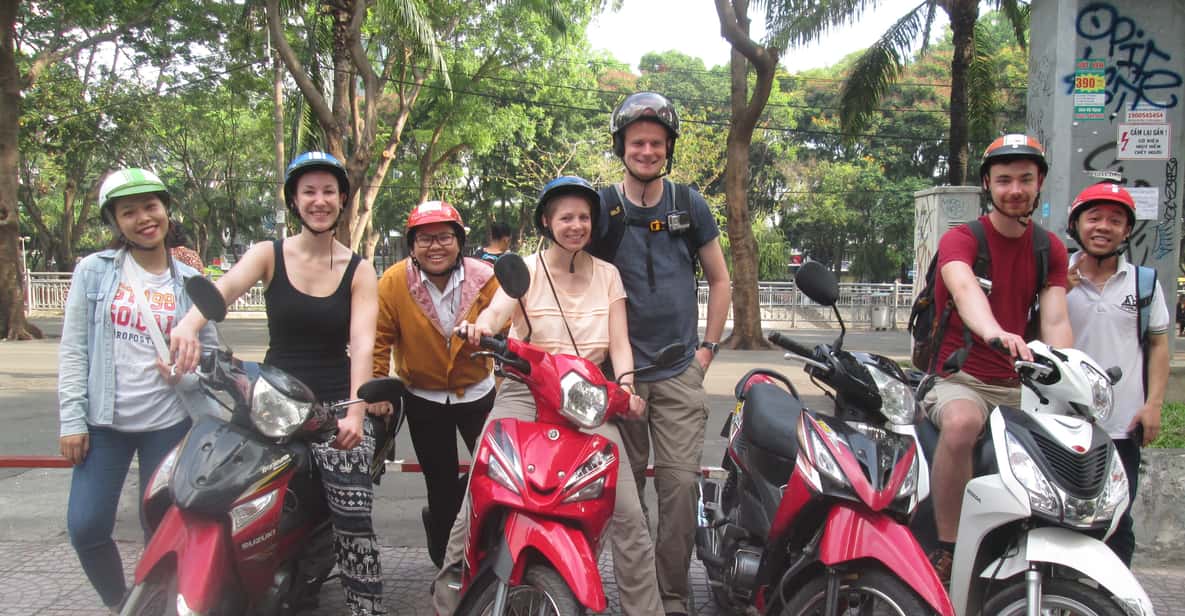
The tour begins at a pagoda, which is a great choice if you want the ghost stories to land better. Instead of jumping straight to haunted talk, the guide sets a baseline: Buddhism here isn’t just a historical fact—it’s a daily framework people use to understand life and what comes after.
You’ll hear about the local habit of worshiping different kinds of gods and how belief connects to the circle of life. That circle-of-life idea is what helps you interpret later stops. When the guide talks about spirits or ghosts, it doesn’t sound random. It sounds like a local attempt to explain invisible forces, timing, and respect.
Practical note: this is still a place of worship, so dress and behavior matter. You’ll want to be mindful and keep things respectful while you listen and look.
Funeral house walk-through: what you’ll see and how to prepare
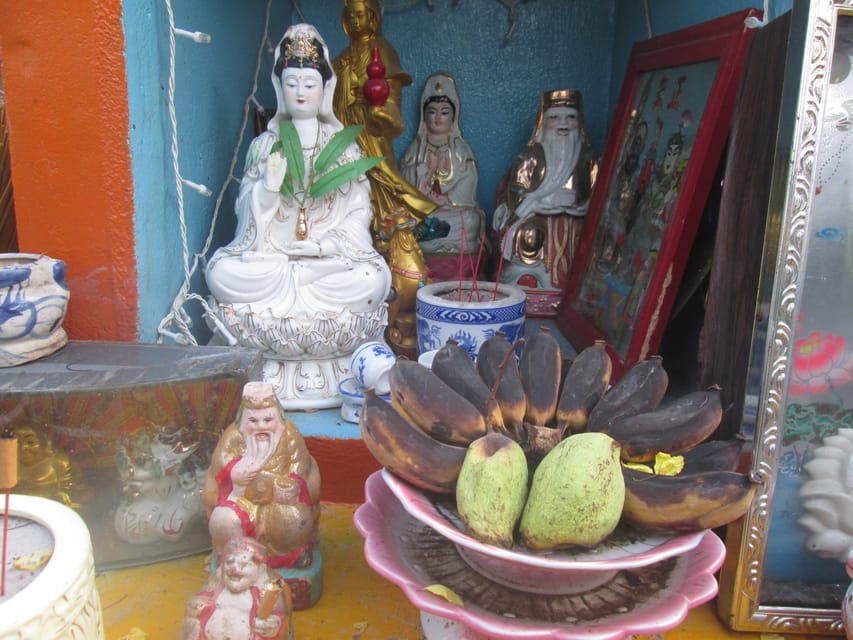
Next comes the funeral house. This is one of the most intense stops on the tour, and it’s also one of the most important for understanding the culture behind the “ghost” theme.
You’ll do a walk inside to witness funeral ceremonies. The guide shares customs of a funeral and pairs that with ghost stories or personal experiences tied to the setting. The point isn’t to sensationalize. It’s to show you how ritual and belief live side by side, even in moments most tourists try to avoid.
What to consider before you go: if you’re expecting pure horror-movie energy, you might be surprised. It’s more like a cultural explanation in the middle of a real ritual space. That can be powerful, but it can also feel confronting.
If you’re sensitive to death-related topics, think carefully. This is also not suitable for people with back problems and it may be tough for anyone who doesn’t handle walking or getting on and off transportation easily.
Chinatown’s Ghost Building: feng shui and the story behind the abandonment
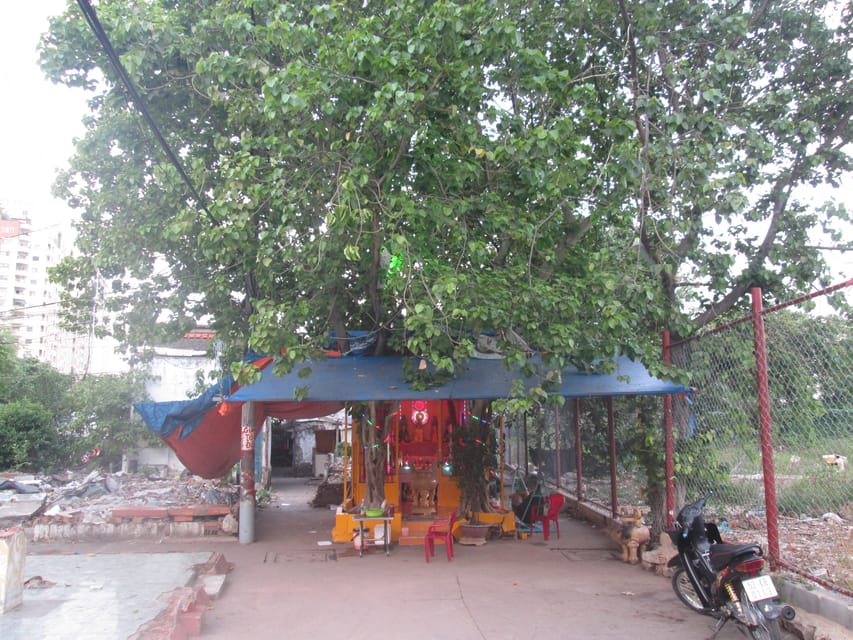
After the funeral stop, the tour shifts tone toward Chinatown. You’ll visit the biggest Chinatown area and then stop at the Ghost Building—an abandoned structure that’s tied to feng shui beliefs.
This is where the tour’s “belief” angle really shows. The building isn’t just treated as spooky for entertainment. The explanation points to feng shui logic—how place, energy, and fate are believed to interact. Even if you’re skeptical, the way the guide frames it teaches you how locals interpret misfortune and why an abandoned building can become a legend.
What you’ll likely enjoy here is the contrast. Earlier, the focus was ritual and customs around death. Here, it’s about how people read the meaning of a site through feng shui. Together, they give you two sides of belief: one immediate and ceremonial, the other symbolic and spatial.
The snack stop that keeps the tour human: bánh mì and a local drink
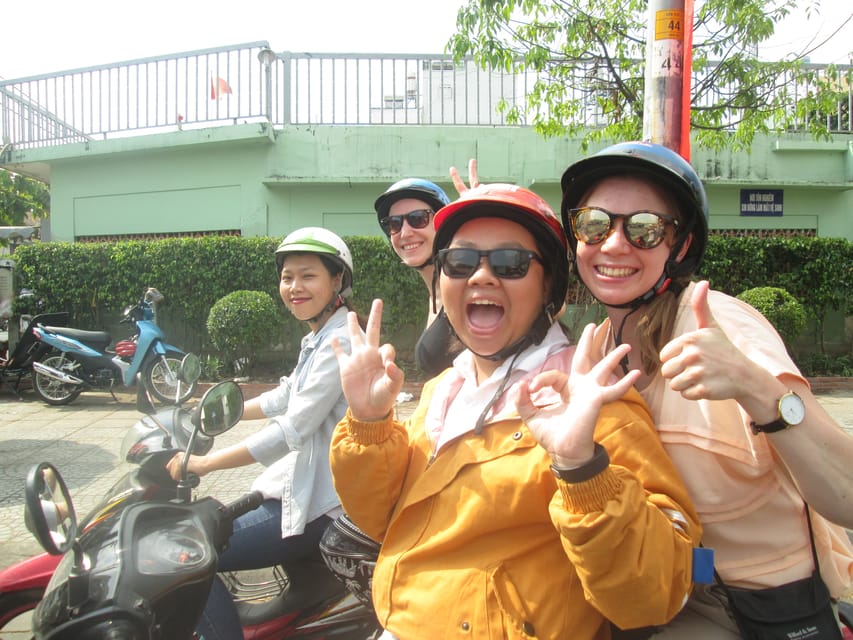
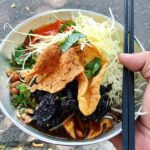
Right around the middle, you get a break to eat. You’ll enjoy Vietnamese baguette, commonly known as banh mì, and you’ll also have a choice of Vietnamese coffee, fruit juice, or smoothie at a local coffee shop.
This matters more than it sounds. Motorbike tours can make time feel fast, and theme tours can push emotions up. Food and drink keep you steady so you can take in what you’re hearing without getting cranky or foggy.
Also, banh mì is the kind of “easy win” food that still feels local. It’s not a tourist-only meal with a distant flavor. It’s the real street-food style most people come to Vietnam for.


Thích Quang Đức monument: the real 1963 protest behind the solemn mood
Last stop: the Thích Quang Đức monument. This isn’t a spooky rumor site. It’s a memorial connected to a historic act in 1963, when Thích Quảng Đức burned himself to protest the persecution of Buddhists.
That’s a heavy moment, and the tour handles it by connecting the “ghost and belief” theme to real life. When you finish here, the day can feel less like entertainment and more like understanding. Even if you don’t agree with how any protest was carried out, you’ll come away with context for why Buddhism and political tension are not separate topics in Vietnam’s modern history.
Expect the tone to shift here toward reflection. This is one of the best places to slow your pace and listen, even if you’re already tired from riding.
Motorbike ride, gear, and what to do with your phone
Let’s talk logistics the way you actually feel them in your body during the trip.
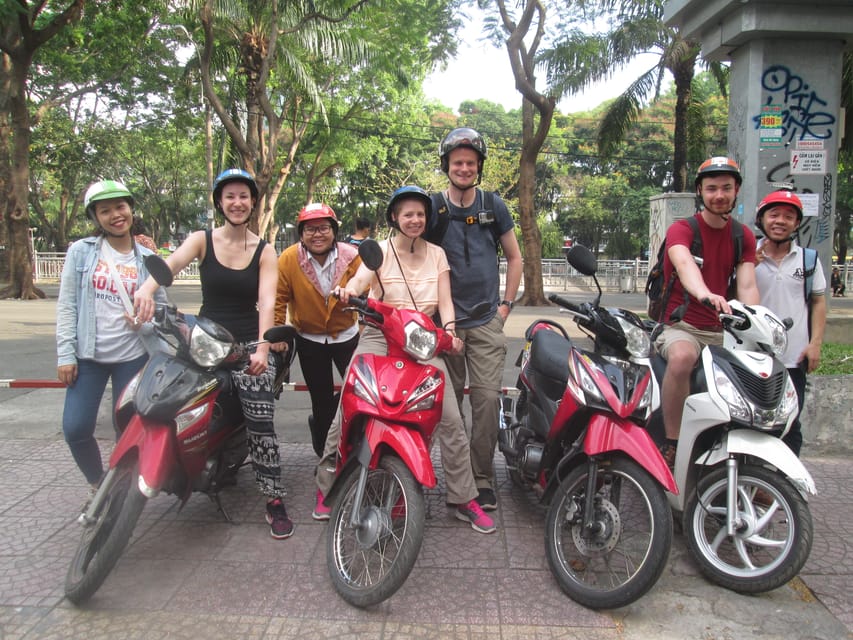
You ride as part of a join-in motorbike tour with an English-speaking professional driver/guide. You’ll be given a helmet, and a poncho if required. Those are the basics, but they’re also the difference between a smooth ride and a miserable one—especially in Vietnam weather where conditions can change quickly.
For gear, keep your essentials secure. You’ll want your phone accessible enough to enjoy views, but not so loose you’re juggling it the whole time. Bring a small bag you can close. If you have a rain layer or a light windbreaker, that helps too, since ponchos are provided only if required.
And because the itinerary includes stops where you walk inside buildings, comfortable shoes matter. You don’t need hiking boots, but you do want something you can step in and out of easily.
Pricing and what you actually get for about $16
At $16 per person, this tour is priced like a bargain—mainly because so much is folded into the cost.
What’s included:
- Round-trip transfers to and from your hotel, free pickup/drop-off in District 1, 3, and 4
- An English-speaking professional driver/guide
- Motorbike and fuel, plus helmet and poncho if needed
- Banh mì
- Vietnamese coffee or a fruit juice/smoothie
- Insurance
That combination is the value. If you tried to recreate it alone, you’d pay for transport, guide time, and entry-time logistics for food. Even the included insurance takes some edge off if something unexpected happens on the road.
Pickup detail that you should know: if your hotel is outside District 1, 3, or 4, you’ll face a $5 per person pickup surcharge (or you can meet at Saigon Opera House, 07 Quảng Trường Lam Sơn, Quận 1). Meeting up at Saigon Opera House is a reliable default if you’re staying farther out.
There are also add-on options:
- Private tour option comes with an extra $5 per person
- Female áo dài rider upgrade costs $10 per person
- Car options are available (7-seat car: $50; 16-seat van: $70), and these need to be booked ahead of time
If you’re watching budget closely, the car upgrades are where the price can jump. But if motorbikes aren’t your comfort zone, paying for the car option may be the best value-for-wellbeing choice.
Guide energy: why the stories stick
The biggest difference between a “spooky tour” and a “belief culture tour” is the guide’s storytelling skill. This tour leans hard on that, because the ghost stories aren’t written on signs—they’re delivered in the moment, stop by stop.
From past experiences with guides in this program, names like Vincent, Danny, and Wibu show up, with people praising clear English and a fun, engaging style. That matters because the tour asks you to hold two ideas at once: respect for real places and interest in spooky tales. When the guide nails the tone, the whole day becomes easier to follow.
Even if you’re not super into ghost stories, having someone connect the dots between pagodas, funerals, feng shui, and memorial history is what makes the ride feel coherent.
Practical tips for your 2–4 hour ride
Here’s how to get the most out of it without overthinking.
Wear comfortable clothing for temples and indoor walks. You’ll be moving from a pagoda to a funeral house to Chinatown streets to a monument.
Bring something small for rain if you’re traveling during wet or changeable weather. You’ll get a helmet and a poncho if required, but it still helps to be prepared.
Plan your expectations: this is not a jump-scare haunted house. The tour explains customs and belief, and the ghost stories are part of the explanation. If you want only comedy or only horror, you might find the balance more reflective than theatrical.
Know the limits: people with back problems should skip it, and the tour isn’t suitable for people over 70.
Have a home-base time buffer: because the tour is 2–4 hours and involves hotel transfers in central districts, you’ll want your next plan later that day, not right after.
Finally, if you’re traveling on Vietnamese public holidays, surcharges can apply for different tour lengths. If your dates line up with major holiday periods, check the onsite charge details before you commit so you don’t get surprised.
Who should book this tour (and who might skip it)
This is a strong fit if you:
- Want a short, high-effort tour that shows you local belief and ritual, not just sights
- Like stories that connect history, religion, and street life
- Feel comfortable riding on a motorbike for a couple hours
You might skip it if you:
- Don’t handle death-related settings well, since the funeral house stop includes funeral ceremonies
- Have back issues or mobility limitations that make walking inside difficult
- Want a totally light, casual evening tour
The motorbike part is the pivot point. If you’re comfortable with the ride, the tour becomes fast, social, and very “Ho Chi Minh City.” If you’re not, car or van options are worth considering if available for your group.
Should you book the Ho Chi Minh City Ghost, Belief & Culture Tour on Motorbike?
Yes, if you want an unusual cultural tour that actually explains the theme instead of just labeling places haunted. The value is strong because you get transport, food and drinks, safety gear, and insurance in one price, and you cover multiple belief-related sites in just 2–4 hours.
I’d book it if you’re the type who enjoys learning why people believe what they believe, even when the topic is unsettling. The pagoda start and the Thích Quang Đức monument keep the day grounded in real context, so the ghost theme feels like a doorway into culture, not a gimmick.
Skip it if you hate funeral-related topics, aren’t comfortable with a motorbike ride, or need a very calm, low-walking experience. In those cases, you’ll probably spend the day tense instead of curious.
If you fall into the curious-and-comfortable category, this tour is one of the more memorable ways to see Ho Chi Minh City after dark—or any time you want a story-first experience.
FAQ
How long is the Ho Chi Minh City Ghost, Belief & Culture Tour on Motorbike?
The tour lasts 2–4 hours. Starting times can vary, so it’s best to check availability for your date.
Where is pickup, and is it free?
Free pickup and drop-off are available for hotels in District 1, 3, and 4. If you’re staying outside those areas, there’s a $5 per person pickup surcharge, or you can meet at Saigon Opera House, 07 Quảng Trường Lam Sơn, Quận 1.
What’s included in the tour price?
The price includes round-trip hotel transfers (in the free pickup areas), an English-speaking professional driver/guide, motorbike and fuel, helmet and poncho if required, banh mì, a Vietnamese coffee/juice/smoothie, and insurance.
Is food and drink included?
Yes. You’ll get banh mì plus a local drink, with options including Vietnamese coffee, fruit juice, or a smoothie.
Can I do a private tour or ride in a car/van instead?
Private or small groups are available. A private option has a $5 surcharge per person. There are also car and van options with surcharges (7-seat car: $50; 16-seat van: $70), and these should be booked at least 24 hours in advance.
Is the tour suitable for seniors or people with back problems?
No. The tour is not suitable for people with back problems and it’s not suitable for people over 70.