REVIEW · HO CHI MINH CITY
HCMC: Cu Chi Tunnels & Rice Paper Village Small Group Tour
Book on GetYourGuide →Operated by HANA TOURIST VIP · Bookable on GetYourGuide
War tunnels and rice paper in one day sounds unlikely. It actually works, and it’s a smart way to see both sides of South Vietnam in a single long outing. I like how this is built around Ben Duoc, the calmer, less hectic part of the Cu Chi Tunnel system, with an English-speaking guide explaining what daily life and survival looked like underground. The small group size also helps the day feel more human than rushed.
Two things I really liked: first, you get a guided look at wartime relics like traps, hidden bunkers, and command-style spaces, plus a memorial temple that gives the whole visit context. Second, the rice paper stop is hands-on, not just watching. You learn the basics of making bánh tráng and then try your own batch, with a fresh sample to taste. One consideration: the day includes uneven walking and tunnel sections, so if you have back or heart issues, you’ll want to think twice and choose comfort over bravado.
In This Review
- Key Things You’ll Notice on This Cu Chi and Rice Paper Day
- A Small-Group Morning Out of Ho Chi Minh City
- Cu Chi Ben Duoc Tunnels: What You Actually See
- Tunnel Reality Check: Comfort, Bugs, and What to Bring
- The Countryside Lunch: Local Southern Dishes
- Rice Paper Village: Making Bánh Tráng, Not Just Watching
- The Ride Back to HCMC and the Time That Fills the Day
- Price and Logistics: Is $21 Good Value?
- Who This Tour Is Best For (and Who Should Skip It)
- Should You Book the HCMC Cu Chi Tunnels and Rice Paper Village Tour?
- FAQ
- Where are the hotel pickup and drop-off locations?
- How long is the tour?
- Is lunch included, and are vegetarian options available?
- Do I participate in the rice paper workshop, or only watch?
- Is bottled water included?
- What should I bring?
- What kind of guide will I have?
Key Things You’ll Notice on This Cu Chi and Rice Paper Day
- Ben Duoc over the busiest entrances, so you spend more time learning and less time waiting in crowds
- Up-close wartime features like traps, bunkers, and command areas, all with a guide’s explanations
- A real workshop at the rice paper village, including making and trying bánh tráng
- Hotel pickup and drop-off in Districts 1, 3, and 4, with a morning WhatsApp check-in
- Lunch at a countryside local restaurant, with vegetarian options available on request
A Small-Group Morning Out of Ho Chi Minh City
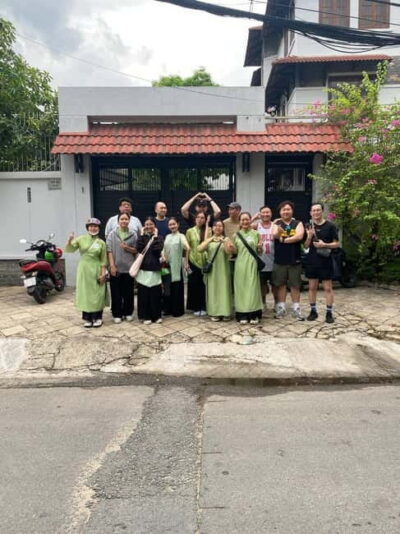
This tour starts early for a reason. You’re picked up from Ho Chi Minh City center hotels (Districts 1, 3, or 4). Expect the van to arrive between 7:30 and 8:00 AM, and your guide may coordinate by WhatsApp if timing needs a tweak. It’s simple, but it matters. If you’re late to the lobby, you’ll feel it right away since the whole day runs on a tight schedule.
The ride out to the Cu Chi countryside takes about 105 minutes. I like this timing because you arrive before the day gets fully crowded. It also gives your guide space to set expectations. You’ll hear practical talk about rural life and war history on the way, which makes what you see later much easier to understand.
The van is part of the experience. This is a small group limited to 10, so it doesn’t turn into a noisy factory line. You can ask questions without shouting, and the guide can pace the day around how people handle stairs, heat, and long walks. If you get travel fatigue easily, that smaller group structure is a real plus.
You can also read our reviews of more tours and experiences in Ho Chi Minh City.
Cu Chi Ben Duoc Tunnels: What You Actually See
Ben Duoc is where the day earns its keep. Cu Chi is famous, but this area is presented as the more authentic and quieter section. When you arrive around 10:00 AM, you’re guided through how Vietnamese soldiers and civilians lived, fought, and survived underground.
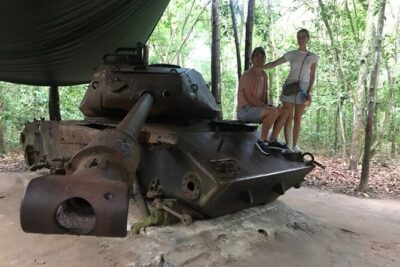
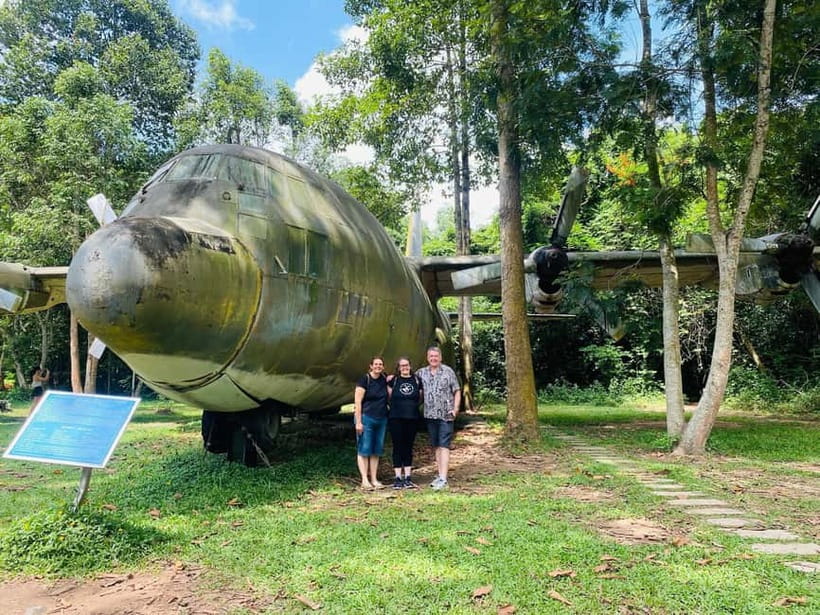
What stood out for me is that it’s not only about the idea of tunnels. You’ll see physical wartime remnants: relics, traps, hidden bunkers, and command centers. A good guide turns those objects into understandable stories. Without that, it can feel like random war artifacts. With the guide’s context, it becomes about problem-solving: ventilation, communication, hiding, and movement in a space designed for survival.
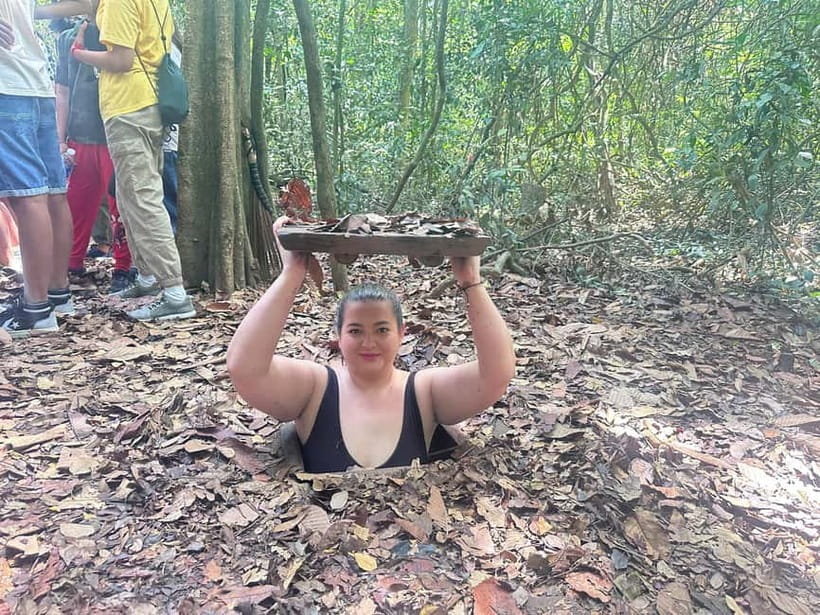
You also get a chance to walk through safe sections of the tunnels (optional). That’s one of those moments where you quickly realize how difficult underground life was. Even if you don’t go far, it helps you grasp why these tunnels mattered. It’s not just history as a poster. It’s history you can feel in your body.
Finally, the visit includes a memorial temple honoring fallen soldiers. I appreciate that it’s not a purely “mechanics of war” stop. It anchors the visit in remembrance.
Tunnel Reality Check: Comfort, Bugs, and What to Bring
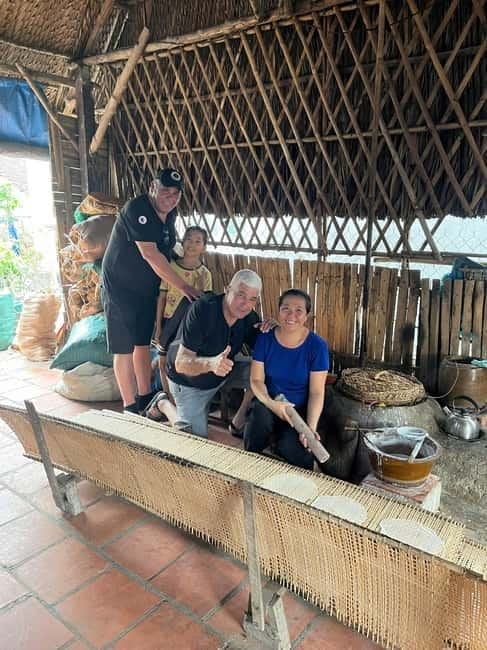
Here’s the honest part. Tunnels are tight, and your body has to cooperate. This tour is wheelchair accessible, but the activity includes walking and optional tunnel sections, so accessibility on paper doesn’t automatically mean comfort for everyone. You’ll see why after you’re there.
The tour asks for a few practical things, and they’re worth taking seriously:
- Insect repellent: the countryside can mean mosquitoes and other bugs.
- Comfortable clothes: expect dust and heat.
- Clothes that can get dirty: this is not a museum-day outfit.
- Camera: you’ll want photos of both wartime areas and the rice paper workshop.
- Cash: it’s explicitly listed as useful for small purchases.
You also want to think about your limits before the tunnel walk. The tour isn’t suitable for people with back problems or heart problems, and it’s not suitable for insect allergies. Even if you feel mostly fine, the combination of humidity, tight space, and walking can add up fast.
If you’re going, I’d plan for this mindset: you’re not trying to “win” the tunnels. You’re trying to understand them. Choose the safe option, take your time, and keep your breathing steady. Your future self will thank you on the ride back.
The Countryside Lunch: Local Southern Dishes
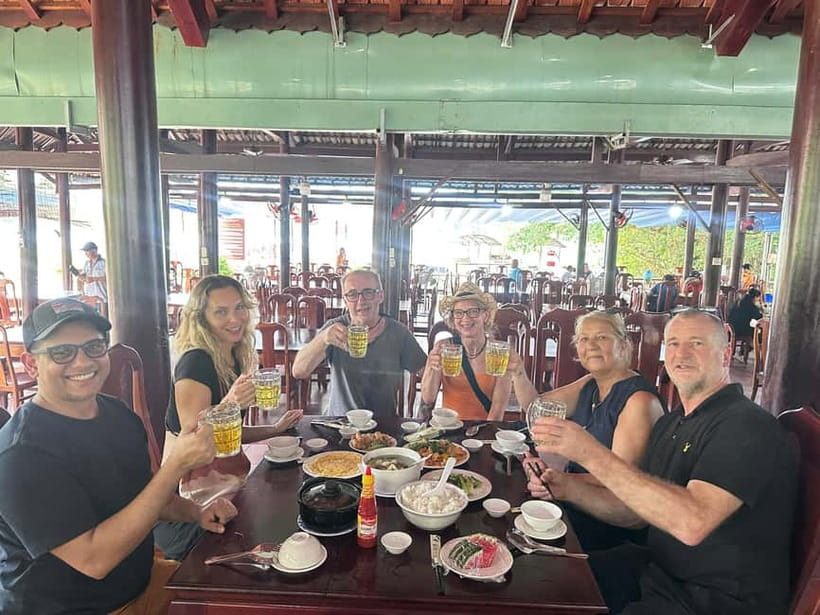
By around 12:00 PM, you’ll sit down for lunch at a local restaurant in the countryside. The focus is on Southern Vietnamese dishes, and I like that the lunch isn’t treated like a random pause. It’s part of seeing rural life, not just fueling up.
Vegetarian options are available if you request them. That’s an important detail because “vegetarian” can mean different things depending on where you are. If you eat a specific way, make sure you communicate clearly so you don’t get a sad plate of plain rice and hope.
Also, countryside lunches tend to be filling and not fussy. Expect flavors that lean familiar if you’ve tried Vietnamese food before, but still feel different from city meals. It’s a good reset before the next hands-on stop.
Rice Paper Village: Making Bánh Tráng, Not Just Watching
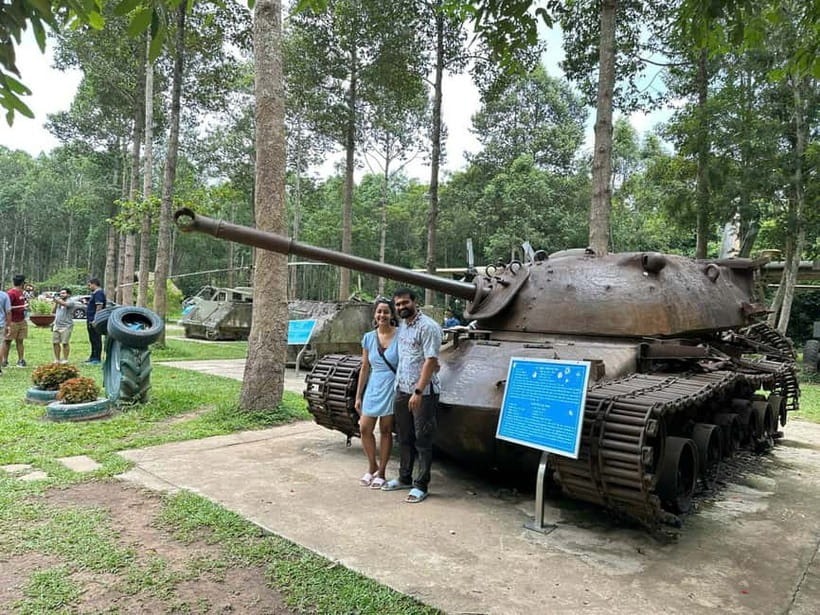
Then comes the part that turns this tour into something more than war tourism: the traditional rice paper village stop around 1:30 PM.
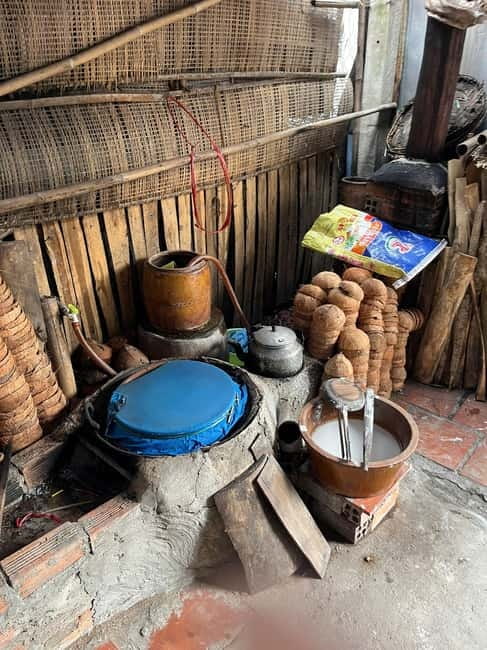
This is a family-run style workshop where locals produce bánh tráng, the essential ingredient for Vietnamese spring rolls. The guide walks you through the traditional process, from rice batter to drying mats. Seeing the steps in order matters. Rice paper is one of those things that looks simple until you think about how thin it has to be to cook and still stay intact.
You don’t just watch. You’ll test your skills and make your own rice paper, then enjoy a fresh sample. I love workshop stops like this because you leave with a memory you can touch. A photo is nice, but making something with your hands sticks.
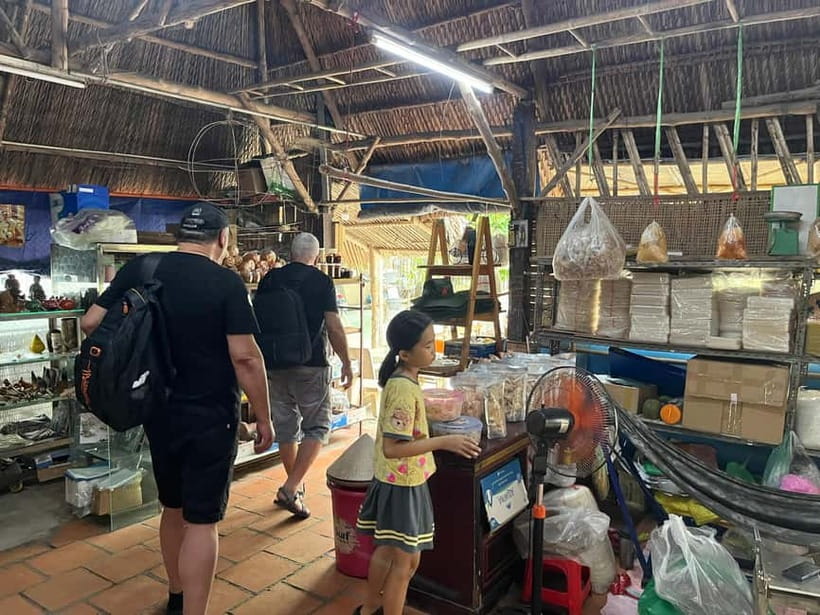
After the workshop, there’s time to browse and support local artisans. You may have the option to purchase handmade snacks—a small way to bring something local home without overthinking souvenirs.


The Ride Back to HCMC and the Time That Fills the Day
The schedule moves steadily. From the workshop, you head back toward Ho Chi Minh City and finish around 3:30 to 4:00 PM with drop-off at District 4, 3, or 1. So yes, it’s a long day, but it’s not an all-day slog with endless stops.
One detail I appreciated is how the day is structured. You get a morning block for a major historical site, then a midday meal, then an afternoon activity that’s practical and fun. That balance reduces the “everything feels heavy” factor that some war-focused tours can carry.
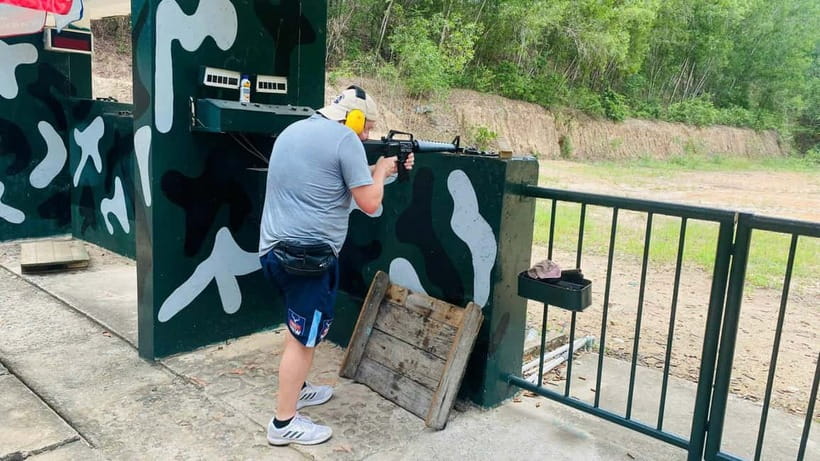
There’s also a time slot listed for a shooting range during the Cu Chi portion (about 1.5 hours). The data doesn’t specify whether it’s optional or how it’s priced, so treat that as a “could be included” time segment depending on the operator’s setup that day. If you’re not interested, you’ll want to ask your guide how it fits the route before you commit your energy.
Price and Logistics: Is $21 Good Value?
At $21 per person, the first thing to know is what’s included. You get:
- Hotel pickup and drop-off in Districts 1, 3, and 4
- An English-speaking guide
- Entrance fees
- Local lunch
- Bottled water
- The rice paper village visit and workshop
When you compare that to the cost of piecing together transportation, entrance tickets, and a guided visit separately, the price starts to make sense. The biggest value driver here is transport + guide + admissions, especially since you’re leaving the city and returning in one day.
The second value driver is that your time isn’t spent only on photos. The rice paper workshop gives you a tangible activity that most low-cost tours skip. If you like making things and tasting what you made, this is where the day feels worth the money.
The main trade-off is that the schedule is packed. If you hate early starts or you want a slow, unstructured day, this may feel like too much in one go. But if you prefer efficient, guided sightseeing, this price point is a strong deal.
Who This Tour Is Best For (and Who Should Skip It)
This tour is a good fit if you want:
- A guided, structured Cu Chi visit with context and a quieter Ben Duoc focus
- A day that includes both history and a hands-on food craft
- A small group experience (limited to 10) instead of large crowds
- Convenience: pickup and drop-off inside central districts
It’s not ideal if you:
- Have back or heart problems, due to walking and optional tunnel sections
- Have insect allergies
- Struggle with tight spaces or uneven outdoor conditions
If you’re traveling with kids, ask yourself how comfortable your group will be with war-related exhibits and the physical reality of tunnels. The data doesn’t specify age minimums, so the best approach is to match the tour to your family’s comfort level.
If you’re a solo traveler or a couple, this works well because the group size stays small and you’ll have time to ask questions without feeling like you’re disappearing into a crowd.
Should You Book the HCMC Cu Chi Tunnels and Rice Paper Village Tour?
I’d book this tour if you want one day that feels both educational and practical. Ben Duoc gives you a more relaxed Cu Chi experience, the guide-led explanations make wartime artifacts understandable, and the rice paper workshop adds a creative, hands-on payoff that you don’t get on many tunnel-only trips.
Skip it if you need a low-impact outing, or if tunnels and countryside insects are a deal-breaker for you. Also, if you dislike structured schedules, the packed timing may be frustrating.
My simple decision rule: if you can handle a long day with some walking and you want more than just a sightseeing checklist, this is a solid value at $21.
FAQ
Where are the hotel pickup and drop-off locations?
Pickup and drop-off are available for hotels in Ho Chi Minh City’s Districts 1, 3, and 4.
How long is the tour?
The duration is listed as 7 to 9 hours.
Is lunch included, and are vegetarian options available?
Yes, a local lunch is included. Vegetarian options are available upon request.
Do I participate in the rice paper workshop, or only watch?
You participate. You’ll visit the rice paper village and do a rice paper workshop where you test your skills and make rice paper.
Is bottled water included?
Yes, bottled water is included.
What should I bring?
Bring a camera, comfortable clothes (that can get dirty), insect repellent, and cash. Also consider clothes suitable for the countryside conditions.
What kind of guide will I have?
You’ll have an English-speaking guide (also Vietnamese).