REVIEW · HO CHI MINH CITY
From War to Peace: Long Tân & the Australian Base Today
Book on Viator →Operated by Vietnam Travel Group Co., LTD · Bookable on Viator
Long Tan isn’t just a battlefield name—it’s personal. This tour is built around the people who lived it, with a chance to hear local Vietnamese voices connected to the fighting, plus visits to key sites like Long Tan Memorial Cross and the Long Phuoc tunnels. I especially like the way the day connects public history to real testimony through an English-speaking guide and interpreter, and I like that you also see the practical side of the war by moving through underground spaces rather than only looking at memorials. One thing to keep in mind: pickup and timing can run late, so give yourself a little buffer and double-check where you’re being picked up.
You’re also not stuck rushing through a checklist. The day has a deliberate rhythm—sites, context, lunch, then more ground and base history—so the stories have room to land. Just know this experience depends on good weather, and rain can change what you’re able to visit that day.
In This Review
- Key Highlights Worth Booking
- A Mission Beyond Monuments: Long Tan and Local Voices
- Pickup, Timing, and Why It Matters for an 8-Hour Day
- Long Tan Cross: 110 km Out of the City and Into the Story
- Long Phuoc Tunnels: Seeing the War’s Survival Machinery
- Long Tan Battlefield Context: From Lunch to the Wider Picture
- The Australian Base View: Why Nui Dat Helps You Understand More Than One Side
- Your Guide and Interpreter: What to Look For During Explanations
- Value for Money: Why $91.19 Can Make Sense Here
- Who This Tour Fits Best
- Practical Tips Before You Go
- Should You Book This Long Tan & Long Phuoc Day Trip?
- FAQ
- How long is the tour?
- Is hotel pickup and drop-off included?
- What does the tour include for meals?
- Are entrance fees included?
- What happens if the weather is bad?
- Can I cancel for a full refund?
Key Highlights Worth Booking
- Long Tan Memorial Cross at the battle site, marked and explained for first-time visitors
- Long Phuoc tunnel system, including the kind of spaces used for survival and support
- Nui Dat SS Hill and an Australian base footprint, so the strategic picture becomes clearer
- English-speaking guidance with interpreter support, designed to connect multiple perspectives
- Lunch with Vietnamese/Asian options, plus bottled water and cool towels during the day
- A reconciliation-minded tone, where former protagonists can come together during the experience
A Mission Beyond Monuments: Long Tan and Local Voices
Long Tan has a gravity that sticks to you. It’s easy to treat it like a photo stop, but this tour is set up to feel different: it leans on testimony, place, and explanation, not just plaques.
What makes it compelling is the mix of viewpoints. You’re not only hearing the loud, famous side of the Vietnam War story; you also get a chance to meet Vietnamese veterans who fought in the remarkable of Long Tan, guided through an interpreter so the conversation can actually make sense. For me, that’s the heart of the value—history becomes human, not abstract.
Still, this isn’t a “comfort first” outing. You’ll be out traveling, walking on uneven ground at sites, and absorbing heavy material. If you prefer light entertainment, this may feel too serious.
You can also read our reviews of more tours and experiences in Ho Chi Minh City.

Pickup, Timing, and Why It Matters for an 8-Hour Day
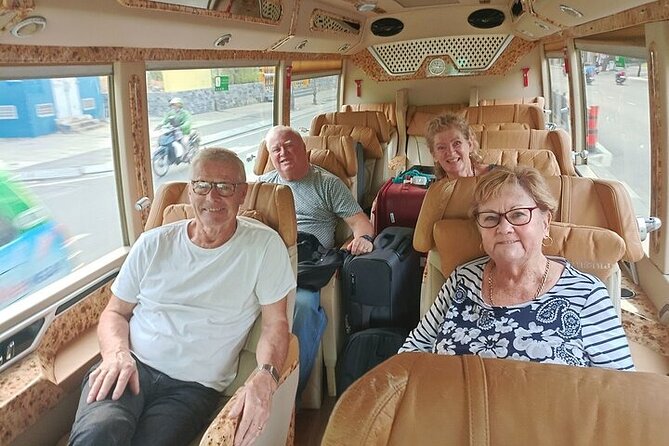
The tour runs about 8 hours, and most days include hotel pickup and drop-off, plus modern transportation. Entrance fees are handled, and lunch is included, so you’re not juggling tickets and snack hunts while you’re trying to focus.
Here’s the practical reality: timing can slip. I’ve seen accounts where a scheduled pickup didn’t arrive until later, which matters if you’re already on a tight plan for your day in Ho Chi Minh City. If you go, confirm your pickup location clearly the day before (or as soon as you receive details), and keep your first commitment after the tour off the minute hand.
Weather is another factor. The experience requires good weather, and if conditions are poor, you’ll either be offered a different date or a full refund. That’s not just fine print—it affects where you can move safely and how comfortable the day will be.
Long Tan Cross: 110 km Out of the City and Into the Story

The first big stop sets the tone. You’ll travel to the Long Tan Memorial Cross, located in Ba Ria–Vung Tau Province about 110 km east of Ho Chi Minh City. The cross marks the site of the Battle of Long Tan, and the point of the visit is to ground you in the geography before you learn what happened there.
The best way to approach this stop is slowly. Don’t rush photos. Take a few minutes to look at the surroundings the guide describes and try to imagine movement—where people could have moved, where lines might have formed, and how terrain would have mattered. For a lot of first-time visitors, that shift in thinking is what transforms the memorial from a symbol into something you can visualize.
The main drawback here is that this is a major moment of the day and it can be emotionally intense. If you get overwhelmed easily, give yourself permission to pause, breathe, and take breaks rather than forcing through the full story without space.
Long Phuoc Tunnels: Seeing the War’s Survival Machinery
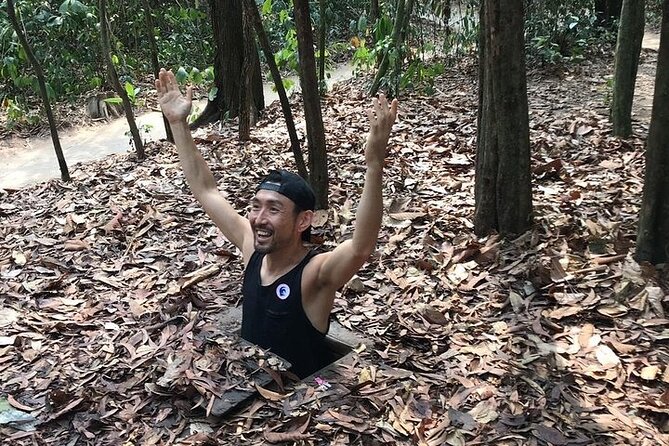
After the memorial, you move into a different kind of understanding: how the war was endured in everyday, underground terms. The tour heads to Long Phuoc tunnels, where the village had a tunnel system linking it to jungle areas to the northeast.
Tunnel systems in Vietnam weren’t just holes in the ground. Even when the tour doesn’t go into every technical detail, you can expect explanations about how spaces were used for things like meeting points and first aid stations. That’s the value for your brain: it shifts the story from battles and dates to infrastructure—how people protected themselves, treated injuries, and coordinated while hiding.
One practical note: underground sites can feel cooler but also darker and more enclosed than open-air memorials. If you’re uncomfortable in tight spaces, you can still follow the guide’s explanations and focus on the overall layout and purpose, but manage your expectations if you’re claustrophobic.
Long Tan Battlefield Context: From Lunch to the Wider Picture
The middle portion of the day gives you room to process before you see more terrain. Lunch is included, with Vietnamese food and Asian options (and a vegetarian option if needed). When a tour includes lunch like this, it isn’t just a perk—it’s what keeps the day from turning into a blur of moving from one emotional site to the next without a break.
After lunch, you head toward Nui Dat SS Hill. In 1966, this area was part of Phuoc Tuy Province and served as a prominent Australian military base in South Vietnam. Visiting the base-related ground helps you understand that Long Tan wasn’t a single isolated moment. It connects into the broader footprint of the war—who was positioned where and why.
If you want the “big picture” takeaway, ask the guide to connect what you saw at Long Tan with what changed in the area once a base was established. The tour structure makes that easy: memorial first, survival spaces second, then strategic terrain third.



The Australian Base View: Why Nui Dat Helps You Understand More Than One Side
Nui Dat SS Hill isn’t just a historical label. It’s where you start thinking in terms of logistics—bases mean movement, communication, and supply routes. And because the tour is designed around connecting perspectives, this stop can feel like a bridge between stories rather than a winner-take-all viewpoint.
This is also where the tone of the experience matters. The overall concept is explicitly about bringing former protagonists together, facilitated by a good interpreter, and described as often including rice wine during the human exchange. That part is what makes the day feel like reconciliation, not just sightseeing.
Still, don’t treat the setting as a soft landing. The topics are heavy, and hearing war explained through multiple lenses can be uncomfortable in a good way. Go in ready to listen, not ready to “solve” the past.
Your Guide and Interpreter: What to Look For During Explanations
The tour includes an English-speaking tour guide and is designed with interpreter support to help connect Vietnamese voices with visitors. That matters because Vietnam War history can get stuck in translation when you rely only on general summaries.
When the guide is speaking, the best move is to focus on details that anchor you in place: how the terrain shaped actions, why tunnels were built, and how the base relates to the battle area. If you ask simple, direct questions—like how people moved in the jungle areas or how injuries were handled—you’ll usually get answers that make the sites click.
And yes, the tour also provides practical comfort items: cool towels and mineral water, which sounds minor until you’re sitting in Vietnam humidity on a full-day schedule.
Value for Money: Why $91.19 Can Make Sense Here
At $91.19 per person for about 8 hours, this is not the cheapest way to fill your time in Ho Chi Minh City. But it can be good value because you’re paying for more than transportation.
You’re getting:
- entrance fees covered for the stops
- lunch included
- English-speaking guidance, plus interpreter-led context
- a structured route that doesn’t require you to build it yourself
- a human-centered focus on people connected to Long Tan and the surrounding war geography
If you were to DIY this day, you’d spend time figuring out sites, arranging a driver, handling admissions, and trying to understand the stories without trained context. Here, the guide does that connective tissue for you.
The main “value” risk is timing/logistics. If pickup is late on your day, it can compress your schedule in the city afterward. So for best value, keep your evening plans flexible.
Who This Tour Fits Best
This works best if you meet one of these conditions:
- You want serious historical context and not just a quick photo itinerary.
- You’re interested in the Long Tan story from multiple angles, including Vietnamese perspectives.
- You appreciate guided interpretation—someone explaining what you’re seeing, not just giving you GPS pins.
It’s also a decent choice if you’re short on time in Ho Chi Minh City. The day is built to pack in major sites in one go, without you needing to coordinate multiple rides.
If you want a purely scenic countryside day, or if you’re easily distressed by war narratives, you may feel uncomfortable. This is designed to leave an impression.
Practical Tips Before You Go
Bring the basics and you’ll enjoy the day more:
- Wear closed-toe shoes with grip; tunnel and battlefield areas can be uneven.
- Have light layers ready. It can feel cooler in shaded/underground spaces, even if it’s hot outside.
- Bring sunscreen and a hat for the open-air parts, especially around memorial areas.
- Keep your day plan flexible in case pickup timing is off by a bit.
- If you drink rice wine culturally offered during the reconciliation moment, follow your comfort level. You don’t need to push past personal limits to respect the occasion.
The tour is designed for most travelers, and it’s run as a private activity where only your group participates, which can make it easier to ask questions and get explanations at your pace.
Should You Book This Long Tan & Long Phuoc Day Trip?
If you’re the type of traveler who cares about meaning as much as location, I’d say yes. This tour uses place—Long Tan Cross, Long Phuoc tunnels, and Nui Dat SS Hill—plus interpreter-led voices to make the war story feel grounded in real human experience. The included lunch, entrance fees, English guidance, and comfort touches like water and cool towels make it practical too.
I’d only hesitate if you hate surprises in the schedule or you get overwhelmed by war history. In that case, you might prefer a shorter, lighter outing.
If you do book, confirm your pickup details clearly, plan for weather changes, and go ready to listen. You’ll walk away with a clearer sense of how the conflict was experienced above and below ground—and how people tried to talk across the divide after it ended.
FAQ
How long is the tour?
The experience runs for approximately 8 hours.
Is hotel pickup and drop-off included?
Yes, modern transportation is provided, including hotel pickup and drop-off.
What does the tour include for meals?
Lunch is included, with Vietnamese food and Asian food options. A vegetarian option is available if needed.
Are entrance fees included?
Yes, all entrance fees are included.
What happens if the weather is bad?
The experience requires good weather. If it’s canceled due to poor weather, you’ll be offered a different date or a full refund.
Can I cancel for a full refund?
Yes. You can cancel up to 24 hours in advance for a full refund. If you cancel less than 24 hours before the start time, you won’t get your money back.