REVIEW · HO CHI MINH CITY
From Ho Chi Minh: Three-Day Mekong Delta Tour
Book on GetYourGuide →Operated by Maika Tours · Bookable on GetYourGuide
Three days on Vietnam’s waterways.
This route is interesting because it mixes boat time with hands-on village life: I like the way you get onto smaller canals for daily routines and food-making, and I especially like the chance to slow down at Tra Su Bird Sanctuary. The big thing to consider is that not every day keeps equal energy—there’s also substantial transfer time by car/bus between regions.
It’s also built for comfort and clarity. You’ll travel as a private group with an English-speaking guide, pickup from your Ho Chi Minh City hotel, bottled water, entrance fees covered, and one full lunch included (with dietary needs accommodated if you contact the operator). For many people, the overall pace feels worth it; it just helps to go in knowing you’ll be moving most mornings.
In This Review
- Key things you’ll remember
- Why This 3-Day Mekong Route Feels More Like Life Than Tourism
- Day 1: Cai Be Canals, Tan Phong Island Cycling, and Mekong Food Craft
- What to watch for on Day 1
- Chau Doc Overnight: What This Stop Really Adds
- Day 2: Floating Villages, Vinh Te Canal, Ba Chua Xu Temple, and Tra Su Birds
- Day 3: Cai Rang Floating Market, Vinh Trang Pagoda, and Return to Ho Chi Minh City
- Price and Value: Is $446 Fair for a 3-Day Private Tour?
- Guide Matters: The Difference Between Good and Great Days
- Who This Tour Suits Best (and Who Might Want a Different Style)
- Practical Tips to Get the Most From Your Three Days
- Should You Book This Mekong Delta Tour?
- FAQ
- Where does the tour start and end?
- How long is the Mekong Delta tour?
- Is the group private?
- What’s included in the price?
- Are dietary requirements accommodated?
- What are the main highlights?
- What are the overnight stops?
- Are English guides provided?
- Is the tour wheelchair accessible?
- Is there free cancellation?
Key things you’ll remember
- Cai Be + Tan Phong Island: canals, fruit stops, and a local bicycle loop on dry land
- Craft-food culture: coconut candy and rice-wine production you can see up close
- Floating life in Chau Doc area: floating village, floating fish farm, and a Cham community visit
- Tra Su Bird Sanctuary: forest canals where you watch wading birds and look for birds of paradise and storks
- Cai Rang Floating Market: produce exchanged boat-to-boat, then you transition to pagoda time
Why This 3-Day Mekong Route Feels More Like Life Than Tourism
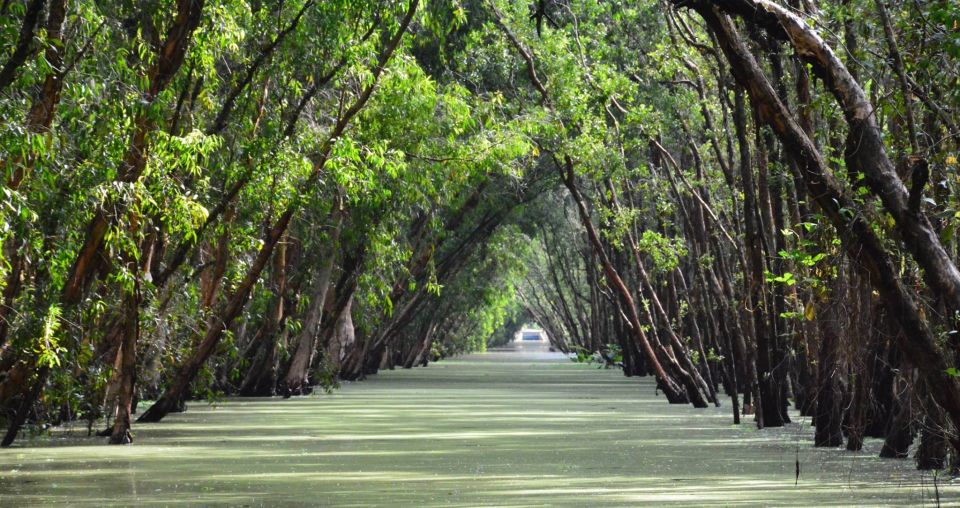
The Mekong Delta can be sold as scenery. This tour sells people. You still see rivers and markets, but you also get moments tied to daily work—farming, food, crafts, and community traditions—so the waterways feel like highways for real life.
Two parts do the heavy lifting. First, there’s the mix of large river boat travel and then the smaller canal sections where you pass through places that don’t fit neatly into a postcard. Second, the schedule includes a nature stop that’s not about photo ops. Tra Su Bird Sanctuary is peaceful, and it’s managed enough that it supports bird-watching along quiet canal routes.
The one caution: it’s a three-day sweep across multiple destinations. That means you’ll spend time in transit, and the balance between boat/forest moments and road time can vary depending on your preferences and energy level. One guest experience highlighted that the first day landed best, while later days felt more travel-heavy—so if you dislike long rides, plan your expectations.
You can also read our reviews of more tours and experiences in Ho Chi Minh City.
Day 1: Cai Be Canals, Tan Phong Island Cycling, and Mekong Food Craft
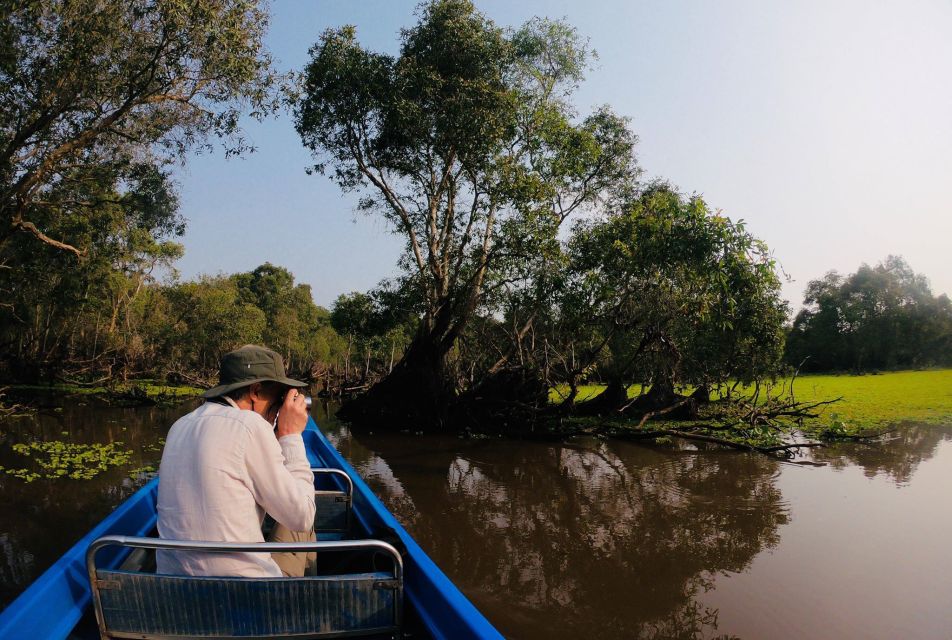
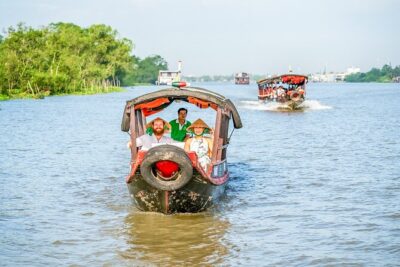
Your day starts with hotel pickup at 7:30 am in Ho Chi Minh City. Then you head to the Cai Be area and board a traditional motorized boat near the Cai Be Pier. This is a classic Mekong Delta entry point because the river travel is the easy on-ramp: you sit back while the landscape shifts from riverfront to canal networks.
After that, the tour steps off the boat into something more hands-on: you land on Tan Phong island. There’s a quick stop at a fruit orchard, which matters because it sets the tone—this region runs on seasonal crops, and fruit is part of what shapes daily schedules and local trade.
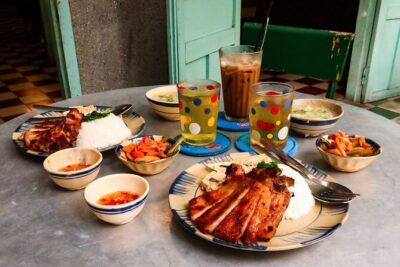
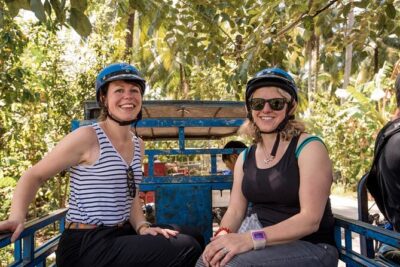
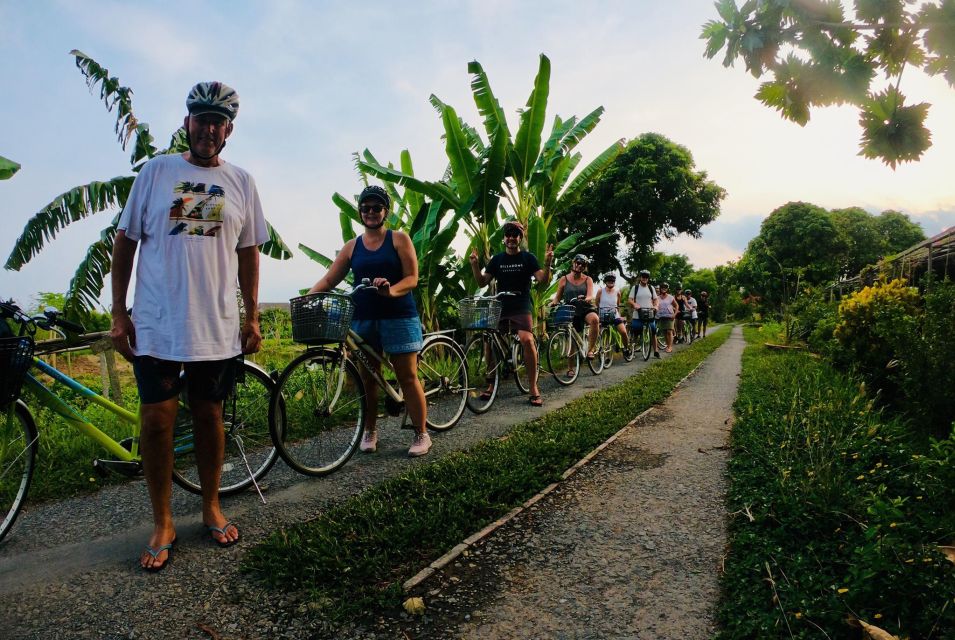
Next comes the local performance and a guided bicycle tour around the island. This is where the “daily life” theme becomes tangible. You visit native families and see how locals use the land to make practical goods, including items like rice paper and sturdy roof materials. Then you get lunch with a local family—Mekong delicacies—so you’re not just watching food culture, you’re eating it.
The afternoon keeps moving, and the boat comes back into play. After lunch, you re-board and head into the delta’s smaller canals. This is a smart way to shift your senses from the river to tighter waterways where daily routines look closer and slower. You also get to observe coconut candy and rice-wine preparation by local merchants—small process details like these are often what turns a market tour into a cultural day.
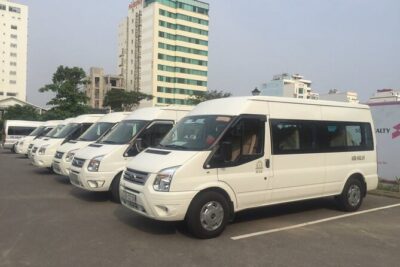
Finally, the day ends with travel onward to Chau Doc. You go via Vinh Long Pier and then take a car/bus to reach your accommodation. It’s a long day in the best way, but by the time you arrive, you’ll likely appreciate the change from boat sounds to a more settled evening.
What to watch for on Day 1
- If you like active sightseeing, the bicycle portion is a highlight.
- If you prefer quiet time, the canal stretches after lunch usually feel calmer than the morning rush.
- If you’re sensitive to change in schedule, the day moves steadily from boat to island to lunch to canals.
Chau Doc Overnight: What This Stop Really Adds
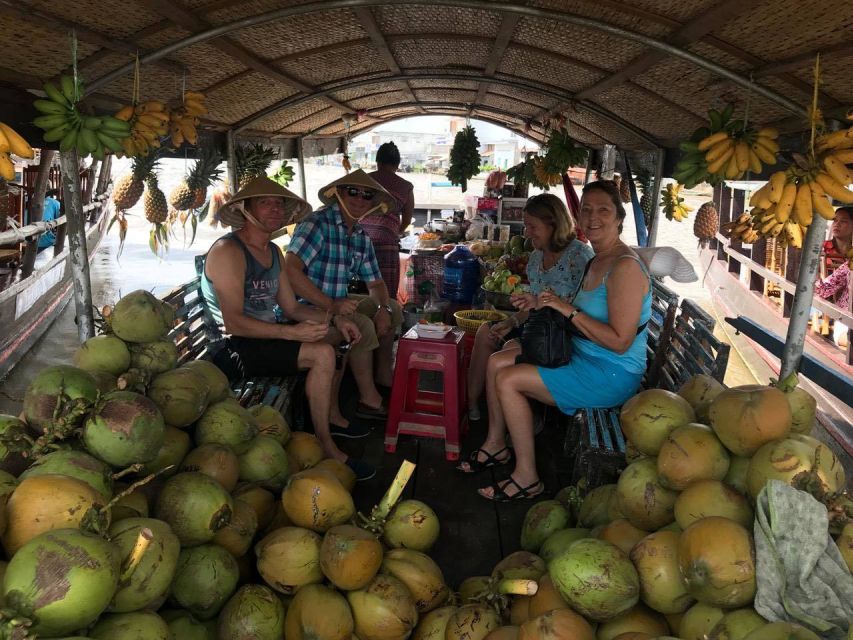
The tour doesn’t just use Chau Doc as a “hotel night.” It positions you for the next day’s river-world activities. Chau Doc is where your route gets more focused on floating and borderland culture, which is why Day 2 starts early and pivots into boat-based village experiences.
You’ll check in at your accommodation after arriving from Vinh Long earlier in the day. The itinerary doesn’t pile on extra scheduled activities here beyond the transfer. That’s useful: after a day of boats and cycling, you can actually rest before another morning on the water.
Day 2: Floating Villages, Vinh Te Canal, Ba Chua Xu Temple, and Tra Su Birds
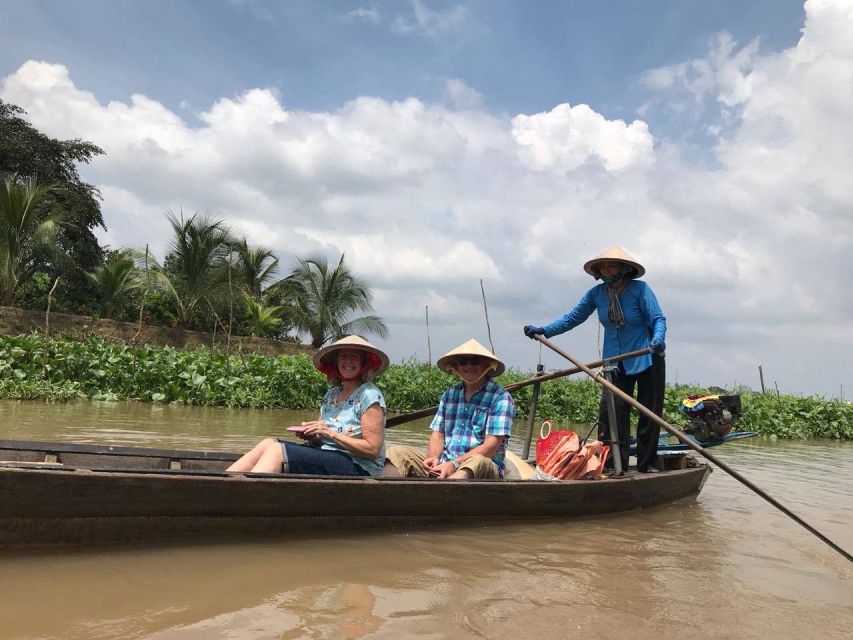
Day 2 starts early, and that early energy is the point. You check out and head for a scenic boat trip designed around three living scenes: a floating village, a floating fish farm, and a village of the Cham ethnic people.
This is one of the most meaningful parts of the trip because it’s not only about where people live—it’s also about how the community organizes work on the water. Floating fish farms are a reminder that the river isn’t passive; it’s part of production. And the Cham community visit gives the day a cultural layer beyond the usual “boat + market” pattern.
Then you add another viewing lens with a ride on the Vinh Te canal. The tour notes that you’ll pass houses on stilts on both sides of the canal and move deeper into the living area. That framing matters. Instead of only looking at a single standout spot, you’re traveling through what looks like a working neighborhood, which makes the scenery feel more grounded.
After the morning boat work, the route slows into religious and landscape rhythm. You visit Ba Chua Xu temple at the foot of Sam Mountain. A temple stop here isn’t just sightseeing—it’s a cultural pause between water and forest time.
Next comes the star nature component: Tra Su Bird Sanctuary. You go through canals in the forest to observe wading birds. The setting is described as mossy green waterways lined with cajuput trees, and the guide helps you look for wildlife that includes birds of paradise and storks.
This sanctuary stop is also the most consistently praised element from the experiences you shared. One guest highlighted it as peaceful, beautiful, and well looked after—exactly what you want from a nature leg after two days of moving.
After Tra Su, you travel to Can Tho for overnight. If you still have energy, there’s an optional visit to a local night market. It’s not required, but it’s a nice way to end the day with simple street energy instead of another structured activity.

Day 3: Cai Rang Floating Market, Vinh Trang Pagoda, and Return to Ho Chi Minh City
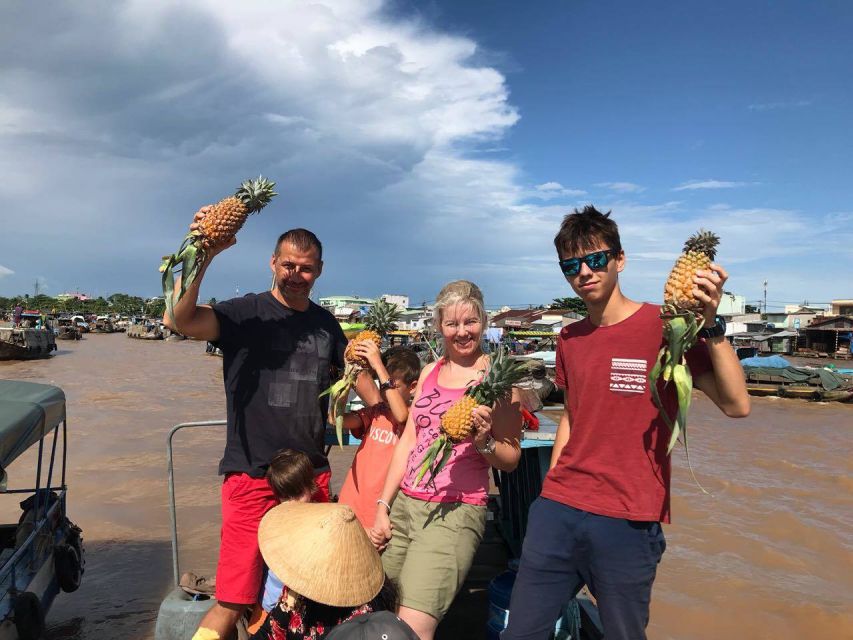
Day 3 begins early again, because the floating market experience depends on timing. You head to Cai Rang floating market on your own private boat. This is the best kind of market setup: you get to experience local produce being sold directly from boat to boat.
That boat-to-boat trading matters more than it sounds. The market doesn’t just look busy; it feels like a working system, where sellers and buyers coordinate around river routes and boat handling. If you enjoy watching process—how items are moved and traded—this section gives you that kind of payoff.
Once the market wraps, you return to the hotel for breakfast, then check out. From there you head to My Tho to visit Vinh Trang Pagoda. It’s a change of tempo from rivers and woodcraft to a structured, scenic landmark before heading back.
Then you’re back to Ho Chi Minh City, dropped at your accommodation. This is a good ending because it lets you finish with a major landmark and return to the comfort of the city rather than facing another long transfer after dark.
Price and Value: Is $446 Fair for a 3-Day Private Tour?
At $446 per person for three days, this isn’t the budget version of the Mekong Delta. But it also isn’t priced like a single-boat day trip. You’re paying for several things you’d otherwise have to organize yourself:
- Private group format, so the schedule stays consistent with your trip timing
- English-speaking guide across multiple legs
- All transport and transfers between regions
- Entrance fees covered
- Multiple boat experiences, including Cai Be canals and the Cai Rang floating market
- Bottled water included
- One full lunch, with dietary needs handled if you request them in advance
The best way to think about value here is to compare “what you’d spend to recreate this day-by-day” rather than comparing it to one scenic attraction. If you want the Mekong Delta in one organized package—without figuring out boats, timing, and who speaks English—this can make sense.
The main reason the price might not fit is simple: if you’re the kind of traveler who wants nonstop boat time, the itinerary includes enough car/bus travel that you might feel the cost is buying logistics more than adventure. One experience noted that later days felt less strong largely because of road time, so keep that in mind when deciding.
Guide Matters: The Difference Between Good and Great Days
One of the strongest signals from the experiences you provided is how much the guide and driver quality affects the trip. The guide Tien came through as energetic and organized, and that energy shows up when schedules involve early starts and quick transitions.
There’s also a human factor that can’t be faked. When one guest wasn’t feeling well because of something prior to the trip, the guide and driver were sympathetic and took extra care so she didn’t feel like she was losing time or missing parts of the experience. That kind of support matters on a multi-day tour where you’re constantly moving.
There was even a thoughtful extra on night two: they took the group to a dinner spot that the guest likely wouldn’t have chosen on their own. That’s the sort of small local advantage that makes “private tour” feel real instead of just louder with fewer people.
Who This Tour Suits Best (and Who Might Want a Different Style)
This tour is a strong match if you want:
- A private, structured route with English guidance
- Mix of boat travel and cultural stops, not only markets
- A nature break that’s built around bird-watching rather than a quick photo stop
- Comfortable one-day-at-a-time flow from pickup to drop-off
It may feel less ideal if you:
- Hate long transfers between destinations
- Prefer fewer changes in schedule and a more relaxed rhythm
- Want more time at a single site instead of moving across several (temples, sanctuaries, markets, villages)
Also consider the group format. Being private usually means fewer compromises. But it also means the itinerary is the itinerary. If you want maximum spontaneity, you’ll still be on a set path.
Practical Tips to Get the Most From Your Three Days
A couple of practical things will help you enjoy this route more:
- Plan for early starts on all three mornings. Floating markets and boat routes don’t run on late-day hours.
- Expect different terrains: boat decks, canal areas, some cycling, and temple ground. Comfortable shoes matter.
- Bring a mindset for transition days. Even when the highlights are great, the route includes time moving between regions.
- If you have dietary needs, mention them ahead of time so the included lunch can work for you.
- If you use a wheelchair, note that the tour is listed as wheelchair accessible, but with boats and mixed surfaces, confirm how they handle boarding and any steps so you don’t get surprised.
Should You Book This Mekong Delta Tour?
Book it if you want the Mekong Delta in a tight, well-guided three-day sweep that includes the big water moments and the quieter ones too—especially if Tra Su Bird Sanctuary and the floating life around Cai Rang and the floating villages of Day 2 are high on your list.
Consider a different option if you’re sensitive to road time or you’re hoping for nonstop boat scenery. The route is active and full, but it’s also a multi-region run, so some of your day will be spent in transit.
If you choose it, you’ll likely enjoy it most by treating it like a mix of river work life and calm nature time, not a single attraction itinerary. That mindset keeps the overall flow satisfying—even when the bus takes over for a while.
FAQ
Where does the tour start and end?
You’re picked up from your hotel in Ho Chi Minh City, and on the final day you’re dropped back at your accommodation in Ho Chi Minh City.
How long is the Mekong Delta tour?
The tour runs for 3 days.
Is the group private?
Yes. It’s listed as a private group.
What’s included in the price?
The tour includes all entrance fees, all transport, all taxes, an English-speaking guide, bottled water, and one full lunch.
Are dietary requirements accommodated?
Yes. The lunch can be catered for dietary requirements if you get in touch in advance.
What are the main highlights?
The tour highlights include Cai Rang Floating Market, experiencing local daily life, and exploring Tra Su Bird Sanctuary.
What are the overnight stops?
You spend the first night in Chau Doc and the second night in Can Tho.
Are English guides provided?
Yes. The tour includes an English-speaking guide.
Is the tour wheelchair accessible?
It is listed as wheelchair accessible.
Is there free cancellation?
Free cancellation is offered up to 24 hours in advance for a full refund.