REVIEW · HO CHI MINH CITY
From HCM: City Highlights & Chinatown Trips – Water Bus Tour
Book on GetYourGuide →Operated by SST Travel · Bookable on GetYourGuide
Saigon in one day, plus a river detour. This small-group tour strings together the War Remnants Museum, French colonial landmarks, Chinatown temples, Ben Thanh Market, and a Water Bus hop to District 2. I love the War Remnants Museum stop, with its courtyard vehicles and tiger cages explained by your guide, and I love the quick Water Bus ride that gives skyline views without eating your whole afternoon. One drawback: the schedule is tight, so expect moderate walking and lots of photo stops.
For $37, you get air-conditioned transport, hotel pickup in District 1, an English-speaking guide, entrance fees, bottled water, and lunch. I also like that the group is capped at 13 people, which keeps things comfortable when you’re moving from place to place. Still, it’s not a slow day, and it’s not suitable for wheelchair users.
If you want a guided frame for the big sights, plus one genuinely different experience on the river, this is a smart way to spend a day in Ho Chi Minh City.
In This Review
- Key things I’d watch for
- How the 8:00 AM format keeps this tour efficient
- Independence Palace, Notre-Dame Cathedral, and the Central Post Office
- Chinatown and Thien Hau Pagoda: incense, carvings, and easy photos
- Bình Tây Market: where shopping and street life collide
- Lunch at a local restaurant: the refuel that keeps the day humane
- War Remnants Museum: what you’ll see and how to get value
- Ben Thanh Market: souvenir time with enough room to breathe
- Saigon River Water Bus to District 2: a short ride that feels like a bonus
- Price and value: is $37 a good deal here?
- Who this tour is best for (and who should skip it)
- Should you book this Saigon Highlights & Water Bus day tour?
- FAQ
- What time does the tour start?
- Where do I get picked up in Ho Chi Minh City?
- What if I’m staying outside District 1?
- How long is the tour?
- What’s included in the $37 price?
- Is lunch included, and is it at a local restaurant?
- How long is the Water Bus ride?
- Are there any extra costs for holidays?
- What should I bring and wear?
- Is the tour wheelchair accessible?
- Can I get a refund if I cancel?
Key things I’d watch for
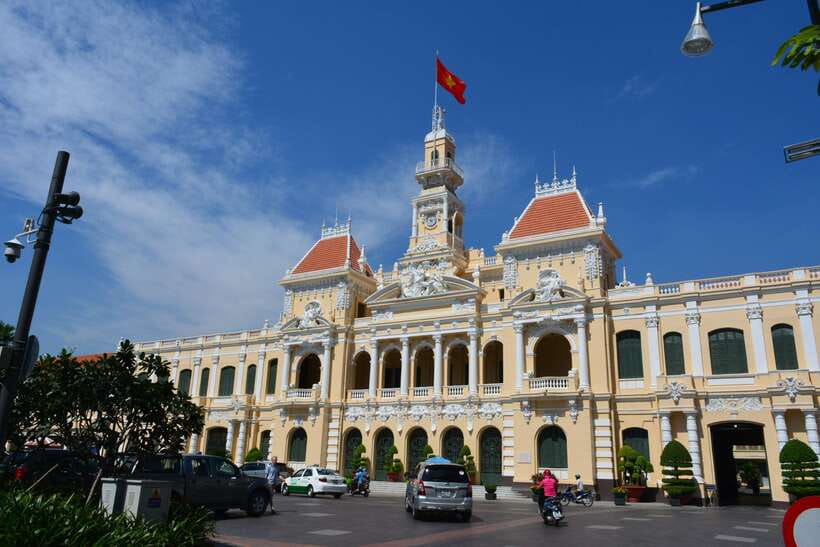
- A guide can make the day land: Guides such as Sam and Ms. Duy have stood out for clear explanations and smooth organization.
- French colonial icons in a logical loop: Independence Palace, Notre-Dame Cathedral, and the Central Post Office are built for photo stops (and real looking).
- Chinatown isn’t just a backdrop: Thien Hau Pagoda’s incense coils and carved details are worth time, and Bình Tây Market adds street-level texture.
- War Remnants Museum hits hard, fast: Expect themed exhibits plus an outdoor yard with tanks, helicopters, and tiger cages.
- Ben Thanh Market is your end-of-day shopping zone: You’ll have time for souvenirs and textiles, not just a quick pass-through.
- A short Water Bus ride to District 2: It’s brief enough to fit the day, but long enough for city views.
How the 8:00 AM format keeps this tour efficient
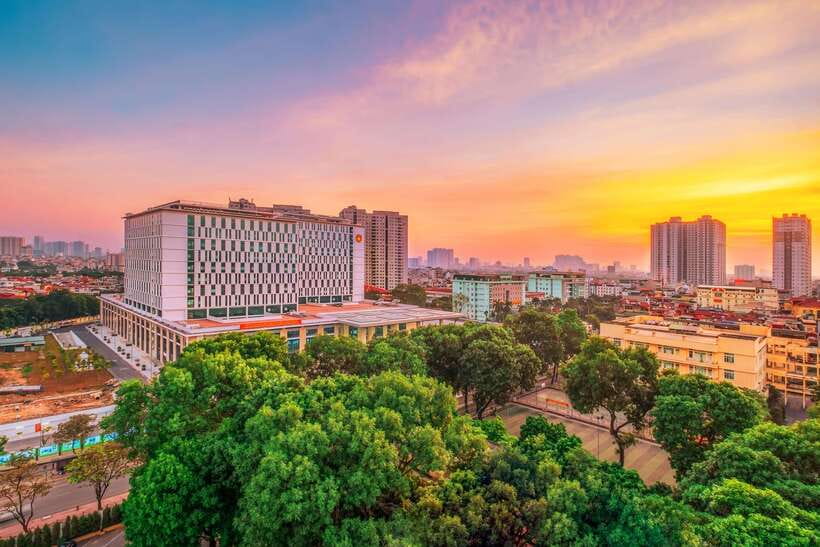
This tour is built for people who want momentum. You start at 8:00 AM with pickup from a hotel in District 1, then you spend the day moving through the city’s most recognizable landmarks and neighborhoods.
What makes it work is the structure. You’re not just dropped off; you have an English-speaking guide who coordinates entry times and keeps the day from turning into guesswork. The group is kept small (up to 13 people), which matters because you’ll be walking, waiting, and taking photos in tight spaces—especially around temples and markets.
You’ll also be on an air-conditioned vehicle between stops. That’s not just comfort; in Ho Chi Minh City’s heat, it helps you stay functional for museum time and market time later.
The pace is the main consideration. This is a “see the highlights” day, not a “linger and wander” day. Plan for comfortable shoes, keep your camera charged, and accept that some stops are designed for looking, learning, and moving on rather than long, slow exploration.
You can also read our reviews of more city tours in Ho Chi Minh City

Independence Palace, Notre-Dame Cathedral, and the Central Post Office
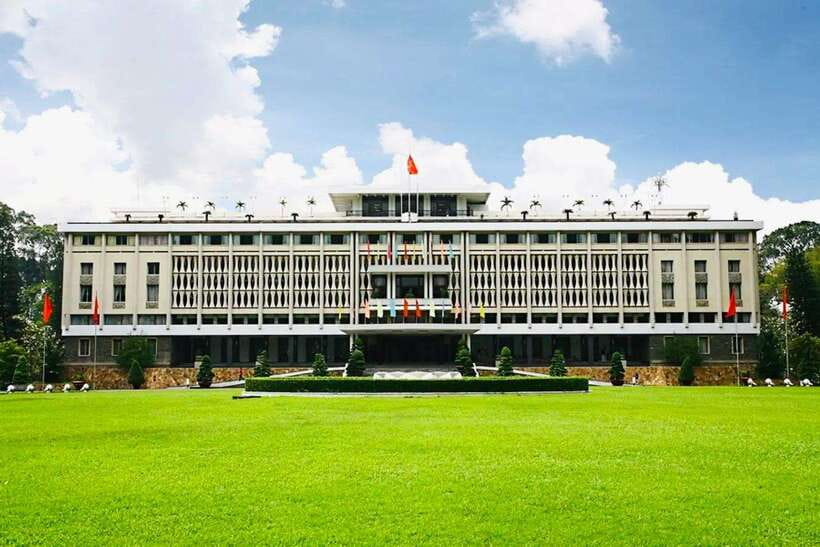
Your day includes three big French-era stops that do a great job of showing how colonial design shaped the city.
First up is Independence Palace (listed as Reunification Palace / formerly the Presidential Palace). This place isn’t just pretty from the outside. Inside, you’ll get the sense of how official power operated during the end of the Vietnam War in April 1975. The halls and gardens are laid out in a way that makes the history feel physical—you can almost picture decision-making happening in the rooms.
Next you’ll hit Notre-Dame Cathedral. It’s late 19th century, and the famous feature isn’t just the façade. You’ll have time for the interior and those stained-glass windows, with a quieter feel inside compared to the streets outside.
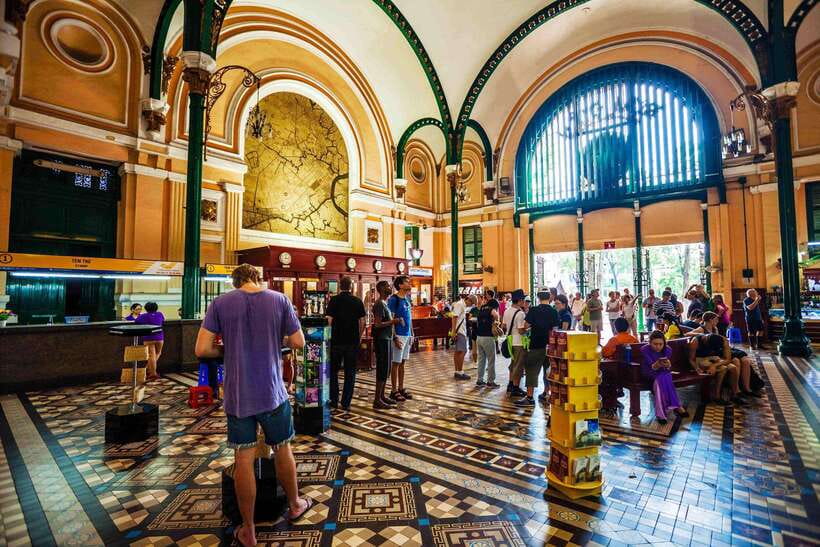
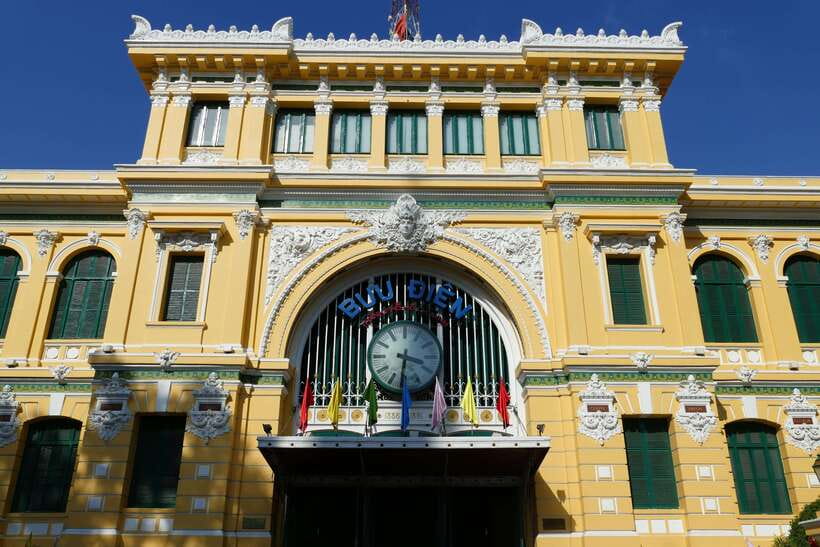
Then comes the Saigon Central Post Office, another French colonial masterpiece. The big reason it’s worth your time is the giant map of Vietnam inside. It’s the kind of detail you can’t fully appreciate from a quick exterior photo. With the guide explaining what you’re looking at, the building becomes a snapshot of how the city once imagined connections across the country.
Practical note: these stops are photo-stop friendly, so have a plan for quick shots—especially if you’re traveling with a phone camera. You’ll likely have a few moments where you’re herded gently toward the best viewing points, and then you’re left to explore briefly on your own.
Chinatown and Thien Hau Pagoda: incense, carvings, and easy photos
After the French-era stops, the itinerary shifts gears into Chinatown. This is where Ho Chi Minh City starts to feel more street-level and less postcard.
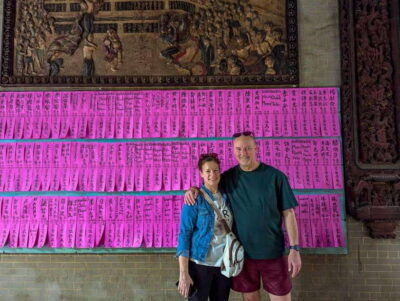
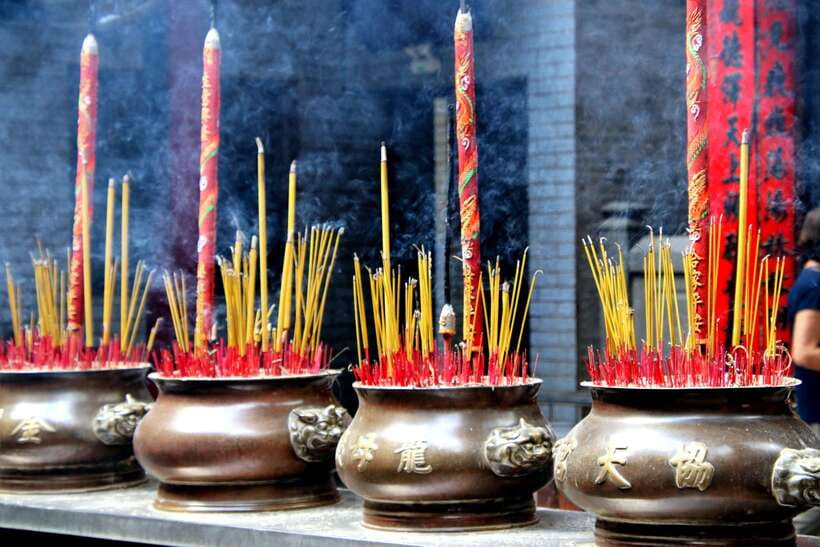
You’ll visit Thien Hau Pagoda, dedicated to the Goddess of the Sea. What you’ll notice right away is the sensory stuff: the smell of incense and the density of details. The pagoda is adorned with carved tableaux, intricate friezes, and those big incense coils that look dramatic in photos.
This is also one of the best places on the tour for a respectful pause. You’re not rushing between museum rooms. You can slow down for a minute, watch people make offerings, and let the guide’s explanation give meaning to the scenes rather than treating it like a quick checklist stop.
From there, you move into market territory where you’ll see everyday life up close.
Bình Tây Market: where shopping and street life collide
Bình Tây Market gives you a contrast to the formal buildings earlier in the day. It’s also one of the more “grab a photo and browse” parts of the tour.
You’ll pass through narrow lanes and see a mix of goods, including clothing and even things like dried squid. That detail might sound odd on paper, but it’s exactly the kind of item that makes markets feel real. It’s not curated; it’s practical commerce.
You’ll also have time for photos and free time here, and that’s valuable. A guide can tell you what to notice, but the market is still a place where your eyes need time to adjust.
Two practical tips that will make this stop easier:
- Keep your phone and wallet secure. Markets can be crowded, and you’ll be moving with the group.
- If you want textiles or souvenirs, set a budget early. A market like this can pull you into browsing mode fast.
Also, be mindful of temple etiquette if you bounce between sacred and commercial areas during the day. Dress modestly and keep your shoulders and knees covered where needed.
Lunch at a local restaurant: the refuel that keeps the day humane
You’ll get lunch at a local restaurant. The key detail is that it’s included, which means you won’t lose momentum hunting for food on your own between sites.
The lunch here is specifically praised as delicious, and that aligns with how this tour is designed: you need to eat before you face the War Remnants Museum, which is emotionally heavy and usually takes full concentration.
What I’d do in your shoes: treat lunch as your reset. Use it to drink water, cool off a bit, and adjust your energy for the museum. If you’re the type who hates surprises, don’t worry—you’ll be given a meal at a set time within the group schedule rather than being tossed into the chaos of picking a place under pressure.
One small rule to remember: food and drinks aren’t allowed in the vehicle, so plan water and snacks accordingly (bottled water is provided during the tour).


War Remnants Museum: what you’ll see and how to get value
This is the emotional anchor of the whole day. The War Remnants Museum is organized thematically across multiple floors, so it doesn’t feel like one long hallway of the same type of display. You’ll be guided through what each section is telling you about the Indochina wars and the impact on Vietnamese people.
Outside, in the courtyard, you’ll see massive military vehicles, including helicopters and tanks. These displays make the museum feel less abstract and more immediate.
Then there’s the detail people remember: tiger cages used during the war. It’s not comfortable to look at, but it’s central to understanding the harsh reality faced by prisoners. Your guide’s job here is important: they help you connect dates and events to the photos, artifacts, and descriptions you’re seeing.
If you want maximum value, go in with two expectations:
- You’ll need time to look. Even though your museum visit is scheduled (about 45 minutes), slow down for the main exhibits.
- It can feel intense. If you’re sensitive to graphic or traumatic material, take breaks within the museum spaces rather than trying to rush through.
Bring your camera, but be respectful. Some areas may limit photos. If in doubt, follow what your guide suggests.
Ben Thanh Market: souvenir time with enough room to breathe
Later, the day closes with Ben Thanh Market, one of the most famous markets in the city. The payoff here is simple: you get time to browse and shop rather than just passing by.
Ben Thanh has a bit of everything—produce, handicrafts, souvenirs, and textiles. This makes it easier to find gifts that actually reflect Vietnam without needing a shopping strategy.
It’s also a good place to put your earlier market curiosity to use. After seeing Bình Tây Market’s street-level goods, Ben Thanh can feel more organized and broader, with more variety under one roof or in one defined area.
A couple of practical reminders:
- Keep your belongings secure in crowded sections.
- If you’re buying textiles, check quality and compare prices a bit. If you buy the first item that catches your eye, you’ll pay more than you need to.
This stop is a good end point because the day’s hardest material (the museum) happens earlier. By the time you reach Ben Thanh, you can shift into lighter mode: photos, browsing, and a bit of bargain-minded shopping.
Saigon River Water Bus to District 2: a short ride that feels like a bonus
This is the “why this tour is different” part. After the market time, you’ll head to Bach Dang Port for the Water Bus experience.
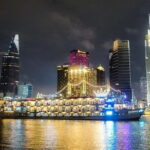
The ride itself is about 15 minutes along the Saigon River, taking you from District 1 to District 2. It’s short, but it changes your point of view. Instead of being pressed into crowds on sidewalks, you get a moving window over the city.
Even with a short cruise, skyline views are the main attraction. The time on the boat also helps break up the day’s walking and museum concentration. It’s the right kind of variety: not a major detour, just enough to make the day feel like more than a checklist.
If rain is forecast, bring an umbrella or raincoat. River views can come with sudden weather shifts, and you’ll want to stay comfortable while you wait for boarding and while you’re getting settled.
Price and value: is $37 a good deal here?
At $37 per person, you’re paying for a full day with multiple major stops. That price is easier to justify when you look at what’s included:
- Hotel pickup and drop-off (District 1)
- Air-conditioned transportation
- English-speaking guide
- Entrance fees
- Lunch at a local restaurant
- Bottled water
- The Water Bus experience
- A streamlined experience with skip-the-ticket-line included
In other words, this isn’t just “a guide walking you around.” You’re also covering the big add-ons—transport, entry fees, and lunch—that can push a self-guided day over budget fast.
There is a catch: on certain holiday periods, a 100,000 VND surcharge applies and is paid on-site. If you’re traveling during peak dates, plan for that extra cost.
Who should feel good about this price? People who want structure, minimal planning stress, and a guided explanation in places where the context matters—especially at the War Remnants Museum.
Who this tour is best for (and who should skip it)
This tour is a strong fit if you:
- Want a guided route through the city’s major highlights
- Like pairing history with practical sightseeing
- Appreciate a small group size that stays manageable (up to 13)
- Prefer convenience over building your own route and timing
It may be less ideal if you:
- Want a slow, detailed day with long time at each stop
- Need wheelchair access or have mobility limitations (it’s not suitable for wheelchair users)
- Hate walking and photo-stop pacing
One more angle: the guide really matters here. The day includes both iconic landmarks and difficult war material. The best versions of this tour are led by guides who can keep things clear and organized while explaining what you’re looking at. Names like Sam and Ms. Duy come up because they’re good at that balancing act.
Should you book this Saigon Highlights & Water Bus day tour?
I’d book this tour if you’re the type who wants the city’s key sights handled for you—timing, entry, and context included—plus one fun twist on the water.
I’d think twice if you’re already planning to spend a long time at museums on your own and you prefer free-form wandering. In that case, you might design your own day around the War Remnants Museum and then pick just one market and one river moment.
But if your goal is a solid “first or second day in Ho Chi Minh City” plan, this one is hard to beat: French-era architecture, Chinatown temple detail, a major museum, a shopping finale at Ben Thanh, and a brief Water Bus ride for a change of pace.
FAQ
What time does the tour start?
The tour starts at 8:00 AM.
Where do I get picked up in Ho Chi Minh City?
Pickup is available from central hotels in District 1.
What if I’m staying outside District 1?
If you’re not in District 1, you’ll need to make your way to the meeting point at SST Travel, 57 Le Thi Hong Gam, District 1, HCMC.
How long is the tour?
It’s listed as 1 day. Starting times vary based on availability.
What’s included in the $37 price?
The price includes hotel pickup and drop-off, air-conditioned transportation, an English-speaking guide, entrance fees, lunch, the Water Bus experience, and bottled water.
Is lunch included, and is it at a local restaurant?
Yes. Lunch is included and served at a local restaurant.
How long is the Water Bus ride?
You’ll enjoy a scenic 15-minute Water Bus ride along the Saigon River.
Are there any extra costs for holidays?
Yes. A 100,000 VND holiday surcharge can apply for certain listed dates, paid on-site.
What should I bring and wear?
Wear comfortable shoes and bring a camera and water. Since weather can change, bring an umbrella or raincoat if rain is forecast.
Is the tour wheelchair accessible?
No. It’s not suitable for wheelchair users and is also not recommended for people with mobility impairments.
Can I get a refund if I cancel?
Yes. You can cancel up to 24 hours in advance for a full refund.