REVIEW · HO CHI MINH CITY
Cu Chi Ben Duoc Tunnels: Authentic & Less Touristy (Max 10)
Book on Viator →Operated by Hana Tourist Vietnam · Bookable on Viator
Ben Duoc is the Cu Chi stop many people skip. This half-day tour takes you into a less touristed tunnel complex, with real crawl-through tunnels, trapdoors, and a wartime snack that feels oddly practical.
What I like most is the small group size (max 10) and the way the day is paced around the tunnels, not just around buses. Guides like Ken and Tri are repeatedly praised for clear explanations and keeping the experience moving at a human speed.
One thing to plan for: the drive out of Ho Chi Minh City can eat time, and on some days you may hit extra roadside stops before you reach the tunnels. If you hate being rushed or delayed, this is the only part that can sour the mood.
In This Review
- Key things to know before you go
- Ben Duoc Feels Different From the Usual Cu Chi Stop
- Price and Value: What $21 Buys You in Real Terms
- Getting From Ho Chi Minh City Without Losing Your Day
- Arrival at Ben Duoc: Documentary, Orientation, Then You Crawl
- The Tunnel Experience: Agility Counts, But Comfort Options Exist
- Wartime Cassava and Tea, Plus the Shooting Range Choice
- The Guides: Why Names Like Ken, Tri, and Nhu Get Repeated
- Adding the War Remnants Museum on the Morning Option
- What Your Day Feels Like From Start to Finish
- Who This Tour Fits Best (And Who Might Want Another Option)
- Practical Tips So You Enjoy Ben Duoc More
- Should You Book This Cu Chi: Ben Duoc Half-Day Tour?
Key things to know before you go

- Ben Duoc first: You spend your time at a quieter Cu Chi section, not just at the busiest main site
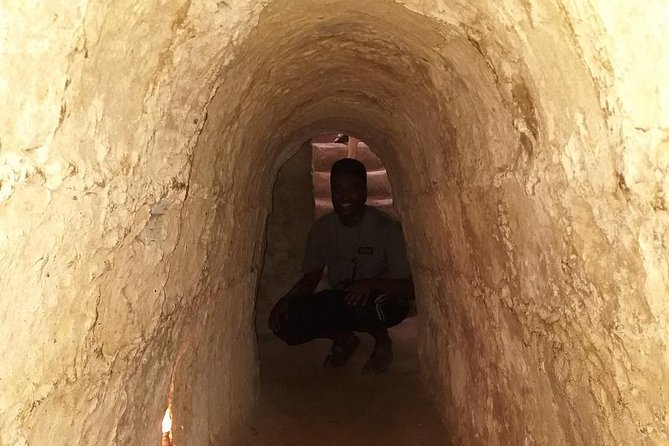
- Real tunnel crawling: Tight, low ceilings mean you’ll stoop and move carefully, not stroll
- Wartime cassava and tea: A simple snack break that matches what soldiers ate
- Optional shooting range: Extra cost, and not everyone has to participate
- Guides set the tone: Many standout guides keep the explanations clear and the group comfortable
- Half-day options: Morning tour can add the War Remnants Museum; the later departure runs longer
Ben Duoc Feels Different From the Usual Cu Chi Stop
Cu Chi is one of those Vietnam highlights that can turn into a conveyor belt if you pick the wrong option. The big win here is focusing on Ben Duoc, described as a quieter portion compared with the more packed stops.
Ben Duoc is also a strong choice because it’s not just “tunnels, photo, done.” You get a fuller slice of the underground system: different tunnel areas, plus spaces tied to day-to-day operations during the war. The result is more than a gimmick. It’s closer to what underground life likely felt like—claustrophobic, functional, and built for survival.
If you want the famous Cu Chi experience but still like room to breathe, this is the version that makes sense.
You can also read our reviews of more tours and experiences in Ho Chi Minh City.


Price and Value: What $21 Buys You in Real Terms
At $21 per person for a half-day, this tour lands in the “good value” zone because several key costs are wrapped in. You get an English-speaking guide, entrance fees, bottled water, and a wartime snack break. You also get air-conditioned transport and cool tissue, which sounds small until you’re sitting in Vietnam heat on a long drive.
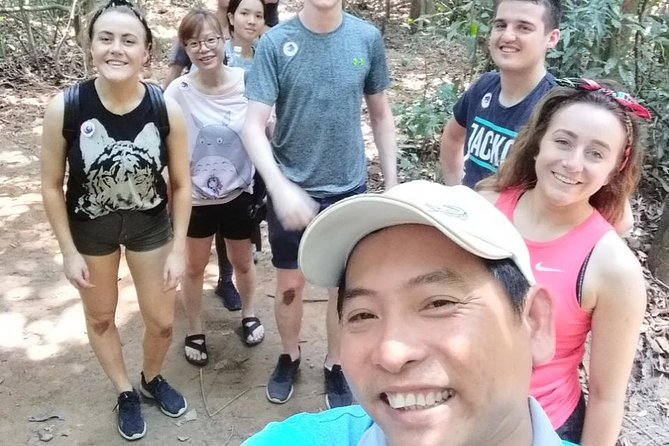
And because the group is kept to up to 10 people, you’re more likely to get actual guidance while you crawl, instead of being one more body waiting for a turn.
Is it perfect value? Not if you show up expecting a relaxed scenic day in open-air Vietnam. This is a history-and-physical-activity combo. If that’s your style, the price feels fair.
Getting From Ho Chi Minh City Without Losing Your Day
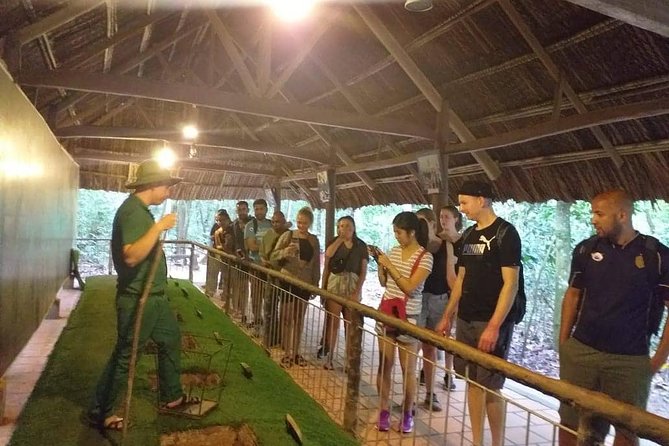
Let’s talk reality: Ho Chi Minh City to Cu Chi is not next door. Even when the tour is well-run, you’re looking at a drive that can feel long—some departures can take about 3 hours each way depending on traffic.
This is why the departure time matters:
- Morning departure: pickup between 7:30–8:00 AM, finish around 2:30 PM
- Noon departure: pickup between 12:00–12:30 PM, finish around 7:00 PM
Both are built as half-day tours, but they don’t feel identical. The morning option is the one that can connect with the War Remnants Museum later. The later pickup is better if you’d rather sleep in and don’t mind a longer ending time.
One caution from experiences shared by past visitors: a few people felt the road trip included extra stops on the way out, like roadside shops. In the best cases, those stops are brief and harmless. In the worst cases, they make the ride feel like a slow prelude to the tunnels. If your priority is straight-to-tunnel time, keep your expectations flexible.
Arrival at Ben Duoc: Documentary, Orientation, Then You Crawl
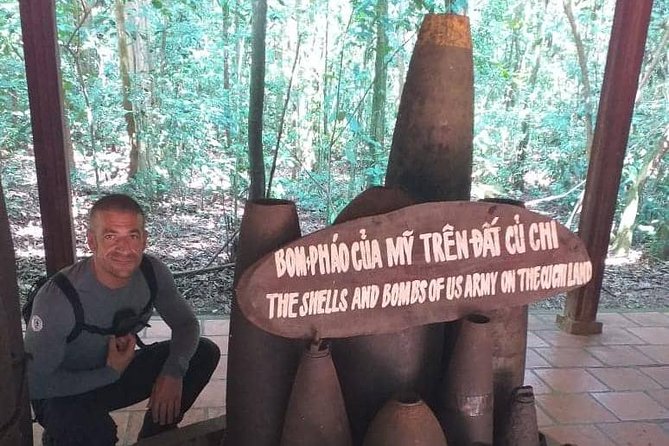
When you reach the Ben Duoc area, you start with a short documentary about the war. It’s not a full classroom lecture, but it does help you set context before you start moving underground.
Then comes the main event: exploring the tunnel system.
Expect you’ll:
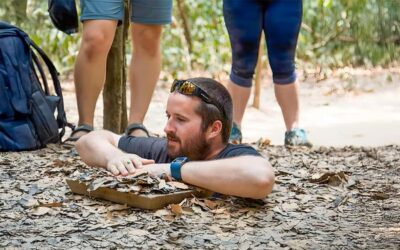
- Crawl through narrow tunnels (low ceilings, short passages)
- See camouflaged trapdoors and other trap features
- Visit areas described as the command center and storage spaces
- See a hospital bunker area
You’ll also see how the layout was meant to keep people hidden and alive. Even if you know the broad story of the Cu Chi tunnels, walking through the spaces forces your brain to accept the trade-offs: movement is slow, space is scarce, and survival depends on constant caution.
Practical note: the tunnels are not “easy photos.” They’re tight, and you’ll likely get dirt underfoot. Wear shoes you don’t mind getting scuffed.
The Tunnel Experience: Agility Counts, But Comfort Options Exist
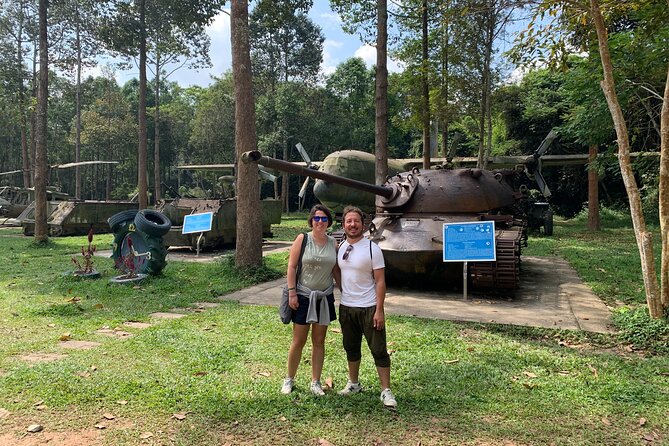
Some people leave the tunnels feeling proud, others feel relieved they could take a breather. That’s normal. The tunnels vary in tightness, so your body matters here.
A recurring theme: you need to be pretty agile to enjoy the tunnel crawling part. One visitor even noted the 50m tunnel was demanding for a tall adult. If you have leg or knee problems, you might find you can’t enter some smaller tunnels, but you can still appreciate the site and the explanations above ground.
The tour is designed with that reality in mind. The guide can work with you so you don’t have to force yourself into every tight section. That’s a big deal. It turns the day from “everyone must suffer” into “you can take part without breaking your body.”
Bottom line: this is a history tour with physical steps. If you go in with good shoes and a realistic mindset, it’s far more fun.



Wartime Cassava and Tea, Plus the Shooting Range Choice
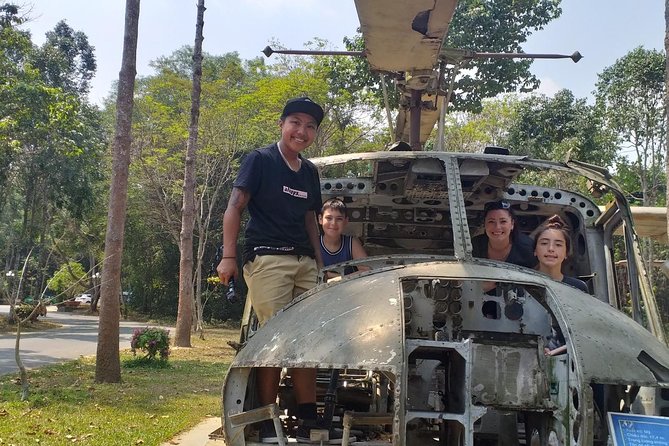
One of the best “small details” is the snack. You get a “wartime” break with cassava and tea, similar to what Vietnamese soldiers used. It’s not fancy, but it’s memorable because it connects food to conditions—cheap, filling, and practical.
Then there’s the optional shooting range. This is an extra fee, and it’s entirely your call. The shooting portion is described as brief, and people who didn’t shoot could wait in the air-conditioned van.
A practical way to think about it:
- If you want a hands-on, adrenaline moment, consider it.
- If you’re here for the tunnels and history only, you can skip it and spend more time observing the tunnel areas.
Also, keep in mind there can be days when the shooting range doesn’t operate as expected due to local celebrations. That doesn’t ruin the tunnels, but it’s good to know so you don’t show up thinking it’s guaranteed.
The Guides: Why Names Like Ken, Tri, and Nhu Get Repeated
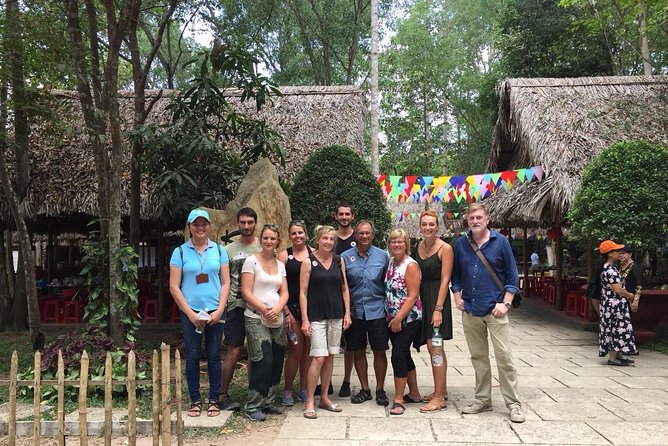
This tour lives or dies by the guide, and the pattern from past experiences is pretty clear: strong English, good storytelling, and a calm approach to group pacing.
Guides such as Ken and Tri are repeatedly highlighted for:
- Explaining the war and the tunnels in a way that actually sticks
- Keeping the experience organized (arrival timing, group control, no pressure)
- Making the day feel friendly, not lecture-heavy
Some guides also tailor the tunnel route based on your comfort level. That’s another way the day stays positive, especially for mixed groups.
If you’re the type who likes to understand what you’re seeing—why certain traps were built, how hidden movement worked—this is where the tour pays off.
Adding the War Remnants Museum on the Morning Option

If you choose the morning shared group tour, you can add the War Remnants Museum around noon. You get about one hour to explore it freely—reading, looking at photos, and watching videos.
Because it’s flexible time rather than a tight guided sprint, you can match it to your interests:
- If you want to absorb visuals, you can.
- If you prefer to focus on a specific theme, you can spend your hour there.
Audio guides are available for an extra cost. If you like guided context, that’s a helpful upgrade.
This museum stop makes sense as a pair with the tunnels. The tunnels show how people hid and survived. The museum adds broader context about the war’s impact and imagery.
If you choose the noon departure, you don’t get this museum add-on in the provided setup.
What Your Day Feels Like From Start to Finish
Here’s the shape of the experience, without fluff.
You start with hotel pickup and air-conditioned transport if you opt for it. The group is small, so you’re not packed into a huge crowd machine. On the ride, you’ll get guide commentary along the way, so the drive isn’t totally dead time.
Then you arrive, do the short orientation documentary, and get into the tunnels. The tunnel part is physically real—stooping, crawling, and slow movement. After the tunnels, you snack on wartime cassava and tea, then you’re headed back into the city.
The total duration lands around 6 to 7 hours depending on the departure slot and traffic.
That means you should treat this as a half-day commitment, not a quick afternoon errand.
Who This Tour Fits Best (And Who Might Want Another Option)
This tour fits best if you want:
- A less crowded Cu Chi experience
- A small-group format that keeps the guide within reach
- The full tunnel crawl feeling, not just a viewing point
- A tour where the guide’s explanations matter
It may not fit as well if you:
- Hate long drives and want the tunnels to be reached fast
- Are very sensitive to pacing, especially if your ideal day is minimal waiting
- Want a fully wheelchair-friendly or fully effortless tunnel visit (the experience requires crawling, and you might not enter every section)
If you’re traveling with kids, one past experience included a 7-year-old who enjoyed the visit. Still, the tunnels are tight. For younger kids, your decision should be based on their comfort with crawling and low spaces.
Practical Tips So You Enjoy Ben Duoc More
A few things will make the experience smoother:
- Wear sturdy, closed-toe shoes. People directly advise this because you’ll stoop and you may step in dirt or mud.
- Expect to get a bit uncomfortable. The tunnel ceilings are low.
- Don’t plan a big shoe-fussy dinner right after. Plan for a relaxed evening instead.
- If you care about history context, listen when the guide explains the war background during transport and on-site.
- If you’re considering the shooting range, remember it’s optional and extra, and availability can vary.
The best mindset is: this is one of those places where your body helps you understand the story.
Should You Book This Cu Chi: Ben Duoc Half-Day Tour?
If your goal is Cu Chi but you don’t want a chaotic, overly commercial feeling, this is a strong choice. The small group size, the focus on the quieter Ben Duoc tunnels, and the wartime snack make the experience feel grounded. And the guides—often named Ken and Tri in successful days—can turn the visit from a crawl into something you actually remember and understand.
I’d skip or reconsider if you’re impatient with long drives or you’re very strict about avoiding shop stops en route. A few departures can feel rushed or padded with extra roadside stops, and that can annoy people who came for tunnels only.
My recommendation: book it if you want the real tunnel experience, can handle stooping and crawling, and like tours where the guide actually explains what you’re seeing.