REVIEW · HO CHI MINH CITY
Can Gio Mangrove Eco And Wildlife Discovery Tour
Book on Viator →Operated by Hoi An Express Travel · Bookable on Viator
Can Gio is one of those places where nature and history collide. This 8-hour small-group tour mixes boat and canoe wildlife time with a walk-and-tower viewpoint that makes the whole day feel active. I like that you’re not stuck only in museums: you get proper outdoor stops at Vam Sat and the mangrove parks, then you wrap it up with the story behind the UNESCO reserve.
Two big wins for me are the up-close water/forest viewing (birds, crocodile swamp, bat lagoon, monkeys) and the panoramic payoff from Tang Bong Tower. One thing to consider: a sizable chunk of the afternoon is Vietnam War recovery and guerrilla-base history, so if you’re chasing a pure nature-only outing, this one will still turn toward war impact and Agent Orange aftermath.
Key points to know before you go
- Small group, 8 hours, max 15 travelers: easier to hear the guide and keep a steady pace.
- Vam Sat Ecological Tourist Zone by canoe/boat: bird nesting areas, crocodile swamp, and a bat lagoon.
- Tang Bong Tower (26 meters / 85 feet): your best chance for wide views over Can Gio.
- Monkey Island plus Can Gio Museum: wildlife plus biodiversity context in one loop.
- Mangrove canoe to Rung Sac Guerilla Base: the day ends with war-history interpretation tied to the mangroves’ regrowth.
In This Review
- A Day That Connects Wildlife With What Happened Here
- Pickup and the Road to Vam Sat Eco-Tourist Zone
- Bird Reserve, Crocodile Swamp, and the Bat Lagoon at Vam Sat
- Bird nesting areas
- Crocodile swamp (and incubation details)
- Bat lagoon
- How the boat/canoe format changes the feel
- Tang Bong Tower: Views Over Can Gio
- Lunch at a Local Restaurant and the Recovery Theme
- Monkey Island, Can Gio Museum, and Mangrove Forest Fauna Conservation
- Can Gio Museum: biodiversity first
- Mangrove Forest Park Fauna Conservation
- Why this part works well for most people
- Canoeing Through the Mangroves to Rung Sac Guerilla Base
- What to expect from the canoe ride here
- A built-in contrast
- Price and Logistics: Is $169 Good Value?
- When This Tour Shines (and When It Might Not)
- Quick Tips to Make the Day Easier
- Should You Book This Can Gio Tour?
- FAQ
- How long is the Can Gio Mangrove Eco And Wildlife Discovery Tour?
- Does the tour include hotel pickup and drop-off?
- What time does the tour start?
- What wildlife stops are included?
- Is Tang Bong Tower included?
- Is lunch included?
- What’s included in the price?
- How big is the group?
A Day That Connects Wildlife With What Happened Here
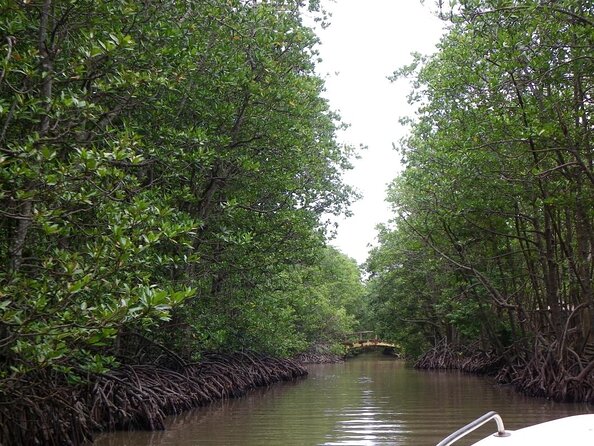
Can Gio Biosphere Reserve feels different from the usual city-to-beach day trip. The setting is mangrove forest and salt-marsh habitat, and the tour explains why that matters: this area was heavily hit during the Vietnam War, then regrew and became protected as a wilderness reserve and UNESCO-listed biosphere.
I like how the pacing keeps you moving. You start with water-based viewing at Vam Sat, then you climb for views at Tang Bong Tower, then you shift into the museum and mangrove park portion, and finally you take a canoe ride deeper into the forest on the way to Rung Sac Guerilla Base. It’s activity-packed without feeling rushed.
The tradeoff is tone. Expect both nature and war history to share the spotlight. If your goal is only birds and animals, you’ll still get them, but the story of how the forest was damaged—and why it’s alive again—will be part of the experience.
Pickup and the Road to Vam Sat Eco-Tourist Zone
You’ll start around 8:00 am with hotel pickup in Ho Chi Minh City center. The transportation is an air-conditioned minivan, which matters on a full-day outing in Vietnam’s heat. The drive is followed by a transfer to Dan Xay Bridge, where your first boat or canoe adventure begins.
That handoff—van to canoe—is one of the smartest design choices on this itinerary. You’re not spending your morning in a car. You’re transitioning into the waterways quickly, which sets the tone for the rest of the day.
The tour is built for a group size of up to 15 travelers, which keeps the experience more personal than the huge-bus style. It also makes it easier to hear the guide’s narration as you move between stops.
You can also read our reviews of more tours and experiences in Ho Chi Minh City
Bird Reserve, Crocodile Swamp, and the Bat Lagoon at Vam Sat
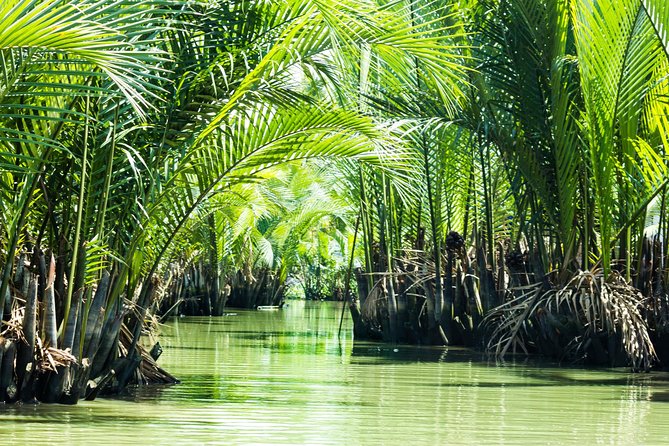
The first major block is at Vam Sat Ecological Tourist Zone, part of the Vam Sat salt-marsh forest ecological area located between the Vam Sat and Long Tau Rivers. The guide focuses on how the habitat supports wildlife after regrowth, so you get more than a sightseeing checklist.
The timing note is useful: the bird reserve is especially interesting in peak season from May to October, when nesting activity is more likely to be seen. Even if you’re traveling outside that window, this is still a strong stop because it’s designed around habitat observation rather than quick photo moments.
Here’s what the day sets up for you during this first water segment:
Bird nesting areas
You’ll head to a natural bird reserve and look for rare glimpses of exotic birds nesting. Nesting behavior is one of those things that can’t be forced. What you can control is being there when animals are most active, and the tour does that by targeting this specific ecological zone.
Crocodile swamp (and incubation details)
Next comes the crocodile swamp. This part can feel intense in an exciting way because you’re hearing fearsome facts from an expert naturalist guide and looking for reptiles in their natural habitat. The tour description also mentions a chance to see a newborn crocodile, plus explanation of incubation processes.
If you’re squeamish, it’s still outdoors and observational, but you should know this portion leans educational and direct.
Bat lagoon
Then you move to the bat lagoon, presented as the third wildlife stop of the morning. Bat-viewing can be unpredictable in the wild, but the tour places it into the schedule with the rest of the Vam Sat habitat viewing, so the whole segment stays coherent: birds, reptiles, then bats—three different ecological niches.

How the boat/canoe format changes the feel
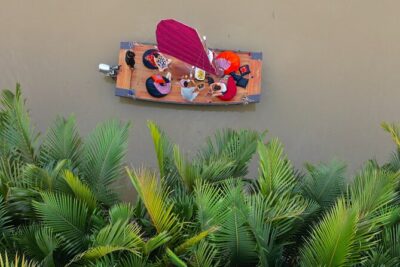
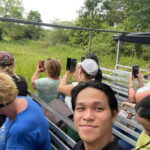
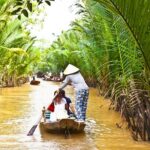
This tour uses canoe and boat time, not just walking trails. That gives you a quieter pace on the water and better angles for observing animals in mangrove and salt-marsh edges. It also means your morning is about seeing habitat, not just looking at it from one viewpoint.
Tang Bong Tower: Views Over Can Gio
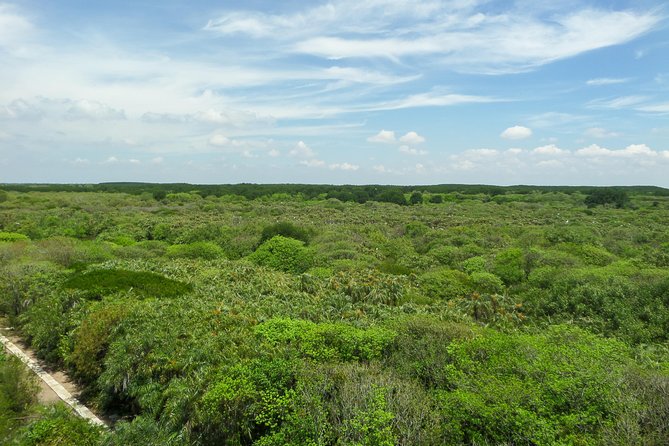
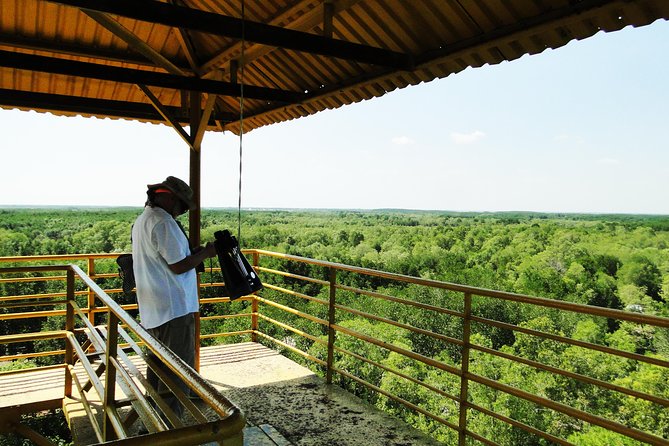
After the water-based wildlife portion, the itinerary shifts to a viewpoint: Tang Bong Tower. You’ll climb to the summit and get panoramic views from about 26 meters (85 feet) high.
This stop does two jobs. First, it gives you scale. Mangroves can look like a thick, confusing green mass from ground level. From a height, you start to understand waterways, forest patterns, and how the reserve is laid out. Second, it offers a break from constant movement. You’ll still walk and climb, but it’s not another long boat segment right away.
For photography, this is the most straightforward win on the day. Even if wildlife spotting is slower than you want, the tower gives you a clean reason to feel satisfied with the time spent here.
Lunch at a Local Restaurant and the Recovery Theme
Once you return from the tower, you’ll have lunch at a local Vietnamese restaurant. Lunch is included, along with bottled drinking water, which helps you stay comfortable during an 8-hour day.
What I find valuable here is how the tour structure reinforces the main idea behind Can Gio: an area chemically damaged during the Vietnam War that now supports thriving life. Lunch is the natural reset point. You go from birds and crocodiles, to views, and then to museum and forest interpretation. That order helps the history land without dragging the day into a single lecture mode.
Monkey Island, Can Gio Museum, and Mangrove Forest Fauna Conservation
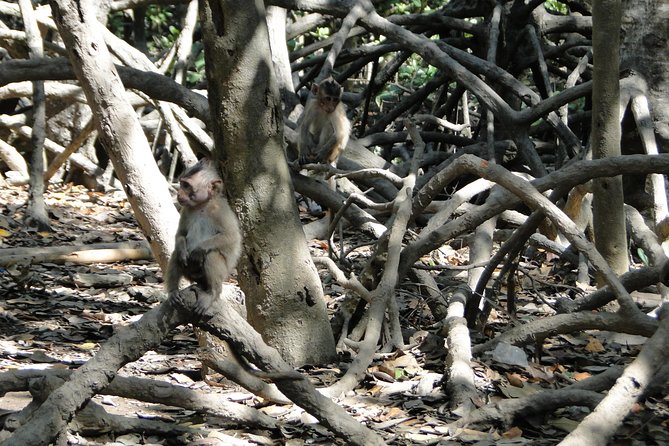
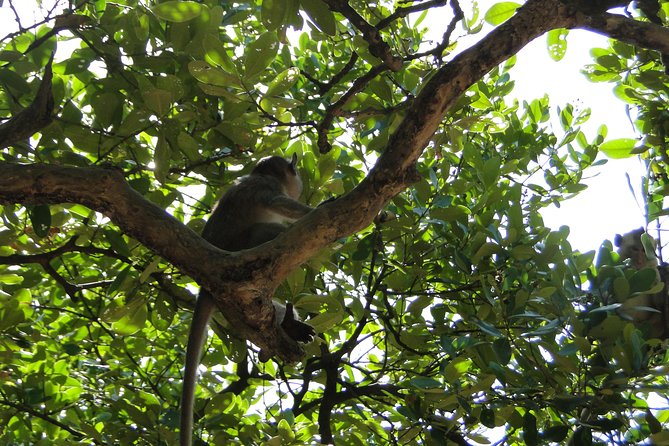
In the afternoon, you’ll head to Forest Park, better known as Monkey Island. Before you head fully into the forest conservation part, you’ll visit the Can Gio Museum and the Mangrove Forest Park Fauna Conservation area.
Can Gio Museum: biodiversity first
The museum portion is about what the reserve supports. You’ll learn about mangrove biodiversity and the number of species that live in this habitat. For me, this is what turns a wildlife day into a meaningful one. Without this context, monkeys and animals can feel random. With it, you start seeing the mangroves as a full ecosystem.
Mangrove Forest Park Fauna Conservation
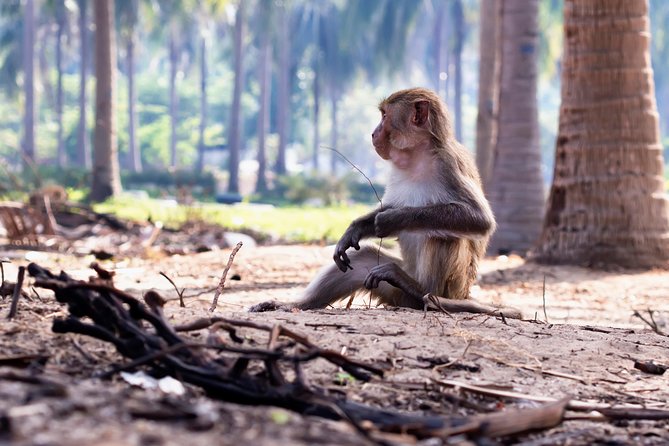
Then you’ll explore the conservation areas where wildlife is the focus. The tour description highlights thousands of monkeys and also mentions wildlife such as saltwater crocodiles and other animals like wild cats, pythons, and deer as you move through the thickets.
A realistic note: you’re in a forest park, not a controlled zoo. You may see plenty, or you may see fewer animals than you hoped, but the tour is designed to keep you in the areas where sightings are most likely.
Why this part works well for most people
Monkey Island is one of those names that makes people expect chaotic chaos. In practice, the value is that you combine monkey viewing with conservation education and habitat explanation. If your group includes both wildlife fans and history/bio-curious travelers, this part tends to satisfy both.
Canoeing Through the Mangroves to Rung Sac Guerilla Base
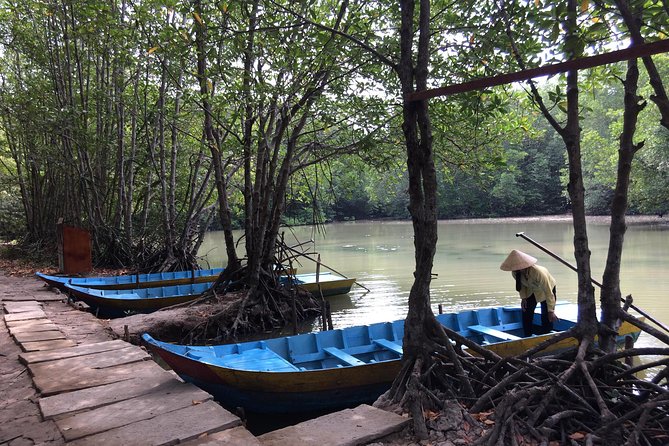
The final act is the most emotionally heavy. You’ll glide through the mangrove forest by canoe toward Rung Sac Guerilla Base. The guide explains the Vietnam War guerrillas who used the forest as hiding cover, and you’ll also hear how the forest was devastated by a chemical warfare attack in 1998.
This isn’t just a stop where you look at buildings. It’s framed as part of why the biosphere matters today. The mangrove ecosystem’s recovery becomes the quiet storyline underneath the historical one.
What to expect from the canoe ride here
By the time you reach the end of the day, you’ve already done earlier water time. This final canoe segment feels like the tour bringing it all together: habitat, animals, and the human story that shaped this place.
A built-in contrast
If you’re sensitive to war topics, this portion is something to go in knowing. The tour doesn’t pretend the past was harmless. At the same time, the way the day flows from wildlife viewing into recovery history makes the message feel more grounded than a standalone history lecture.
Price and Logistics: Is $169 Good Value?
At $169 per person, this tour isn’t cheap. But what you’re paying for isn’t just a bus ride.
Included items are substantial:
- Hotel pickup and drop-off in Ho Chi Minh City center
- English-speaking guides (other languages available with surcharge)
- Air-conditioned transportation
- Canoe and the necessary boat time for the wildlife segment
- Admission tickets tied to the stops
- Lunch plus bottled water
- Travel insurance
You also get a small-group size cap of 15 travelers, which can matter a lot on a day with multiple stops and wildlife narration.
My take: if you’re looking for a one-day package that covers transport, tickets, lunch, and multiple nature and museum stops without needing to plan segments yourself, this price can feel fair. If you’re the type who wants only animals and minimal history, then you’re paying for content you might not use.
When This Tour Shines (and When It Might Not)
This is a strong choice if you:
- Want an active day with canoe/boat time, not just walking
- Like seeing ecosystems as more than scenery, especially mangroves
- Appreciate that Can Gio is both a wildlife reserve and a history site
- Prefer small groups and an English guide
It may not be the best fit if you:
- Only want a nature-wildlife day with minimal war context
- Dislike learning about the Agent Orange-era impacts and 1998 chemical warfare effects
- Get impatient with museum time between wildlife stops
The honest middle path: you’ll get wildlife and you’ll get views, but the tour has a clear educational mission tied to recovery.
Quick Tips to Make the Day Easier
Because you’ll be on boats/canoes and spending time walking and climbing (including Tang Bong Tower), plan for comfort:
- Wear comfortable shoes with good grip
- Bring sun protection since you’ll be outdoors most of the day
- Bring a light layer if you tend to feel cold in air-conditioned transport
Also, bring a mindset that this is a full-day flow: wildlife, then viewpoint, then museum, then forest conservation, then historical interpretation.
Should You Book This Can Gio Tour?
If you’re visiting Ho Chi Minh City and want a full day that mixes mangrove wildlife with a serious look at how this landscape recovered, this tour is a solid pick. The itinerary is structured so you get multiple types of viewing: bird nesting, crocodiles, bats, monkeys, and a finale canoe ride tied to war history.
My recommendation comes down to your expectations. If you can handle history alongside animals, you’re likely to find the day worth it—because the experience isn’t one-note. It’s wildlife plus the why behind the reserve’s current life.
FAQ
How long is the Can Gio Mangrove Eco And Wildlife Discovery Tour?
The tour runs about 8 hours.
Does the tour include hotel pickup and drop-off?
Yes. Pickup and drop-off are included for hotels in Ho Chi Minh City center.
What time does the tour start?
The start time is 8:00 am.
What wildlife stops are included?
You’ll visit a bird reserve area, a crocodile swamp, a bat lagoon, and Monkey Island for monkey viewing, plus mangrove forest areas where additional wildlife is described.
Is Tang Bong Tower included?
Yes. You’ll ascend Tang Bong Tower and enjoy panoramic views from 85 feet (26 meters).
Is lunch included?
Yes. Lunch at a local restaurant is included.
What’s included in the price?
Hotel transfers, lunch, bottled drinking water, English-speaking guides (other languages available with surcharge), travel insurance, canoe, transportation with air-conditioning, and admission tickets.
How big is the group?
The tour has a maximum of 15 travelers.