REVIEW · HO CHI MINH CITY
Best of Private Ho Chi Minh City Shore Excursion from Cruise Port
Book on Viator →Operated by Maximus Travel Vietnam · Bookable on Viator
Saigon is a lot at once. This private shore excursion gives you the highlights with a guide and driver, so you can focus on the sights instead of the street math. You’ll hit major landmarks like Notre-Dame Cathedral, the War Remnants Museum, and Ben Thanh Market, plus you’ll work in Cholon (Saigon’s Chinatown) and a few quieter, more character-filled stops.
What I like most is the cruise port pickup with a name sign—it removes the usual stress when ships dock and everyone is herding. I also like that you get a true private setup: you can ask for small adjustments without losing the structure of a best-of route, and the included Vietnamese lunch keeps you from burning time searching for something that fits your schedule.
One consideration: this is a long day (about 8 to 12 hours), and traffic can be intense. The schedule moves quickly, so if you want slow wandering or lots of shopping time, you’ll need to plan your priorities before you leave the ship.
In This Review
- Key Things That Make This Shore Excursion Work So Well
- Cruise-Port Pickup That Actually Makes the Day Easy
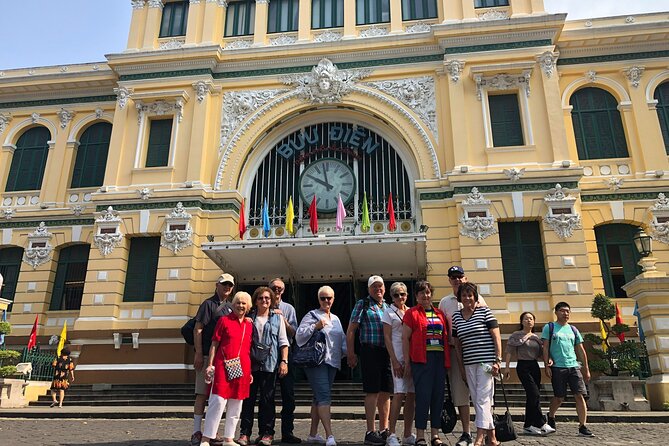
- Notre-Dame Cathedral, Central Post Office, and Saigon’s Colonial Core
- Saigon Notre-Dame Cathedral
- Saigon Central Post Office
- Independence Palace and the War Remnants Museum: Heavy Subjects, Clear Timing
- Independence Palace (1 hour 30 minutes total)
- War Remnants Museum (about 1 hour 30 minutes)
- People’s Committee Building and Saigon Opera House: Quick Looks With Big Payoff
- People’s Committee Building
- Saigon Opera House
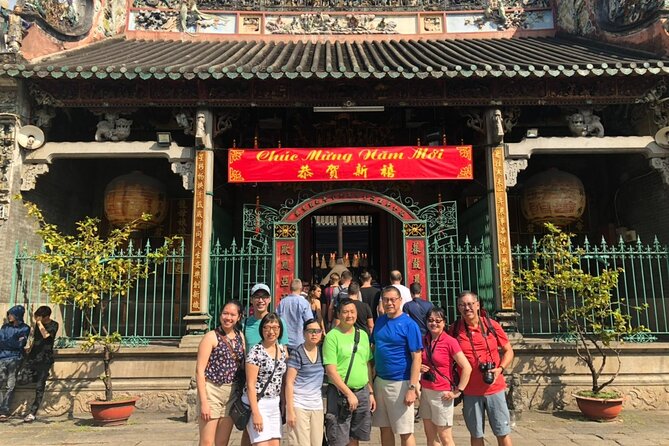
- Cholon Chinatown: Temples and Market Energy in Phố Tau Sai Gon
- Phố Tau Sai Gon (Chợ Lớn, District 5)
- Ba Thien Hau Temple
- Ben Thanh Market and Emperor Jade Pagoda: Shopping Plus Sacred Space
- Ben Thanh Market (about 45 minutes)
- Emperor Jade Pagoda (about 30 minutes)
- Secret Weapons Cellar: Short Stop, Specific Story
- How Saigon Traffic Affects Your Day (and How to Stay Sane)
- Price and Value: What You’re Really Paying For
- Who This Shore Excursion Fits Best
- Should You Book This Tour from Your Cruise Port?
- FAQ
- How long is this Ho Chi Minh City shore excursion?
- Do you get picked up directly from the cruise port?
- Is this tour private or shared with other groups?
- What does the tour include for meals and drinks?
- Which major attractions are covered?
- Are admission tickets included?
- What’s the cancellation policy?
Key Things That Make This Shore Excursion Work So Well
- Cruise-port pickup with a name sign cuts confusion at the gate and gets you rolling fast
- Private guide + private driver means you can tune the day to your pace and interests
- Major sights grouped smartly: French colonial buildings, war sites, and Cholon in one loop
- Lunch is built in (not a last-minute scramble), plus bottled water is included
- You get time for markets and temples—not just monuments on a checklist
- Free or included admissions for most stops help value and reduce wallet surprises
Cruise-Port Pickup That Actually Makes the Day Easy
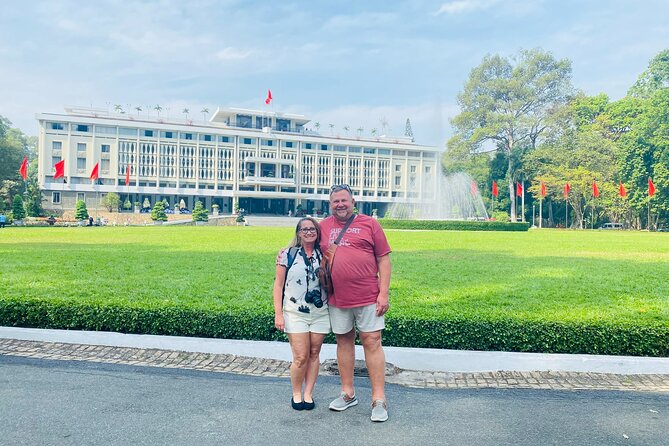
Saigon can feel chaotic even when you know the basics. The best part of this tour is the simple promise: you’ll be picked up and dropped off at the cruise port, with someone holding a sign so you can find the right vehicle. That matters a lot on shore days, when you’re balancing passport lines, dock crowds, and the ship’s timeline.
The vehicle is described as new and air-conditioned, which sounds basic until you’re sitting in traffic in Vietnam’s heat and humidity. You also get bottled water, and that little detail helps on a day when you’re doing repeated stops and walking through busy areas.
A lot of the feedback I’m drawing from centers on how guides manage the day with clear communication and strong organization. Names that came up include Sarah, Vincent, Aimond, Dorothy, Liam, Kain, Qui, Shane, and Nhu Y, and the common thread is that they explain what you’re seeing and keep the timing from slipping. If your guide is one of these, you’ll likely get a smooth, confident day.
You can also read our reviews of more boat tours in Ho Chi Minh City



Notre-Dame Cathedral, Central Post Office, and Saigon’s Colonial Core
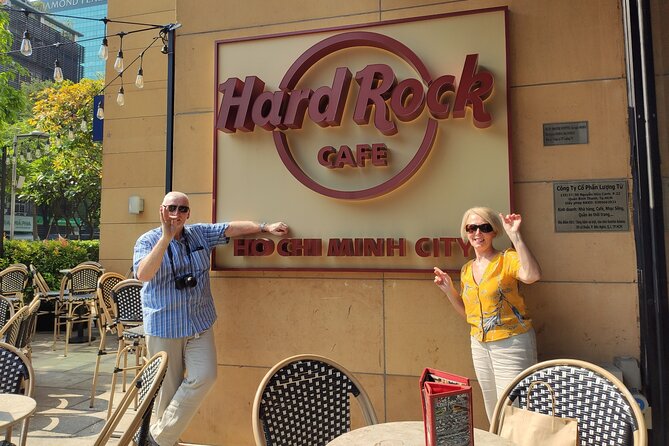
This tour starts with the big classic photos, and it does it in a smart order: you begin near Saigon Notre-Dame Cathedral and then walk to the Central Post Office. Even if you’ve seen pictures online, seeing them in person is different—these buildings were shaped by the French colonial era, and they still anchor the city’s central district.
Saigon Notre-Dame Cathedral
Built in the late 1880s by French colonists, it’s one of the remaining strongholds of Catholicism in a country where Buddhism is widely practiced. The location is also a plus: it sits in Paris Square, so the surrounding streets feel like you’ve stepped into a European-flavored pocket without actually leaving Vietnam.
Admission is listed as free here, so you won’t feel like you’re paying for a quick look. Plan for a short visit (about 30 minutes). It’s enough time to appreciate the architecture and get the photo without rushing past the rest of the day.
Saigon Central Post Office
Next door, the Central Post Office is considered one of Southeast Asia’s grandest colonial-era post offices, and it’s beautiful in a practical way. It’s not just an exterior stop—you can take in the interior design and the scale of the hall.
Again, admission is listed as free, and the stop is short (about 30 minutes). If you like old buildings that still function as something useful, this is the kind of place that clicks.
Independence Palace and the War Remnants Museum: Heavy Subjects, Clear Timing
Two stops here are where Saigon gets real, fast. Independence Palace (also called the Independence/ Reunification Palace) is included with admission, and the War Remnants Museum is another included-admission anchor. These are emotionally intense, and the best value of a guided day is not avoiding emotion—it’s understanding what you’re seeing without guessing.
You can also read our reviews of more city tours in Ho Chi Minh City


Independence Palace (1 hour 30 minutes total)
This is where Vietnamese history takes center stage. The site served as the base of General Ngo Dinh Diem until his death in 1963, and it became internationally known in 1975 due to major events tied to the end of the Vietnam War era. There’s also a tank associated with that turning point, which helps you connect the story to something visual.
You’ll have about 1 hour 30 minutes. That’s a good amount of time if you want to see key rooms without getting stuck for hours.
War Remnants Museum (about 1 hour 30 minutes)
The War Remnants Museum is described as the former Museum of American War Crimes, and it’s known for graphic imagery and photos. Expect it to be a shock, not a gentle history lesson.
This is the one stop where I strongly suggest you bring your own boundaries. If you’re sensitive to graphic material, you can still visit, but keep an eye on how your mind is handling it. With a private guide, you can also ask for context so the museum feels less like random photographs and more like a story.
One more scheduling note: this tour aims to hit the museum before heading deeper into the day’s other stops. That timing helps because your energy is usually higher early on.
People’s Committee Building and Saigon Opera House: Quick Looks With Big Payoff
Between the heavy history stops and the city’s market/temple neighborhoods, you’ll pass a few architectural highlights. These are shorter stops, and that’s by design—you’re spending time where it matters most.
People’s Committee Building
The People’s Committee Building is known for French colonial architecture set in a garden-like space. It’s listed as a free stop and only about 15 minutes.
This is a good breather. You get the feel of the city’s old power structures without losing momentum for markets and other key areas.
Saigon Opera House
The Opera House sits at the intersection of Le Loi and Dong Khoi Street, close to both Notre-Dame Cathedral and the Central Post Office. It’s described as an elegant colonial building, and it’s another free short stop (about 15 minutes).
If you’re trying to see the city’s central layout fast, this is efficient. If you’re the type who likes to linger, just remember your guide can sometimes adjust the pacing, but they still have to work around the ship schedule.
Cholon Chinatown: Temples and Market Energy in Phố Tau Sai Gon
Then you shift gears into Cholon, Saigon’s Chinatown area. The route here is interesting because you’re not just doing one market; you’re walking through a neighborhood with living cultural roots.
Phố Tau Sai Gon (Chợ Lớn, District 5)
Cholon is Vietnam’s largest Chinatown, with roots dating back to 1778, and this stop gives you a sense of that history. The stop is about 1 hour, and admission is listed as free.
This is where you start feeling the difference between “big landmark city” and “everyday neighborhood Saigon.” If you like street-level texture—signs, snacks, and people doing their routines—this is usually a favorite part.
Ba Thien Hau Temple
Next is the Ba Thien Hau Temple, dedicated to the sea goddess Mazu. The idea is that Mazu protects travelers at sea, and the temple is where that spiritual identity becomes visible through decorations and worship practices.
You’ll have about 30 minutes, and entry is listed as free.
This is a thoughtful contrast to the war museum. One is grief and political history; the other is belief and protection. Even if you don’t understand every detail, you’ll feel the difference in atmosphere.
Ben Thanh Market and Emperor Jade Pagoda: Shopping Plus Sacred Space
After Cholon, you get a more central mix: Ben Thanh Market and the Emperor Jade Pagoda. This combination works well because you can switch between commerce and quiet.
Ben Thanh Market (about 45 minutes)
Ben Thanh Market is a major District 1 shopping stop. You’ll see local handicrafts, branded goods, Vietnamese art, and souvenirs. There are also eating stalls inside the market, and the stop is about 45 minutes with free admission listed.
This is a practical time window. In that period, you can do a quick scan, pick up a few items, and still return to the street without burning your entire day chasing deals.
Tip: if you plan to shop, bring smaller bills or be ready to negotiate politely. Your guide can also help you understand what’s worth your time versus what’s mostly there for quick tourist sales.
Emperor Jade Pagoda (about 30 minutes)
The Emperor Jade Pagoda (also known as Phuoc Hai Tu) is listed as a Taoist, Buddhist, and Confucian pagoda in District 1. It’s about 30 minutes and listed as free.
This stop is great if you want one more cultural layer after the market chaos. The pagoda gives you a pause, and it fits the tour’s pattern: monuments, museums, neighborhood life, then a calmer sacred site.
Secret Weapons Cellar: Short Stop, Specific Story
The final featured historical stop is the Secret Weapons Cellar on Nguyen Dinh Chieu Street in District 3. Admission is listed as included, and the stop is about 30 minutes.
The phrasing around this stop points to a preserved bunker connected to the Biet Dong Sai Go operation. You won’t get a long lecture here, but you will get a sense of how clandestine warfare shaped parts of the city.
I like this stop because it adds variety. You’ve already seen broad war narratives at the War Remnants Museum, but this gives you something more focused and place-based.
How Saigon Traffic Affects Your Day (and How to Stay Sane)
This is where your guide and driver really matter. Multiple comments emphasize safe, skillful driving through congestion, plus guides who adjusted the plan so the day ends on time.
One review note I’m using as guidance: some days have involved about 1.5 hours each way to reach and return to the city area, and on at least one itinerary the team made it back with time to spare (about half an hour). That tells you the margin can be tight, so don’t plan on skipping key times and still expecting extra shopping later.
My practical advice:
- Decide your top 3 before you leave the ship. If you try to do everything, Saigon traffic will make that choice for you.
- Take the “short” stops seriously. The stops that feel quick are timed to prevent the day from collapsing.
- Ask your guide what’s most flexible. Because it’s private and customizable, you can often trade a bit of time from one area to another.
Price and Value: What You’re Really Paying For
The tour price is $115 per person, and it’s built around a full-day private setup. For many people, the real value isn’t just the sites—it’s the logistics protection: port pickup and drop-off, an air-conditioned vehicle, a private guide, included bottled water, and a traditional Vietnamese lunch.
Admissions are listed as free for multiple major stops (Notre-Dame Cathedral, Central Post Office, People’s Committee Building, Opera House, many of the temple/market stops), while Independence Palace, the War Remnants Museum, and the Secret Weapons Cellar are listed as admissions included. That mix keeps spending predictable compared to a self-planned day where you pay for tickets while also trying to solve the route.
The only cost you should expect is personal expenses (souvenirs, snacks beyond the included lunch, and any extra paid add-ons if your guide suggests them and you agree).
Also, if you’re traveling as a smaller group, the private format can feel like excellent value because the cost is spread across people who all want the same day.
Who This Shore Excursion Fits Best
This works best if you want the “best of Saigon” in one cruise day without the stress of navigating alone. It’s also ideal if you like a guide who can explain context—especially for the War Remnants Museum and Independence Palace—because these are places where understanding changes your experience.
It’s a good fit for:
- Families who want a structured route but don’t want a big group
- Couples who prefer private pace and fewer hassles
- History-minded visitors who still want markets and temples
- People who hate wasting time figuring out transport from a cruise port
If your goal is slow, deep wandering or a long shopping spree, you might find the pace brisk. In that case, you’ll want to tell your guide to protect time at Ben Thanh Market or skip one of the shorter architectural passes.
Should You Book This Tour from Your Cruise Port?
Yes, I’d book it if you’re docking in Ho Chi Minh City with limited shore time and you want maximum clarity. The combination of private guide, cruise-port pickup with a name sign, and a route that includes the major anchors plus Cholon makes this feel like a smart use of a single day.
I’d think twice if you get easily worn down by intense subjects (the War Remnants Museum has graphic imagery) or if you want an unhurried day with lots of independent detours. But for most cruise schedules, this is a solid, value-forward way to see Saigon without spending your energy on logistics.
FAQ
How long is this Ho Chi Minh City shore excursion?
It runs about 8 to 12 hours, depending on timing and how your day flows with traffic and your chosen pace.
Do you get picked up directly from the cruise port?
Yes. Port pickup and drop-off are included, and the meeting is organized so you can find the correct guide/vehicle using a sign.
Is this tour private or shared with other groups?
It’s private. Only your group participates.
What does the tour include for meals and drinks?
A Vietnamese traditional lunch is included, and bottled water is provided.
Which major attractions are covered?
You’ll visit a set of key sites such as Saigon Notre-Dame Cathedral, the Central Post Office, Independence Palace, the War Remnants Museum, Cholon areas like Phố Tau Sai Gon and Ba Thien Hau Temple, Ben Thanh Market, the Emperor Jade Pagoda, and the Secret Weapons Cellar.
Are admission tickets included?
Some admissions are listed as free (for several stops), while others are included admissions such as Independence Palace, the War Remnants Museum, and the Secret Weapons Cellar.
What’s the cancellation policy?
You can cancel for a full refund up to 24 hours before the experience starts. If you cancel within 24 hours, the amount paid isn’t refunded.