REVIEW · HO CHI MINH CITY
A Complete Vietnam Coffee Journey – The Unknown Giant
Book on GetYourGuide →Operated by Vietnam Coffee Journey - Day · Bookable on GetYourGuide
Vietnam’s coffee gets way easier to read. In 150 minutes at 40E Ngô Đức Kế, Quynh guides you through how Vietnamese coffee is built and why Robusta matters, with plenty of hands-on brewing.
I especially like the practical side: you’ll get tips you can actually use—how to adjust sweetness, strength, and the final texture to match your taste. The comparison between traditional and modern styles also helps you understand what you’re tasting, not just what it’s called.
One thing to consider: it’s not for kids under 16, and the accessibility notes are mixed, so if you use a wheelchair, message the host first and confirm what will work for you.
In This Review
- Key things to know before you go
- Vietnamese coffee is not just coffee, it’s a system
- The 40E Ngô Đức Kế meeting point and 150-minute flow
- Six drinks, one lesson each: what you’ll taste and learn
- Hands-on brewing: tools and technique that change the cup
- Traditional vs modern Vietnamese coffee: what changes, what stays
- Robusta in Vietnam: the bean behind the city’s coffee habit
- Quynh’s style: questions are part of the curriculum
- Price and value: is $30 for 2.5 hours worth it?
- Who should book this coffee journey (and who might look elsewhere)
- Should you book The Unknown Giant?
- FAQ
- How long is the Vietnam Coffee Journey?
- How much does it cost?
- How many people are in the group?
- What languages are offered?
- What’s included in the workshop?
- What snacks are included, and what choices do I have?
- Is this experience suitable for children?
- Is it wheelchair accessible?
Key things to know before you go
- You make and taste 6 Vietnamese coffee drinks, not just watch.
- Quynh leads in English and Vietnamese and encourages lots of questions.
- You’ll cover both traditional and modern brewing styles, with clear takeaways for your own cup.
- You get Robusta-focused perspective, including why it’s so important in Vietnam.
- Small group format (up to 6 people) keeps the pace friendly and hands-on.
- You start and finish at 40E Ngô Đức Kế, right in central Ho Chi Minh City.
Vietnamese coffee is not just coffee, it’s a system
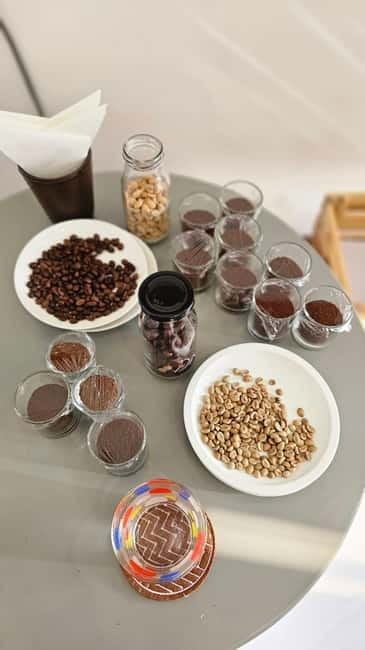
Vietnamese coffee works like a recipe book written by climate, trade, and habit. Once you know that most of the country’s coffee culture is built around strong flavor, sweetened drinks, and very specific brewing tools, the menu stops feeling random. It starts making sense.
In this workshop, I like that you’re not pushed toward one “correct” style. You’ll learn how Vietnamese coffee developed with Vietnamese life—what people reached for, how they served it, and why certain combinations (like condensed milk and chilled versions) became daily rituals. The goal isn’t fancy bragging. It’s understanding how the cup gets its personality.
And yes, the caffeine is part of the point. You’ll leave feeling like you actually earned your coffee buzz, not just paid for it.
You can also read our reviews of more tours and experiences in Ho Chi Minh City.

The 40E Ngô Đức Kế meeting point and 150-minute flow
The experience runs 150 minutes and stays in one central spot: you meet at 40E Ngô Đức Kế and return there at the end. That matters because it keeps the session focused. You’re not spending half the time figuring out where you’re going—you’re building your coffee map.
This is a small group with a limit of 6 participants, so you’re not lost in a crowd. You’ll get space to ask questions, handle the tools, and make the drinks yourself. The host works in English and Vietnamese, which helps if you have coffee questions that don’t fit neatly into a simple script.
For timing, think of it as a “workshop meal” for your brain. You’ll start with history and structure, then move into hands-on making and tasting, then wrap with tips on adjusting what you like.
Six drinks, one lesson each: what you’ll taste and learn
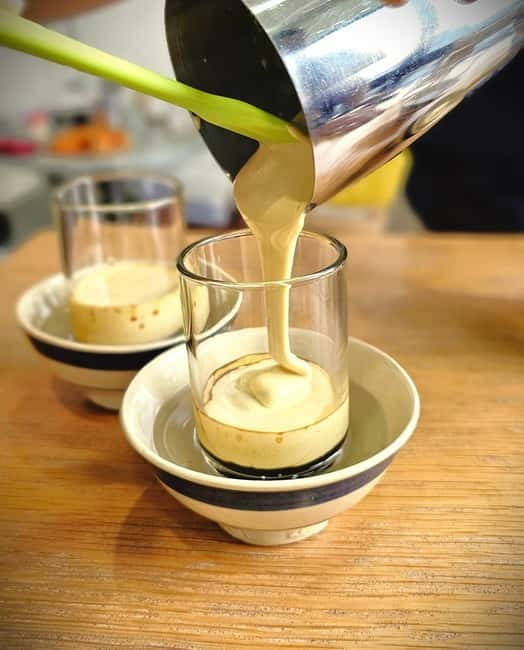
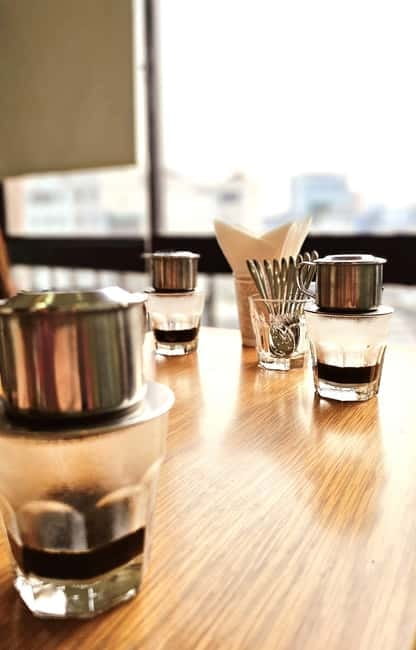
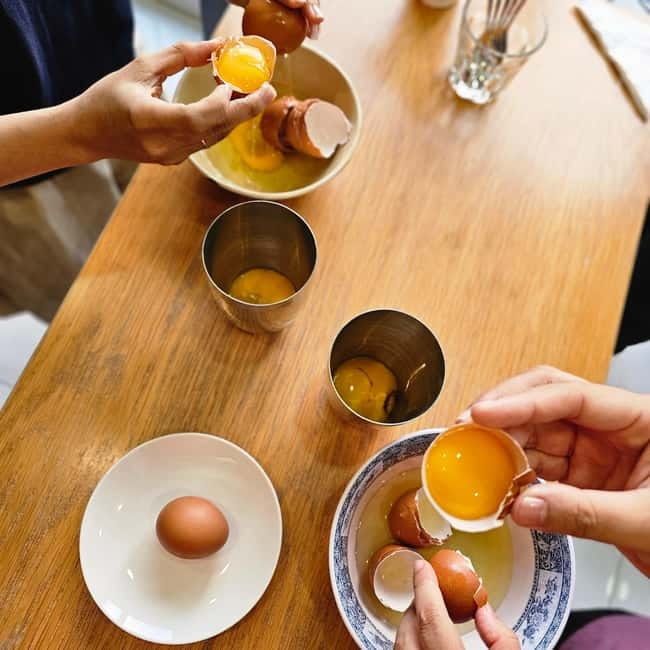
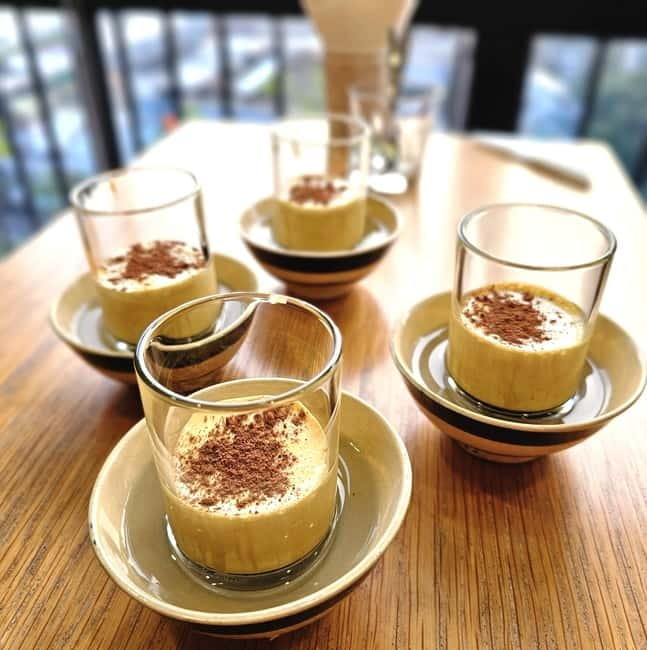
You’ll make and try 6 different coffee drinks, and each one connects to a bigger theme in Vietnamese coffee culture. Some of the flavors you should expect include coconut, condensed milk, salt, and egg (yes, egg coffee is really a thing here). That lineup is a smart way to show variety without turning it into a random tasting parade.
Here’s how to think about the drinks while you’re doing them:
- Sweetness and texture are the headline. Condensed milk and serving styles shape the body of the drink as much as the coffee itself.
- Salt and egg show the creative side. They’re not “extra,” they’re part of how Vietnamese cafés balance flavors and mouthfeel.
- Coconut brings a local twist. It helps you see that Vietnamese coffee isn’t one-note; it adapts to what’s available and what people enjoy.
You also get a snack of your choice alongside the caffeine—options include local bánh mì (with vegetarian or halal choices), croissant, or fresh fruits. That choice is practical. It gives you something to ground the sweetness of the drinks and helps you pace your tasting without feeling stuffed.
If you’re the kind of person who asks why a restaurant serves coffee the way it does, this is the kind of session where your questions will actually get answered.
Hands-on brewing: tools and technique that change the cup
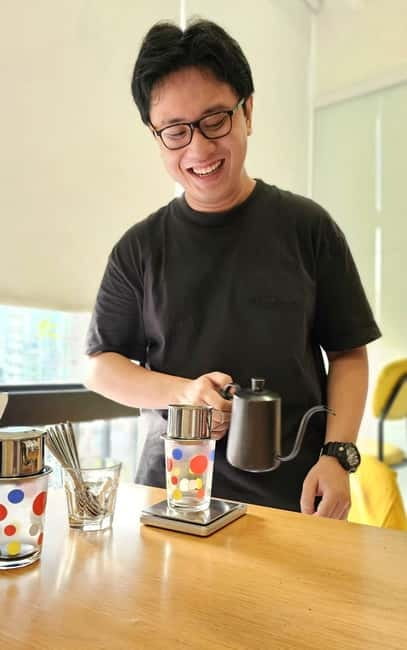
The hands-on part is the real value here. This isn’t a passive class where you watch someone else work and then leave with vague inspiration. You’ll make coffee drinks, and you’ll learn how the brewing methods and instruments affect flavor in a more logical way.
Here’s the difference this type of workshop can make for you: instead of thinking, I like this drink, you start thinking, I liked it because of X. For Vietnamese coffee, X often comes down to things like extraction strength, cooling or serving temperature, and how syrupy sweetness interacts with coffee bitterness.
You’ll also get tips and recipes for brewing or adjusting the drinks to match your taste. That’s important because Vietnamese cafés often aim for a very specific profile—strong, sweet, sometimes creamy, often served chilled. Your preference might be different. The workshop gives you the adjustment knobs, not just the final product.
One more smart detail: the host explains the “how” in a way that connects to what you’re doing scientifically, not just because tradition says so. You’ll still enjoy the story, but you’ll also understand why the story exists.
Traditional vs modern Vietnamese coffee: what changes, what stays
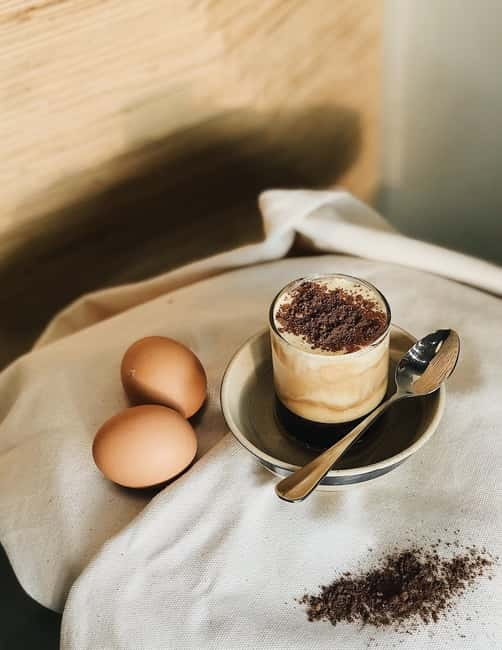
You’ll compare traditional and modern styles, and this is where things can click fast.
Traditional Vietnamese coffee culture tends to rely on distinctive tools and habits: how the coffee is brewed, how it’s sweetened, and how it’s served. Modern versions may shift the method, presentation, or ingredients, but the core coffee character and Vietnamese flavor preferences remain. Learning both sides helps you spot why some newer cafés feel different without being foreign to the original idea.
To make this useful, the session isn’t framed as a roast battle between old and new. It’s framed as a set of cause-and-effect outcomes. If you like one style better, you’ll be able to say why—and what technique caused that difference.
If you’re a coffee person who likes to taste first and then reverse-engineer, this section will feel like someone handed you the answer key.


Robusta in Vietnam: the bean behind the city’s coffee habit
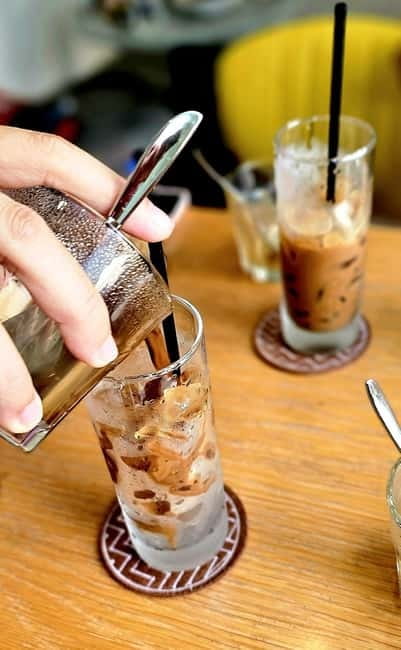
Vietnam is famous for Robusta, and the workshop treats it like a key character, not an afterthought. You’ll learn why Robusta matters for Vietnamese coffee—how it shows up in everyday drinks, how it affects flavor strength, and what it means for the wider culture of cafés and morning routines.
This perspective changes how you think about your own preferences. Many coffee drinkers arrive expecting that the best cup must follow one narrow model (often espresso-centric, often single-origin-centric). Robusta-focused explanation flips that assumption. It makes the Vietnamese approach feel less like a detour and more like a valid coffee philosophy built around what the country grows and how people want their daily caffeine.
And because the session includes tasting comparisons, it’s not just theory. You’ll be able to connect what you learn to what you taste.
Quynh’s style: questions are part of the curriculum
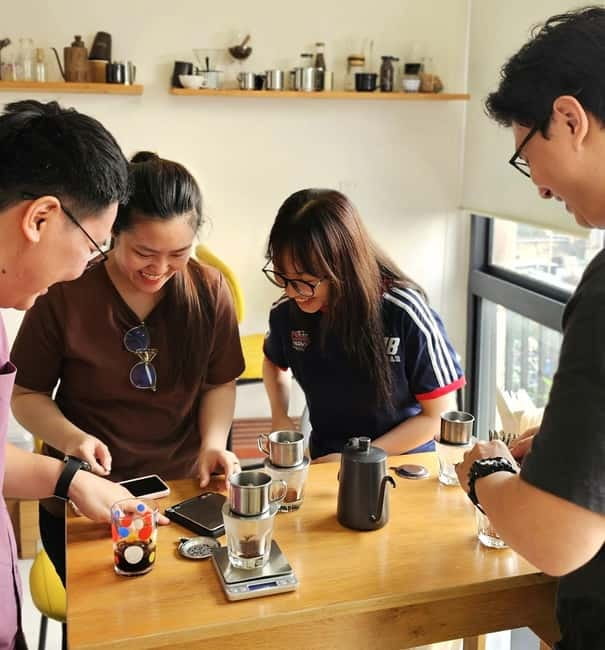
The host in this experience is Quynh, and the way the session is run is a big reason people leave happy. Quynh’s English is strong, and the format encourages lots of questions—coffee questions, but also questions that spill into culture and everyday life.
That might sound minor, but it changes the whole experience. You don’t have to pretend you understand everything. If you’re confused about a drink, a tool, or an ingredient like egg coffee, you can ask. If you want to know how Vietnamese brewing compares to what you already drink back home, you can ask that too.
When a host treats questions as normal, you get more than information—you get clarity.
Price and value: is $30 for 2.5 hours worth it?
At $30 per person for 150 minutes, the pricing makes sense when you look at the full package:
- 6 coffee drinks that you’ll make and taste
- a snack included (bánh mì variants, croissant, or fresh fruits)
- live hosting by Quynh in English and Vietnamese
- hands-on brewing, not just observation
- small group size (up to 6 people)
In plain terms, you’re paying for access to the tools, the guidance, and the chance to learn the logic behind Vietnamese coffee. If you normally pay for coffee and snacks in Ho Chi Minh City, you can spend that money quickly. This turns it from casual consumption into a structured tasting-and-learning session.
Also, the value is not only the number of drinks. It’s the take-home adjustment tips—how to tweak strength and sweetness for your own palate. That’s the sort of thing you can use long after your glass is gone.
Who should book this coffee journey (and who might look elsewhere)
This is a great match if you’re:
- A coffee fan who wants to understand why Vietnamese coffee tastes the way it does
- Curious about Robusta and how it shapes Vietnam’s café culture
- Someone who likes hands-on experiences more than lectures
- Traveling with a friend or solo and want a small group format
It’s not suitable for children under 16, so if you’re traveling with younger kids, you’ll need a different activity.
If you use a wheelchair, check first. The information provided says wheelchair accessible, but it also lists wheelchair users as not suitable. That contradiction is exactly the kind of situation where a quick message to the host is worth it, so you don’t show up with mismatched expectations.
If you already know you want more than one coffee session, the host also offers other formats, including a shorter 1.5-hour experience focused on 3 iconic drinks across North, Central, and South Vietnam, and a 4-hour city tour that tracks coffee through the city using an electric tuktuk (minimum 2 guests). Those can be smart follow-ups if you fall in love with Vietnamese coffee during this 2.5-hour workshop.
Should you book The Unknown Giant?
Yes—if you like coffee and you want something practical, not just a sweet tasting tour.
Book it when you want hands-on brewing, a Robusta-focused perspective, and explanations that connect brewing tools to flavor. Quynh’s question-friendly style makes it feel less like a scripted show and more like a guided coffee conversation with structure.
Skip it if you’re looking for something child-friendly, or if you have mobility needs and you haven’t confirmed the setup with the provider.
If your goal is to leave Saigon not just caffeinated, but with a real understanding you can use—this is the kind of experience that pays off fast.
FAQ
How long is the Vietnam Coffee Journey?
The experience lasts 150 minutes.
How much does it cost?
It costs $30 per person.
How many people are in the group?
The group is limited to 6 participants.
What languages are offered?
The live tour guide provides English and Vietnamese.
What’s included in the workshop?
You’ll get 6 different coffee drinks, plus hands-on making and tasting. A live guide is included.
What snacks are included, and what choices do I have?
You can choose a snack, including local bánh mì (vegetarian or halal options), croissant, or fresh fruits.
Is this experience suitable for children?
No. It’s not suitable for children under 16.
Is it wheelchair accessible?
The notes include wheelchair accessible, but it also states it is not suitable for wheelchair users. If you have mobility needs, it’s best to contact the host before booking to confirm what will work for you.