REVIEW · HO CHI MINH CITY
10-day Small-Group Vietnam Highlight Tour
Book on Viator →Operated by Ginkgo Voyage · Bookable on Viator
Vietnam, organized into 10 vivid days. This small-group tour takes care of hotels, transport, and key entry fees, so you can focus on the places that matter for first-timers. I like how the route connects the country’s big contrasts fast, from wartime history in Ho Chi Minh City to royal-era Vietnam in Hue, then on to Hanoi and Halong Bay.
What I really like is the mix of hands-on access and guided context. You get an English-speaking guide and time at major sights like the Cu Chi Tunnels and the Temple of Literature, plus real local textures at places such as Ben Tre in the Mekong Delta. One consideration: the schedule is full—by design—so you’ll want to be comfortable with early starts and a lot of moving days.
In This Review
- Key things that make this tour worth your time
- Why this 10-day Vietnam plan feels smart for first-timers
- Landing in Ho Chi Minh City: war stories and classic architecture
- Cu Chi Tunnels: the day you’ll talk about for years
- Reunification Palace and the War Remnants Museum: history with a point of view
- Notre Dame Cathedral and Old Central Post Office: a calmer finish
- Mekong Delta day in Ben Tre: boat, bikes, and small workshops
- From Danang to Hoi An, then Hue’s Imperial City
- Imperial Citadel (Hue): when power was planned in stone
- Tu Duc Mausoleum: calm surroundings with careful design
- Thien Mu Pagoda by Perfume River, plus Minh Mang’s tomb
- Hanoi’s big names: Long Bien, Ho Chi Minh, culture museums, and Hoa Lo Prison
- Long Bien Bridge and the local morning
- Ho Chi Minh Mausoleum and Temple of Literature
- Vietnam Museum of Ethnology: a visual lesson in Vietnam’s diversity
- Hoa Lo Prison and the Old Quarter: heavy history then street-level Vietnam
- Halong Bay cruise: boat time plus Luon Cave by sampan
- Price and logistics: what you’re paying for (and what you still need to plan)
- Who this tour suits best
- Should you book this Vietnam highlight tour?
- FAQ
- How many travelers are in the group?
- Where does the tour start and end?
- Are hotels and breakfast included?
- What transportation is included between regions?
- Is the Mekong Delta boat ride included?
- What will I do in Halong Bay?
- Are entrance fees included?
- Is the tour refundable?
Key things that make this tour worth your time
- Max 15 travelers: you keep the small-group feel without feeling like you’re stuck in a crowd.
- Mekong Delta boat + cycling in Ben Tre: workshops, canals, and a slow sampan ride rather than just photos from a bus.
- Cu Chi Tunnels with specific stops: includes the documentary, the forest walk, Hoang Cam smoke-less stove area, and a crawl through narrow passages.
- Hue with boat + tombs: a Perfume River boat trip to Thien Mu Pagoda plus visits to Tu Duc and Minh Mang’s mausoleums.
- Hanoi’s major sites in one sweep: Long Bien Bridge, Ho Chi Minh Mausoleum, Temple of Literature, Museum of Ethnology, Hoa Lo Prison, and the Old Quarter.
- Halong Bay by boat with Luon Cave: you’ll be out on the water, then take a sampan for the Luon Cave visit.
Why this 10-day Vietnam plan feels smart for first-timers
If Vietnam is your first trip, you need two things: an efficient route and a guide who can translate what you’re seeing into something you’ll remember. This tour is built for exactly that. You’re not spending vacation time hunting hotels, arranging buses, or figuring out which sites are worth your one limited day.
You also get a practical travel rhythm. There’s a mix of city history, river life, and major landscapes. Ho Chi Minh City gives you the wartime and colonial-era landmarks. Hue adds the royal story. Hanoi brings the cultural institutions. Then Halong Bay offers the “wow” natural scenery—so the trip doesn’t feel like a checklist of monuments.
And the small-group size matters. With up to 15 people, the guide can actually manage questions and pacing. It’s the kind of group size where you can still hear what’s going on, not just watch people stream past you.
You can also read our reviews of more tours and experiences in Ho Chi Minh City.

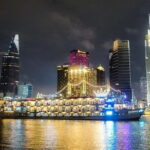
Landing in Ho Chi Minh City: war stories and classic architecture
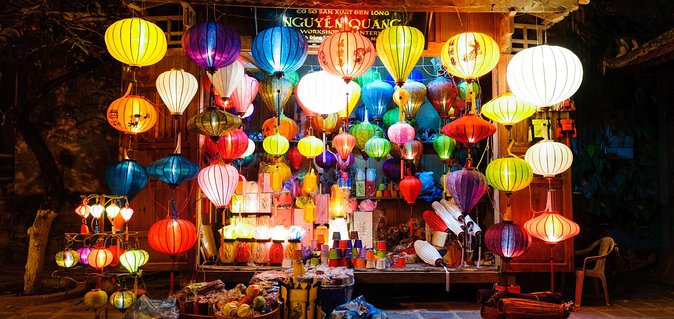
Your trip starts in Ho Chi Minh City, with an arrival transfer from Tan Son Nhat International Airport to your hotel. That first handoff is genuinely valuable. Vietnam travel is easy, but doing it all by yourself—especially right after an international flight—adds stress you don’t need.
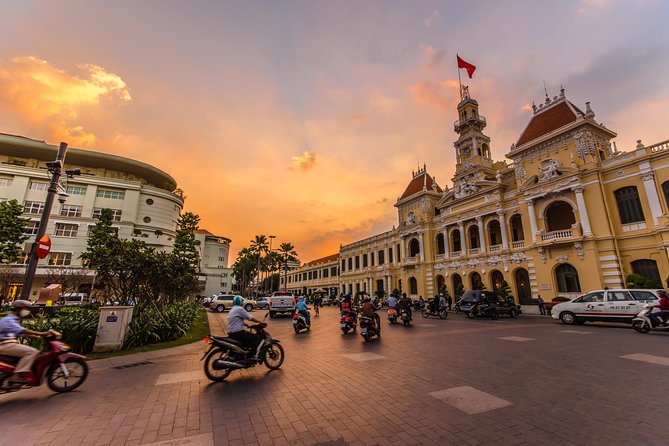
Then the city hits you with sharp contrasts. On one side you have places tied to the Vietnam War and its aftermath. On the other side you have French-colonial architecture you can still see today, including Notre Dame Cathedral and the Old Central Post Office area.
The best part is that the day doesn’t only tell you that the war happened. It shows you pieces of it in a way that’s hard to shake.
Cu Chi Tunnels: the day you’ll talk about for years
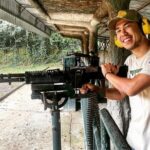
The Cu Chi Tunnels day is one of the most intense experiences on this route. You start with a drive out to the tunnel area, then watch a documentary video that sets the scene. From there, you go into the forest area and move through a guided walk that covers key parts of the tunnel system.
What makes this visit more than just a quick stop is the sequence of stops you’re taken to. You’ll visit the Hoang Cam smoke-less stove area, look at secret hideouts and fighting bunkers, and learn about dangerous booby traps and tanks. Then you enter the “common parts” of the tunnels and crawl through narrow passageways yourself.
You should treat this as an active experience, not a sit-down museum visit. Wear comfortable clothes and shoes you don’t mind getting dusty. If you don’t like tight spaces, be honest with your guide before you enter the tunnels so you can plan how you’ll experience it.
And yes, the day includes a simple local touch: you taste typical boiled tapioca and tea. It’s not a gourmet meal, but it feels real—like a pause between heavy history and more history.
Reunification Palace and the War Remnants Museum: history with a point of view
After Cu Chi, you move back into the city for three major sites. The Reunification Palace is tied to April 30, 1975, when tank number 843 of the North Vietnamese Army crashed through the gates to mark the end of the American War. The guide’s storytelling here is what turns the building into something more than a backdrop.
Next is the War Remnants Museum. You’ll see war machinery, weapons, artifacts, and documentation, plus a photograph exhibition dedicated to journalists who perished during the conflict. This museum is the kind that stays with you because it doesn’t just show objects—it places them in a human context.
If your goal is to understand Vietnam beyond surface-level travel photos, these stops deliver. Just go in with the mindset that it’s serious material, and you might not want to speed through it.
Notre Dame Cathedral and Old Central Post Office: a calmer finish
The Central Post Office stop, paired with the cathedral area, gives your brain a breather. It’s classical old Saigon architecture with a strong colonial-era look. This isn’t meant to compete with the war sites emotionally—it’s more like a reset button before you head deeper into the countryside and other regions of the country.


Mekong Delta day in Ben Tre: boat, bikes, and small workshops
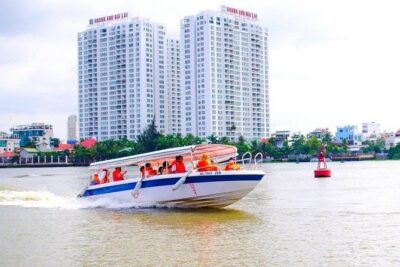
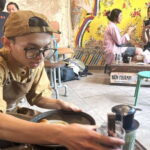
The Mekong Delta portion is built for variety. You head to Ben Tre, board a small boat to see typical workplaces, and then get a cycling tour to explore nearby fields. After that, you board a sampan for a quieter cruise along the canals.
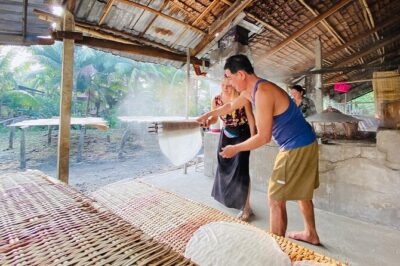
This is the part of Vietnam where “getting out of the city” becomes more than a change of scenery. You get to see hands-on production and daily life—brick factories, coconut processing, and a local mat-weaving house. It’s not just scenery; it’s a look at livelihoods tied to water and raw materials.
Then the pace slows. The canal cruise by sampan is one of those experiences that helps you re-attach to the idea that Vietnam has seasons, rhythms, and local routines—not just landmark days.
Practical note: bring light layers and a hat. You’ll be moving outdoors in the heat, and the day is long enough that you’ll appreciate simple comfort.
From Danang to Hoi An, then Hue’s Imperial City
After the Mekong Delta day, you transfer to Tan Son Nhat Airport and fly to Danang. From there, you continue on to Hoi An. Even though your time in Hoi An is mainly a transfer in this plan, it’s a useful connection point: Hoi An’s trading-port heritage in the 17th and 18th centuries shapes the town’s look and slow feel.
Then you head to Hue and begin the royal story in earnest with visits tied to the Nguyen Dynasty.
Imperial Citadel (Hue): when power was planned in stone
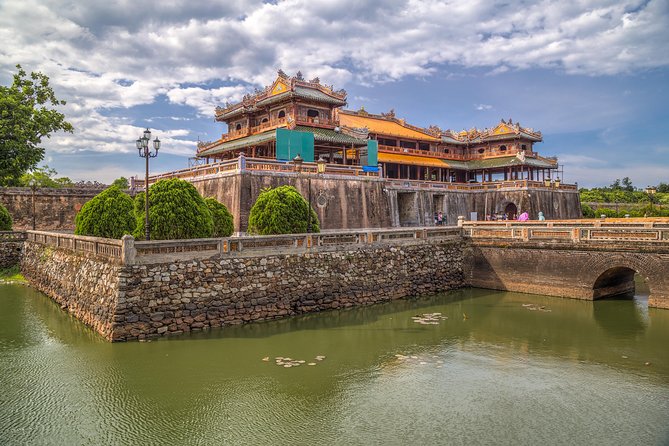
In Hue, you visit the Imperial Citadel, the seat of the Nguyen Dynasty that ruled from 1802 to 1945. The guide framing matters here. You’re not only seeing walls and gates—you’re understanding how a dynastic system was organized through space, architecture, and ceremony.
If you like big-picture history but want it to feel physical, this site is a good fit. Plan for walking and uneven surfaces in historical grounds.
Tu Duc Mausoleum: calm surroundings with careful design
Next you visit the Tomb of Tu Duc. The experience centers on the traditional styles of architecture and the tomb’s surroundings, with a peaceful atmosphere. This is where the trip shifts from political power to the quieter craft of memorial design.
If you want a moment of stillness in an otherwise fast-moving tour, this is a great place to slow down.
Thien Mu Pagoda by Perfume River, plus Minh Mang’s tomb
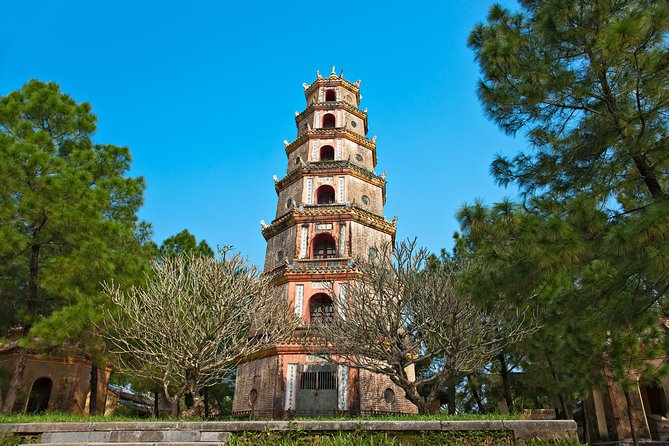
Hue doesn’t just mean citadels and mausoleums. You also get a religious and scenic moment built around the Perfume River.
You take a boat trip on the Perfume River to Thien Mu Pagoda, Hue’s best-known religious site and described as the oldest pagoda in Hue. The boat ride adds a calm, scenic layer that makes the day feel less like you’re only walking through history.
After that, you visit the Mausoleum of Emperor Minh Mang. You’ll spend time admiring its unique architecture and enjoy it as another expression of how rulers shaped Vietnam through design.
Then you fly from Hue Airport to Hanoi, turning your journey from central Vietnam’s river valleys to the north’s cultural capital.
Hanoi’s big names: Long Bien, Ho Chi Minh, culture museums, and Hoa Lo Prison
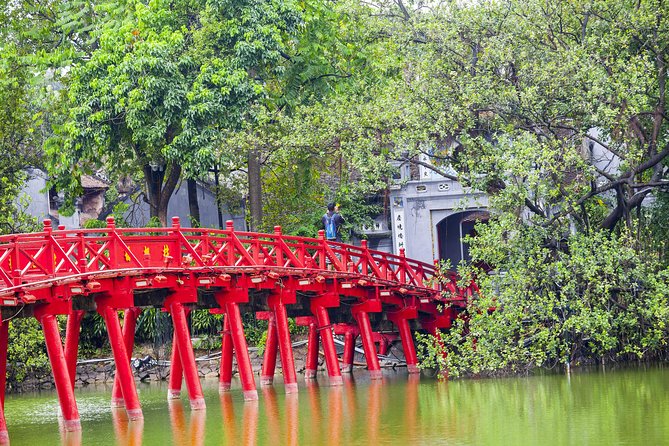
Hanoi is where this tour feels especially efficient. You get major landmarks in a single run, with time built in for several different kinds of sites: political memory, education history, cultural diversity, and prison history.
Long Bien Bridge and the local morning
You start with a morning pickup and travel around Hanoi, including a local market where you can observe daily life. Then comes Long Bien Bridge—formerly the Paul Doumer Bridge—an engineering accomplishment from the French colonial era. During the Vietnam War, it became a symbol of Hanoi’s resistance to relentless US bombing.
This stop works because it teaches you to look at infrastructure like it has meaning. A bridge isn’t just a bridge here—it’s part of history.
Ho Chi Minh Mausoleum and Temple of Literature
Next you visit the Ho Chi Minh Mausoleum and the stilt house garden, where Ho Chi Minh lived off and on from 1958 to 1969. After that, you go to the Temple of Literature & National University, the first university in Vietnam where worship was offered to Confucius.
The guide’s explanation of Confucian influences on social morals and culture is the key. It helps you understand why a place like this functioned as more than a school.
Vietnam Museum of Ethnology: a visual lesson in Vietnam’s diversity
The Vietnam Museum of Ethnology is one of the strongest “thinking pauses” on the tour. You’ll see a collection gathered from throughout Vietnam, with an astounding 15,000 artifacts showcased.
Even if you’re not a museum person, this stop helps you make sense of Vietnam as more than one dominant culture. It’s also a good day reset because you’re inside for a while, away from the street noise.
Hoa Lo Prison and the Old Quarter: heavy history then street-level Vietnam
Hoa Lo Prison Relic is intense. You’ll see how French authorities tortured political prisoners, and you’ll also learn about Vietnamese political prisoners’ efforts there. The museum also references American pilots shot down between 1964 and 1973, including the nickname Hanoi Hilton Hotel, and mentions Senator McCain’s detention until 1973.
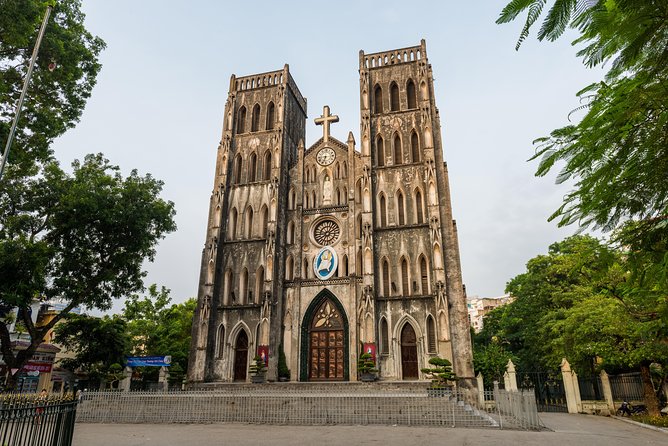
Then you switch gears to the Old Quarter. You’ll explore with a cyclo ride (a traditional three-wheeled bicycle taxi) and move through the famed 36 Streets area near Hoan Kiem Lake, Dong Xuan Market, St. Joseph’s Cathedral, and the Hanoi Opera House.
This pairing works: after a difficult history stop, you end the day in the living city. You’ll see landmarks, feel the neighborhood pace, and get your bearings fast.
Halong Bay cruise: boat time plus Luon Cave by sampan
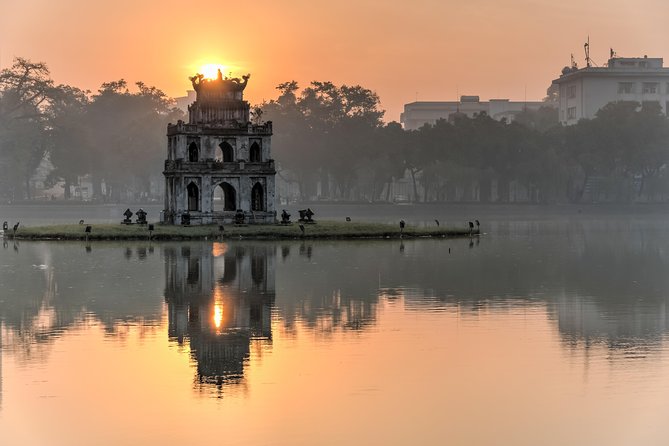
Halong Bay is the scenic reward you’ve been working toward. You depart Hanoi early, travel through the countryside, then head out on a boat for an exploration of the bay. The time on the water is long enough—about 8 hours—that it doesn’t feel like a quick photo stop.
You’ll have breakfast served onboard, then continue cruising around the bay. After that, you take a sampan to visit Luon Cave and return to the boat before heading back to Hanoi for an overnight stay.
Two practical thoughts: bring sunscreen and plan for wind on the water. Even if it feels mild on the mainland, the bay can change how the day feels. And if you’re prone to motion sickness, consider preparing ahead since you’ll be on a boat for a chunk of the day.
Price and logistics: what you’re paying for (and what you still need to plan)
The price is $1,374.36 per person for about 10 days, and that number matters because this tour is doing a lot inside the fixed package.
Here’s what your money covers, based on what’s listed:
- Twin-bed hotel accommodation and daily breakfast
- Meals as specified in the program
- All stated transfers and sightseeing by private air-conditioned transportation
- Domestic flights (Ho Chi Minh City to Danang, and Hue to Hanoi)
- Boat in the Mekong Delta
- English-speaking guide
- 1 bottle (500ml) of mineral water per person per day
- Entrance fees as indicated in the program
- A mobile ticket
Value-wise, the biggest savings aren’t just “time saved.” They’re the friction saved: you don’t have to juggle hotel locations across multiple regions, and you don’t have to coordinate intercity transport while dealing with a language barrier.
What’s not included is also important:
- Visa fees (if required)
- International flights to and from Vietnam and airport taxes
- Meals and drinks not specified
- Personal expenses
- Tips
So this tour is a strong fit if you want Vietnam to feel organized and guided. If you like total DIY freedom and building your own route, you might find a more flexible travel style better. But if you want to start and end with less stress, the package does that job.
Who this tour suits best
This is ideal for you if:
- You’re seeing Vietnam for the first time and want a route that covers major regions
- You like a guide telling you what you’re looking at, not just dropping you near sights
- You prefer small-group logistics over independent chaos
- You want a mix of history, culture, and scenery without planning every day yourself
It may be less ideal if:
- You hate fast pacing and want lots of free time in each city
- You’re highly sensitive to tight spaces, since the Cu Chi crawl is part of the experience
Also, the tour runs with a maximum of 15 travelers and aims to keep the trip smooth with private transfers. That’s usually a good sign for comfort and attention.
Should you book this Vietnam highlight tour?
Yes—if you want a practical introduction to Vietnam with minimal planning and strong guided stops. The route hits the big emotional beats (Cu Chi Tunnels, War Remnants Museum, Hoa Lo Prison) and balances them with lighter pacing in the Mekong and on the water in Halong Bay.
One added confidence boost: a recent booking note from Barr highlighted that the tour partner, Ginkgo Voyage, handled an arrival delay and helped reorganize to keep the schedule on track. That kind of responsiveness matters when travel flights don’t cooperate.
If your main goal is to see a lot, with guides and transport handled, this tour is a solid bet.
FAQ
How many travelers are in the group?
The maximum group size is 15 travelers.
Where does the tour start and end?
It starts in Ho Chi Minh City, with the meeting point tied to Tan Son Nhat International Airport. It ends with a transfer to Noi Bai Airport, depending on your departure flight.
Are hotels and breakfast included?
Yes. You get hotel accommodation in a twin-bed sharing room with daily breakfast.
What transportation is included between regions?
The tour includes domestic flights (Ho Chi Minh City to Danang, and Hue to Hanoi) plus overland transportation and transfers by private air-conditioned vehicles.
Is the Mekong Delta boat ride included?
Yes. A boat ride on the Mekong Delta is included, along with activities in Ben Tre.
What will I do in Halong Bay?
You’ll take a boat on Halong Bay for about 8 hours, have breakfast onboard, continue cruising, and then visit Luon Cave by sampan before returning to Hanoi.
Are entrance fees included?
Entrance fees are included as indicated in the program, along with an English-speaking guide.
Is the tour refundable?
No. The experience is non-refundable and cannot be changed for any reason.