REVIEW · CU CHI TUNNELS
Cu Chi Tunnels and Saigon City Private Tour
Book on GetYourGuide →Operated by Vn biketour · Bookable on GetYourGuide
Few places hit like the Cu Chi tunnels.
This private day pairs the claustrophobic reality of the Cu Chi Tunnels with Saigon’s standout colonial landmarks, so you get both the war story and the city’s architecture in one smooth route. I especially liked how the tunnel visit is structured with a short documentary first, then hands-on crawling through the narrow passages, and I also really enjoyed the balance of history plus food, including the wartime snack of boiled tapioca with hot pandan tea. One thing to consider: the tunnel section involves tight, low spaces, so if you get anxious in enclosed areas, plan accordingly.
After the drive back to Saigon, the tour keeps moving with big-name stops you’d otherwise spend hours piecing together on your own. You’ll roll past agricultural and jungle scenery en route to Cu Chi, then spend the afternoon with an English-speaking guide who can explain what you’re seeing while still letting you steer choices like visiting the War Remnants Museum or Reunification Palace. The biggest drawback is simply that it’s an full day, and you’ll be on the move from morning pickup through about 5 PM.
In This Review
- Key things to know before you go
- From Saigon to Cu Chi: the drive that sets the tone
- Watching the Cu Chi film, then stepping into the tunnels
- The wartime snack: boiled tapioca and hot pandan tea
- Lunch and pacing: when a war tour still feels human
- Saigon by private car: colonial architecture you can actually see up close
- War Remnants Museum or Reunification Palace: choose the emotional angle
- Jade Emperor Pagoda: faith, fertility, and everyday prayer
- Ben Thanh Market: fruit tasting and people-watching
- Price and value: what $108 includes, and what that means in real life
- Practical tips for a smooth day (and comfortable tunnels)
- Should you book this Cu Chi Tunnels and Saigon City private tour?
- FAQ
- How long is the Cu Chi Tunnels and Saigon City private tour?
- What time does the tour usually start and end?
- Do I get pickup and drop-off in Saigon?
- What do I do at Cu Chi during the tour?
- What food is included in the tour?
- Which Saigon attraction will I visit after Cu Chi?
- What languages are available for the guide and audio?
Key things to know before you go
- Tunnel time is real: you watch a short film, then crawl through narrow tunnels dug by hand.
- Food is part of the lesson: you’ll taste boiled tapioca and hot pandan tea, like locals ate during the war.
- Private car, hotel pickup/drop-off: easier logistics across Cu Chi and central Saigon.
- Major Saigon landmarks: Notre Dame Cathedral and Saigon Central Post Office are front and center.
- Two war-history choices: you can go to the War Remnants Museum or stop at Reunification Palace.
- Ben Thanh Market for real-world taste: fresh seasonal fruits and a chance to chat with local sellers.
From Saigon to Cu Chi: the drive that sets the tone
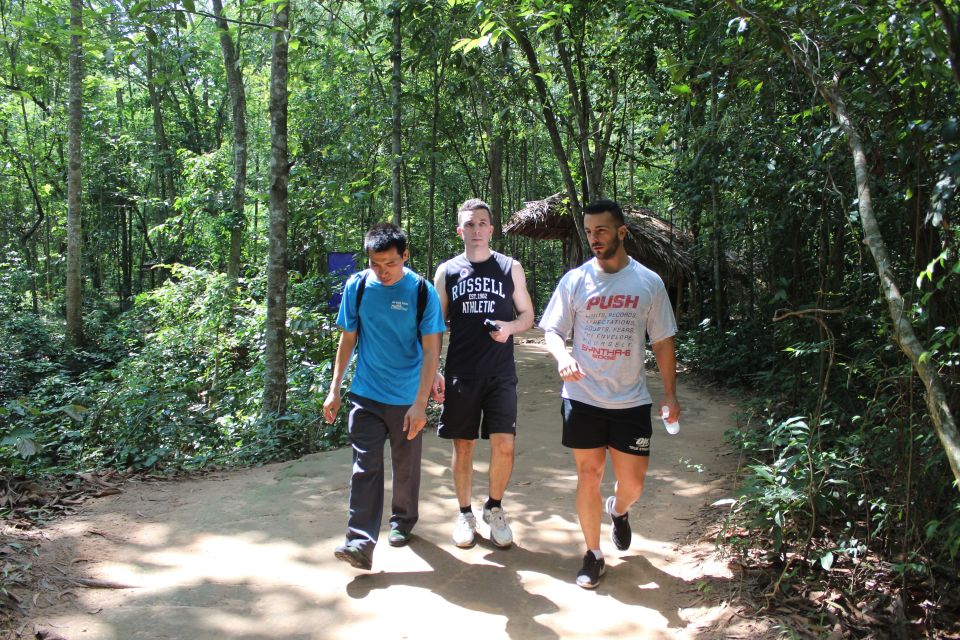
The day starts with convenient pickup from your Saigon hotel, then you head out by air-conditioned private car toward Cu Chi. On the way, you’ll see agricultural areas and jungle scenery, which matters more than you might think. It helps you understand the setting where the tunnels were built and used, rather than treating Cu Chi like a random roadside attraction.
This part of the route also gives you time to get oriented with your guide. Your guide is English-speaking (with additional live-guide language options such as Chinese, French, and Japanese), so you’re not stuck guessing at what you’re looking at. It’s a private setup, so you can ask questions as they come up without waiting for a group.
Plan to keep your day comfortable. You’ll be traveling and then walking, and later the schedule stays busy with multiple Saigon stops. Wear comfortable shoes and be ready for uneven ground and steps near entrances and exhibits.
You can also read our reviews of more city tours in Cu Chi Tunnels

Watching the Cu Chi film, then stepping into the tunnels
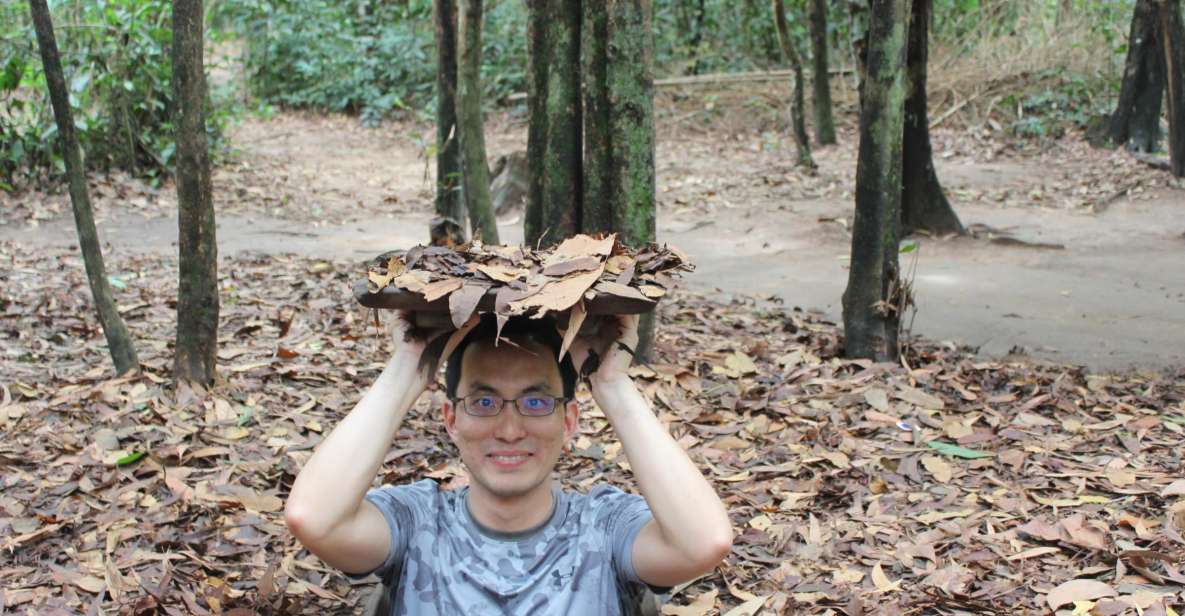
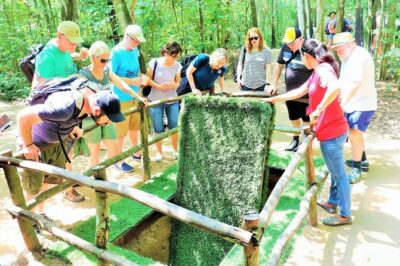
At Cu Chi, the experience starts with a short documentary film about Cu Chi during the war. I like this sequence because it gives you a mental map before you get physical. Instead of crawling in blind, you understand the idea behind the tunnels and why they were built.
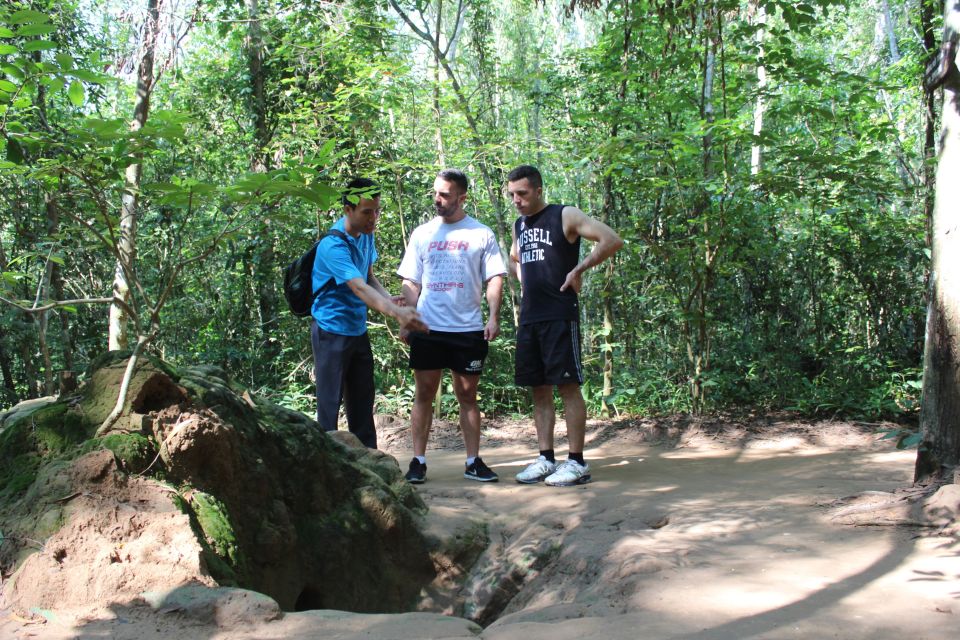
Then you move to the tunnel network itself. This is where the tour earns its reputation: you’ll discover the incredible system of tunnels dug out by hand, learn about the history and weapons used during the war, and then crawl through narrow sections. It’s hands-on, and it’s physical. Your guide helps explain what you’re seeing while you’re in it, so you’re not just following signs.
Here’s the key practical consideration: the tunnels are narrow and low, and you should expect crawling rather than walking. You’ll want to bring a calm, flexible mindset. If you don’t like enclosed spaces, you might still get a lot from the film and surface exhibits, but the crawl is the centerpiece, so think about your comfort level early.
The wartime snack: boiled tapioca and hot pandan tea
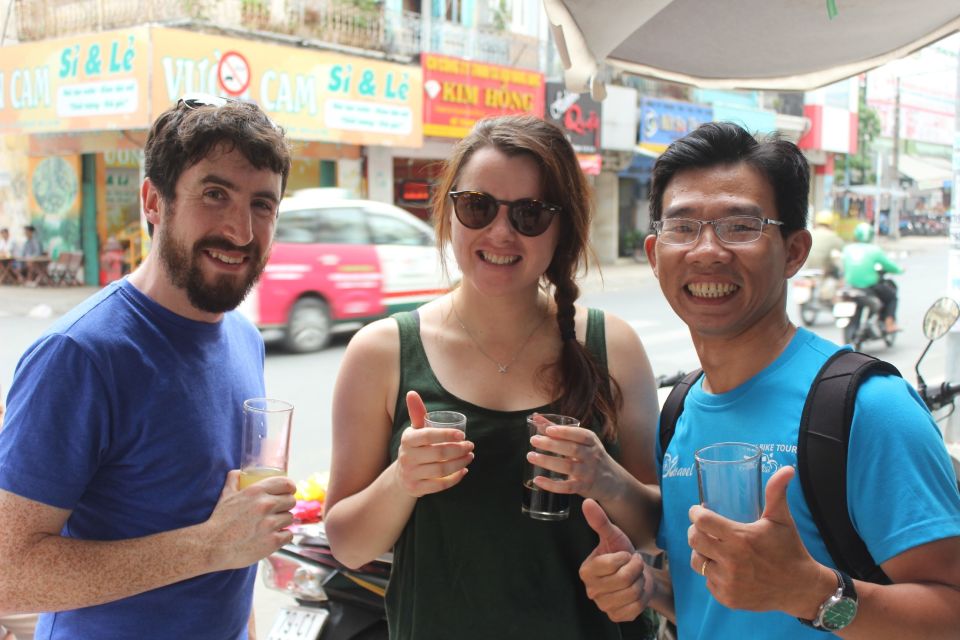
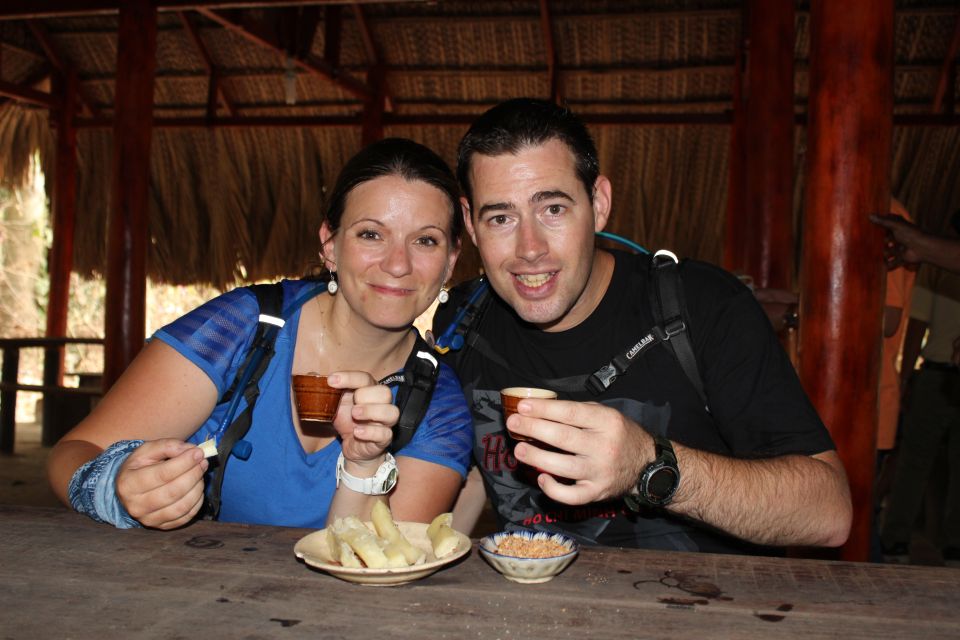
One of the most memorable parts isn’t visual at all. During the Cu Chi portion, you’ll taste the main dish eaten by locals during wartime: boiled tapioca served with hot pandan tea. It’s a simple meal, but it connects the tunnel story to daily survival. You’re tasting something that’s framed as part of the wartime routine, not just a tourist plate.
You also get a light snack of tapioca and tea as part of the day. This is the kind of detail that helps a private tour feel more grounded. Instead of jumping stop-to-stop, you get a small sensory break that reinforces what you’re learning.
If you’re curious about Vietnamese flavors, pandan tea is a good introduction. It’s warm, fragrant, and straightforward, which makes it an easy hit even if you don’t normally seek out tea-based snacks.
Lunch and pacing: when a war tour still feels human
After the tunnel time, you’ll have lunch included. One of the nicest notes about this experience is that the lunch location is described as beautiful, which matters because Cu Chi can feel heavy and intense. A decent setting gives your day a breather, and it helps you recover before the Saigon museum and architecture stops.
Your lunch is included in the tour price, and you’ll also have bottled water during the day. That may sound basic, but it’s worth calling out. Long museum-and-city days go better when you don’t have to track your own water and meal plans.
The pacing is built for an 8-hour total day. You’ll be active, then you’ll slow down at the major Saigon sites, and you’ll end with Ben Thanh Market energy. If you prefer a slower experience, the private guide format is helpful because you can communicate what you care about most.
Saigon by private car: colonial architecture you can actually see up close
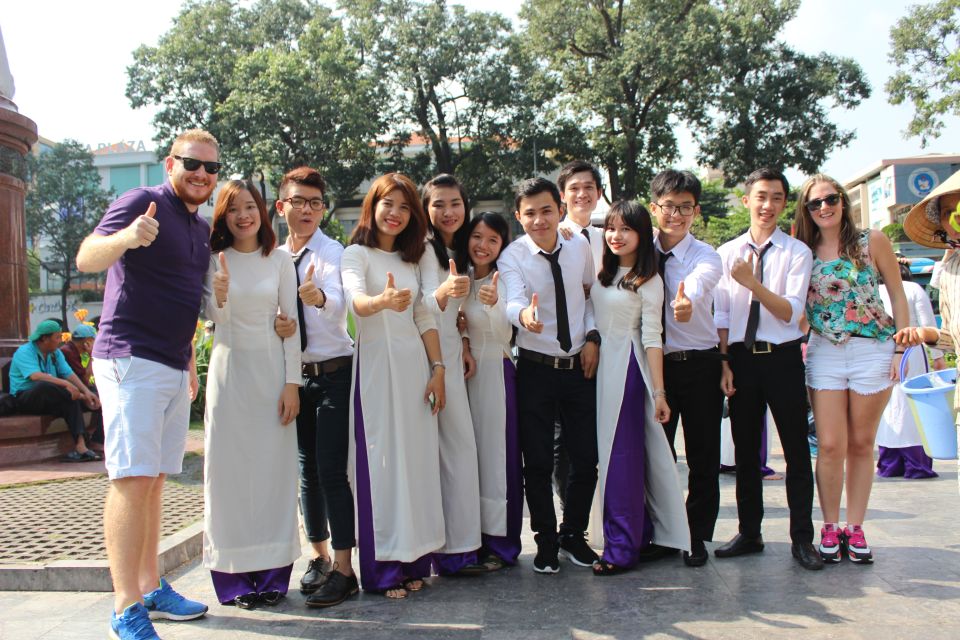
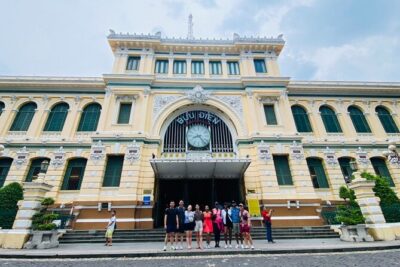
Once back in Saigon, the tour shifts from war geography to city design. You visit major landmarks tied to Saigon’s architectural identity, including Notre Dame Cathedral and Saigon Central Post Office. These are French colonial-style sights, and it’s a treat to see them in a planned order rather than as random photo stops.
What I like about adding these specific buildings is that they anchor your understanding of the city. War history can make a place feel only tragic, but architecture tells another story too: how the city looked, how power was represented, and how people moved through public space.
Because you’re on a private tour with an English-speaking guide, you can ask questions about details you notice. Maybe it’s the building facades, the materials, or the overall layout. The guide’s job is to connect those observations to history without turning it into a lecture you can’t keep up with.

War Remnants Museum or Reunification Palace: choose the emotional angle
A highlight of this tour is that you can choose between two major history stops. You’ll visit the War Remnants Museum to learn more about the American war in Vietnam, or you can take the option to stop at Reunification Palace, which is known for its history and architecture values in Saigon.
Which one fits you better? If you want a museum-style look at evidence and interpretation, the War Remnants Museum is the direct route. If you prefer seeing history expressed through preserved space and architecture, the Reunification Palace option can feel more tangible.
Either way, expect a serious tone. These are not light sightseeing stops. Your guide’s explanations help you process what you’re seeing so it feels educational rather than overwhelming.
Also, this is where the private aspect shines. One note tied to the experience is that the guide listens to your wishes. So if you have a strong preference between museum vs palace, tell your guide early and you’ll be guided toward the best fit.
Jade Emperor Pagoda: faith, fertility, and everyday prayer
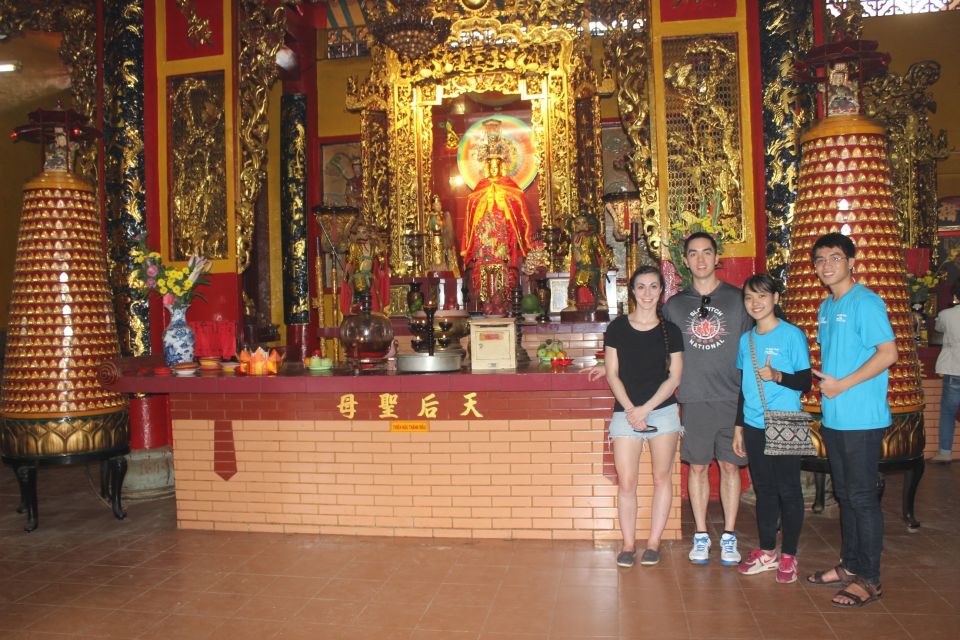
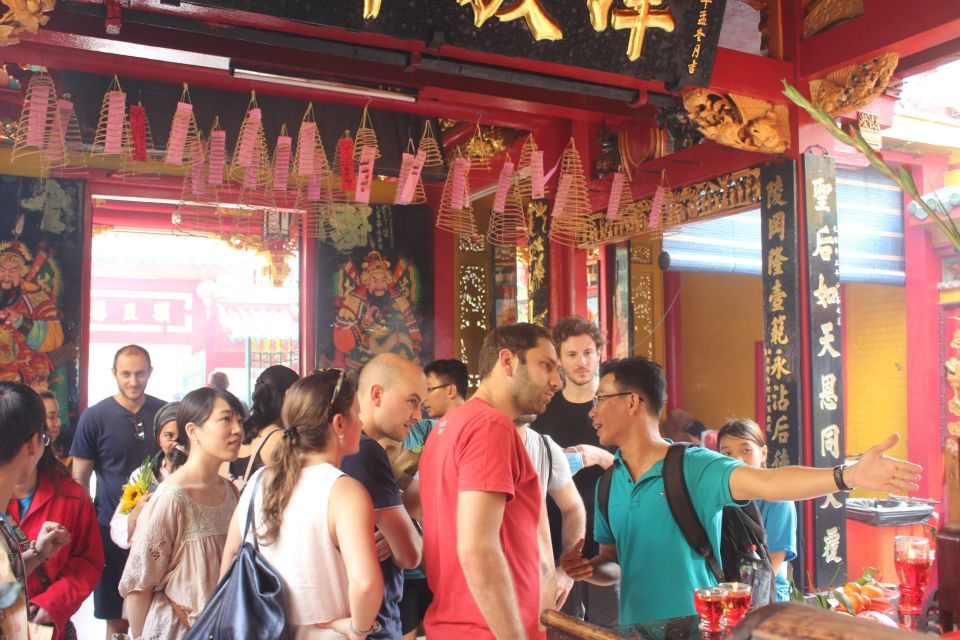
After the war-focused stops, you’ll move to a more spiritual, local side of Saigon at the Jade Emperor (King of Heaven) Pagoda. This is described as a spiritual place where local Vietnamese and Chinese people pray for fertility and love.
I like this stop because it changes the rhythm of the day. You go from heavy history into a place where belief is practiced openly and casually, right alongside daily life. The guide can help frame what you’re seeing so you understand that the rituals aren’t just decorative for visitors.
Even if you’re not religious, it’s worth treating this as a cultural window. Watch how people participate, notice the atmosphere, and keep your behavior respectful. It’s one of the few stops in Saigon that feels like you’re stepping into lived tradition rather than sightseeing.
Ben Thanh Market: fruit tasting and people-watching
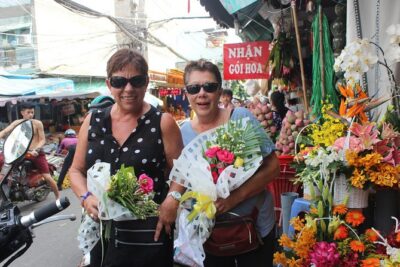
To wrap up the city portion, you’ll visit Ben Thanh Market, one of the most famous markets in Saigon. This stop is included for a good reason: it’s where the day turns outward, toward everyday commerce and local tastes.
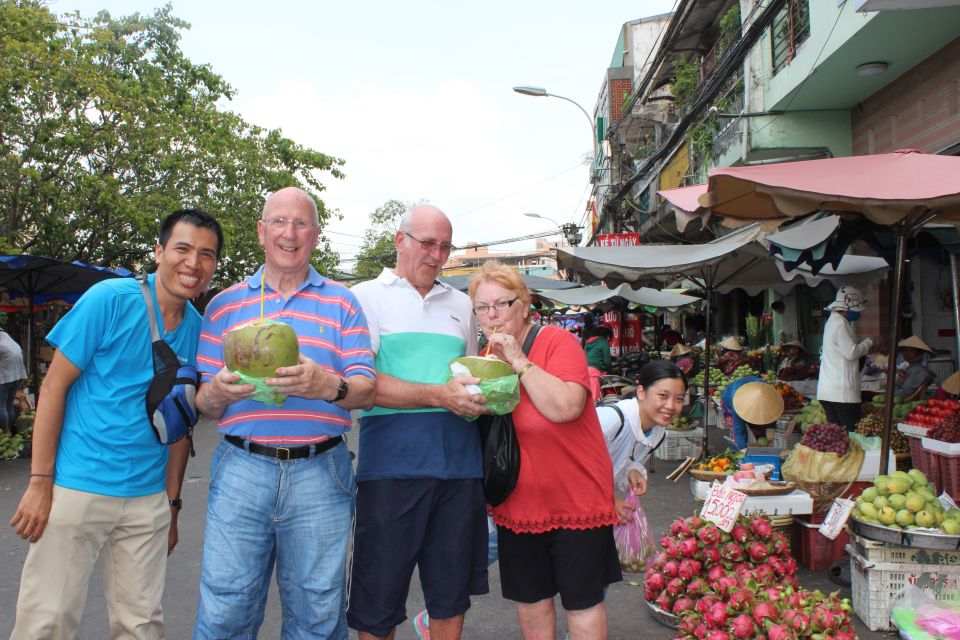
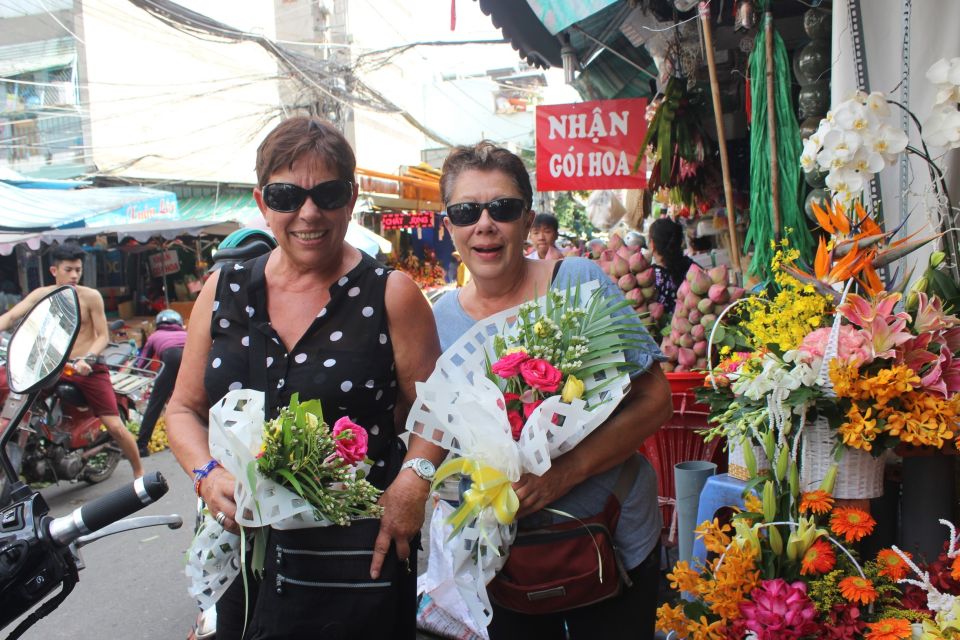
You’ll have a chance to try fresh seasonal fruits and meet friendly local sellers. In my view, this is exactly the right kind of market visit for a packed schedule. You’re not wandering endlessly; you’re sampling, looking, and getting a feel for what people actually buy.
If you want souvenirs, you’ll likely find plenty around the market area, but the key value here is food and conversation. A private guide can also help you understand what to look for without turning it into a stressful bargaining session.
Price and value: what $108 includes, and what that means in real life
At $108 per person for about 8 hours, this tour can feel like a fair price when you look at what’s included. You’re paying for a private air-conditioned car, English-speaking guide, free pickup and drop-off in Saigon, plus entrance fees. Then there’s food: lunch and a light snack of tapioca and tea, and you also get tropical fruits at the market.
That combination is the big value play. If you tried to recreate this day on your own, you’d likely spend money (and time) on separate transport, tickets, and guide coordination. Here, it’s bundled so you’re not managing logistics while you’re trying to enjoy the day.
Two cost notes to keep on your radar:
- There’s a 30% surcharge on the Lunar New Year holiday dates listed (8.2.2023 to 13.2.2023). If your trip overlaps that window, confirm the final price.
- The experience is noted as reserve now & pay later, which can reduce risk if you’re still finalizing your schedule.
If you’re the kind of traveler who likes structure and clarity, the private format is often worth paying for. You get ticket-line skipping too, which helps keep momentum when you’re moving through multiple major stops.
Practical tips for a smooth day (and comfortable tunnels)
A few practical points will make the day easier:
- Bring comfortable shoes. You’ll crawl in tunnels and also walk through Saigon sites afterward.
- Expect a long day. The private tour starts normally around 8 AM and ends around 5 PM, with pick-up time flexible because it’s private.
- Plan your expectations for Cu Chi. The narrow tunnels mean you’re not just observing; you’re participating.
- No pets are allowed. If you’re traveling with an animal, plan separate arrangements.
- You’ll get a skip-the-ticket-line benefit, which helps you spend time where it counts.
- Languages: live guide can be Chinese, English, French, or Japanese, and there’s also an audio guide included in those languages.
One more small thing: this is a serious history day. If you’re sensitive to war themes, go in with a clear head. The tour doesn’t sugarcoat the subject, and that honesty is part of why the experience has a strong educational feel.
Should you book this Cu Chi Tunnels and Saigon City private tour?
Book it if you want a high-impact day that mixes underground war history with the visible history of Saigon’s buildings. The tunnel portion is the centerpiece, and it’s the part people most praise for being fascinating and unforgettable. Add in the included lunch and the wartime snack of tapioca with pandan tea, and you get an experience that’s about more than photos.
I’d also recommend it if you like the idea of a guide who listens and adjusts to your preferences, especially if you’re deciding between the War Remnants Museum and Reunification Palace. Private car pickup and drop-off help you keep your day tight and stress-free.
Skip or rethink booking if you strongly dislike crawling in tight, narrow spaces. The tunnels are the main event, so comfort there matters more than anything else. If you’re unsure, you can still enjoy the film and guided history, but the crawl is central enough that your body needs to be on board.
If you fit the audience—history-minded, curious about Saigon, and okay with a full day—this tour is a solid value for a coordinated, guided itinerary.
FAQ
How long is the Cu Chi Tunnels and Saigon City private tour?
The tour lasts about 8 hours, depending on your starting time.
What time does the tour usually start and end?
Pickup is flexible because it’s private, but it normally starts at 8 AM and ends around 5 PM.
Do I get pickup and drop-off in Saigon?
Yes. Free pickup and drop-off in Saigon are included, with pickup from your hotel.
What do I do at Cu Chi during the tour?
You watch a short documentary film about Cu Chi during the war, then you learn about the tunnel network dug by hand and crawl through the narrow tunnels. You also learn about history and weapons used during the war.
What food is included in the tour?
Lunch is included, plus a light snack of tapioca and hot pandan tea. You’ll also get tropical fruits at the local market.
Which Saigon attraction will I visit after Cu Chi?
You’ll go to the War Remnants Museum, or you can choose the option to stop at Reunification Palace. The rest of the city stops include Notre Dame Cathedral, Saigon Central Post Office, Jade Emperor Pagoda, and Ben Thanh Market.
What languages are available for the guide and audio?
The live tour guide is available in Chinese, English, French, and Japanese. Audio is included in English, French, Chinese, and Japanese.